
Flexible Copper vs Copper-Aluminum Busbars for EV Battery Packs
Flexible Copper vs Copper-Aluminum Busbars for EV Battery Packs
EV battery pack designers comparing flexible copper busbars with copper-aluminum transition busbars are not choosing between a good conductor and a bad one. They are choosing where to place the dissimilar-metal interface, how much terminal rigidity the pack needs, and which joint must be validated before volume production. That distinction matters more than a generic claim that one material is better than another.
The short answer is that neither construction is universally superior for EV battery packs. A flexible copper busbar keeps the conductive path in copper foil and is suited to layouts that need tolerance absorption and vibration movement. A copper-aluminum transition busbar adds rigid aluminum terminals to a flexible copper section, which can suit packs with aluminum battery terminals or busbars and a need to reduce additional dissimilar-metal interfaces. The decision should be made on terminal compatibility, joint validation, insulation system, current and temperature requirements, and the supplier’s process controls, not on a single headline material property.
The decision problem: interface compatibility versus joint simplicity
In an EV battery pack, busbars connect cells, modules, battery disconnect units and other high-voltage nodes. The connection is exposed to assembly tolerances, thermal expansion and contraction, vibration and the quality of the bolted interface. A busbar that is electrically adequate on a drawing can still create avoidable risk if the terminal material, plating, joint process or insulation system is not matched to the pack.
The flexible copper option is relatively straightforward to describe: the conductive path is made from copper foil, and the flexibility comes from the laminated foil construction. RHI’s product information describes flexible copper busbars made from copper foil with thicknesses from 0.1 mm to 1 mm. The flexibility is useful where the route must absorb assembly tolerance or relative movement without transferring that load into cell terminals. The buyer still has to specify the conductor grade, terminal finish, insulation and validation requirements.
The copper-aluminum transition option begins with a different interface problem. The supplied knowledge material defines a copper-aluminum transition busbar as a conductive component that connects copper and aluminum through metallurgical bonding. In the flexible-rigid form described for EV battery modules and packs, a multilayer copper foil section provides conductivity and flexibility, while rigid aluminum terminals provide bolted connection to aluminum battery components. The design is intended to accommodate assembly tolerances and displacement from vibration and thermal expansion while reducing the need for additional dissimilar-metal interfaces.
That is the central trade-off. The transition design can simplify the terminal interface when the pack side is aluminum, but it introduces a copper-aluminum joint inside the busbar that must be engineered and validated. The flexible copper design avoids that internal transition, but the terminal interface remains a pack-level design responsibility. Neither advantage is automatic; both depend on the drawing, the process and the test evidence.
How the two constructions differ in practice
A flexible copper busbar uses laminated copper foil as the conductive and flexible element. RHI reports that its flexible copper busbar production can involve welding, stamping, plating with tin or nickel, forming, and insulation such as PVC dipping or PE heat-shrink tubing. The same product information lists PVC, EVA and PE as insulation options. These are process and material options, not a performance rating; the buyer must still confirm the current rating at a stated temperature rise, the short-circuit withstand, the insulation class and the applicable test standard.
A copper-aluminum transition busbar combines a flexible copper section with rigid aluminum terminals. The aluminum terminals are intended to provide compatible bolted connections to aluminum battery components or busbars, while the copper foil absorbs relative movement. The copper-aluminum bond is the critical feature. The supplied FAQ material states that copper and aluminum can be welded, but the process must be selected for the operating conditions and the joint must be verified. It identifies ultrasonic lap welding for thin sheets and diffusion bonding for multilayer foils or applications requiring high corrosion resistance, followed by post-weld shear and peel testing. That is a useful minimum validation logic, not a substitute for application-specific thermal cycling and contact-resistance testing.
Insulation follows the same logic. For flexible copper busbars, the available material options include PVC, EVA and PE. For copper-aluminum transition busbars with welded joints and a flexible-rigid composite structure, the supplied FAQ material identifies PVC dip coating as one route, citing process compatibility, continuous coating over irregular geometries, support for automated mass production, and relatively low material and processing costs. The buyer should not treat the material name alone as a dielectric rating. Dielectric withstand, insulation resistance, temperature class, flame behavior and coating thickness must be confirmed for the actual geometry and process.
| Decision criterion | Flexible copper busbar | Copper-aluminum transition busbar | Buyer check |
|---|---|---|---|
| Conductive path | Copper foil carries the current; flexibility comes from the laminated foil. | Copper foil section carries current; rigid aluminum terminals form the interface. | Fix conductor grade, foil thickness and terminal alloy on the drawing. |
| Terminal compatibility | Terminal interface is a separate design choice; plating and torque must be specified. | Aluminum terminals are intended for aluminum battery components or busbars, reducing additional dissimilar-metal interfaces. | Confirm mating material, plating, contact resistance and bolted-joint validation. |
| Flexibility and mounting | Accommodates assembly tolerance, thermal movement and vibration without a rigid terminal transition. | Flexible copper section absorbs movement; rigid aluminum terminals provide mounting stiffness. | Define bend radius, movement envelope and whether the route is continuous-flex or static. |
| Dissimilar-metal joint | No copper-aluminum joint inside the busbar conductor; interface risk stays at the pack connection. | Copper-aluminum bond is inside the component and must be process-controlled. | Request joint shear and peel data, interface resistance and thermal-cycle evidence. |
| Insulation | PVC, EVA and PE options are listed for flexible busbars. | PVC dip coating is identified as one option for welded flexible-rigid composite designs. | Verify dielectric withstand, insulation resistance, temperature class, flame rating and coating coverage. |
| Best-fit condition | All-copper conductive path and a terminal interface that can be controlled at pack level. | Aluminum terminal interface plus a need for both flexible foil movement and rigid mounting. | Match the construction to the pack interface; do not select on material name alone. |
Application fit in EV battery packs
For a 400 V-class EV battery system, the supplied application envelope for a copper-aluminum transition busbar lists 400 V DC system voltage, 100–200 A continuous current, 200–400 A short-term peak current subject to validation, and a temperature range of −50°C to +125°C. The same envelope lists insulation resistance of at least 500 MΩ at 1000 V DC for 60 seconds and dielectric withstand of 4000 V DC for 60 seconds with no breakdown and leakage current below 0.5 mA. That is a useful example of the data a buyer should require, but it is an application envelope for that transition product, not a like-for-like rating of a flexible copper busbar.
In pack architecture terms, flexible copper busbars can fit module interconnections and other routes where the busbar must follow a controlled path and absorb tolerance without adding a rigid aluminum terminal. Copper-aluminum transition busbars can fit the same module or pack interconnection space when the battery-side interface is aluminum and the design benefits from a rigid bolted terminal. The choice should be made per connection, not per vehicle platform. A pack can use flexible copper in one location and a transition design in another if the interfaces and validation plan justify it.
The practical use-case questions are therefore specific. Is the mating terminal aluminum or copper? Is the joint bolted or welded? How much movement must the busbar absorb? Is the route static after assembly or repeatedly flexed? What temperature rise and short-circuit withstand must be demonstrated? What insulation and flame requirements apply? These questions turn a material comparison into a procurement specification.
What RHI’s portfolio adds to the comparison
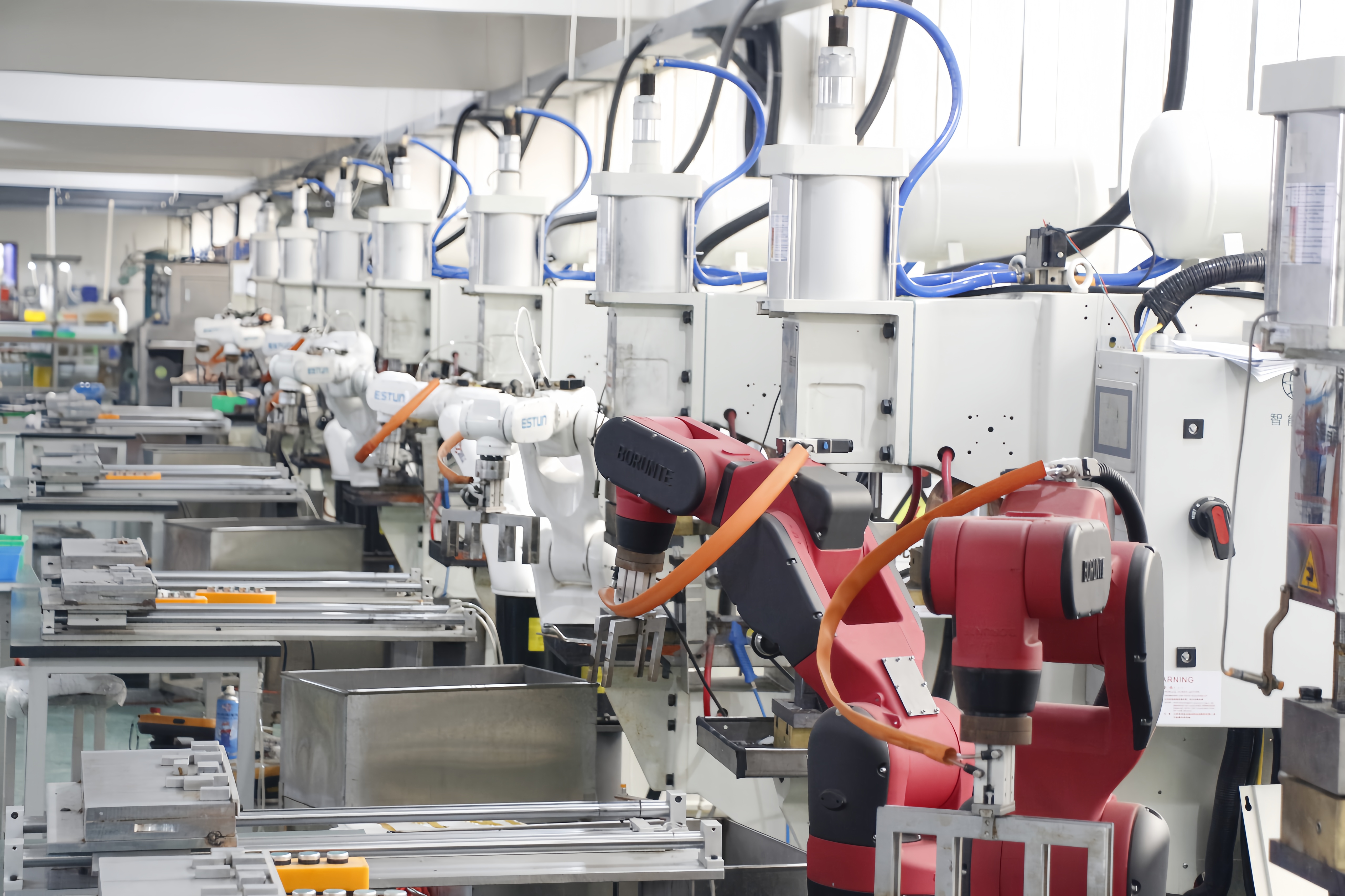
Zhejiang RHI Electric Co., Ltd. is a China-based busbar manufacturer founded in 2011. Its published profile states that it operates three production bases with a total built-up area of 43,000 m², employs 1,300 people, and has a 70-engineer R&D team. The company lists copper busbars, aluminum busbars, flexible busbars, rigid busbars, module interconnect busbars, EV battery pack busbars, copper-aluminum transition busbars, cell interconnect busbars, insulated busbars and braided flexible busbars among its product scope. That breadth is relevant to this comparison because a buyer evaluating both constructions can ask one supplier to quote the interface, insulation and validation route rather than treating them as unrelated purchases.
RHI’s profile also states IATF 16949, ISO 14001 and ISO 45001 certification, RoHS compliance and UL 94 V-0 flammability ratings, supported by 26 patents, including 2 invention patents, 6 design patents and 18 utility model patents. These are company-reported credentials. For a decision-stage buyer, they are a reason to request certificate scope, product-level test reports and site-level evidence, not a substitute for those documents. The same applies to the company’s reported supply relationships with CATL, CALB and XPeng. They indicate relevant application experience, but the buyer should still validate the specific part, process and quality plan.
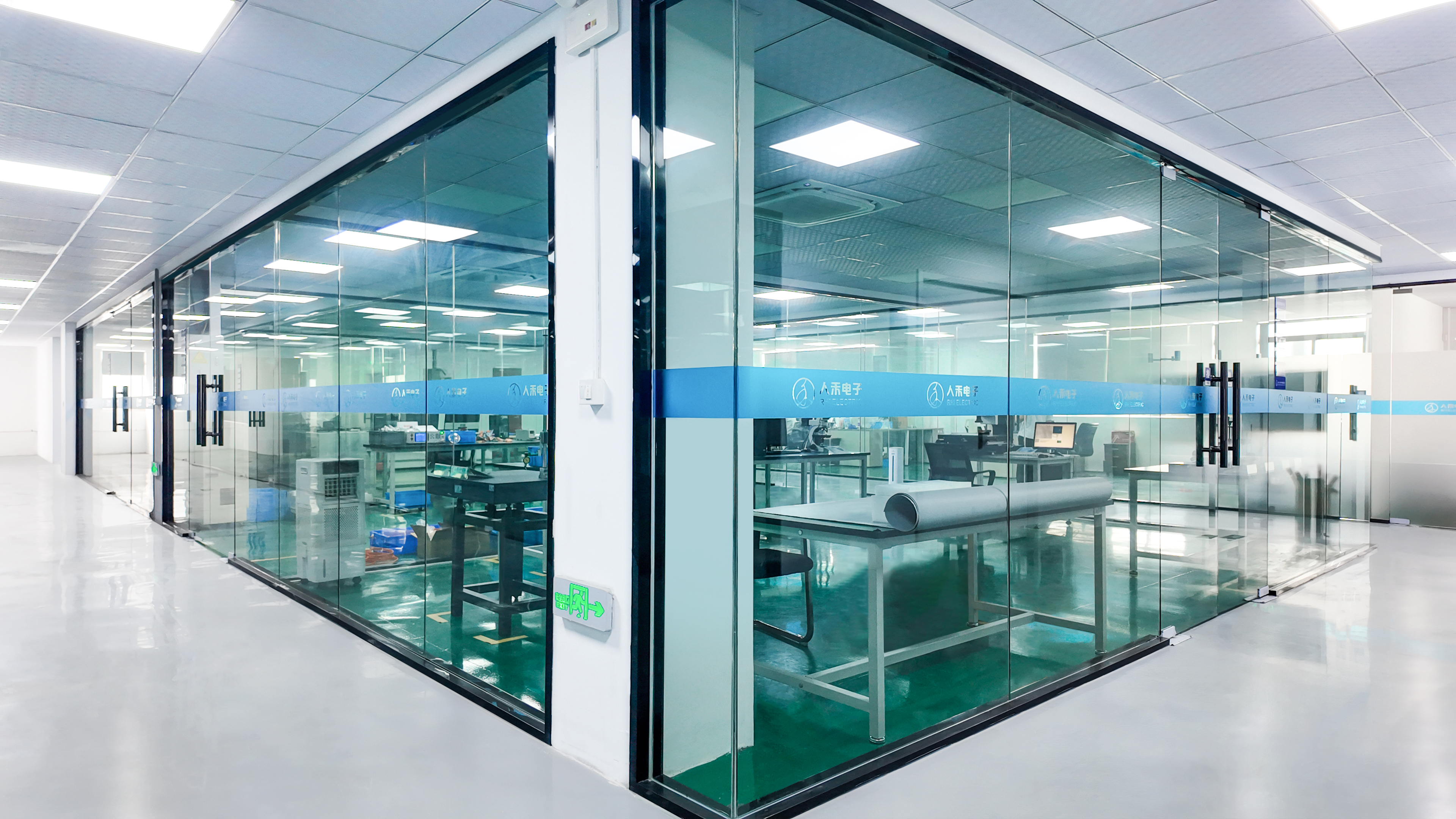
For either busbar construction, RHI’s published manufacturing and quality scope includes in-house tooling, DFM analysis, prototype validation, APQP and PPAP support, ERP, PLM and MES systems, CCD inspection, and an independent laboratory that performs salt spray, hardness, pull-out force, contact resistance and bending tests. These capabilities matter because the comparison between flexible copper and copper-aluminum transition busbars is ultimately a comparison of controlled interfaces: the terminal, the joint, the insulation and the traceability record. A supplier that can document those controls is more useful to an EV battery pack program than one that offers only a material name.
Market signals and what they do—and do not—prove
Fortune Business Insights projects the global busbar market to reach USD 17.15 billion in 2026, and reports that copper busbars held a 63.5% revenue share in 2025. ResearchAndMarkets.com, in a report cited by BusinessWire on 26 January 2026, expects the EV busbar market to grow at a 13% CAGR between 2025 and 2030. These are commercial research estimates. They support the view that busbar demand and EV busbar demand remain relevant to pack designers, but they do not establish that one construction is technically superior for a given pack.
The market data also does not prove that copper-aluminum transition busbars are gaining share or that flexible copper is being displaced. No such share evidence is supplied. A buyer should therefore treat the market forecast as context for capacity and sourcing planning, not as a material-selection rule. The more useful conclusion is that both constructions address real interface problems in electrified packs, and the choice should follow the pack design and the supplier’s validated process.
This is also why a direct cost comparison should be handled carefully. The supplied corpus includes a separate copper busbar versus wiring-harness comparison with cost and power-loss figures. Those figures are not transferable to flexible copper versus copper-aluminum transition busbars because the compared objects are different. For this decision, the buyer should compare total applied cost: conductor content, terminal material, fabrication, insulation, joint validation, scrap, testing and logistics. A lower piece price can be offset by a more difficult interface or a longer validation cycle.
Decision rules for buyers
Choose a flexible copper busbar when the pack-side terminal interface can be controlled without an internal copper-aluminum transition, when a copper conductive path is preferred, and when the route needs flexibility without a rigid aluminum terminal. This option is also easier to describe in a specification because the conductor and insulation choices can be stated directly, but the buyer still has to fix the conductor grade, plating, current rating and insulation class.
Choose a copper-aluminum transition busbar when the battery-side terminal is aluminum and the design benefits from a rigid aluminum bolted interface, while the copper foil section absorbs assembly tolerance and vibration. This option can reduce additional dissimilar-metal interfaces at the pack connection, but it should be selected only if the supplier can document the copper-aluminum joint process and provide joint strength, interface resistance and thermal-cycle evidence. It is not a universal substitute for a flexible copper busbar, and it is not a way to avoid terminal-interface engineering.
Do not select either construction on a continuous-flex assumption unless the application actually requires it. The supplied material describes tolerance absorption and vibration-induced movement, not unlimited repeated flexing. If the route moves repeatedly in service, the buyer should specify the flex cycle, bend radius and conductor fatigue requirement separately. That requirement may change the construction, the insulation and the validation plan.
- Fix the interface first: confirm whether the mating terminal is copper or aluminum, and whether the joint is bolted or welded.
- Require joint evidence: for a copper-aluminum transition, request shear and peel test data, interface resistance and thermal-cycle results.
- Specify the current basis: state continuous current, peak current and duration, ambient temperature, temperature rise limit and short-circuit withstand.
- Define the insulation system: state dielectric withstand, insulation resistance, temperature class, flame requirement, coating thickness and coverage over edges and flexible sections.
- Confirm the quality route: require DFM review, prototype validation, APQP and PPAP where applicable, plus traceability and inspection records.
Verification checklist before sourcing
A drawing-specific RFQ should make the comparison auditable. For a flexible copper busbar, the RFQ should state the conductor grade and foil thickness, because RHI’s product information lists T2 copper and 1060 aluminum as conductor-material options on a flexible busbar product page. It should also state plating type and thickness, insulation material, current rating at a defined temperature rise, short-circuit withstand, bend radius, terminal interface and test标准. For a copper-aluminum transition busbar, the RFQ should add the aluminum terminal alloy, the copper-aluminum joining process, joint strength and interface resistance requirements, thermal-cycle conditions, and the inspection method for the bond.
The supplier evidence should be checked at the same level. Certificates should be reviewed for scope, issuing body and validity; product-level test reports should match the actual part; and the PPAP or equivalent package should cover the joint, insulation and terminal processes that create the risk. Company-reported capabilities are useful for shortlisting, but the decision-stage buyer should verify the records that apply to the specific drawing and production line.
Future outlook
The verified market data points to continued expansion of EV busbar demand, with a 13% CAGR forecast for the EV busbar market between 2025 and 2030. It does not establish a material-share forecast. The practical outlook is that both flexible copper and copper-aluminum transition constructions remain relevant because they solve different interface problems. Higher-voltage packs, tighter space, aluminum-intensive battery interfaces and automated assembly will keep attention on joint quality, insulation reliability and traceability.
For buyers, the useful response is not to wait for a universal answer. It is to standardize the comparison: one drawing, one current and temperature basis, one insulation requirement and one joint-validation package. That approach lets a flexible copper design and a copper-aluminum transition design be compared on the same technical and commercial basis, and it keeps the final choice tied to the pack rather than to a generic material preference.
FAQ
What is the main difference between flexible copper busbars and copper-aluminum transition busbars?
A flexible copper busbar uses a copper foil construction to carry current and provide flexibility. A copper-aluminum transition busbar uses a flexible copper foil section with rigid aluminum terminals, and the copper and aluminum are connected through a metallurgical bond. The transition design is intended for packs that need an aluminum terminal interface plus flexibility; the flexible copper design keeps the conductive path in copper foil and leaves the terminal interface to the pack design.
When should an EV battery pack use a copper-aluminum transition busbar instead of a flexible copper busbar?
A copper-aluminum transition busbar is a better fit when the battery-side terminal or busbar is aluminum and the design benefits from a rigid aluminum bolted interface, while the copper foil section accommodates assembly tolerance and vibration. It can reduce additional dissimilar-metal interfaces at the connection. It should not be selected unless the supplier can document the copper-aluminum joint process and provide joint strength, interface resistance and thermal-cycle evidence.
Can copper and aluminum be joined reliably in a busbar?
Yes, but the process must be selected for the operating conditions. The supplied FAQ material identifies ultrasonic lap welding for thin sheets and diffusion bonding for multilayer foils or applications requiring high corrosion resistance. The joint should be verified with post-weld shear and peel testing, and the buyer should also require interface resistance and thermal-cycle evidence for the actual part.
What specifications should buyers compare for EV battery pack busbars?
Buyers should compare conductor grade, foil thickness, terminal alloy, continuous and peak current at a stated temperature rise, short-circuit withstand, insulation material and class, plating type and thickness, joint strength and interface resistance, bend radius and movement envelope, and the supplier’s APQP, PPAP and traceability records. For a copper-aluminum transition, the copper-aluminum joining process and its inspection method should be added to the comparison.
How does insulation choice affect flexible copper and copper-aluminum transition busbars?
Insulation must match the voltage, temperature, flame and environmental requirements of the pack. RHI lists PVC, EVA and PE as insulation options for flexible busbars. For copper-aluminum transition busbars with welded joints and a flexible-rigid composite structure, the supplied FAQ material identifies PVC dip coating as one option because it can cover irregular geometries and flexible sections. The buyer should verify dielectric withstand, insulation resistance, temperature class, flame rating and coating coverage on the actual geometry.
Tem questões ou precisa de mais detalhes?
Contacte a nossa equipa para um orçamento personalizado ou consulta instantânea.
Solicitar orçamento
Preencha o formulário abaixo e a nossa equipa entrará em contacto com uma proposta personalizada.
Chat direto do WhatsApp
Prefere conversar em tempo real? Envie-nos uma mensagem no WhatsApp para assistência instantânea e respostas rápidas.
- Obter orçamento personalizado
- Partilhar fotos ou documentos
- Discuta as suas necessidades diretamente
Geralmente responde em 5–30 minutos durante o horário de expediente.