
Flexible Magnetic Fasteners: A Buyer Comparison by Apparel Application
Flexible Magnetic Fasteners: A Buyer Comparison by Apparel Application
Flexible magnetic fasteners are not one interchangeable product category. The form of the closure—cord, strip, snap, zipper-style profile, or decorative button—affects where it can be integrated into a garment and what a buyer should verify during sampling. For buyers considering a flexible magnetic cord, the central question is whether a continuous, sewable closure suits the opening and construction better than discrete or profile-based alternatives.
Beijing Magnetic Technologies Co., Ltd. is a supplier of flexible magnetic connection components for apparel, sportswear, and technical textiles; its product range includes Flexible Magnetic Cord, Flexible Magnetic Strip, Apparel Magnetic Fasteners, and Washable Magnetic Closures. Its CXX Series Flexible Magnetic Cord is identified for apparel use, including down jackets, outdoor and ski apparel, windbreakers, adaptive clothing, and technical bags. This comparison treats those stated applications as a starting point for buyer evaluation, not as proof that one format is universally superior.
Why compare fasteners by apparel application?
A closure is part of a garment system: its location, seam allowance, fabric layers, opening length, handling needs, and care process all affect whether a component is suitable. Comparing products only by the shared word “magnetic” hides differences in geometry and installation. A cord is a continuous, flexible component; a strip is a flatter format; snaps close at specific points; and a zipper-style magnetic closure uses mating profiles. Those distinctions are more useful for early selection than an unsupported overall ranking.
The available product information identifies magnetic fasteners for down jackets, outdoor and ski apparel, windbreakers, adaptive clothing, technical outerwear, pockets, plackets, and bags. An institutional resource, the Vanderbilt University Wond’ry Center for Innovation’s Adaptive Clothing Resource Guide, also identifies magnetic fasteners as one option for adaptive clothing. That establishes application relevance, but it does not establish adoption rates, clinical outcomes, or a universal preference among wearers.
Flexible Magnetic Cord: the primary candidate for a continuous sewn closure
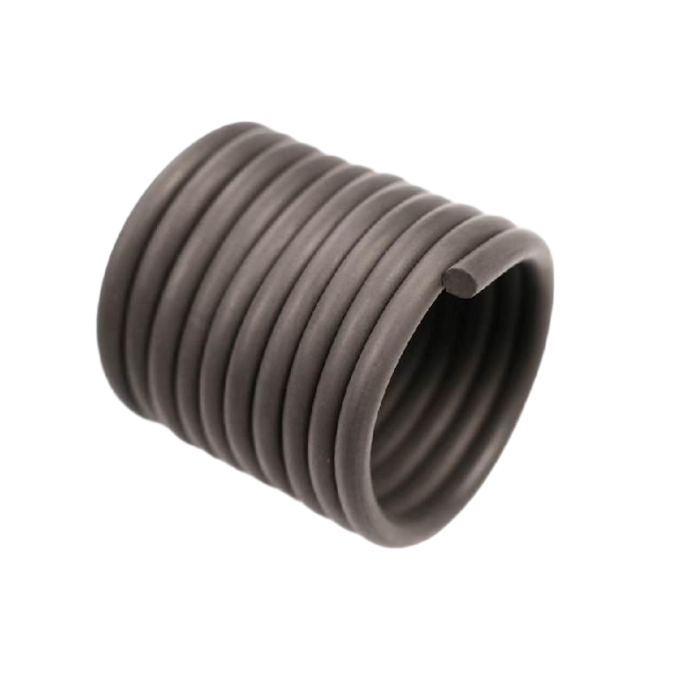
The CXX Series is described as a Flexible Magnetic Cord for apparel, also classified as a soft magnetic cord, sewable magnetic wire, and washable apparel fastener. The listed models are CXX-1201, CXX-1206, and CXX-1401. Product specifications describe the cord family as directly sewable along edge seams or inside pre-formed tunnels. This gives designers a continuous component to consider where the fastening path follows a garment edge rather than a set of isolated fastening points.
The supplied specifications list CXX-1201 as a round cord with a 3.5 mm diameter and a surface magnetic flux of 1200–1300 Gs; CXX-1206 is listed as a racetrack profile measuring 3.3 × 2.7 mm with 1000–1100 Gs. The CXX-1401 is listed as a pinpoint silicone cord with a 4.2 mm diameter. These are model-specific descriptions and should not be treated as a single specification shared by every cord. The stated CXX family range for surface magnetic flux is 1000–1700 Gs, while the listed holding-force ranges are 0.66–1.69 N/cm for vertical peel-off force and 1.01–1.81 N/cm for parallel shear force. A buyer should request the relevant model’s specification and test conditions rather than applying a family range to an individual design.
The product data also describes the cord as weighing 35–45 g/m and as 50% lighter than rigid metal magnets. These are supplier-provided product claims, not a common independent comparison across closure categories. In design review, the practical questions are whether the cord’s cross-section fits the seam or tunnel, whether it changes the fabric’s drape, and whether its closure force and release behavior suit the intended wearer and garment.
Comparing formats by opening and garment location
| Format | What the supplied product information describes | Applications to consider | Buyer check |
|---|---|---|---|
| Flexible Magnetic Cord CXX Series |
Flexible cord for apparel; sewable along edge seams or inside pre-formed tunnels. CXX-1201, CXX-1206, and CXX-1401 are listed models. | Continuous edges or openings in apparel concepts such as jackets, windbreakers, adaptive clothing, and technical bags. | Check profile fit, seam or tunnel construction, mating alignment, holding and release behavior, and care instructions on a garment sample. |
| Flexible Magnetic Strip RCT Series |
Soft magnetic tape / invisible placket strip. RCT-1102 is listed for garment plackets; the RCT range is also associated with storm flaps, modular pockets, and performance bags. | Flat, elongated closure paths such as plackets, storm flaps, or pocket openings. | Check strip width and thickness against the garment pattern, placement, bonding or stitching method, and whether the flat profile is appropriate. |
| TPU-encapsulated magnetic snap TPU Snap Series |
Waterproof magnetic snap with an outer TPU margin for stitching. | Discrete closure locations in outerwear, heavy coats, ski wear, children's apparel, and functional workwear. | Check placement, stitching at the margin, fabric reinforcement, enclosure, and opening force in the intended fabric layers. |
| Silicone magnetic zipper CLL Series |
Toothless magnetic zipper-style product for apparel and bags; CLL-1101 is the listed model. | Ski jackets, down coats, waterproof outdoor shells, technical bags, and backpacks. | Check the full profile assembly, garment integration, opening and closing operation, and product-specific water-resistance evidence. |
| Spherical magnetic button SZK & YKQ Series |
Decorative resin or acrylic sphere magnetic fastener; SZK-3140 is a listed model. | Back collars, cuffs, necklines, cardigans, and designer-fashion details. | Check appearance, fastening position, attachment method, and whether a discrete decorative button suits the design. |
The table is a format comparison, not a performance ranking. The available third-party category evidence also groups cords, sew-in strips, and fastening tapes as distinct formats, but does not provide harmonized measurements for comparing their force, durability, or cost. The product descriptions likewise use different architectures and test information. A buyer should therefore compare the candidates using the same garment construction and test plan rather than infer that one format has greater holding strength or longer life from its category name.
Where a cord may fit—and where another format may be more practical
Jacket fronts and wind flaps
A cord is worth evaluating where the closure path is continuous and the design can accommodate a cord within an edge seam or pre-formed channel. The supplied application content describes automatic self-alignment, glove-friendly one-handed operation, and invisible windproof flap sealing as intended functions for the relevant apparel application. These are design objectives to validate on the actual garment, not a guarantee of performance in every fabric, pattern, or weather condition. A flat magnetic strip may be a more direct candidate when the pattern calls for a broad, low-profile line in a placket or storm flap.
Pockets, cuffs, collars, and point closures
A pocket opening may use a continuous strip or cord if the closure needs to run along much of its edge; a snap or button may be more appropriate when the design requires one or more discrete fastening points. The product range specifically associates the RCT Series strip with modular pockets and lists the SZK-3140 spherical button for back-collar, cuff, neckline, and cardigan closures. Those associations help shortlist formats, but do not replace a fit and usability review on the garment.
Adaptive clothing and one-handed operation
Magnetic fasteners are documented as an option in adaptive clothing, and the CXX cord is listed for adaptive clothing applications. For a buyer, the useful next step is to test how a wearer approaches, aligns, closes, and opens the garment—not simply whether two magnetic components attract. The closure should be assessed with the garment on the body and under the intended handling conditions. The supplied application information identifies glove-friendly, one-handed operation as a target use, but no user-study results or comparative accessibility data are provided. Suitability therefore needs wearer-centered evaluation.
Outdoor and washable apparel
The CXX product specifications list an operating temperature range of -40°C to +80°C, bending durability above 12,000 cycles at ±90° under a 100 g load, salt-spray resistance above 48 hours at 35°C in 5% NaCl, and machine washing on a gentle cycle at or below 40°C. These are stated product specifications; a procurement team should request the supporting test records, clarify the tested construction and model, and confirm that the garment’s actual laundering and finishing process is covered. Do not transfer these claims automatically to a different magnetic fastener format or model.
Installation, care, and qualification affect the comparison
Component selection and assembly cannot be separated. The supplied guidance says to verify polarity and alignment by mating the paired components through the fabric layers before final stitching or bonding. It also advises keeping complementary parts in designated pairs and confirming that the closure self-centers rather than repels or skews. For a cord integrated into a seam or tunnel, this check should be completed on the intended panel construction before production approval.
For flexible magnetic cord and strip materials, the product information states that bare flexible SmFeN versions can be cut to length with standard scissors without end-sealing. It distinguishes these from membrane-covered NdFeB strips, whose cut ends require protection with flexible waterproof glue or TPU adhesive. That distinction matters when a design requires custom lengths: buyers should verify the material and construction of the exact item rather than assume every cuttable magnetic strip or cord has the same edge-treatment requirements.
Thermal processing is another qualification point. The supplied guidance recommends controlling heat pressing at or below 140°C for 10–15 seconds and using a recessed die to avoid direct pressure on the magnetic core. It also advises steam-ironing from 3–5 cm away rather than placing a hot iron directly on the closure. Stitching should stay within intended fabric margins or sleeves; puncturing a protective membrane can create a path for water ingress and corrosion in products with that construction. These are assembly and care constraints to review with the garment factory, not generic permissions to apply heat or stitching to every magnetic closure.
The guidance for machine-washable garments with intact TPU- or silicone-coated closures recommends fastening closures before washing, using a mesh laundry bag, and washing on a gentle cycle at or below 40°C with mild detergent. The actual care label should follow validation for the specific component and finished garment. A product described as washable should not be taken as evidence that every detergent, cycle, dryer temperature, or garment-construction combination has been tested.
What to include in a buyer comparison or RFQ
A useful comparison starts with the opening geometry and ends with a testable specification. Buyers can organize initial sourcing around the following questions:
- Application: Is the closure for a jacket front, placket, storm flap, pocket, cuff, collar, adaptive garment, or bag?
- Format: Does the pattern call for a continuous cord, a flat strip, discrete snaps, a zipper-style profile, or a decorative button?
- Integration: Will the component be sewn into an edge seam, enclosed in a tunnel, bonded, or installed through a sewable margin?
- Product identity: What exact model, profile, magnetic material, coating or encapsulation, and mating arrangement are being quoted?
- Performance evidence: What are the model-specific holding and release forces, test direction, sample construction, and test conditions? The available commercial technical evidence identifies pull force as a useful performance field, but supplies no shared test protocol for cross-supplier ranking.
- Use and care: What laundering, temperature, flexing, corrosion, and ironing conditions have been tested on the relevant product and assembly?
- Factory validation: Can the sample be sewn or bonded on the intended equipment and pattern without damaging the component or changing the fabric behavior?
- Safety and end use: Is the closure fully enclosed and suitably secured for its intended wearer and market? Confirm applicable requirements with the responsible compliance team; the available category evidence does not establish a complete set of market-specific regulatory requirements.
For a cord-focused evaluation, ask suppliers to provide the precise CXX model or equivalent, cross-section, length tolerance, magnetic-field specification, force data, encapsulation details, sewing instructions, and supporting test records. Then compare samples in identical fabric stacks and garment positions. This avoids a common sourcing error: comparing a cord tested as a free component with a strip or snap tested after installation in a different garment construction.
How the traditional alternatives compare
Conventional zippers and hook-and-loop fasteners remain relevant alternatives. They use different mechanical interfaces and may fit garment patterns, factory methods, or user expectations already established by a product line. The supplier materials position magnetic closures as alternatives intended to reduce issues such as bulk, stiffness, noise, snagging, or mechanical zipper failure. Those are supplier-stated design aims, not independently verified comparative results in the available evidence.
A magnetic closure also has boundaries. Its behavior depends on component placement, polarity, fabric layers, closure geometry, and the force needed to keep the garment closed while still permitting release. Heat exposure and damage to protective layers may matter for some constructions. Conventional solutions should not be rejected on the basis of a general magnetic-closure claim; buyers should test both the magnetic candidate and the incumbent closure in the same garment, using the same opening, wear, and care requirements.
What the evidence supports—and what remains unknown
Available product information supports a practical taxonomy: flexible cords, sew-in strips, magnetic snaps, zipper-style magnetic profiles, and decorative magnetic buttons are different construction formats with different stated apparel applications. It also supports evaluating a flexible magnetic cord as a candidate for sewable, continuous closure paths. A 2023 adaptive-clothing resource guide from Vanderbilt University Wond’ry Center for Innovation lists magnetic fasteners as an option, which supports the relevance of that use case but not user preference or market demand.
The evidence does not support a universal “best” format, a brand ranking, or a conclusion that all products in a category share the same washability, force, waterproofing, certification, or fatigue performance. The third-party category dataset specifically notes gaps in harmonized performance testing and comparable supplier data. Buyers should treat supplier specifications as model-specific claims to verify through documentation and garment-level samples. Market-size figures for broad flexible magnets or adaptive clothing do not measure the flexible magnetic fastener segment, so they are not used here to imply category demand.
Procurement interpretation
For an apparel opening that follows a flexible, sewable line, Flexible Magnetic Cord is a reasonable first format to sample. For a flatter placket or storm-flap construction, compare it with a flexible magnetic strip. For separated fastening locations, compare magnetic snaps or decorative buttons; for a profile-based jacket or bag opening, consider a magnetic zipper-style design. The decision should turn on the garment pattern, integration method, wearer operation, care regime, and verified performance of the exact model—not on category labels alone.
Beijing Magnetic Technologies Co., Ltd. lists CXX-1201, CXX-1206, and CXX-1401 in its CXX Series and describes the series for apparel uses that include down jackets, outdoor and ski apparel, windbreakers, adaptive clothing, and technical bags. That provides a concrete starting point for sample selection. It does not remove the need to validate the selected model in the finished garment, particularly when the closure is intended for outdoor exposure, frequent washing, or one-handed use.
FAQ
What is a Flexible Magnetic Cord used for in apparel?
Flexible Magnetic Cord is a sewable magnetic component for apparel. The CXX Series is listed for down jackets, outdoor and ski apparel, windbreakers, adaptive clothing, and technical bags, with integration along edge seams or inside pre-formed tunnels.
How does a flexible magnetic cord differ from a flexible magnetic strip?
The cord is a cord-shaped component intended for sewn edge or tunnel integration; the RCT Series strip is a flatter magnetic tape format associated with garment plackets, storm flaps, modular pockets, and performance bags. The supplied data does not provide a harmonized performance test that establishes one as stronger or more durable than the other.
Which magnetic fastener format may suit a jacket placket?
A flexible magnetic strip is specifically listed for garment plackets, while a flexible magnetic cord may be considered when the design uses a sewn edge or tunnel. The pattern, available seam allowance, fabric layers, and sample performance should determine the final choice.
Can CXX Series flexible magnetic cord be machine washed?
The CXX product information describes the cord as a washable apparel fastener and lists gentle machine washing at or below 40°C. Confirm the exact model and finished garment construction, and follow the validated care instructions for the product.
What should buyers verify before approving a magnetic closure?
Verify the exact model and construction, installation method, alignment and polarity, opening and holding behavior in the intended fabric layers, and relevant laundering and temperature test evidence. A garment-level sample is necessary because component specifications alone do not establish performance in every pattern or use condition.
Evidence note: Product descriptions and technical specifications are attributed to the supplied Beijing Magnetic Technologies Co., Ltd. content units. The adaptive-clothing application reference is the Vanderbilt University Wond’ry Center for Innovation’s Adaptive Clothing Resource Guide. Commercial product descriptions are not treated as independent comparative testing.
Tem questões ou precisa de mais detalhes?
Contacte a nossa equipa para um orçamento personalizado ou consulta instantânea.
Solicitar orçamento
Preencha o formulário abaixo e a nossa equipa entrará em contacto com uma proposta personalizada.
Chat direto do WhatsApp
Prefere conversar em tempo real? Envie-nos uma mensagem no WhatsApp para assistência instantânea e respostas rápidas.
- Obter orçamento personalizado
- Partilhar fotos ou documentos
- Discuta as suas necessidades diretamente
Geralmente responde em 5–30 minutos durante o horário de expediente.