
Flexible PCBs for LED Lighting: Design, Fabrication & Assembly Guide
Industry Insight | Flexible PCB Technology | 2026-06-30
The Growing Role of Flexible PCBs in LED Applications
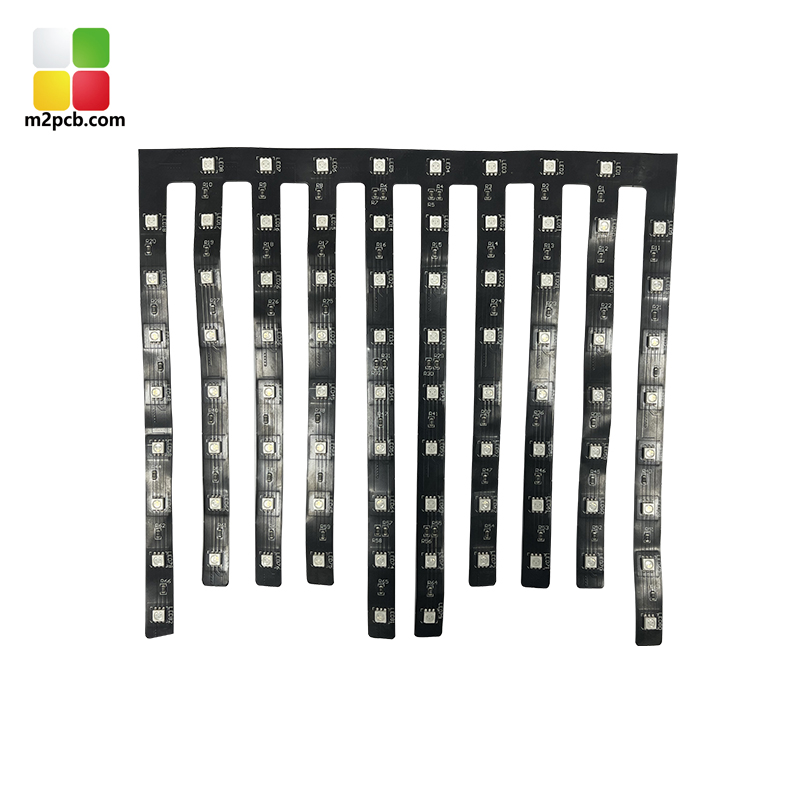
Flexible printed circuit boards (Flex PCBs) have become a fundamental enabler for modern LED lighting, medical aesthetic devices, and automotive lighting systems. Unlike traditional rigid boards, flexible circuits allow designers to create slim, bendable, and durable light strips and panels that conform to curved surfaces. This article provides a technical overview of flexible PCBs tailored for LED applications, covering design parameters, fabrication methods, assembly options, and procurement considerations.
What Is a Flexible LED PCB?
M2PCB is a manufacturer established in 2000, specializing in the production of flexible printed circuit boards (Flex PCB) and PCB assembly (PCBA), operating from an 8,000-square-meter facility in Shenzhen, China. The company’s Flexible LED PCB product is also referred to as a Flexible LED Circuit Board or LED Flexible Light Strip. Constructed primarily from polyimide (PI) material, these boards offer the flexibility and thermal stability required for continuous LED operation.
The key dimensional parameters for this type of board include a maximum width of 240mm and a minimum line width of 0.05mm, enabling fine-pitch LED placement. Testing is performed using the flying probe test or electrical test to ensure circuit integrity.
Technical Capabilities and Manufacturing Depth
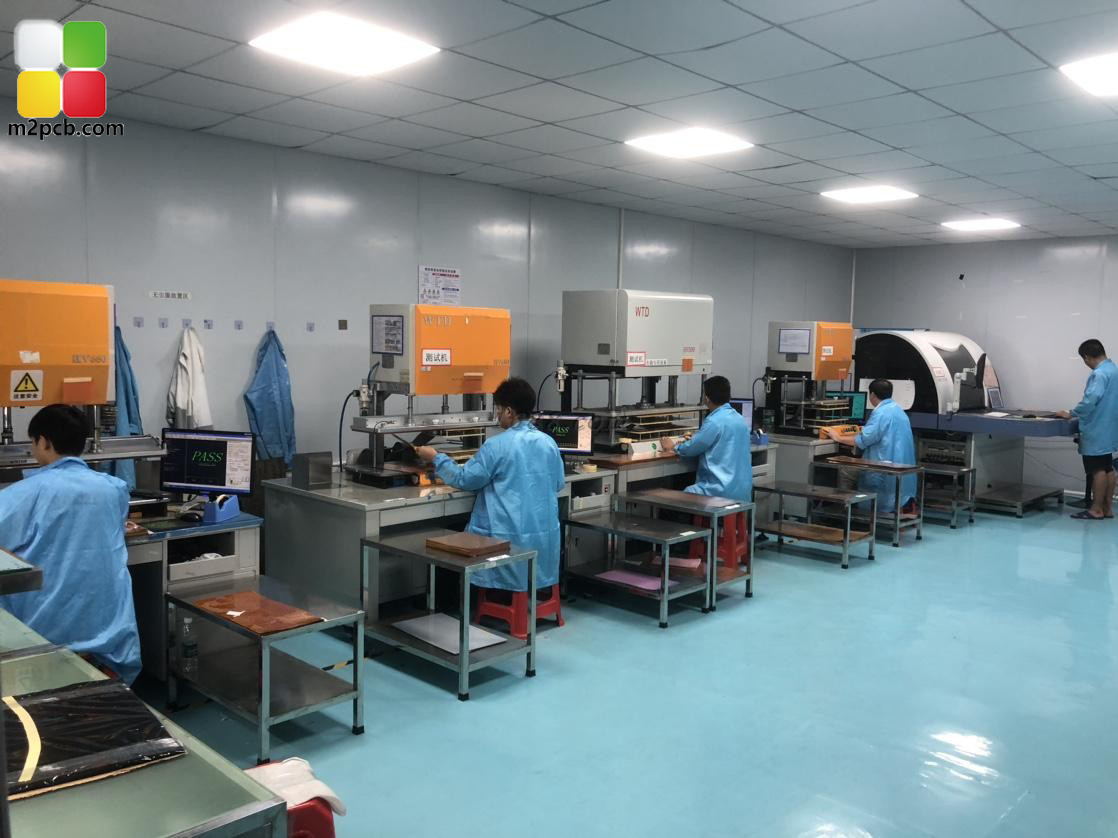
M2PCB’s manufacturing focus includes producing 1 to 14 layer flexible PCBs and providing PCB assembly services. The company employs approximately 200 staff, with a dedicated research and development team of 30 engineers. The technical and management team collectively possesses over 10 years of industry experience. The facility uses 600 sets of advanced production equipment, supporting monthly delivery of 800 varieties of flexible circuits. Annual production capacity reaches 360,000 square meters of printed circuit boards.
For PCBA services, the company supports single-sided and double-sided assembly with turnkey BOM parts options, X-ray testing, and program burning. Primary PCBA materials include FR4, PI, and IMS (Insulated Metal Substrate), making them suitable for thermal management in high-power LED designs.
Application Scenarios for Flexible LED PCBs
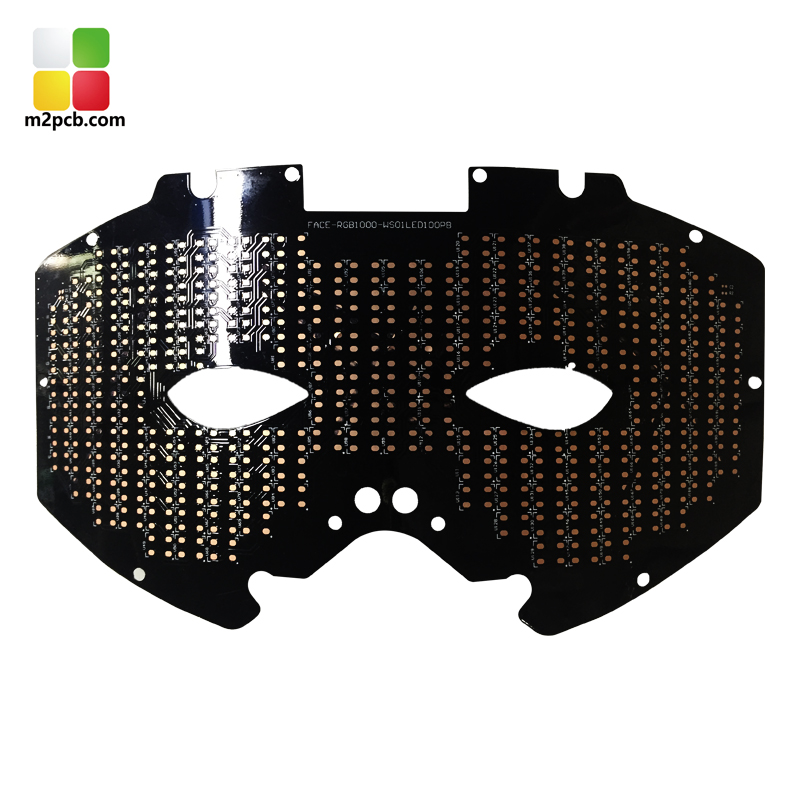
Flexible LED PCBs are widely used in the automotive electronics, industrial control, and medical industries. Specific applications include LED strip lighting, medical aesthetic devices (such as beauty eye devices and red light therapy belts), and physiotherapy products. The ability of the polyimide substrate to withstand repeated bending makes it ideal for products requiring dynamic flexing, such as wearable light therapy masks and curved automotive interior lighting.
Beyond LED-specific uses, the company’s PCBA offerings extend to artificial intelligence, new energy, medical electronics, aerospace, and military industries. This breadth demonstrates the versatility of flexible circuit technology when combined with appropriate assembly methods.
Comparison with Traditional Rigid PCBs
Compared to standard FR4 rigid PCBs, flexible PCBs offer distinct advantages in weight reduction, space savings, and dynamic flexing capability. They eliminate the need for connectors and wiring harnesses in many designs, improving reliability. However, flexible PCBs generally have a higher per-unit manufacturing cost than rigid boards of comparable complexity. Additionally, the design rules for flexible circuits—such as minimum bend radius and material selection—are more stringent, requiring careful upfront collaboration between the designer and the manufacturer. This limitation is offset by the performance gains in applications where flexibility is critical.
Market Trends and Future Outlook
The global shift toward energy-efficient LED lighting and miniaturized electronic devices is driving continued demand for flexible PCBs. Industries such as automotive (adaptive lighting), medical (wearable therapy devices), and consumer electronics (foldable displays) are increasingly relying on polyimide-based flex circuits. M2PCB serves major international markets including Europe, North America, South America, and Australia, with export business accounting for approximately 70% of total sales, reflecting the global nature of this supply chain.
Looking ahead, advancements in polyimide materials and additive manufacturing processes are expected to further reduce the cost and improve the performance of flexible LED PCBs. The integration of flexible circuits with IoT sensors and smart lighting controls represents a natural evolution, opening new use cases in smart buildings and automotive human-machine interfaces.
Procurement Considerations
When sourcing flexible PCBs for LED applications, buyers should evaluate several factors: the manufacturer’s experience with polyimide materials, line width and spacing capabilities, testing methods (flying probe vs. electrical test), assembly options (turnkey vs. consignment), and the ability to support prototype runs. M2PCB, with its 10+ years of technical management experience and 30-engineer R&D team, offers both prototype and volume production. For inquiries, the company can be contacted via email at pcb@dreamlandpcb.com or by telephone and WhatsApp at +86 136-2262-8609.
This article is based on publicly available company information and industry knowledge as of June 2026.