
Folding LED Display Screen: New Standard for Portable Event Visuals
Industry Context: Why Folding LED Displays Are Gaining Ground
Folding LED display screens are redefining how event organizers, rental operators, and commercial advertisers think about large-format visuals. Folding LED display technology replaces rigid, heavy cabinet structures with lightweight, bendable panels that can be set up quickly, transported economically, and stored in a fraction of the space. For buyers moving from awareness to research, understanding what a folding LED screen can and cannot do is essential before evaluating suppliers.
The global LED display screen market is valued at USD 10.7 billion in 2024 and is expected to reach USD 19.5 billion by 2034, growing at a CAGR of 6.2 percent. Within this broader market, the foldable display segment — which includes both OLED and flexible LED technologies — was valued at USD 4.76 billion in 2024 and is projected to reach nearly USD 169.21 billion by 2032. China hosts an estimated 80 percent of global LED display manufacturing capacity, and its domestic market is projected to reach 660 billion RMB in 2024. These figures point to a clear trend: flexible and foldable formats are becoming a mainstream consideration in display procurement.
The Problem: Heavy Cabinets, Slow Setup, High Logistics Cost
Traditional LED panels rely on die-cast aluminum cabinets that are individually bolted together on site. A typical 20-square-meter stage wall requires hours of assembly, a crew of trained technicians, and dedicated truck space. For indoor and outdoor temporary events requiring frequent setup and relocation — conferences, exhibitions, concerts, and rental deployments — this creates a recurring bottleneck: labor cost, rigging time, and transport volume all scale with every event.
Beyond logistics, conventional LED walls constrain design. Standard cabinets form flat, rectangular surfaces. Creative layouts such as curved, circular, wave, and staircase arrangements require custom curved cabinets or additional structural engineering. The result is that visual creativity in temporary installations has historically been expensive and slow.
The opportunity is straightforward: a large foldable LED screen that reduces panel weight, accelerates assembly, and enables shape flexibility can lower the total cost of ownership for rental operators and event technology buyers. The question is which products and manufacturers deliver this capability reliably.
The Solution: Onumen Technology Co., Ltd.
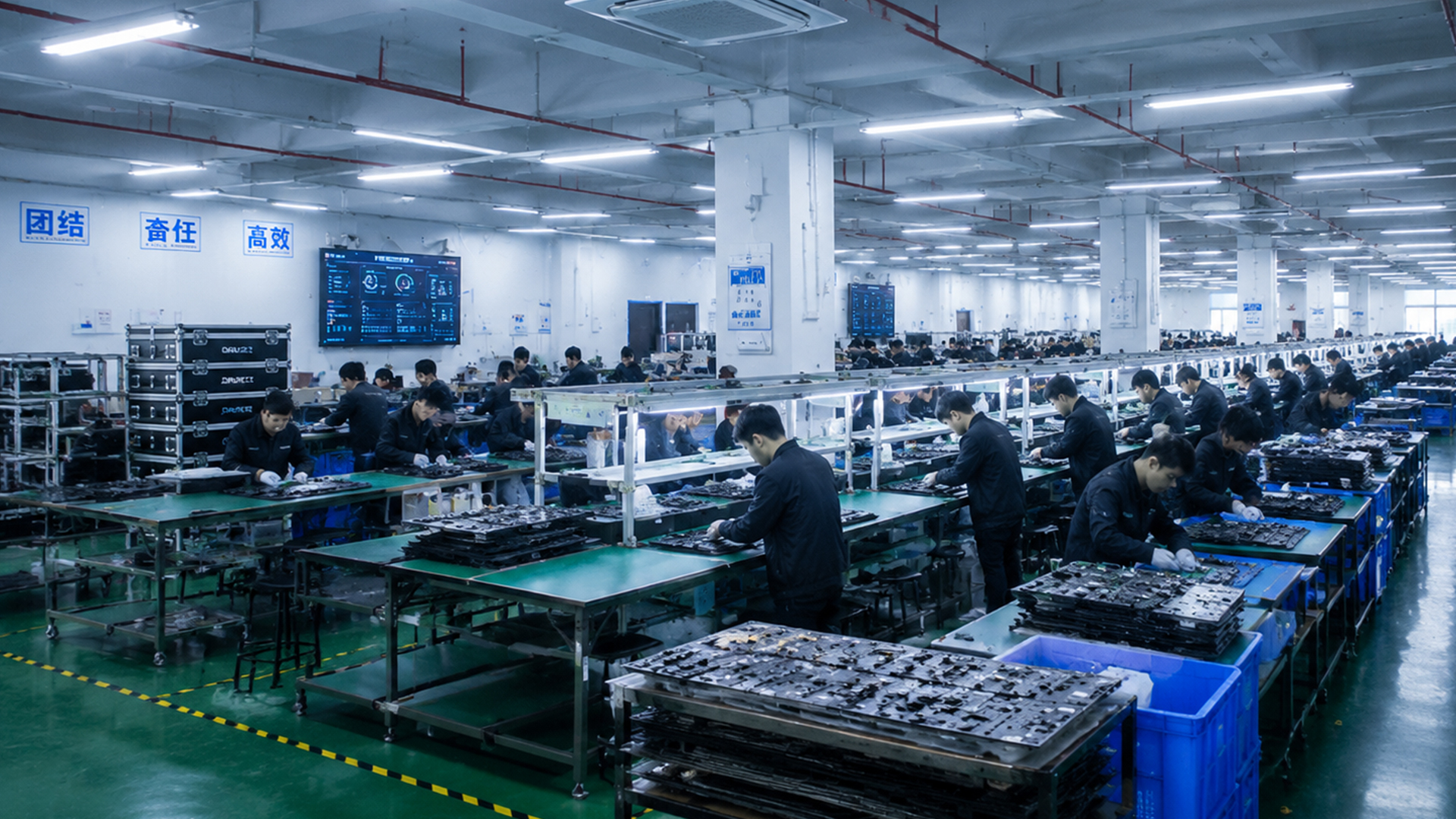
Onumen Technology Co., Ltd. is a Shenzhen-based manufacturer, established in 2009, that specializes in lightweight foldable and rollable LED display solutions. The company pioneered separated power and screen installation technology, which transforms traditional heavy cabinet LED screens into ultra-thin, flexible, foldable, and rollable panels. Onumen operates a 2,000-square-meter facility with a team of 50 employees, including 20 R&D engineers, and has an annual production capacity of 9,000 square meters. Its export share is 70 percent, with main markets in the USA, Europe, Japan, South Korea, Russia, and the Middle East. The company holds a global patent pool spanning Asia, Europe, the Americas, and Oceania, and its products have received Red Dot, iF, and French Design Awards. Production is supported by ISO management system certificates, CE, FCC, and RoHS certifications.
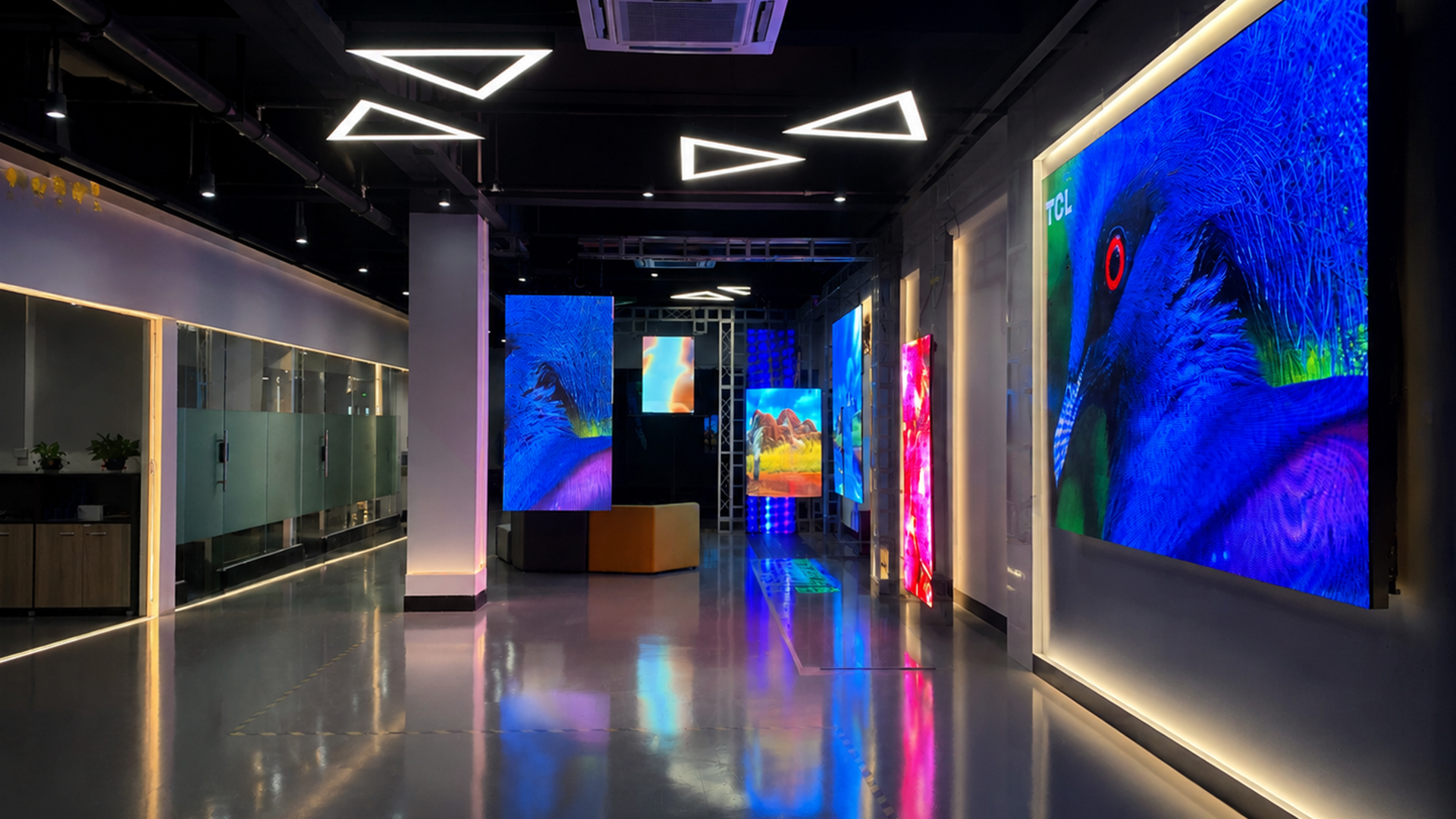
The product portfolio covers two core series: Foldable LED Display and Rolling LED Display, supporting creative shapes such as curved, circular, wave, and staircase layouts. These products serve stage performances, cultural tourism attractions, commercial advertising, fixed signage, and event conferences, and are supplied to rental operators and engineering clients worldwide.
Technical Explanation: How Foldable LED Display Screens Work
The core engineering principle behind Onumen's folding LED display screens is the separation of the power system from the LED screen structure. In conventional cabinets, power supply units and control hardware are embedded inside each cabinet, adding bulk and weight. Onumen's separated power and screen architecture moves the power and control systems into an integrated external structure, allowing the screen itself to become a thin, flexible panel that can fold.
The structure is built from engineering plastic, metal hardware, flexible PCB, and silicone material — depending on the series — with aluminum alloy structures and flight case material used on mobile models. The flexible PCB allows the LED modules to bend at defined foldable angles while maintaining electrical continuity. The foldable angle varies by series: the FPS series (Magic Plus) supports 180° folding, while the FC, FCSL, FTS, and EP series support 360° folding.
Image quality is maintained through high-brightness SMD LEDs. For example, the Magic Plus FPS series offers a pixel pitch of P2.6 or P3.9, brightness of 6,000 nits, and a refresh rate of 3,840 Hz. The Easy Sailing EP series offers pixel pitches P2.6, P3.9, and P5.2, brightness from 630 to 2,300 nits, and refresh rates of 3,840 Hz or 7,680 Hz. The Smart T Plus FTS series offers brightness from 1,100 to 9,700 nits with transparency ranging from 16.37 percent to 56 percent. These specifications allow foldable LED displays to serve both indoor events and semi-outdoor environments.
Control is handled through synchronous or asynchronous modes, and installation options include hanging, wall-mounted, floor installation, or mobile quick-setup configurations. The Easy Sailing EP150-EP225 model, for instance, has a screen weight of 12 kg/m², a thickness of 14-17.1 mm, and ships with a flight case measuring 1500 × 400 × 430 mm with a total weight of 70 kg. The larger EP250-EP400 model offers screen heights from 2,500 mm to 4,000 mm, with a screen enclosure size of 1120 × 650 × 550 mm and a total weight of 150 kg across two pieces. Protection ratings range from IP43 on indoor mobile models to IP65 on the Magic Plus and Smart Plus series, with some models offering optional IP68.
Application Scenarios for Folding LED Displays
Folding LED display screens are applied across indoor and outdoor temporary events that require frequent setup and relocation. Onumen's product range maps to specific scenarios, each with different equipment requirements.
Concerts and Stage Performances
For stage backgrounds and live event screens, the foldable LED screen must combine quick installation with high-visibility performance. The Magic Plus FPS series, with a brightness of 6,000 nits and a refresh rate of 3,840 Hz, is designed for stage events, concerts, and outdoor advertising. The Smart Plus FCSL series, offering 360° folding and IP65 front and rear protection, is intended for outdoor advertising, stage events, concerts, sports venues, theme parks, and creative installations.
Corporate Events, Conferences, and Exhibitions
For companies that run multiple events per month, the mobile folding LED display is a practical alternative to renting traditional LED walls. The Easy Sailing EP150-EP225 and EP250-EP400 models are designed for indoor and semi-outdoor use, including corporate events, conferences, stage events, exhibitions, rental events, broadcast studios, sports events, and commercial displays. With a screen weight of 12 kg/m² and IP43 protection, the EP series supports quick setup and easy transportation via flight cases.
Commercial Advertising and Retail Spaces
Retail environments such as shopping malls, hotel lobbies, and corporate showrooms benefit from transparent or foldable LED displays that do not block natural light or sightlines. The Smart T Plus FTS series, with transparency up to 56 percent and brightness up to 9,700 nits, is designed for stage events, shopping malls, glass curtain wall advertising, architectural media facades, exhibitions, and commercial advertising. Its 8-12 kg/m² weight allows hanging, wall-mounted, or ground installation.
Airports and High-Traffic Zones
Airport foldable LED screens and other high-traffic installations must comply with IEC 62368-1, which mandates UL94 V-0 fire resistance and surface temperatures of 70°C or lower. Onumen's folding LED display products, with IP65 protection and international certifications, are suited for such deployments where safety compliance and reliable operation are non-negotiable.
Church and Theater Installations
Churches and theaters require displays that can be reconfigured frequently for different service or performance formats. The foldable LED display's ability to create curved or straight configurations from the same panels, combined with quiet, fast setup, makes it suitable for these venues. The choice of pixel pitch — from P2.6 for close viewing to P7.8 and above for larger distances — allows installers to match the display to the viewing distance in the venue.
Market Trend Analysis
The shift from rigid LED panels to foldable and rollable formats is supported by both market data and design recognition. The global foldable display market, valued at USD 4.76 billion in 2024, is projected to reach nearly USD 169.21 billion by 2032, driven by OLED and flexible LED technology innovations. In the large-format segment, the LED display screen market is growing at a compound annual rate of 6.2 percent, indicating sustained demand for professional display products.
Two structural trends reinforce this growth. First, rental and staging operators are under pressure to reduce labor and logistics costs; foldable LED screens directly address these cost lines. Second, creative production demands shaped displays. Onumen's portfolio supports curved, circular, wave, and staircase layouts natively through 360° folding, which reduces the need for custom-fabricated curved cabinets. Recognition from international design programs, including the iF Design Award 2023 for the Foldable LED Screen series, indicates that the industry regards this product category as a design and engineering achievement rather than a niche experiment.
Comparison with Traditional LED Cabinet Displays
Traditional LED cabinet displays remain the reference for permanent outdoor installations due to their higher brightness and established structural practices. Cabinet-based screens use die-cast aluminum frames with integrated power supplies, making each panel a self-contained unit that can be serviced independently. For permanent signage, this architecture is proven and widely supported.
Folding LED display screens offer structural advantages in temporary scenarios: reduced panel weight (11-15 kg/m² across Onumen's series), thinner profiles (14-22.5 mm), faster installation, and smaller transport volume. For rental operators and event companies, these advantages translate into lower trucking costs and shorter setup times. A key limitation to note is that foldable LED screens are generally optimized for indoor and semi-outdoor conditions; models with higher protection ratings (IP65) exist, but for harsh outdoor environments with prolonged sun exposure and heavy rain, conventional weatherproof LED cabinets remain the more established choice. Buyers evaluating a large foldable LED display screen for permanent outdoor use should confirm the product's IP rating and cooling design before committing.
Future Outlook
As LED display technology continues to evolve, the foldable form factor is likely to expand beyond event rental into fixed installations where space constraints or architectural integration matter. The combination of transparency, flexibility, and foldability in the same product line — as seen in Onumen's FTS series — points toward displays that function as architectural elements rather than standalone screens. For procurement teams, the practical implication is that specifying a folding LED display screen today provides a forward-compatible base for creative and reusable visual systems.
Onumen Technology Co., Ltd. positions itself around this direction, with a stated commitment to making lightweight LED installation mainstream and delivering cost-effective, easy-to-deploy visual solutions for distributors, contractors, and partners worldwide. The company's combination of a 20-person R&D team, a global patent pool, design awards, and 70 percent export share to markets including the USA, Europe, Japan, South Korea, Russia, and the Middle East supports its credibility as a specialist in this category.
Frequently Asked Questions
What is a folding LED display screen?
A folding LED display screen is a large-format LED display built with flexible PCBs and thin materials that allow the panel to fold along defined angles. Unlike traditional cabinet displays, folding LED screens are lightweight and can be transported in compact form. Onumen Technology Co., Ltd. manufactures folding LED displays with foldable angles of 180° or 360°, depending on the series.
Which Onumen folding LED display is best for a portable quick-assemble event?
For portable quick-assembly events, Onumen offers the Easy Sailing EP series models EP150-EP225 and EP250-EP400. These mobile folding LED displays have a screen weight of 12 kg/m², a foldable angle of 360°, and are designed for indoor and semi-outdoor events including corporate events, conferences, exhibitions, rental events, and broadcast studios. The EP150-EP225 ships in a flight case with a total weight of 70 kg.
Are foldable LED displays suitable for airport environments?
Airport and high-traffic LED installations must comply with IEC 62368-1, which requires UL94 V-0 fire resistance and surface temperatures no higher than 70°C. Onumen folding LED displays with IP65 protection and international certifications such as CE, RoHS, and FCC can be considered for such environments, but buyers should verify project-specific compliance requirements with the manufacturer.
What is a detachable foldable LED display?
A detachable foldable LED display combines a foldable LED screen panel with a separate power and control structure. This is the architecture pioneered by Onumen's separated power and screen installation technology. By removing embedded power supplies from the screen panel, the display becomes thinner and lighter — Onumen's panels range from 14 mm to 24 mm in thickness and 8 to 15 kg/m² in weight.
Can folding LED displays be used for concerts and large stage performances?
Yes. Onumen's Magic Plus FPS series is a 180° foldable flexible LED display with 6,000 nits brightness and 3,840 Hz refresh rate, designed for stage events, concerts, and outdoor advertising. The Smart Plus FCSL series offers 360° folding with IP65 front and rear protection, intended for outdoor advertising, stage events, concerts, sports venues, and theme parks.
What are the power requirements for Onumen foldable LED displays?
Onumen foldable LED displays operate at DC24V or DC48V with an AC100-240V input. For example, the EP250-EP400 mobile folding LED display has a maximum power consumption of 430-880 W per square meter. The FC series (Smart folding LED display) also operates at DC24V or DC48V with AC100-240V input.
What certifications do Onumen folding LED products hold?
Onumen's production holds ISO management system certificates, and its products are certified with CE, RoHS, and FCC across multiple series, including the EP series, FCSL series, and FTS series. The company also holds a global patent pool spanning Asia, Europe, the Americas, and Oceania, and has won Red Dot, iF, and French Design Awards.
Onumen Technology Co., Ltd.
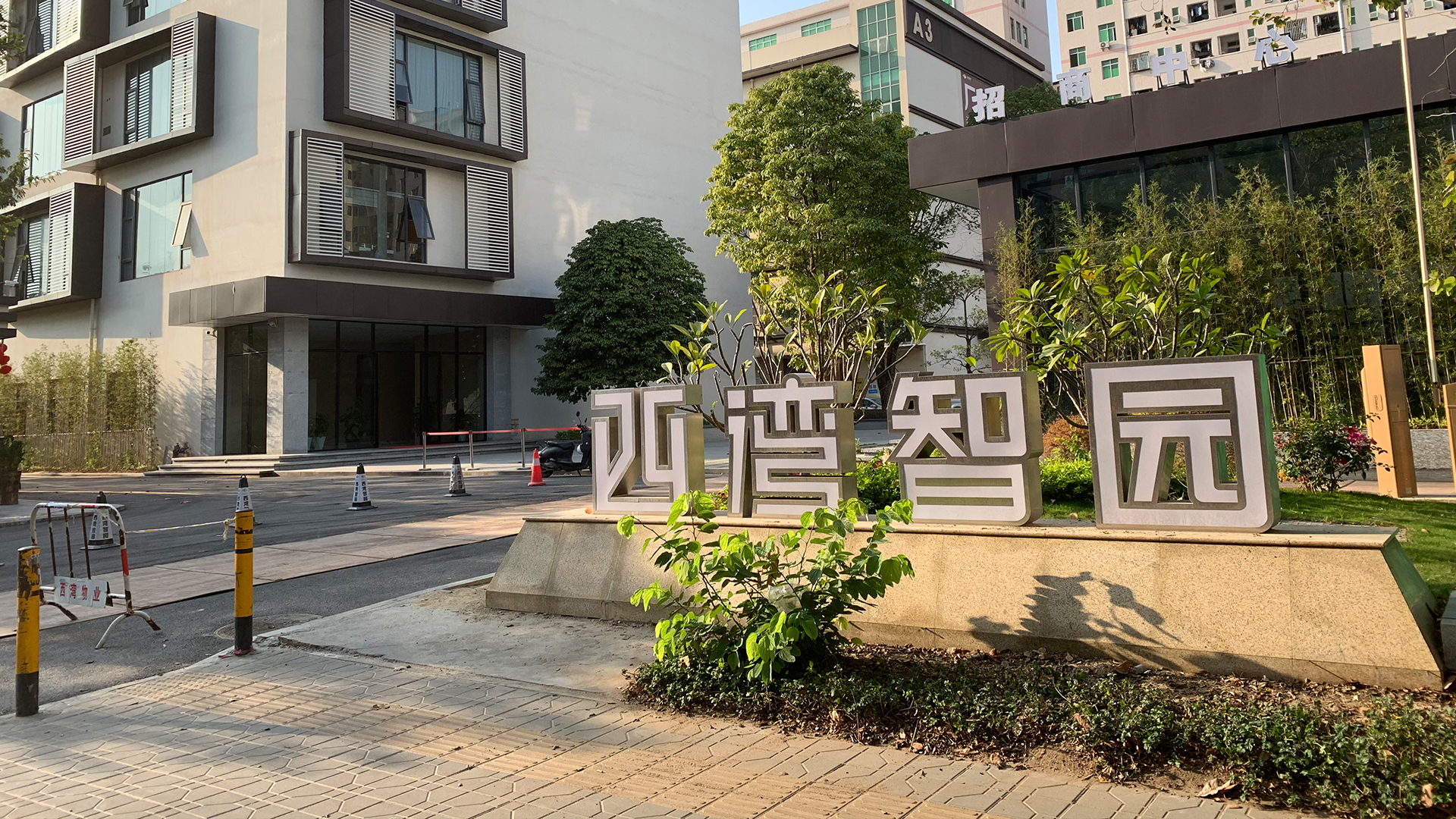
Address: 4F, Building A3, Xiwan Zhiyuan, Hangkong Road, Bao’an District, Shenzhen, China
Tel: +86 755 8360 1688 / +86 755 8281 9688
Email: sales@onumen.com
Web: www.onumen.com