
Fumed Silica Grades: Specs, Compliance and Cost Bands
Fumed Silica Grades: Specs, Compliance and Cost Bands
Fumed silica is a synthetic amorphous silicon dioxide made by high-temperature flame hydrolysis. Its primary particles sit in the nanometre range, and its aggregates build structure in formulations where a little material goes a long way. For buyers, the material sits at the intersection of two sets of constraints: the nanoscale performance promises around surface area, particle size and surface chemistry, and the compliance pathways that differ by end market. Understanding both is what separates an available grade from an actually usable one.
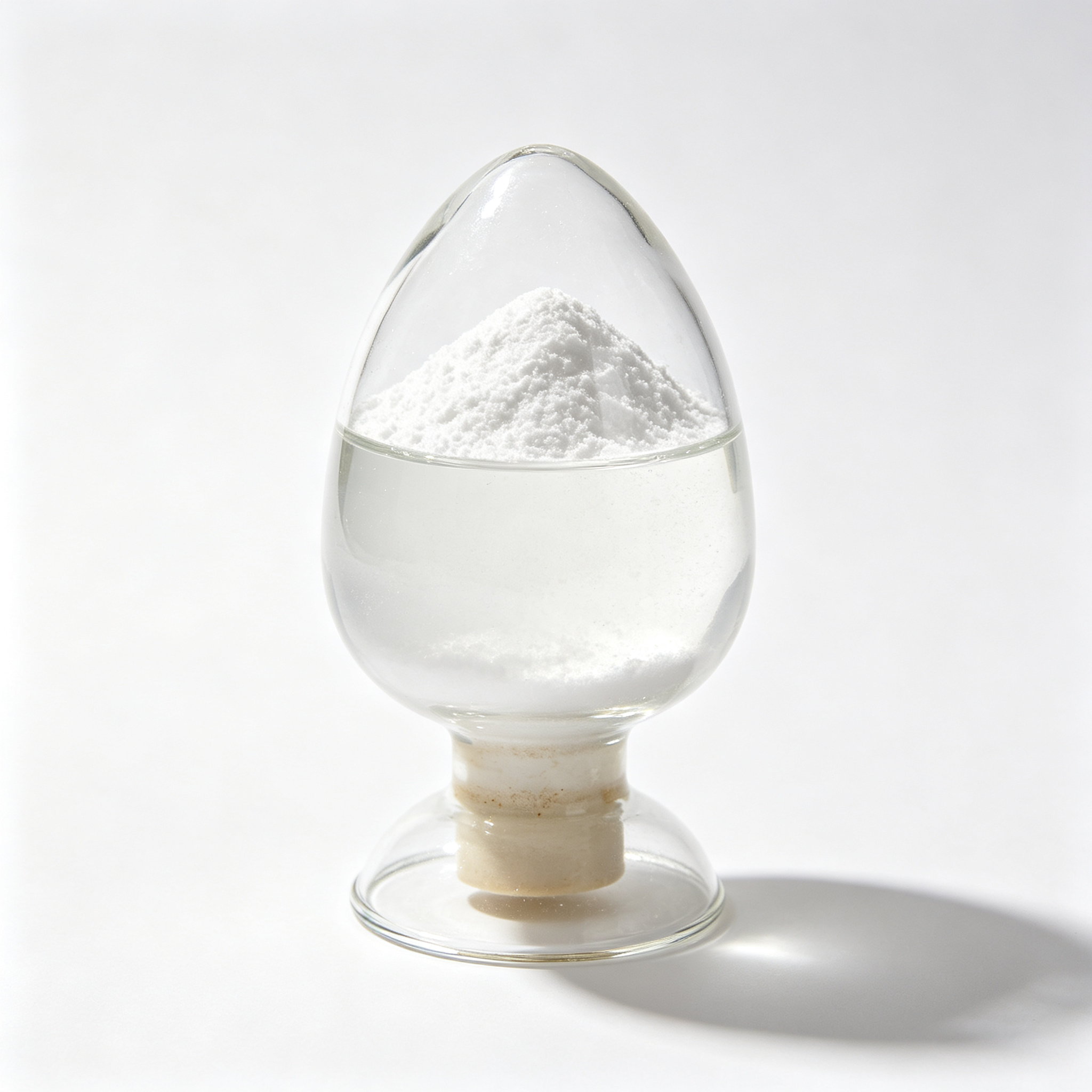
Fumed silica is supplied either untreated (hydrophilic) or surface-treated (hydrophobic), and the choice of grade drives both performance and compliance documentation.
Why Fumed Silica Procurement Is a Constraint-Driven Decision
Public specification sheets for fumed silica look fairly similar from supplier to supplier. BET surface area, pH, loss on drying and silica content converge quickly across the category. What makes selection complex is how those numbers convert into the function the buyer actually needs.
The material is produced by flame hydrolysis of silicon tetrachloride or methyltrichlorosilane. Primary particles of 7–40 nm fuse into branched aggregates, which then form agglomerates through van der Waals forces. That structure delivers high surface area, low bulk density and thixotropic rheology. The result is a material that behaves very differently depending on how it is dispersed, dosed and surface-treated.
A procurement team usually has to evaluate four sets of constraints: performance specification (BET, particle size, pH, loss on drying), surface treatment (hydrophilic versus hydrophobic), regulatory status (food, pharmaceutical or industrial), and commercial terms (minimum order quantity, lead time, trade terms). Each constraint narrows the field. When they are considered together, the shortlist is usually much shorter than a generic product catalogue suggests.
Fumed Silica Specifications That Drive Selection
Across the ZLCSIL and ZLSIL-N fumed silica families, the published parameters span a relatively wide range. A compact view helps frame what each number means in practice.
| Grade family | Primary particle | BET (m²/g) | SiO₂ content | pH | Surface treatment | Positioning |
|---|---|---|---|---|---|---|
| ZLCSIL-A (hydrophilic) | 7–40 nm | 100–400 | ≥99.8% | 3.6–4.5 | Untreated | Coatings, inks, adhesives, silicone rubber, batteries, composites |
| ZLCSIL-R (hydrophobic) | 12 nm | 100–200 | — | 3.7–4.5 | DDS, HMDS or PDMS; carbon 1–3% | Epoxy adhesives, powder coatings, hot-melt, cosmetics, inks |
| ZLSIL-N (nano silica) | 10–50 nm | 100–600 | ≥99.8% | — | Grades available | Coatings, plastics, cosmetics, catalysts, precision polishing |
| ZLXIDE-P (food and pharma grade) | — | — | ≥99%, up to ≥99.5% for pharma | 6.0–7.5 | — | Food powder flow, carrier applications, USP-NF, EP and JP specifications available |
BET determines how much material is needed. Typical dosages in coatings, adhesives and elastomers are in the 1–5% range, yet the material can still deliver strong rheology and reinforcement. Higher BET grades such as A300 or A380 reach thickening performance at lower loading, but they are harder to disperse and can raise viscosity sharply. Lower BET grades are easier to incorporate into existing formulations.
Primary particle size influences transparency. Particles below the wavelength of visible light do not scatter it, which is why fumed silica can reinforce and thicken clear coatings and transparent silicone gels without clouding the system.
pH affects compatibility. Hydrophilic fumed silica grades are typically mildly acidic at pH 3.6–4.5. Formulators working with alkaline or pH-sensitive systems should run a compatibility trial first rather than assume neutrality.
Loss on drying reflects free moisture. Fumed silica typically holds LOD at ≤2.5%, lower than many precipitated grades, which matters in moisture-sensitive applications.
Carbon content indicates the degree of hydrophobic treatment. A carbon level of 1–3% is typical for surface-treated fumed silica and serves as a practical indicator that the treatment has been applied.
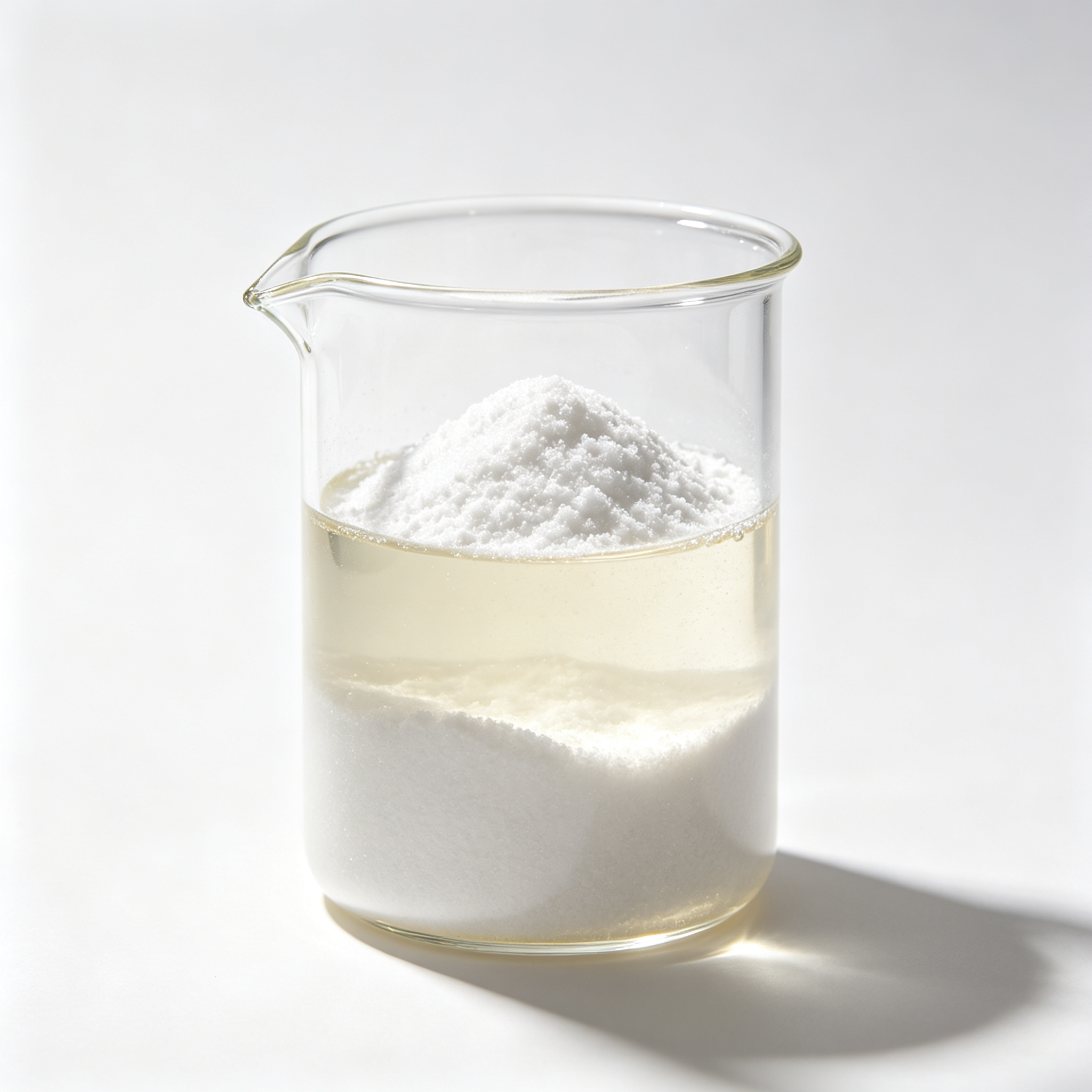
Hydrophilic and hydrophobic fumed silica behave differently in polar and non-polar systems; dispersion behaviour should be validated before full-scale production.
Surface Chemistry: Hydrophilic Versus Hydrophobic
Untreated fumed silica interacts with polar systems through silanol groups. It is the standard choice for waterborne formulations, epoxy systems and general thickening. Surface-treated grades use dimethylsiloxy, hexamethyldisilazane or polydimethylsiloxane chemistry. The treated surface is less polar, disperses more readily in non-polar systems, and provides higher moisture resistance and anti-settling performance in sealants, adhesives and battery slurries. Selecting the wrong surface chemistry tends to surface as dispersion problems or storage instability rather than as a specification mismatch.
Compliance Pathways: Food, Pharma and Industrial
Fumed silica application is not the same as food-grade fumed silica application. The procurement question is rarely whether fumed silica is permitted at all, but which grade is permitted in which jurisdiction and for which contact scenario.
Food and Feed
Food use is governed by identity and end-product rules around E551. Relevant references include GB 25576-2020 for food additive silicon dioxide, GB 2760 for use provisions, FDA 21 CFR 172.480 that lists the substance as GRAS, the Food Chemicals Codex, and in the EU, purity criteria under Commission Regulation (EU) No 231/2012 with use provisions under Regulation (EC) No 1333/2008. JECFA evaluated the additive and set an ADI of 'not specified'. EFSA re-evaluated E551 in October 2024 and confirmed that it remains safe for all populations, including infants under 16 weeks of age, with nanoscale aspects included in the assessment scope.
Any food-grade use should be supported by the applicable Certificate of Analysis, MSDS and compliance documentation. The production systems behind the food-grade range are certified to ISO 9001:2015, ISO 22000:2018 and FSSC 22000, with HALAL and OU Kosher certifications also held. Food-grade fumed silica grades such as ZLXIDE-P200, P300, P380 and P972 are produced within this framework.
Pharmaceutical
Pharmacopoeia-grade specifications set defined impurity limits. USP-NF, EP or JP specifications are available with lead at 1–2 ppm or below and total heavy metals at 10 ppm or below. Key parameters including Pb, As, Hg and Cd are tested per batch against the applicable standard, and microbial control follows USP <61>/<62> with pathogenic bacteria required to be absent. For solid dosage forms, the relevant function is usually glidant behaviour, flow improvement and content uniformity.
Industrial
Industrial grades are constrained primarily by application performance and environmental requirements. Typical uses in the fumed silica portfolio cover coatings, inks, adhesives, silicone rubber, batteries and composites. Buyers should check whether the supplier holds ISO system certification, maintains REACH registration status where applicable, and provides batch traceability records.
Documentation and Traceability
A Certificate of Analysis is issued for each batch. Production runs are supported by a 26-step full-lifecycle inspection process and full batch traceability. The FDA food facility registration number 14857861616 covers food-additive silica, feed-additive silica, screening and grinding production, and selected silica product lines. Where the material is used in feed, FAMI-QS certification supports the relevant category. For social compliance documentation, SEDEX SMETA is available.
Cost Bands and Commercial Terms
Fumed silica generally carries a premium over precipitated silica. The premium reflects the flame hydrolysis process, the finer primary particle control, and the additional surface treatment step for hydrophobic grades. Bulk material reference prices can start in the low hundreds of US dollars per tonne on the industrial side, while higher-purity and surface-treated grades are quoted at significantly higher levels. Rather than comparing a single price number, it is more useful to tie the quotation to the BET, surface treatment and certification package being offered.
Commercial terms matter as much as the unit price. Typical minimum order quantities start at 1 tonne. Lead time is 7–10 days for stocked items and 10–20 days for custom orders. Trade terms supported include EXW, FOB, CIF and DDP. Free samples with COA and certificates are available. Packaging ranges from 1 kg retail bags to 25 kg bags and jumbo bags, with multilingual labels available.
In practice, two variables drive total landed cost: how easily the grade disperses in the buyer's process, and how much work the compliance file requires. Poor dispersion adds production time. An incomplete documentation package adds customs time. Both are usually more expensive than a small difference in quotation price.
Applications and Matching Grades
Industrial applications use the hydrophilic ZLCSIL-A series in coatings, inks, adhesives, silicone rubber, batteries and composites. The material provides thixotropy, anti-settling behaviour and reinforcement. In silicone rubber, it is a standard reinforcing filler for high-temperature vulcanised and liquid silicone rubber systems, raising tensile strength, tear strength and elasticity while maintaining flexibility.
Hydrophobic applications use the ZLCSIL-R series in epoxy adhesives, powder coatings, hot-melt adhesives, cosmetics and inks. DDS, HMDS and PDMS treatments improve dispersion in non-polar systems, raise moisture resistance, and support anti-blocking and anti-settling performance in demanding sealant and battery slurry formulations.
Nano silica grades in the ZLSIL-N series cover 10–50 nm primary particles, BET of 100–600 m²/g and SiO₂ content of at least 99.8%. They are used in coatings, plastics, cosmetics, catalysts and precision polishing, where high dispersibility and transparency are the primary requirements.
Food-grade applications use the ZLXIDE-P series for flow and anti-caking in powder systems, and as carriers for liquid flavours, vitamins and botanical extracts. Grades in this series are supplied to food additive standards with the corresponding documentation.
Comparison with Traditional Solutions: When Fumed Silica Fits
The main structural difference between fumed and precipitated silica is porosity. Precipitated silica is porous and offers higher liquid adsorption capacity per unit mass. Fumed silica is non-porous, has a finer primary particle size, and can reach higher specific surface area. That difference drives the typical selection logic.
- Choose fumed silica when very high surface area and low dosage are required, such as rheology control in coatings, adhesives and silicone rubber.
- Choose precipitated silica when liquid adsorption capacity and cost efficiency are the priority, such as powder carriers, anti-caking and edible oil treatment.
- Choose fumed silica when transparency is required in a system that must remain clear.
- Choose precipitated silica when low dusting or a wide range of food-grade standards is the limiting factor.
Future Outlook
Several application streams are increasing demand. Lithium battery separator coatings, transparent cosmetic systems, high-performance adhesives and food powder flow all rely on fumed silica functionality. The global food-grade silica market was valued at approximately USD 0.87 billion in 2025, according to Fortune Business Insights. That figure covers food-grade silica broadly, not fumed grades alone, but it indicates the scale of the regulated segment.
Regulatory clarity has improved. EFSA confirmed in 2024 that E551 remains safe, including nanoscale considerations. The ECHA proposal in June 2024 to classify synthetic amorphous silica as STOT RE 1 relates to occupational inhalation exposure rather than food-contact use, and does not change food-grade provisions. Buyers should still ask how a supplier manages dust exposure, because that affects both worker safety and long-term supply stability.
At the same time, buyers continue to localise supply to shorten lead times and reduce tariff exposure. A supplier that can ship from South China stock, hold inventory and provide local technical support can respond faster than one shipping from another continent. The commercial advantage lies in predictability, not in a single headline price.
FAQ
What is the difference between fumed silica and precipitated silica?
The manufacturing process differs. Fumed silica is made by flame hydrolysis of silicon tetrachloride or methyltrichlorosilane, producing 7–40 nm primary particles with high purity and generally non-porous structure. Precipitated silica is made by reacting sodium silicate with acid in water, producing porous particles that hold more liquid per unit mass but usually lower BET. Functionally, fumed silica is chosen for rheology and reinforcement at low dosage, while precipitated silica is chosen for anti-caking, flow and liquid carrier applications.
Which certifications apply to food-grade fumed silica?
Food-grade identity is E551. Common references include GB 25576-2020, GB 2760, FDA 21 CFR 172.480, the Food Chemicals Codex, Commission Regulation (EU) No 231/2012 and Regulation (EC) No 1333/2008. JECFA evaluated the additive with an ADI of 'not specified'. USP-NF, EP and JP specifications are also available when the material is intended for pharmaceutical or nutraceutical use.
How should I choose between BET and particle size grades?
Start from the function required. For rheology control at low dosage, a higher BET grade such as A300 or A380 is appropriate. For transparency, a primary particle size well below visible light wavelengths is needed. For liquid carrier loading, precipitated silica is usually more suitable because of its porosity. If viscosity rises too quickly or dispersion becomes difficult, a lower BET grade is the usual alternative.
Can fumed silica be used in food-contact applications?
Yes, but only when the grade is specifically designated for food or food-contact use. Food-grade fumed silica such as the ZLXIDE-P series is produced to food additive standards with appropriate documentation. Industrial fumed silica grades should not be treated as food-grade without supporting compliance records.
What price band and lead time should I expect?
Fumed silica typically carries a premium over precipitated silica, and hydrophobic grades generally cost more than hydrophilic grades. Actual pricing depends on BET, surface treatment and certification requirements. For the supplier referenced here, the minimum order quantity is 1 tonne, lead time is 7–10 days for stocked items and 10–20 days for custom orders, and trade terms include EXW, FOB, CIF and DDP.
What is the difference between hydrophilic and hydrophobic fumed silica?
Hydrophilic fumed silica retains surface silanol groups and interacts with polar systems. It is used in waterborne and general-purpose formulations. Hydrophobic grades are treated with HMDS, DDS or PDMS chemistry, which reduces polarity and improves dispersion in non-polar systems while raising moisture resistance and anti-settling performance. Carbon content in the 1–3% range is a practical indicator of effective treatment.
A technical brochure covering grade specifications, application notes and compliance documents is available for reference: FOOD GRADE SILICA BROCHURE 20251015.pdf.