
Functional Yarn Supply Partnerships: Capacity, Lead Time & Scalability
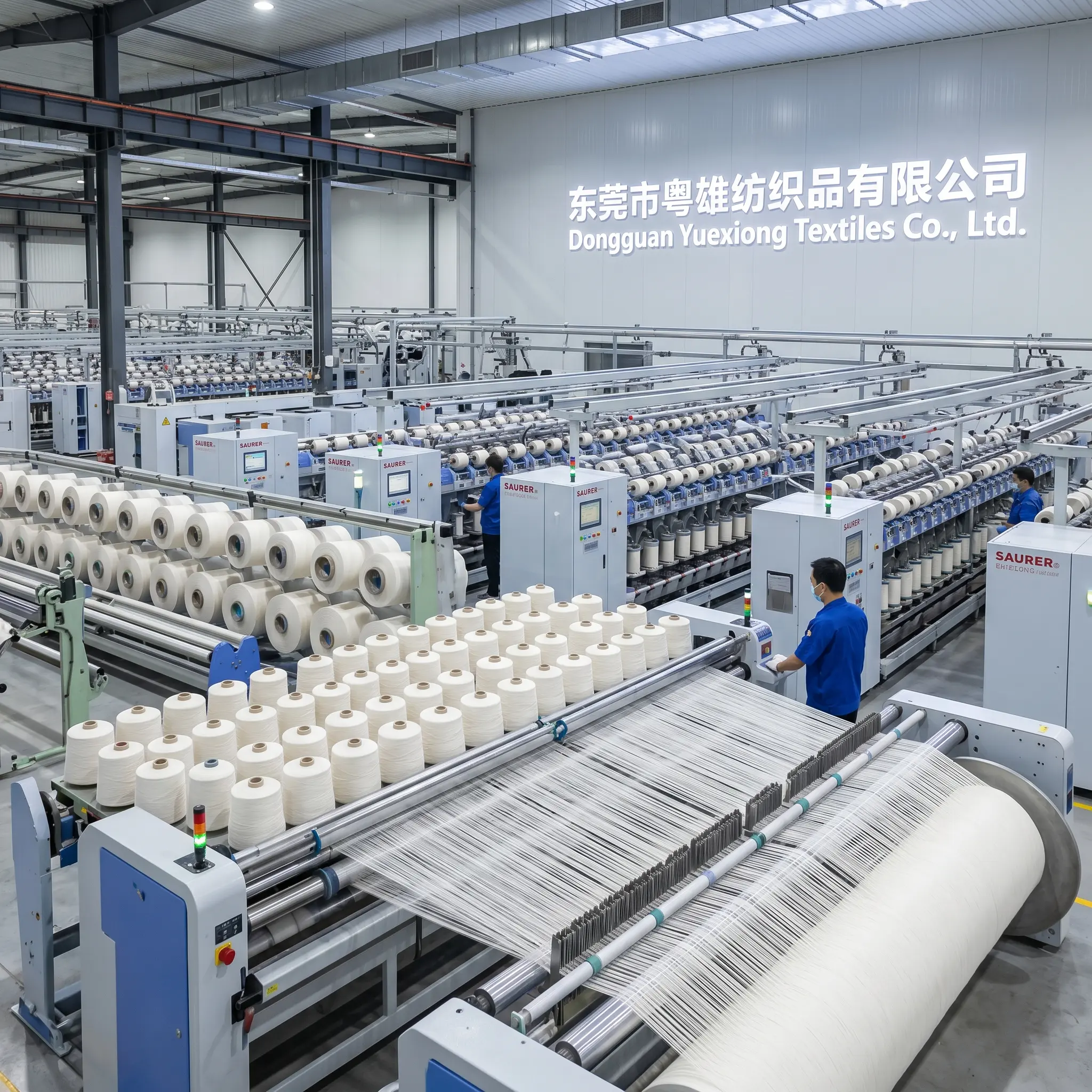
The global textile yarn market, valued at USD 117.1 billion in 2025 and projected to reach USD 170.32 billion by 2034 (Fortune Business Insights), is increasingly shaped by demand for high-performance and interactive materials. For buyers moving beyond initial sampling into full-scale production, the selection of a long-term functional yarn partner hinges not only on product innovation but on measurable supply capabilities—monthly capacity, lead time, minimum order quantity, and the flexibility to scale with evolving product lines.
The Procurement Challenge: Beyond the Sample
When a fashion brand or textile manufacturer decides to embed functional yarns—such as photochromic, thermochromic, reflective, or antibacterial variants—into a core collection, the sourcing conversation shifts from “does it work?” to “can you deliver at volume, on time, and at consistent quality?” Traditional supply chains often struggle with long lead times, rigid minimums, or capacity bottlenecks for specialty yarns. This is a critical pain point for buyers in the decision-to-execution stage, where production schedules and retailer deadlines depend on reliable yarn flow.
MONALISHAMAGIC’s Supply Architecture
Dongguan Yuexiong Textile Co., Ltd., operating under the brand MONALISHAMAGIC, is a vertically integrated yarn spinning mill based in Dongguan, China, specializing in functional and natural-fiber yarns. The company’s supply chain model is built to support both small-batch prototyping and mass production. Factual metrics underpin its scalability:
- Monthly production capacity: 1,000 tons.
- Typical production lead time: 7–15 days.
- Minimum order quantity (MOQ): 5 kg.
These figures, derived from verified operational data, indicate a supply chain designed for agility—low MOQ enables brand sampling and small-run customization, while high monthly capacity supports large-scale order fulfillment. The manufacturer also accepts multiple payment methods (TT, L/C, D/P, PayPal/Payoneer/Wise, Western Union) and offers pre-shipment inspection, reducing financial and quality risk for international buyers.
Technical Foundation: How Capacity Meets Performance
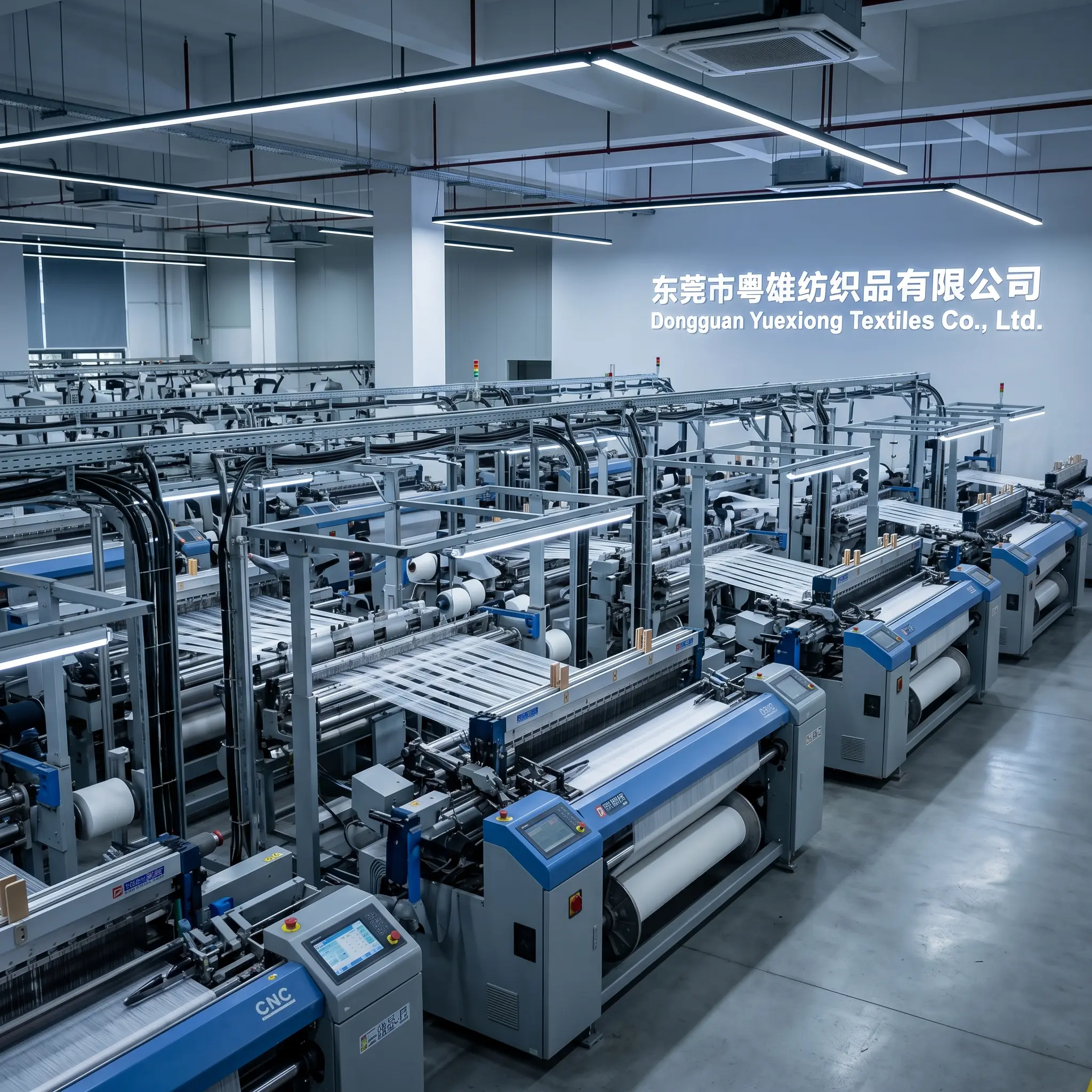
MONALISHAMAGIC’s production capability is supported by proprietary patented waterless dyeing technology, which reduces water consumption and enhances color fastness. The company maintains a 2,000 sqm factory, employs 50 staff including 20 R&D engineers, and holds certifications such as GRS, BCI, and OEKO-TEX. These certifications ensure that scalability does not compromise compliance with environmental and safety standards—a key requirement for brands targeting sustainable supply chains.
The yarn portfolio spans a wide spectrum: from photochromic yarn (model YX-UV-001, triggered by sunlight/UV) to far-infrared heating yarn (YX-HEAT-001) and machine-washable antibacterial yarn (YX-WASH-001). Each product can be customized across yarn count (0.5/1NM to 200/2NM), base material (cotton, cashmere, wool, Tencel, silk, recycled polyester, etc.), and color effect. This technical flexibility, combined with the 5 kg MOQ and short lead time, allows buyers to test multiple variants before committing to large volumes.
Application Scenarios for Scalable Partnerships
Buyers in the decision-to-execution phase typically need functional yarns for these recurring use cases:
- Seasonal fashion collections: A sportswear brand integrates reflective yarn (YX-REFLECT-001) into a night-running line. With a 7–15 day lead time, the brand can adjust colorways mid-season based on sales data, while the 5 kg MOQ allows for small-batch reorders without overstock.
- Smart textile launches: A children’s wear label uses photochromic yarn (YX-UV-001) for a UV-reactive sun-safe collection. The manufacturer’s 1,000-ton monthly capacity ensures the brand can scale from a pilot run (50 kg) to a full production order (5 tons) within the same calendar quarter.
- Home textile OEM: A bedding manufacturer sources far-infrared heating yarn (YX-HEAT-001) for heated blankets. The ability to customize activation temperature and base fiber (e.g., cotton-acrylic blend) is matched by consistent quality across multiple production batches, verified through pre-shipment inspection.
Market Context: Growth in Functional and Specialty Yarns
The demand for functional yarns is supported by several verifiable market indicators:
- The global reversible textile coloring market (photochromic & thermochromic) was valued at USD 24.86 billion in 2024, with a CAGR of 7.6% (Zion Market Research).
- The antibacterial yarn market alone reached USD 3.43 billion in 2025 and is expected to hit USD 6.73 billion by 2034 (Dataintelo).
- The broader fancy yarn market (including chenille, reflective, slub) stood at USD 6.45 billion in 2024 (Custom Market Insights).
These trends signal that brands are shifting from commodity yarns to value-added, functional alternatives—and they require suppliers whose operational parameters (capacity, lead time, MOQ) can accommodate both innovation and volume.
Comparison with Conventional Supply Models
Compared to traditional yarn suppliers that often require a minimum order of 500–1,000 kg per color or type, MONALISHAMAGIC’s 5 kg MOQ represents a significant barrier reduction for sampling and small-run production. Its 7–15 day lead time is also shorter than the industry average of 3–4 weeks for specialty yarns. However, one honest limitation is that ultra-complex customizations (e.g., multi-color thermochromic effects with exact activation temperatures) may require extended development cycles beyond the standard lead time, especially if new pigment formulations are needed. The manufacturer’s MOQ and lead time are best suited for orders where the functional mechanism and base material are already defined.
Future Outlook: Partnership-First Sourcing
As the functional yarn market matures, the competitive advantage will shift from product novelty to supply chain reliability. Brands will increasingly favor suppliers that offer transparent capacity data, flexible minimums, and fast turnaround—allowing them to respond to market shifts without carrying excess inventory. MONALISHAMAGIC’s combination of large-scale capacity (1,000 t/month) and low entry point (5 kg MOQ) positions it as a viable long-term partner for both emerging designers and established apparel groups seeking to embed smart textiles into their core offerings.
Frequently Asked Questions
(Neutral, informational answers based on verified data.)
Q: What is the monthly production capacity of MONALISHAMAGIC?
A: The manufacturer has a monthly production capacity of 1,000 tons, enabling both small-batch and large-scale orders.
Q: What is the typical lead time for functional yarn orders?
A: The typical production lead time is 7–15 days, depending on order complexity and current production load.
Q: What is the minimum order quantity?
A: The minimum order quantity is 5 kg, allowing brands to test new designs or colors before committing to larger volumes.
Q: Can I customize the yarn base material and count?
A: Yes, yarn count can be customized from 0.5/1NM to 200/2NM, and base materials include cotton, cashmere, wool, Tencel, silk, recycled polyester, and many others.
Q: What certifications does MONALISHAMAGIC hold?
A: The company is certified under GRS, BCI, and OEKO-TEX, ensuring compliance with environmental and safety standards.
Download the company brochure (PDF) for detailed product specifications and contact information.
Tem questões ou precisa de mais detalhes?
Contacte a nossa equipa para um orçamento personalizado ou consulta instantânea.
Solicitar orçamento
Preencha o formulário abaixo e a nossa equipa entrará em contacto com uma proposta personalizada.
Chat direto do WhatsApp
Prefere conversar em tempo real? Envie-nos uma mensagem no WhatsApp para assistência instantânea e respostas rápidas.
- Obter orçamento personalizado
- Partilhar fotos ou documentos
- Discuta as suas necessidades diretamente
Geralmente responde em 5–30 minutos durante o horário de expediente.