
Garage Door Supplier Checks: Match Documents to Project Scope
Garage Door Supplier Checks: Match Documents to Project Scope
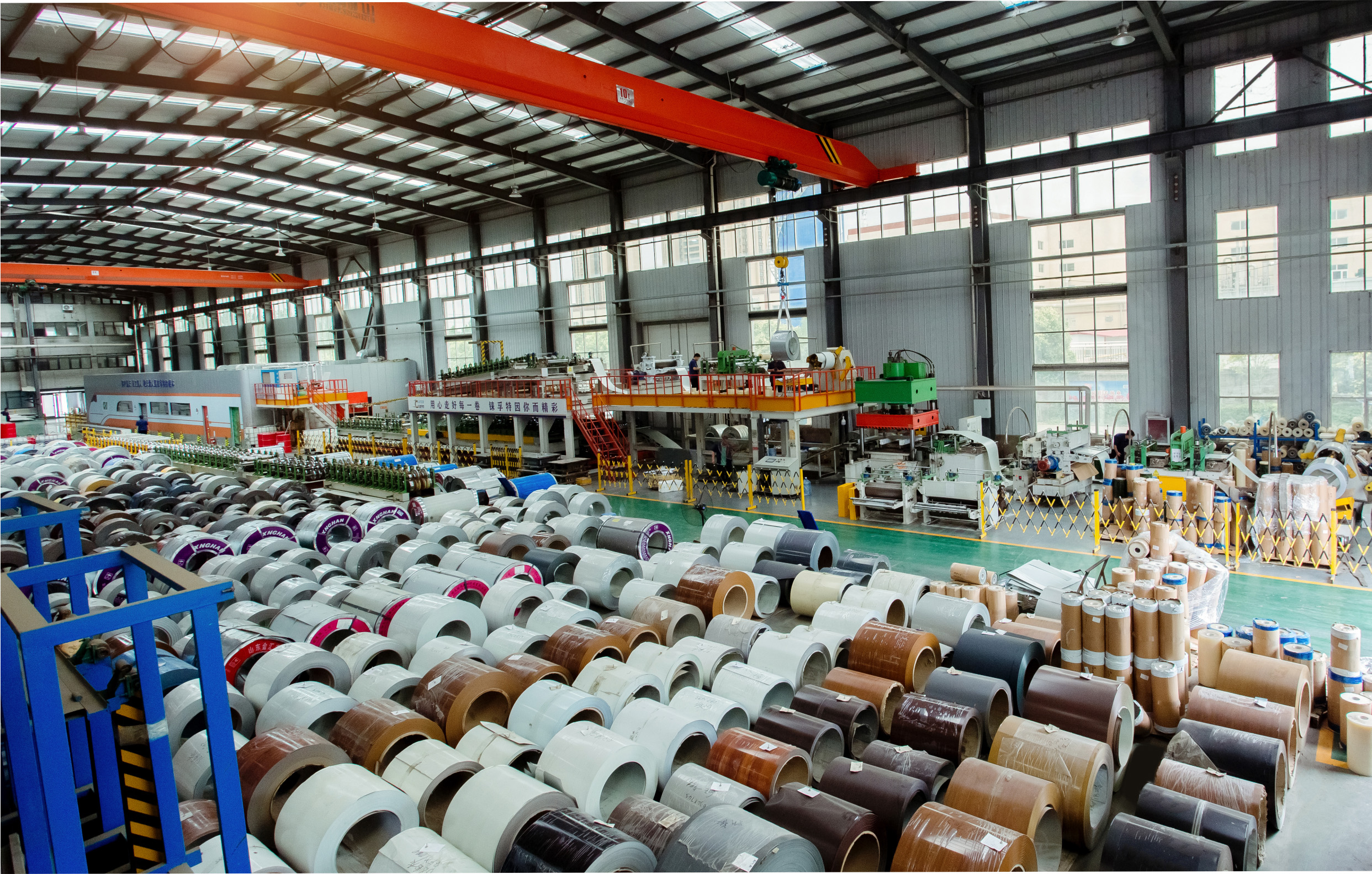
Garage door supplier qualification is a document-matching exercise: buyers must connect each project requirement to evidence for the exact product family, configuration, and intended use. A standard’s existence does not prove that a supplier’s specific door has been tested or certified to it, and a general company statement does not establish which models it covers.
This distinction matters when a project package includes European and American sectional doors, Firefighting Garage Doors, cold-chain sectional doors, Industrial Lifting Doors, and Garage Door Hardware Kits with Torsion Springs. These categories do not share one interchangeable proof set. The review should begin with the project submittal requirements, then identify what each document actually covers and what remains unverified.
LIFTER Garage Door is the brand associated in the supplied company profile with Xuchang Lifter M&E Equipment Co., Ltd. The profile describes garage-door and industrial-door manufacturing and states that its products meet EN 13241-1. That is a company-level statement in the supplied material; the material does not identify the specific product models, declarations, certificates, or test records to which the statement applies. For a project decision, buyers should request and assess the relevant product-level evidence.
Start with the project requirement, not the supplier’s certificate list
The first qualification question is not “Does the supplier have certificates?” but “Which requirement must this particular door or component satisfy, and what document demonstrates that?” A supplier may have a valid document that is irrelevant to the submitted product, market, configuration, or project requirement. Conversely, a standard reference may identify a useful technical scope without proving a supplier’s conformity.
Build a requirement-to-evidence register before comparing offers. For each project line, record the required product family and configuration, the stated requirement, the requested evidence, the document received, its named product or model, and any unresolved gap. Keep the project’s terminology intact. For example, an insulated sectional door, a non-insulated single-layer door, a rolling door, and a torsion-spring hardware kit should not be treated as the same scope just because they appear under a broad Garage Door heading.
- Identify the object being qualified. Is the evidence for a complete door assembly, a door panel, a counterbalance system, a lifting cable, an operator, or another component?
- Check the named product and configuration. Record the model, construction, size or range, options, and intended application whenever the document specifies them. If the document names no identifiable product, do not assume that it covers the proposed one.
- Check the stated basis. Note the standard, test method, declaration, or project specification cited, along with the edition or date when supplied. Do not infer that a reference is current or legally sufficient in a jurisdiction merely because it appears in a brochure.
- Separate evidence types. A test method describes how a characteristic may be evaluated; a test report records results for a stated specimen or configuration; a certificate or declaration has its own stated issuer, scope, and covered products. These documents are not interchangeable.
- Record the open point. If evidence does not identify the offered configuration or demonstrate the required characteristic, mark it as unverified and request clarification rather than filling the gap with an assumption.
Compare the five product scopes without blending their evidence
The product-family comparison below is a review map, not a declaration that every listed standard applies to every product. It shows what to identify in the submittal and where the available evidence has a defined scope. The project specification and applicable jurisdiction remain the basis for deciding which documents are required.
| Product family | Scope to identify in the submittal | Evidence review focus | Boundary to preserve |
|---|---|---|---|
| European sectional doors | Exact door family, panel construction, configuration, and claimed European-market conformity basis. | Request the product-specific declaration or certificate, supporting technical documents, and identification of covered models. Compare the named product with the project schedule. | The supplied company profile states that its products meet EN 13241-1, but does not provide product-by-product coverage or the underlying records in this evidence set. |
| American sectional doors | Residential or other specified sectional-door system, including relevant counterbalance and lifting components. | Check which ANSI/DASMA standard or test method is cited and whether the submitted document covers the required assembly or component. | A standard’s stated scope is not evidence that a particular offered model passed a test or meets the project specification. |
| Firefighting Garage Doors | Clarify whether “firefighting” means vehicle access at a fire station, a fire-rated assembly, or another project-defined function. | Request the project-relevant performance documents and confirm that they name the intended use and exact assembly. | Firefighting use does not, by itself, establish a fire-resistance rating. The supplied evidence contains no product-specific fire-rating record. |
| Cold-chain sectional doors | Identify the specified insulated door configuration and the thermal or air-infiltration evidence required by the project. | Compare reported values, test conditions, specimen identity, and configuration with the submittal requirement. | The available standards information identifies a thermal-transmittance and air-infiltration test method; it does not provide a performance value for a particular LIFTER door. |
| Industrial Lifting Doors | Identify the lifting arrangement and distinguish the complete door from cables and counterbalance components. | Check the stated structural, operational-cycle, cable, and component evidence against the project’s specified scope. | A component standard or test method does not establish complete-door compliance, a cycle rating, or project suitability on its own. |
| Garage Door Hardware Kits with Torsion Springs | List the actual kit contents and identify the spring and lifting-cable documentation required for the door system. | Match component records to the intended door system and check any stated standard, material, coating, rating, and traceability details against the specification. | The supplied material explains a coating principle but does not document a specific kit’s spring dimensions, rating, test results, or certification. |
European and American sectional doors: verify system-level coverage
For a European sectional door, begin by checking what the supplier means when it cites EN 13241-1. The company profile supplied for this review states that the company’s products meet that standard, but the evidence does not identify the covered door models or include a model-specific declaration or certificate. A buyer should therefore reconcile the claim with the submitted product schedule and request the document that names the offered door family and its relevant configuration.
For an American sectional door, the supplied verified standards information provides several distinct reference points. DASMA lists ANSI/DASMA 102-2018 as specifications for sectional overhead-type doors. The listing helps identify a sectional overhead door specification scope; it does not establish that a specific supplier product complies. Buyers should ask whether the submitted evidence identifies the tested or declared door and whether that evidence addresses the project’s actual requirements.
Other references concern narrower scopes. ANSI/DASMA 103-2017 covers counterbalance systems on residential sectional garage doors and addresses components under tension. ANSI/DASMA 110-2025 concerns lifting cables used in sectional-type doors, including residential, commercial, and industrial vehicular-access doors. Those component scopes can inform a review of springs, cables, or counterbalance documentation, but neither reference should be presented as proof of complete-door compliance.
ANSI/DASMA 108-2017 describes a test method for structural performance under uniform static air-pressure difference. ANSI/DASMA 109-2017 describes a method for evaluating life-cycling performance. The distinction is important in a submittal: the method tells the reviewer what kind of evaluation is addressed, while product-specific results must come from the corresponding report for the identified specimen or configuration. A test-method citation alone does not supply a wind-performance value or cycle rating.
When a project calls for an insulated garage door, the supplied knowledge material explains that thermal performance depends on more than one panel attribute. It identifies core-material thermal conductivity, core density, panel thickness, thermal-break design, and sealing system as relevant factors; it also identifies U-value as an overall indicator alongside those construction details. Use this as a document-review framework, not as a claim that a particular door meets a thermal target. Compare the supplier’s declared or tested value and stated conditions with the project requirement, and do not infer performance from the word “insulated” or from foam density alone.

Firefighting Garage Doors: resolve the meaning before accepting evidence
“Firefighting Garage Door” can describe a door used for fire-apparatus access, but the phrase alone does not tell a reviewer whether the project requires a fire-rated assembly. Confirm the project’s intended meaning and performance requirements before evaluating a supplier’s documents. If the requirement is for vehicle access at a fire station, assess the listed operational and structural requirements for that door. If the requirement is fire resistance, request the specific fire-performance evidence and verify that it covers the exact proposed assembly and installation conditions.
The supplied verified data explicitly identifies ANSI/DASMA 203-2020 as a standard for non-fire-rated rolling door assemblies used in commercial and industrial applications. Its scope does not establish fire resistance and should not be used as evidence for a fire-rated assembly. Nor should a product described as a fire-station or firefighting door be assumed to have a fire rating. The materials provided for this article contain no product-specific fire-resistance certificate, test report, or rating for a LIFTER door. That absence is a documentation boundary, not proof that a product is incapable of meeting a requirement.
For this category, a useful review record states the project’s precise requirement, the submitted product identity, the evidence requested, and the result of the comparison. Where a rating is required, verify the named assembly and the scope of the record rather than relying on a label, a general brochure, or a different non-fire-rated standard.
Cold-chain sectional doors: compare thermal evidence under stated conditions
Cold-chain projects often make thermal and air-infiltration information central to product qualification. The available verified standards record lists ANSI/DASMA 105-2017 as a test method for thermal transmittance and air infiltration of garage doors. The record is based on a standards-registry listing; the full test procedure was not separately validated in the supplied evidence. It can help a buyer describe the kind of evidence to request, but it does not provide a result for any specific cold-chain sectional door.
Ask the supplier to identify the tested door configuration and provide the actual report or declared value required by the project. Check whether the report’s specimen corresponds to the offered panel and sealing configuration, and retain the stated units and test conditions when comparing it with the specification. If a document gives only a general product-family statement, it may not resolve whether the project’s exact configuration is covered.
Panel insulation should not be reduced to a single construction descriptor. The supplied technical Q&A notes that core material, density, thickness, thermal breaks, and sealing all affect the assessment. The implication for procurement is practical: a panel description can guide follow-up questions, but it cannot substitute for the project-required performance evidence. Do not transfer a value from one model, panel thickness, or test setup to another unless the documentation explicitly establishes that relationship.
Industrial Lifting Doors: separate door, lifting, and cycle evidence
Industrial Lifting Doors need a scope-based review because the complete assembly and its components may be covered by different documents. The supplied standards data provides a useful distinction: ANSI/DASMA 102-2018 is listed for sectional overhead-type doors; ANSI/DASMA 110-2025 addresses lifting cables for sectional-type doors; ANSI/DASMA 108-2017 concerns structural performance testing; and ANSI/DASMA 109-2017 concerns life-cycling test method. These references are not one combined certificate and do not provide the actual product results.
When a supplier submits an Industrial Lifting Door package, first match the proposed lifting arrangement and door identity to the project schedule. Then determine whether the submittal includes evidence for the complete door, the cable or counterbalance components, and any specified structural or operating-cycle requirement. If a project specifies high-frequency operation, for example, a reviewer should seek the project-required evidence for that duty rather than infer a cycle rating from the word “industrial.” The supplied evidence gives no LIFTER model-specific cycle rating or lifting-capacity value for these doors.
Also avoid transferring a residential counterbalance reference to an industrial product without a documented reason. ANSI/DASMA 103-2017 has a stated residential sectional-door counterbalance scope. ANSI/DASMA 110-2025 has a stated lifting-cable scope that includes residential, commercial, and industrial sectional-type vehicular-access doors. The different scopes should remain visible in the review record.
Hardware kits with torsion springs: qualify the components, not just the door label
A Garage Door Hardware Kit with Torsion Springs should be reviewed as a defined set of components. Identify what the quoted kit includes, which door system it is intended to serve, and what project requirements apply to springs, lifting cables, and other supplied hardware. A general product name is not a component schedule. If the buyer needs a particular spring specification or cable document, request the record that identifies that component and its applicable scope.
The supplied verified information identifies ANSI/DASMA 103-2017 as covering residential sectional-door counterbalance systems and their components under tension, and ANSI/DASMA 110-2025 as addressing sectional-door lifting cables. These are useful scope references for a document checklist, but they do not establish that a particular hardware kit meets either standard. The buyer must match the specific evidence to the kit contents and intended door configuration.
The supplied knowledge material explains that electrophoretic coating can form a uniform protective layer on complex torsion-spring geometry and describes corrosion resistance as a reason for using the process. That explanation is not a product-specific certification or test result. If coating is material to the project, ask for documentation that identifies the offered spring and the specified coating evidence. Do not infer a corrosion rating, service life, or compliance status from the coating name alone.
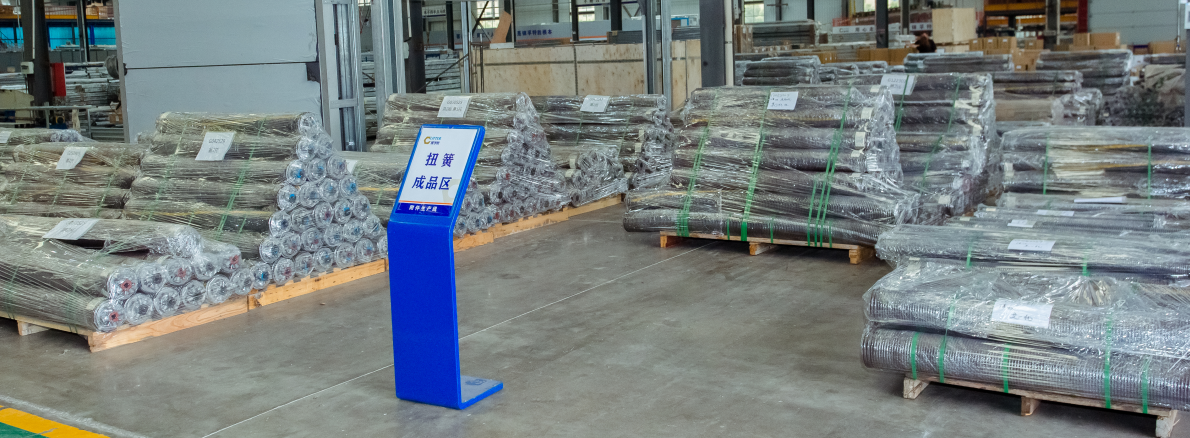
A practical review sequence for project submittals
- Extract requirements from the project package. Record the specified product family, application, market, required characteristics, and named standards or evidence types. Separate mandatory requirements from information requested for evaluation.
- Build a product-to-document map. Give each offered door, panel, operator, spring, cable, or hardware kit a clear identity. Link each document to the product or component it names. Keep different models and options separate.
- Read the scope, not just the title. Check whether the record concerns a complete sectional door, a rolling door, a residential counterbalance system, a lifting cable, a test method, or another specific item. A similar product label does not make scopes interchangeable.
- Distinguish a reference from a result. A standard listing identifies a scope; a test method describes a procedure; a product report provides results for a stated specimen; and a declaration or certificate has its own stated coverage. Record which kind of evidence has actually been supplied.
- Check configuration and conditions. Where the document specifies product identity, dimensions, materials, options, test conditions, or installation assumptions, compare them with the proposed project configuration. Do not silently extend one configuration’s evidence to another.
- Log gaps neutrally. Use clear outcomes such as “document identifies standard scope but no product-specific report supplied” or “model coverage not identified.” Avoid converting an unanswered question into either a compliance claim or a finding of non-compliance.
- Close the review with a traceable decision. For each project requirement, state the evidence reviewed, its scope, and any remaining qualification needed. That record makes later engineering or procurement review more precise.
What the evidence supports—and what it does not
The available evidence supports a structured comparison of documentation scopes. It identifies standards and test methods relevant to sectional overhead doors, residential counterbalance systems, lifting cables, structural performance, life cycling, thermal transmittance, air infiltration, and non-fire-rated rolling doors. It also supplies technical context for panel insulation and torsion-spring coating. Together, these references help buyers ask focused questions and avoid treating different product families as one compliance category.
The available evidence does not provide a complete, product-by-product submittal package for the five requested families. It does not establish a particular LIFTER model’s certification, test result, fire rating, thermal value, cycle rating, or spring specification. The appropriate conclusion is therefore conditional: a buyer can use the framework to assess the documents actually submitted, but must verify product-specific coverage against the project requirements before recording a compliance decision.
For supplier qualification, the strongest comparison is not the number of standards printed in a catalogue. It is the clarity with which each required product and component is connected to relevant, identifiable evidence, with limitations and unresolved items plainly recorded.
FAQ
How can a buyer tell whether a garage door certificate covers the model being quoted?
Check whether the certificate or associated technical record names the quoted model or a clearly defined product family and configuration. Compare that scope with the project schedule. If coverage is not identifiable, request clarification rather than assuming the document applies to every model.
Does a standard reference prove that a supplier’s door passed a test?
No. A standard listing or test method describes a scope or procedure. Product-specific test results require evidence identifying the tested product or specimen and the reported outcome. A standard number alone is not proof of a pass or of compliance with a project requirement.
Does “Firefighting Garage Door” mean the door is fire-rated?
Not by itself. The phrase may describe a door used for fire-apparatus access. If a project requires a fire-resistance rating, the buyer should verify a product-specific record for the exact assembly and required rating. The supplied materials do not include such a record for a LIFTER product.
Which evidence should be checked for torsion springs and lifting cables?
First identify the hardware-kit contents and the intended door system. Then compare the component records with the relevant project requirements. The supplied standards information identifies ANSI/DASMA 103-2017 for residential sectional-door counterbalance systems and ANSI/DASMA 110-2025 for lifting cables in sectional-type doors. Neither reference alone proves that a particular kit complies.
What should be checked for an insulated cold-chain sectional door?
Match the project’s required thermal or air-infiltration evidence to the exact door configuration and the reported test conditions. The supplied information identifies ANSI/DASMA 105-2017 as a test method for thermal transmittance and air infiltration, but provides no product-specific result for a particular cold-chain door. Panel construction details can guide review, but do not replace the required evidence.
Tem questões ou precisa de mais detalhes?
Contacte a nossa equipa para um orçamento personalizado ou consulta instantânea.
Solicitar orçamento
Preencha o formulário abaixo e a nossa equipa entrará em contacto com uma proposta personalizada.
Chat direto do WhatsApp
Prefere conversar em tempo real? Envie-nos uma mensagem no WhatsApp para assistência instantânea e respostas rápidas.
- Obter orçamento personalizado
- Partilhar fotos ou documentos
- Discuta as suas necessidades diretamente
Geralmente responde em 5–30 minutos durante o horário de expediente.