
Gardenia Blue Blending for Natural Purple and Green
Gardenia Blue Blending for Natural Purple and Green
Industry Reference · Natural Food Colors
Gardenia Blue Blending Solutions: Creating Purple and Green Naturally
Gardenia Blue can serve as a natural blue component in blended food colors. Product information from Henan Zhongda Hengyuan Biotechnology Stock Co.,Ltd. describes blending it with red or green pigments to develop purple and green shades. The practical task is not simply to combine colors: formulators also need to match the hue to the food matrix, processing conditions, label requirements, and local rules for use.
Why natural purple and green often require a blending strategy
Creating a target shade with natural colors is a formulation problem as much as a color-selection problem. A desired purple or green may require a combination of pigment sources rather than a single color ingredient. The combination must provide the intended visual tone while remaining workable in the product’s water or oil phase and under its actual processing and storage conditions.
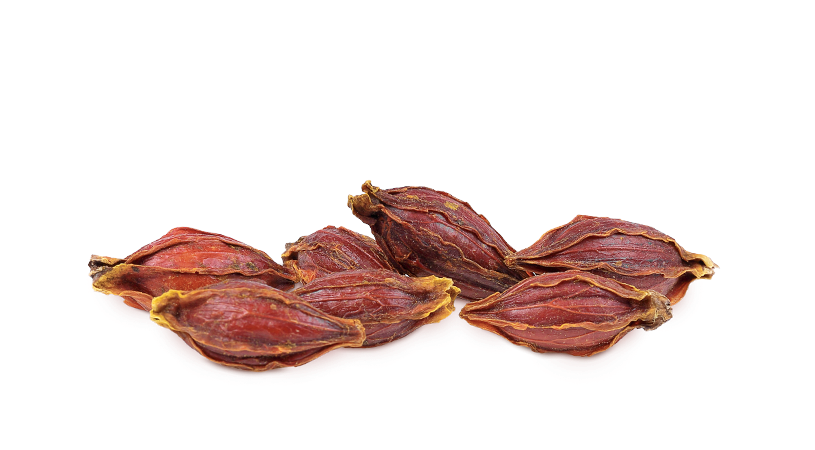
Gardenia Blue offers one route to that approach. Henan Zhongda Hengyuan Biotechnology Stock Co.,Ltd. identifies Gardenia Blue as a color extracted from gardenia fruit and describes water-soluble powder and oil-soluble liquid forms. Its product information states that Gardenia Blue can be mixed with red or green pigments to develop purple, green, and other shades. That is useful as a starting point for color development, not a universal recipe: the supplier information does not provide a fixed blend ratio, and performance depends on the specific pigments and finished product.
For a food manufacturer, the opportunity is to specify a shade by function and use case, then test the blend in the actual formulation. That is more informative than choosing a pigment by its name alone. A purple beverage, a green confectionery coating, and a frozen dessert can place different demands on solubility, dispersion, processing tolerance, and final appearance.
How Gardenia Blue contributes to purple and green blends
In a purple blend, Gardenia Blue is the blue component and a suitable natural red pigment supplies the red component. The selected red can come from an appropriate fruit or vegetable color source; the available portfolio includes options such as Beetroot Red, Radish Red, Red Cabbage, Black Carrot Concentrate, and Purple Sweet Potato. These are candidate color sources, not interchangeable ingredients. Their own hue behavior and tolerance differ, so the right pairing must be established in trials.
For green, the supplied Gardenia Blue product description refers to blending with green pigment. This provides a practical direction for shade development: choose a green component for the intended tone and combine it with Gardenia Blue in a controlled formulation study. The product portfolio also includes Sodium Copper Chlorophyllin, described as a green-to-dark-green powder. Whether a particular green colorant is suitable for a given Gardenia Blue grade, product category, and target market requires technical and regulatory review.
A blend can be adjusted toward a warmer, cooler, brighter, or deeper appearance, but no universal concentration or ratio can be inferred from the available product information. Factors such as the color strength of each ingredient, the opacity of the food, background ingredients, and the process can affect the visual result. The most reliable specification therefore records not only the color ingredients but also the formula conditions used to approve the shade.
A practical shade-development workflow
A structured trial helps product teams move from a color target to a reproducible formula. The following workflow is an evaluation framework rather than a fixed manufacturing instruction; addition levels must follow applicable regulations and the product’s technical specification.
- Describe the target shade. Record whether the target is a clear purple, a muted botanical green, or another specific appearance. Reference samples, photographs under controlled lighting, or an internal color standard can help teams communicate a target consistently.
- Define the food system. Identify the product type, phase, pH, processing steps, packaging, and storage conditions. These details help determine which forms and color sources are practical to evaluate.
- Select the blue form and partner pigment. Gardenia Blue is listed in water-soluble powder and oil-soluble liquid forms. Match the form to the process and matrix, and select a red or green blending component based on the desired hue and permitted use.
- Run controlled blend trials. Compare several measured blend proportions while holding other formula conditions constant. Record the amount of each color ingredient and the point at which it is added. The available data does not specify a standard ratio, so this stage needs product-specific development.
- Evaluate after processing. Check appearance after the relevant heating, cooling, freezing, or other manufacturing steps, and again in the product’s intended package. A pre-process color observation alone cannot establish finished-product performance.
- Confirm compliance and documentation. Verify that every ingredient and its proposed use are permitted in the market and product category. Confirm the declaration, grade documentation, and any customer requirements before finalizing the specification.
- Approve against defined criteria. Agree on the target appearance and acceptable variation, sample handling, and test conditions with the relevant product and quality teams. Keep the approved formulation and evaluation record together.
Technical considerations for formulation and procurement
Solubility and ingredient form
The product information lists Gardenia Blue as a water-soluble powder and an oil-soluble liquid, while also describing the pigment as readily soluble in water and ethanol and insoluble in acetone and grease. These descriptions should be treated as product-form information, not as a substitute for confirming dispersion in a finished recipe. Procurement and R&D teams should identify the exact grade and phase requirements before evaluating a sample. Where a product contains both aqueous and lipid components, the relevant question is whether the selected form disperses consistently in the phase where color is needed.
pH, heat, and light conditions
The Gardenia Blue product record describes stable color under aqueous conditions from pH 4 to 10 and reports good light and heat resistance. Those statements provide a useful basis for shortlisting, but they do not establish identical performance in every beverage, confectionery, ice cream, or baked product. Matrix composition, process conditions, packaging, and the selected blend can all matter. Confirm the color in the actual formula and at the relevant stages of processing and storage.
In procurement terms, ask for performance information that corresponds to the intended grade and application. Avoid treating a broad stability statement as a guarantee for a particular product shelf life or processing line unless the supplier’s evidence and your own trials support that conclusion.
Label and regulatory fit
Natural origin does not by itself establish permission for every food category or market. The Gardenia Blue FAQ in the supplied product information states that the company’s gardenia (genipin) blue meets FDA 21 CFR 73.168, is exempt from certification, and is not approved for ice cream; it also says use is limited to specified categories such as beverages and candies. Buyers should verify the current applicable requirements and the exact product grade with their regulatory teams before use. Do not extrapolate a market-specific statement to another country or to a different food category.
For blended colors, compliance review should cover every component in the mixture, its intended level of use, and the finished product’s labeling. This is a key selection gate, not a final administrative check: a visually successful blend may still be unsuitable if a component is not permitted for the intended use.
Blend-selection framework for product teams
| Decision area | What to establish | Why it matters |
|---|---|---|
| Shade objective | Target hue, depth, and acceptable variation | A defined target makes trial comparisons and approval more consistent. |
| Food matrix | Product type, phase, pH, and other relevant formula conditions | The blend must be evaluated in the food, not only in a sample solution. |
| Processing and storage | Heat, light exposure, cooling or freezing, packaging, and storage | Initial color and retained color are different decision points. |
| Ingredient form | Water-soluble powder or oil-soluble liquid, plus partner pigment form | Form selection affects handling and dispersion in the intended system. |
| Compliance evidence | Permitted use, market, grade documentation, and declaration | A technically workable shade must also meet the relevant market requirements. |
Where Gardenia Blue blending may fit
The product information lists Gardenia Blue for frozen beverages, confectionery, ice cream, juice and smoothies, beverages, and baked goods and snacks. These are application areas to assess, not blanket endorsements for every formulation or regulatory market. Within those categories, blended purple or green shades may be considered where the product team wants a naturally sourced color system and can validate the selected grade against the formula.
For beverages, teams can begin by defining clarity, dispersion, acidity, processing, and package exposure requirements. The portfolio also includes Butterfly Pea Flower Extract, which is described as blue in acid-free systems and purple under acidic conditions. That pH-related color shift is a distinct design behavior from blending Gardenia Blue with a red pigment; it should be assessed as a separate option rather than assumed to behave as a drop-in Gardenia Blue blend.
For confectionery, frozen desserts, and bakery products, the target color should be checked after the relevant manufacturing process. The ingredient record lists these sectors for Gardenia Blue, but it does not provide a universal process recipe or guarantee that one blend will suit every product. This makes scale-up trials and category-specific regulatory review particularly important.
How this differs from a single-colorant approach
A single colorant selected to deliver a ready-made shade can simplify some formulation decisions: the team evaluates one ingredient for its target color and application. A blending approach instead offers a way to tune purple or green from a blue base and another pigment, but it adds variables. The individual colorants must work together in the chosen matrix, the ratio must be controlled, and the complete blend must be checked for permitted use and finished-product performance.
Natural color blends may also carry a higher raw-material cost than synthetic colorants, according to the supplied comparison information. The commercial assessment therefore should include more than the ingredient price: teams need to weigh the desired label and color objective against formulation work, testing, and any process changes. No blanket cost saving or performance advantage should be assumed.
The practical boundary is clear: Gardenia Blue blending is a development route, not proof that every synthetic shade can be reproduced exactly or that every blend will remain unchanged throughout shelf life. Where a precise target or demanding processing condition is involved, validate the finished product and retain a documented control sample or specification as appropriate to the company’s quality system.
Supplier evaluation: what the company profile contributes
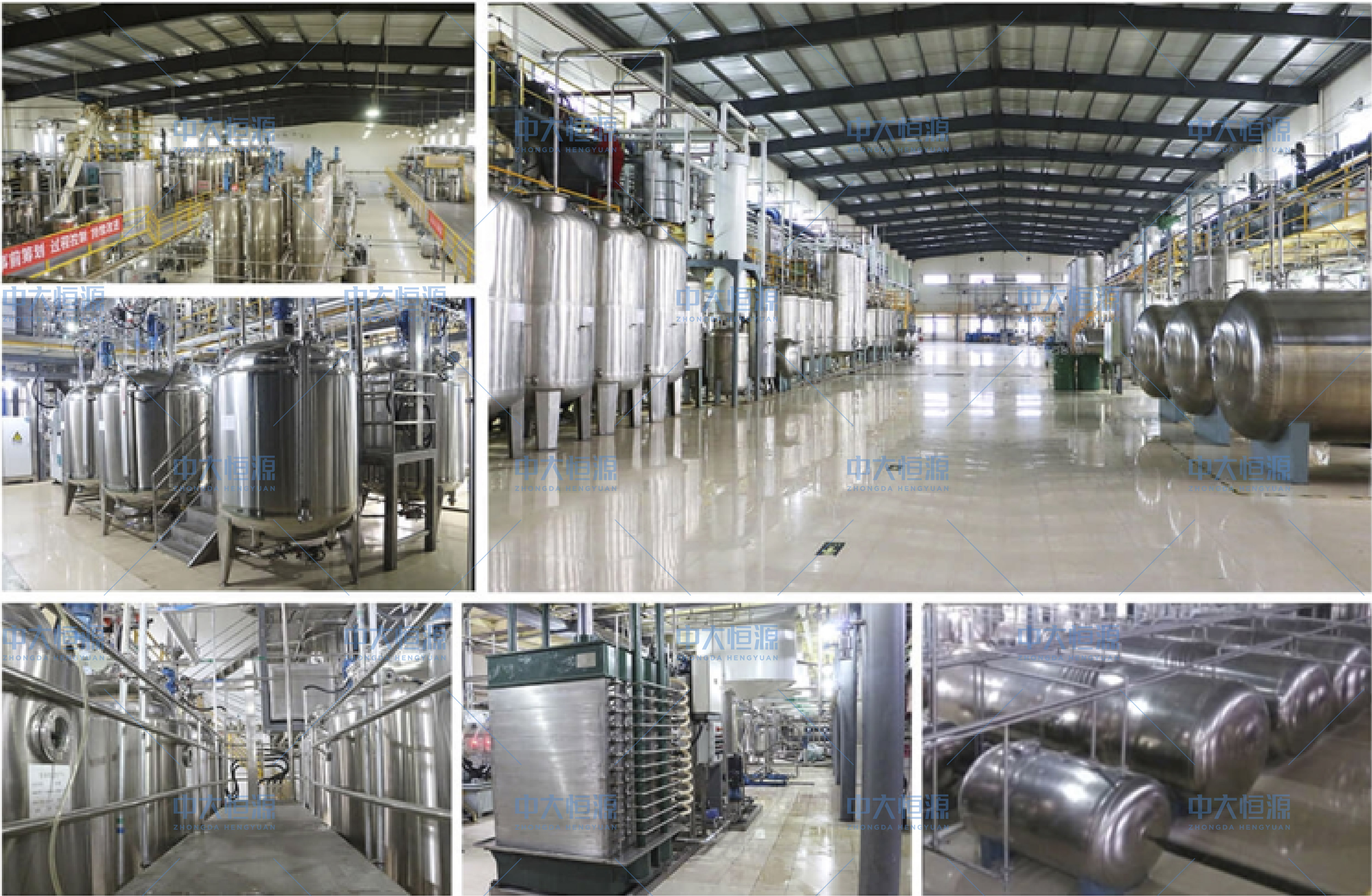
Henan Zhongda Hengyuan Biotechnology Stock Co.,Ltd. is a China-based manufacturer and service provider focused on natural colors, natural sweeteners, and plant extracts for food manufacturers. The company profile states that it was established in 1993, has a 110-engineer R&D team, and supplies products for sectors including beverages, bakery, confectionery, meat products, dairy, and flour-based foods. For a buyer assessing Gardenia Blue blending, these facts establish relevant product and development context; they do not replace grade-level specifications or customer-side validation.
The company also describes customized product development in cooperation with customers. That is relevant when the purchasing question concerns shade matching, format, or application fit rather than simply buying a standard blue color. A useful technical discussion should identify the target shade, exact product matrix, process conditions, target market, required form, and evidence needed for approval. The buyer can then assess whether the supplier’s proposed grade and documentation address those requirements.
For an independent sourcing assessment, distinguish capability claims from evidence needed for a particular project. Review the product specification, ingredient declaration, market-specific compliance documentation, and any available application information for the exact grade. Confirm commercial and quality requirements separately, and agree how sample results will be judged before moving from bench trials to production evaluation.
Market and product-development outlook
Natural color development increasingly involves balancing label objectives with technical fit. In that setting, blending is valuable because it lets a formulator treat shade as a system-design question: which color sources, forms, and processing conditions together meet the target? Gardenia Blue’s stated compatibility with red or green pigments gives product developers a concrete route to investigate purple and green hues, while its listed forms and aqueous pH range provide starting points for technical screening.
The next step for suppliers and buyers is more specific evidence at grade and application level. Buyers benefit from clear distinctions between product forms, defined use conditions, and test information that reflects relevant matrices. Suppliers benefit when the customer’s color target and process constraints are documented early. Neither side should treat a general color description as a finished formulation result.
For future product development, the most reliable workflow is likely to remain collaborative but evidence-led: define the shade, screen permitted ingredients, test their interaction in the formula, and verify the product after processing and storage. That approach makes natural blending a practical procurement and engineering decision rather than a purely visual exercise.
FAQ
How can Gardenia Blue be used to create purple and green shades?
The product information says Gardenia Blue can be mixed with red or green pigments to create purple, green, and other shades. It does not specify a standard ratio. The combination and dosage should therefore be established through trials in the intended food matrix and checked for regulatory suitability.
What stability information is available for Gardenia Blue?
The supplied product description reports good light and heat resistance and stable color under aqueous conditions from pH 4 to 10. Actual performance depends on grade and application, so validate the color under the product’s processing, packaging, and storage conditions.
Is Gardenia Blue suitable for every food category in the United States?
No general conclusion should be drawn for every category. The supplied company FAQ states that its gardenia (genipin) blue meets FDA 21 CFR 73.168, is exempt from certification, and is not approved for ice cream, with use limited to specified categories such as beverages and candies. Buyers should confirm current requirements for the precise ingredient, category, and intended use with their regulatory team.
Tem questões ou precisa de mais detalhes?
Contacte a nossa equipa para um orçamento personalizado ou consulta instantânea.
Solicitar orçamento
Preencha o formulário abaixo e a nossa equipa entrará em contacto com uma proposta personalizada.
Chat direto do WhatsApp
Prefere conversar em tempo real? Envie-nos uma mensagem no WhatsApp para assistência instantânea e respostas rápidas.
- Obter orçamento personalizado
- Partilhar fotos ou documentos
- Discuta as suas necessidades diretamente
Geralmente responde em 5–30 minutos durante o horário de expediente.