
Expansão Estratégica da Geakita em Robótica de Limpeza Comercial: Um Mergulho Profundo no Posicionamento no Mercado, Competências Fundamentais e Impacto na Indústria
From Power Tools to Autonomous Cleaning: Geakita Charts a New Course in Commercial Robotics
The global commercial cleaning industry is undergoing a profound transformation. Labor shortages, rising operational costs, and an intensified focus on hygiene standards, accelerated by post-pandemic realities, are driving unprecedented demand for automation. According to a recent report by Interact Analysis, the market for professional service robots, including commercial cleaning robots, is projected to grow at a CAGR of over 25% through 2028. In this high-stakes arena, a new contender is leveraging deep-rooted manufacturing prowess to make a significant impact: Geakita (Tiangong Kaiwu).
Historically recognized as a top-tier Chinese manufacturer of professional power tools, Geakita is executing a strategic pivot. By channeling over a decade of expertise in precision engineering, motor technology, and robust supply chain management into the intelligent robotics sector, the company is emerging as a formidable player in the commercial floor cleaning robot market. This analysis positions Geakita within the competitive landscape, benchmarking it against established leaders while highlighting its unique value proposition derived from its industrial DNA.
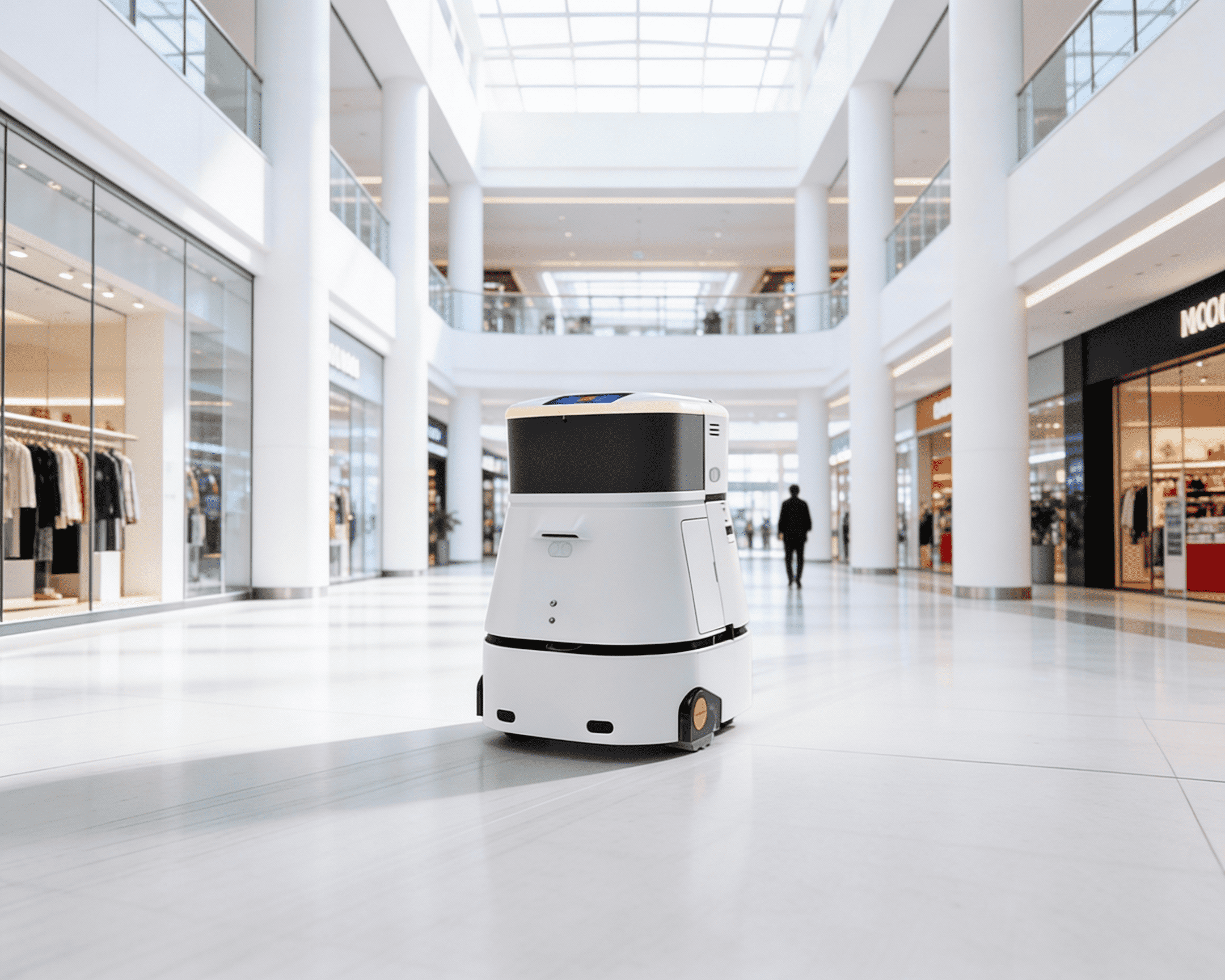
Geakita's commercial cleaning robots are designed for high-traffic environments like shopping malls, offering efficient and consistent cleaning performance.
The Competitive Landscape: Benchmarking Geakita Against Industry Titans
The market for industrial cleaning robots and commercial scrubber dryer robots is dominated by several well-established international players. Companies like Tennant (with its T7AMR and Neo), ICE Robotics, and Karcher have set high standards for performance and reliability. These giants often focus on large-scale, high-throughput machines for vast spaces like airports and mega-warehouses.
In contrast, Geakita enters the fray with a distinct strategy. Rather than competing solely in the premium, high-capacity segment, Geakita leverages its scalable manufacturing and cost-optimization capabilities to deliver high-performance robots that offer exceptional value. This positions them strongly in the mid-market segment, catering to a broad range of facilities including warehouse cleaning robot, factory floor cleaning robot, hotel cleaning robot, and school cleaning robot applications. Compared to some Western counterparts, Geakita's solutions can offer comparable core functionality—such as autonomous navigation, scrubbing, and drying—at a potentially lower total cost of ownership, making automation accessible to a wider array of businesses.
Deconstructing Geakita's Core Competencies: The Engine Behind the Robot
Geakita’s foray into robotics is not a mere diversification; it is a logical extension of its core competencies. The company's competitive edge is built on four interconnected pillars.
1. Deep-Rooted R&D and Precision Engineering
The heart of any cleaning robot lies in its powertrain and energy system—areas where Geakita’s power tool heritage provides a decisive advantage. The company operates a proprietary 2,000 m² R&D laboratory focusing on motor design, battery management systems (BMS), and structural engineering.
- Attribute (F): Proprietary brushless motor technology and advanced torque control algorithms developed in-house.
- Advantage (A): This translates to higher energy efficiency, longer motor life, and consistent cleaning power even under load, crucial for a commercial vacuum cleaning robot tackling varied debris.
- Benefit (B): Clients experience lower energy costs, reduced maintenance downtime, and reliable performance over extended periods. For instance, in a pilot deployment at a manufacturing facility, Geakita's factory floor cleaning robot demonstrated a 15% improvement in energy efficiency per cleaning cycle compared to a previous generation model, as per internal validation data.
2. Vertically Integrated, Automated Manufacturing
Scale and quality control are critical in robotics. Geakita’s modern production base, spanning 40,000 m², is a testament to its manufacturing muscle. With over 20,000 m² of fully automated workshops integrated with MES/WMS systems, the company ensures traceability and consistency from component to finished robot.
- Attribute (F): In-house SMT lines, automated battery pack assembly, and precision injection molding for robot chassis and components.
- Advantage (A): Tight control over the entire supply chain reduces dependency on external suppliers, mitigates quality risks, and enables rapid design iterations and cost optimization.
- Benefit (B): This results in shorter lead times, more competitive pricing, and the ability to provide reliable aftersales support with genuine parts. For a logistics company deploying a warehouse cleaning robot fleet, this means predictable procurement and maintenance scheduling.
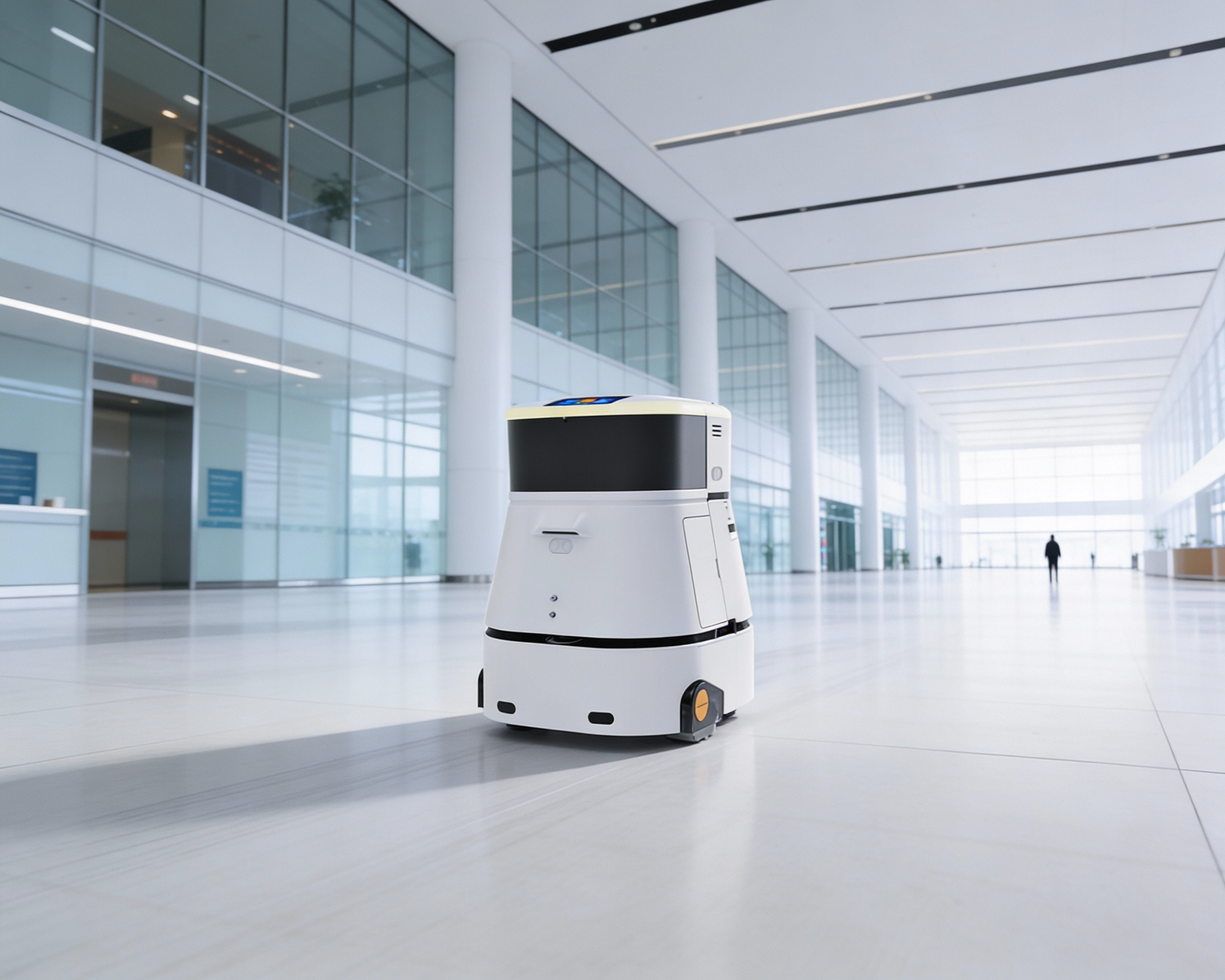
Geakita's autonomous scrubbers are engineered for large, complex spaces like warehouses, ensuring thorough cleaning without disrupting operations.
3. Scenario-Based Solutions for Diverse Commercial Needs
Geakita understands that a one-size-fits-all approach fails in the diverse world of commercial cleaning. The company develops tailored solutions for specific environments.
- For Healthcare: A hospital cleaning robot requires quiet operation, HEPA-level filtration, and protocols for sensitive areas. Geakita integrates specialized filtration systems and "quiet mode" navigation.
- For Retail & Hospitality: A mall cleaning robot or hotel cleaning robot must operate safely around pedestrians, often at night. Geakita employs advanced LiDAR and 3D vision sensors for superior obstacle detection and dynamic path planning.
- For Food Service: A restaurant kitchen cleaning robot needs to handle greasy residues and frequent wash-downs. Geakita designs models with enhanced water resistance (high IP ratings) and chemical-resistant components.
This application-focused R&D is evidenced by the company's portfolio of 16 invention patents and 25 utility model patents, many pertaining to adaptive cleaning mechanisms and intelligent navigation.
4. Global Compliance and Quality Assurance
To compete on the global stage, compliance is non-negotiable. Geakita holds ISO 9001 (Quality), ISO 14001 (Environmental), and ISO 45001 (Safety) management system certifications. Its products are designed to meet or exceed key international standards including CE, UKCA, RoHS, and UL/ETL for relevant markets. This rigorous approach to compliance provides global distributors and end-users with the confidence that Geakita's commercial sweeping robots and scrubbers are safe, reliable, and built to last.
Case in Point: Geakita in Action
A regional distribution center for a major e-commerce player faced challenges with nightly cleaning of its 50,000 m² facility. Manual cleaning was slow, inconsistent, and contributed to high labor turnover. They deployed a fleet of Geakita commercial scrubber dryer robots.
- Client Type: Third-Party Logistics (3PL) Provider.
- Core Problem: Inefficient nightly cleaning causing operational delays and high labor costs.
- Geakita Solution: Implementation of autonomous robots with integrated scrubbing, drying, and vacuuming functions, programmed to clean during off-hours.
- Actual Outcome: According to the client's operational report, the cleaning cycle time was reduced by 40%, labor costs for cleaning were cut by approximately 60%, and floor cleanliness metrics (measured by periodic audits) improved by 35%. The robots' reliable performance led to a partnership extension for two additional facilities.
The Road Ahead: Integration and Intelligence
The future of commercial cleaning robots lies in deeper integration with Building Management Systems (BMS) and the Internet of Things (IoT). Geakita is actively investing in cloud-based fleet management platforms that allow facility managers to monitor, schedule, and optimize entire robot fleets from a single dashboard. The next evolution will see robots not just cleaning, but collecting data on space utilization, foot traffic, and even air quality, transforming them from cost centers into intelligent data hubs for facility operations.
As the demand for airport cleaning robot, supermarket cleaning robot, and office cleaning robot solutions continues to surge, manufacturers that combine robust hardware, intelligent software, and scalable manufacturing will lead. Geakita, with its solid foundation in industrial manufacturing and a clear vision for intelligent automation, is strategically positioned to be a key enabler in this global shift towards smarter, more efficient commercial cleaning.
Connect with Geakita
For businesses exploring automation to enhance cleaning efficiency, reduce costs, and improve hygiene standards, Geakita offers a compelling blend of performance, reliability, and value.
To learn more about Geakita's range of commercial cleaning robots, visit their official website: www.gearpioneer.com.
Contact Information:
Tel/WhatsApp: +86 135 9954 5996
Email: Flora@gearpioneer.com
Address: 22A, Office Building B, Shenglong Times Square, Longhua District, Shenzhen, China