
Gel Ice Packs in Cold Chain: A Technical Buyer's Overview
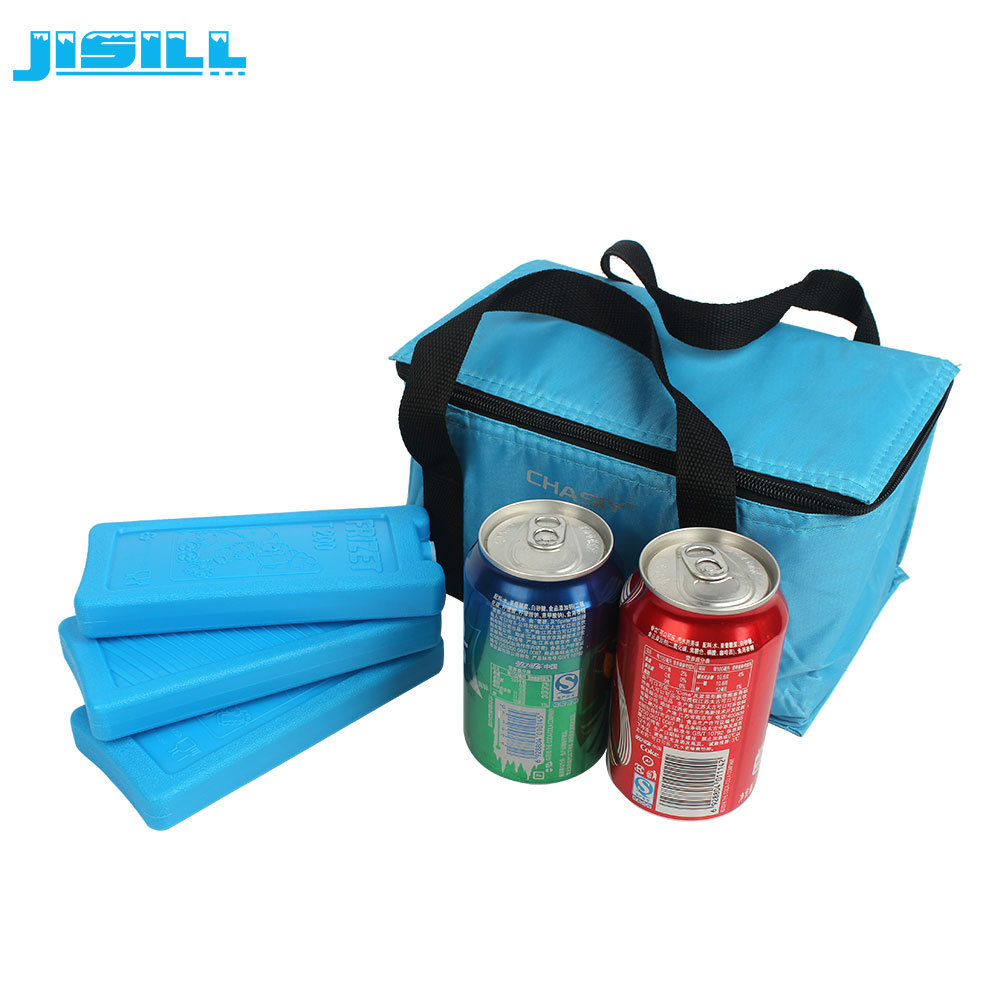
Gel ice packs are widely deployed in cold chain logistics for passive temperature maintenance.
Introduction: Why Gel Ice Packs Matter in Cold Chain
Gel ice packs are a core component of modern cold chain packaging, providing portable, reusable temperature control for food, pharmaceuticals, and medical supplies. For procurement teams, understanding how these products are engineered, certified, and deployed is essential before selecting a manufacturing partner. This article is a technical and market overview of gel ice packs, grounded in the product capabilities of Changzhou Jisi Cold Chain Technology Co., Ltd.
Cold chain logistics depends on maintaining specific temperature ranges during transit. When active refrigeration is unavailable or impractical, passive cooling solutions such as gel ice packs, phase change material (PCM) ice plates, and vacuum insulation panels (VIPs) become the primary mechanism for temperature stability. The choice of cargo—whether vaccine doses, breast milk, fresh produce, or frozen food—determines which type of pack is appropriate, making specification knowledge a critical purchasing skill.
Problem and Opportunity: Temperature Integrity Without Active Cooling
The central challenge in cold chain transport is temperature excursion—the period during which a product leaves its required thermal range. For temperature-sensitive goods such as vaccines, biologics, and clinical trial materials, even short excursions can compromise efficacy. Passive cooling systems address this by storing thermal energy in a medium that releases it gradually, but their effectiveness depends on three factors: the phase of the cooling medium, the insulation of the container, and the ambient temperature during transit.
This creates both a challenge and an opportunity for buyers. On one hand, selecting the wrong pack type can lead to product loss and regulatory non-compliance. On the other, advances in phase change materials and food-grade gels have made passive cooling far more predictable than traditional ice or water bricks. Procurement teams that understand the distinctions can reduce waste, improve compliance, and lower total cold chain operating costs.
Brand Solution: Jisi Cold Chain's Product System
Changzhou Jisi Cold Chain Technology Co., Ltd. is a manufacturer based in China that specializes in gel ice packs, phase change material (PCM) ice packs, cooler boxes, and vacuum insulation panel (VIP) panels. Established in 2013, the company operates from a 40,000 m² facility and employs a workforce of approximately 60 staff, with a dedicated research and development team of 4 engineers. The company serves markets in North America, South America, Western Europe, Eastern Europe, Eastern Asia, and Southeast Asia, with products designed for cold chain transportation and temperature-controlled packaging applications.
Jisi's product range spans multiple formats and temperature requirements. The company produces phase change material ice plates with a variety of temperature specifications, including -30°C, -25°C, -15°C, -10°C, -5°C, 0°C, 2–8°C, 18°C, and 23°C, which can meet the refrigerated transportation needs of ice cream, food, vaccines, and pharmaceuticals. The core material of its cooler boxes is made of PU or VPU panels, which, when paired with PCM ice plates, can achieve cold durations of 12, 24, 48, 72, 96, and even 120 hours.
All materials used in Jisi's gel ice packs—outer materials such as HDPE and inner liquids such as SAP or CMC—are non-toxic and food-grade. The company holds FDA, SGS, and MSDS reports, and its products carry certifications including FDA, SGS, MSDS, CPSIA, CE, LFGB, and Regulation (EU) No. 10/2011 where applicable. This certification set supports export to both North American and European markets, which is particularly important for health and medicine applications.
Technical Explanation: How Gel Ice Packs and PCM Plates Work
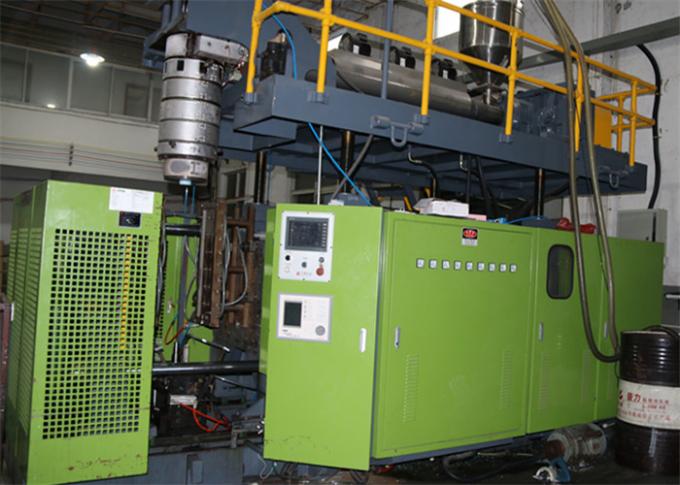
The plastic shell of a gel ice pack is produced via blow molding or injection molding, depending on the design.
A gel ice pack is a sealed container filled with a cooling substance that absorbs heat as it thaws. Jisi's gel ice packs typically use an outer shell made of food-grade HDPE, a rigid plastic that resists puncturing and is safe for contact with food. The inner liquid may be SAP, CMC, cooling gel, or a phase change material (PCM), depending on the target temperature range and the intended use case.
Phase change materials are a more advanced category. A PCM absorbs and releases thermal energy at a fixed, predictable temperature, enabling tighter control over the environment inside a cooler. For example, a PCM ice plate rated at 2–8°C is designed to hold that range for long periods, making it suitable for vaccines and pharmaceuticals. In contrast, standard gel packs are often used for general food chilling and have broader temperature curves.
Several models in the Jisi product line illustrate this diversity:
| Model | Type | Outer Material | Inner Material | Dimensions | Weight / Capacity |
|---|---|---|---|---|---|
| BH091 | PCM Ice Cooler Brick | Environmental HDPE | SAP CMC | 38.5 x 20 x 2 cm | 1200 g |
| BH047 | Ice Cooler Brick | Food Grade HDPE | Cooling Gel | 23.5 x 19.5 x 3 cm | 1000 g |
| BH162 | Nylon Cooler PCM Gel Pack | Nylon PE | PCM | 18.6 x 10.3 cm / 22.5 x 13.5 cm | 250 ml / 500 ml |
| BH050 | Fan Ice Pack | Food Grade HDPE | Cooling Gel | 16.5 x 10.2 x 3 cm | 350 g / 350 ml |
| BH004 | Breast Milk Ice Pack | Food Grade HDPE | Cooling Gel | 21 x 10 x 5.2 cm | — |
The BH091 is a food-grade PCM Ice Cooler Brick designed for outdoor frozen use at -22°C, with a size of 38.5 x 20 x 2 cm and a net weight of 1200 g. The BH047 is a reusable Ice Cooler Brick with a 1000 g weight and dimensions of 23.5 x 19.5 x 3 cm, filled with cooling gel. The BH162 is a portable, reusable nylon cooler PCM gel ice pack available in two capacities (250 ml and 500 ml), with the outer material made of Nylon PE and the inner material of PCM. These models illustrate how a manufacturer can offer both standard gel packs and precision PCM solutions under one roof.
Application Scenarios: Matching the Pack to the Job
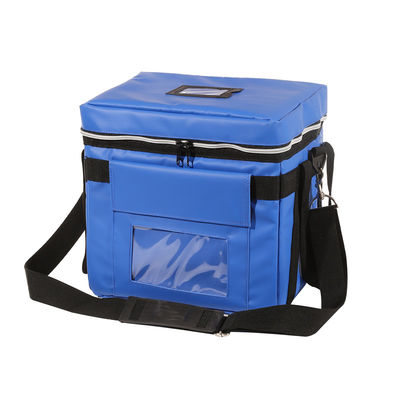
Portable vaccine carrier boxes pair with PCM ice plates for medical cold chain use.
Gel ice packs and PCM plates are deployed across a range of cold chain scenarios, from large-scale industrial shipping to consumer health products. The application scenario documented for Jisi's product line includes temperature control packaging and cold chain logistics, where the packs are used with insulated containers and cooler bags. The required function is to maintain temperature via passive cooling, with an emphasis on on-demand use, food-grade safety, and reusability.
Specific scenarios mapped to Jisi products include:
- Food keep fresh: Models such as BH047 and BH004 are designed for food freshness in cold chain transportation, suitable for fresh produce and dairy.
- Ice cream and frozen food: The BH050 Fan Ice Pack is specifically designed for food frozen scenarios, such as in ice cream carts, with a 350 ml capacity and a hard HDPE shell that resists repeated freezing.
- Vaccine and pharmaceutical transport: Jisi's medical cool boxes, such as the JS-42L model, use PU plus vacuum insulation panels with a thermal conductivity below 0.0025 W/m·K, designed to maintain 2–8°C for vaccine delivery. The BWX003 collapsible VIP cooler box offers 2–8°C and -30–0°C ranges with cold times of 48 or 72 hours.
- Breast milk storage: The BH004 Breast Milk Ice Pack is a 21 x 10 x 5.2 cm gel ice pack designed for food keep fresh scenarios, appealing to both consumer and medical supply channels.
- Cooler bags and lunch boxes: Ultra-thin models, such as the BH073 at 18.5 x 17.5 x 1.2 cm, are optimized for cooler bags, wine, and lunch boxes where low profile and light weight matter.
According to the application scenario records, this type of use is common in countries across Europe, Asia, North America, South America, and other regions, making product specification critical for cross-border procurement. Buyers in health and medicine verticals should prioritize packs with documented certifications, a defined temperature curve, and a manufacturer who can supply documentation for regulatory review.
Market Trends: Data and Direction
Market data supports the growing importance of gel ice packs in global cold chain logistics. According to Market Research Future, the global reusable icepacks market was valued at approximately USD 1.962 billion in 2024, with expectations to reach USD 2.862 billion by 2035. The Business Research Company reports that the global gel ice pack market reached USD 14.56 billion in 2025, driven significantly by chronic pain management and pharmaceutical cold chain demands. These numbers reflect the increasingly central role that passive thermal management plays across industries.
In the specialized area of vaccine logistics, the vaccine storage equipment market—which includes cold boxes and carriers—is projected to grow from USD 0.86 billion in 2024 to USD 1.21 billion by 2029, according to MarketsandMarkets. Additionally, the Phase Change Material (PCM) pack market was valued at USD 476 million in 2025, growing at a CAGR of 4.5%, due to demand for precise thermal management in biologics, as reported by Intel Market Research. For sourcing professionals, this signals sustained growth in demand for higher-spec products, not just commodity ice bricks.
China plays a central manufacturing role in this landscape. According to Dataintelo, China accounts for over 11.2% of global gel ice pack revenues as of 2025, serving as a primary manufacturing hub for export to North America and Europe. This concentration means that buyers engaging Chinese manufacturers need to evaluate technical capability, certification depth, and production capacity more carefully than in regions with less manufacturing density.
Comparison: Gel Ice Packs vs. Traditional Solutions
Traditional cold chain cooling methods include water ice, crushed ice, and simple frozen gel bricks. Water ice is inexpensive but has several drawbacks: it melts quickly, creates water damage, adds significant weight, and offers limited temperature precision. Simple frozen gel bricks are an improvement in terms of reusability and leak resistance, but they are still not designed for precise temperature maintenance in sensitive medical shipments.
Gel ice packs and PCM plates offer a more controlled approach. PCM plates in particular are engineered to hold a specific transition temperature—such as 2–8°C for vaccines—making them more suitable for pharmaceuticals and biologics. For food logistics, gel packs with food-grade HDPE shells and SAP or CMC interiors provide a safe, reusable option that can be manufactured in a variety of shapes and capacities.
One honest limitation of all passive cooling products, including gel ice packs and PCM plates, is that they depend on the quality of the surrounding insulation and the ambient temperature. A passive pack cannot actively regulate temperature; it simply releases cold energy over time. If the cooler box is poorly insulated, or the pack is under-sized for the journey duration, temperature integrity will fail. Buyers must therefore design the full system—pack, box, and packing density—rather than selecting only one component.
Future Outlook: Precision, Reusability, and Sustainability
Looking forward, the cold chain industry is likely to increase its reliance on precision temperature control platforms, especially for biologics, personalized medicine, and clinical trial shipments. Regulatory frameworks such as WHO PQS performance specification E004/VC01.2, which defines standards for vaccine carriers and cold boxes, will continue to push buyers toward verifiable cold-life durations and documented performance. As a result, PУM-based products are expected to gain further share in the health and medicine segment.
Reusability is another driver of demand. With pressure on packaging waste across global supply chains, reusable gel ice packs and PCM plates offer a more sustainable alternative to single-use refrigerants. The 40,000 m² facility of Jisi Cold Chain, with an annual production capacity of approximately 620,000 units, reflects the scale required to serve export-oriented procurement programs in this space. For buyers, the long-term trend is toward partners who can offer engineering depth, certification compliance, and consistent production capacity.
FAQ: Questions Buyers Typically Ask
Q: What materials are used in Jisi's gel ice packs?
A: The outer material of Jisi's gel ice packs is typically food-grade HDPE plastic. The inner liquid is either SAP (superabsorbent polymer), CMC (carboxymethyl cellulose), cooling gel, or phase change material (PCM), depending on the product model. All materials are non-toxic and food-grade safe.
Q: Are Jisi's ice packs safe for food storage?
A: Yes. The outer material HDPE and the inner liquids SAP or CMC are non-toxic. The company holds FDA, SGS, and MSDS reports, and the material is food-grade, making it safe for food storage applications.
Q: What certifications do Jisi products hold?
A: Depending on the model, Jisi products hold certifications such as FDA, SGS, MSDS, CPSIA, CE, LFGB, and Regulation (EU) No. 10/2011. For example, the BH091 PCM Ice Cooler Brick holds FDA, SGS, MSDS, CPSIA, and CE certifications, while the BH047 Ice Cooler Brick holds FDA, MSDS, CPSIA, and Regulation (EU) No. 10/2011.
Q: Can the color of the ice packs be customized?
A: Yes. Jisi can make colors according to customer samples or PANTONE code. The customization option depends on the order quantity.
Q: What is the minimum order quantity (MOQ)?
A: If you can accept an existing model, the MOQ is usually 3000 pieces. If a new mold needs to be created, it is preferable for the quantity to be more than 5000 pieces.
Q: What are the payment terms?
A: For the first order, Jisi prefers T/T, though PayPal is acceptable for small amounts. Other terms such as D/P, D/A, L/C, and Western Union can also be accepted depending on the situation.
Q: What is the packaging detail for Jisi's ice packs?
A: The common packing is carton, with carton size varying by product model. For example, the BH091 comes in a carton size of 41.5 x 34.5 x 22 cm with 17 pieces per carton. Other packing methods can be supplied according to requirements.
Changzhou Jisi Cold Chain Technology Co., Ltd.
Specializing in gel ice packs, PCM ice plates, cooler boxes, and VIP panels for cold chain logistics.
Website: https://www.cooler-icepacks.com/
Contact: Ying | Email: ying@czjmjs.com | Phone: 13861230192