
Geomembrane 101: What Buyers Need to Know About HDPE Liners
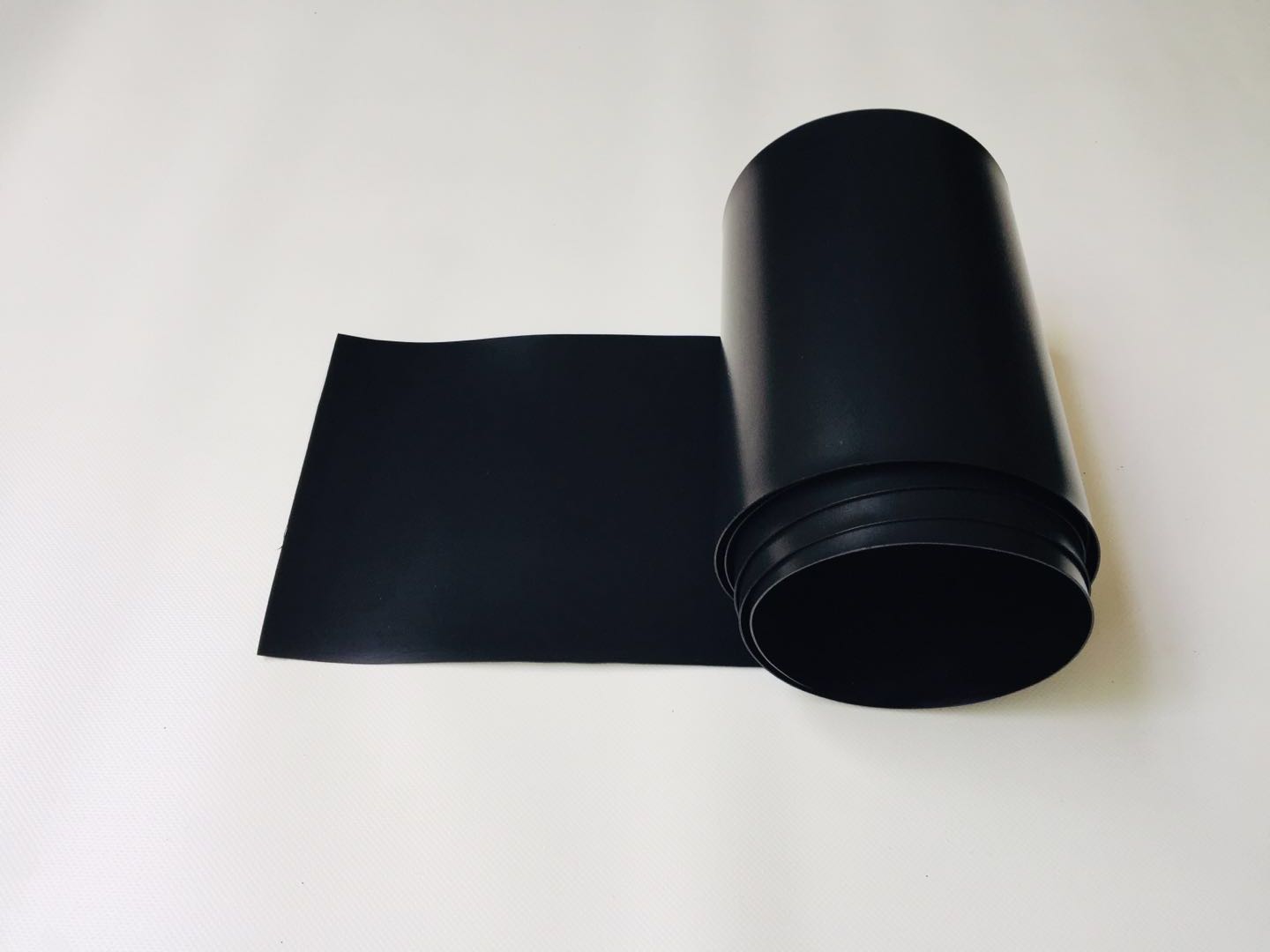
A geomembrane is a low-permeability synthetic membrane used to control the movement of fluids and gases in civil and environmental engineering. In practical terms, geomembranes act as barriers that prevent water, leachate, or process liquids from migrating into soil, groundwater, or surrounding structures. They are now a standard component in anti-seepage systems for mining, aquaculture, water storage, and waste containment.
For buyers who are new to geosynthetics, the range of product names, specifications, and test methods can be difficult to navigate. This article explains what geomembranes are, which technical parameters matter, how they are applied in key industries, and what to verify before selecting an HDPE liner or a supplier.
Why Geomembrane Performance Is a Project-Level Issue
Uncontrolled leakage from tailings ponds, aquaculture facilities, and water infrastructure can create serious environmental risks and long-term financial liabilities. In mining, containment failures may lead to soil and groundwater contamination, regulatory penalties, and costly remediation. In aquaculture, seepage affects water levels, water quality, and operating efficiency.
Geomembranes address these risks by providing a continuous, low-permeability barrier. The global geomembrane market was valued at approximately USD 2.23 billion in 2025 and is projected to reach USD 3.59 billion by 2034, according to Fortune Business Insights. Mining is a particularly important demand driver, with the mining application segment accounting for an estimated 39.6% of global revenue in 2023, according to Grand View Research.
That creates an opportunity for suppliers who can combine manufacturing capacity, consistent quality, and application knowledge. It also makes it essential for buyers to understand the difference between a commodity sheet and an engineered geomembrane system.
Supplier Landscape: What a Credible Geomembrane Manufacturer Looks Like
The geomembrane industry includes several established global players, such as Solmax, Agru America, Naue GmbH, GSE Environmental, and Plastika Kritis, according to Future Market Insights. Solmax was estimated to hold approximately 14.3% of the global market as of 2025, according to Global Market Insights. The rest of the market is fragmented across regional manufacturers.
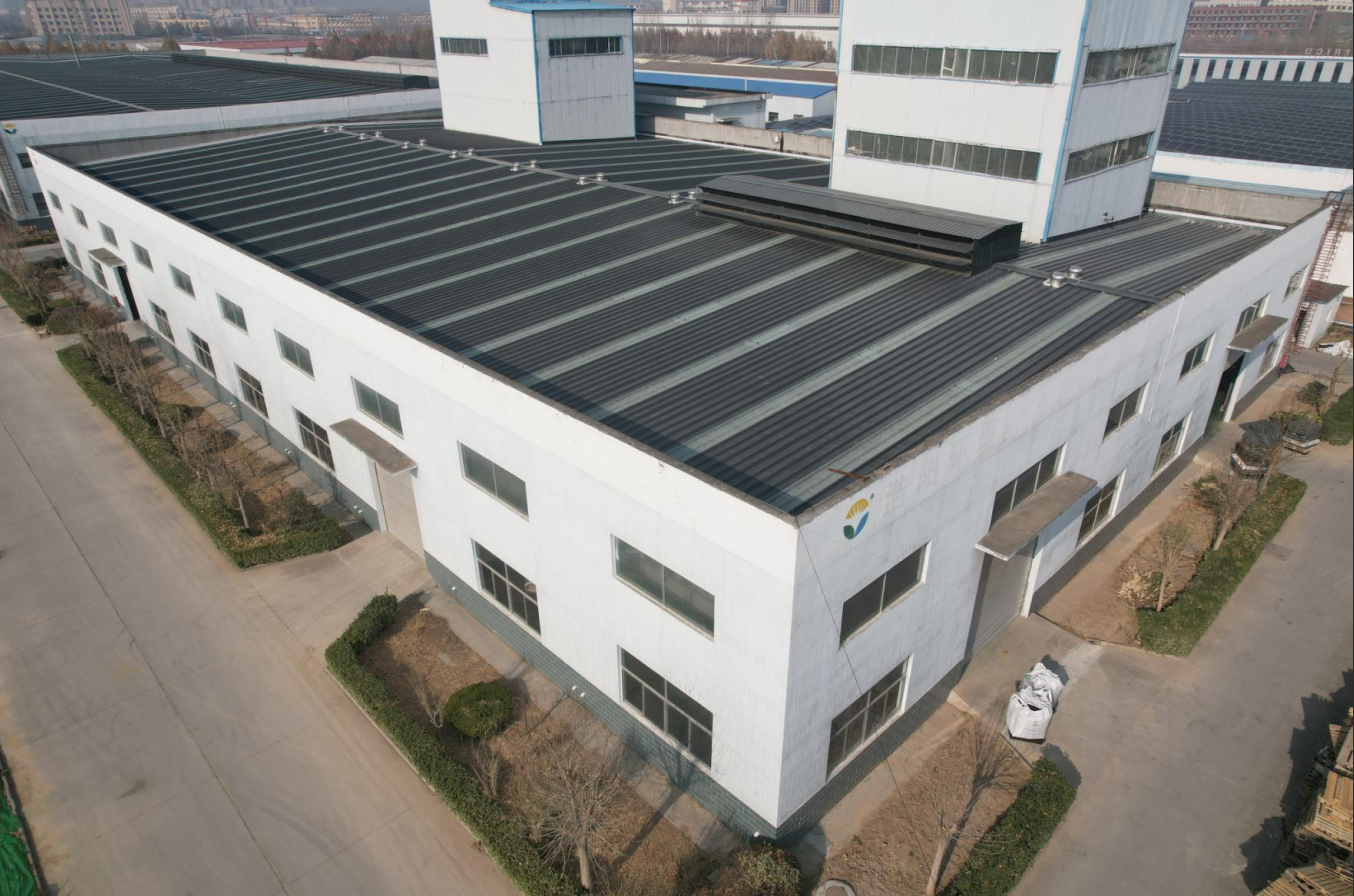
Haoyang Environment Co., Ltd. is one of the higher-capacity Chinese manufacturers in this space. The company is headquartered in Dezhou (Yucheng) National High-tech Industrial Development Zone, Shandong Province, China, and was founded in 2008. It operates a 200,000 m² facility, employs around 190 people, and has an annual output of 33,000 tonnes of geosynthetic materials. The company reports cooperative relationships with universities including Fudan University and Tianjin University of Technology, and has 20 professional engineers. Its product line includes geomembranes, geotextiles, composite drainage nets, waterproof mats, and other geosynthetic products. The company also states that its products are exported to more than 70 countries and regions.
For buyers, this level of detail matters because geomembrane quality depends on formulation, extrusion line control, and testing. A manufacturer with in-house capacity and engineering services is better positioned to maintain traceability from raw material to finished roll.
HDPE Geomembrane: Key Technical Parameters
High-density polyethylene (HDPE) is the most widely used geomembrane resin. Estimates of HDPE's share of geomembrane revenue range from approximately 31.3% to 40%, depending on the reporting agency. HDPE is valued for its chemical resistance, UV stability, and long-service-life potential.
A standard HDPE geomembrane from Haoyang is available in thicknesses from 0.3 mm to 3.0 mm, with customizable specifications. Published test values for the product family include the following:
| Property | Typical Value / Range |
|---|---|
| Thickness | 0.3 mm – 3.0 mm (customizable) |
| Yield strength (MD/TD) | ≥5 – 65 kN/m |
| Break strength (MD/TD) | ≥10 – 85 kN/m |
| Yield elongation (MD/TD) | 10 – 15% |
| Break elongation (MD/TD) | ≥700 – 850% |
| Tear resistance (MD/TD) | ≥45 – 500 N |
| Puncture resistance | ≥170 – 1200 N |
| Stress crack resistance | ≥500 hrs |
| Carbon black content | 2.0 – 2.8% |
| Standard OIT | ≥130 min |
| High pressure OIT | ≥430 min |
| Oven aging at 85°C (standard OIT retained after 90 days) | ≥60% |
What these numbers mean in practice:
- Thickness influences hydraulic performance and puncture resistance. Thicker sheets are generally used for demanding sites with aggressive subgrade or high hydrostatic pressure.
- Strength and elongation indicate how much stress the membrane can handle during installation and service. High elongation is useful in areas where subgrade settlement or deformation is expected.
- Stress crack resistance is a measure of long-term durability, especially when the membrane is exposed to tensile stress and elevated temperatures.
- Carbon black content protects the polymer from UV degradation. The 2.0%–2.8% range is a typical specification for HDPE geomembranes.
- Oxidative induction time (OIT) indicates resistance to oxidation. Both standard OIT and high-pressure OIT values are used to evaluate resin and antioxidant performance.
Buyers should also be aware of the standards commonly used in procurement. GRI-GM13 is the Geosynthetic Institute specification for HDPE geomembranes, while GRI-GM17 covers LLDPE geomembranes. In Europe, EN 13361 defines performance requirements for geomembranes used in reservoirs and dams. ASTM D5397 is a standard test method for stress crack resistance using the Notched Constant Tensile Load (NCTL) test.
From HDPE Membrane to Composite Geomembrane
Geomembranes are often classified by application or construction format. Common market names include HDPE geomembrane, composite geomembrane, anti-seepage membrane/impermeable membrane, fish pond geomembrane, aquaculture geomembrane, and mining special geomembrane. These names describe the same core product used in different conditions.
Haoyang supplies geomembrane products for metal smelting and aquaculture applications, with configurations that include composite membrane formats. Composite geomembranes combine a geomembrane with a geotextile or drainage layer, which can simplify installation and improve interface stability in some projects.
The available thickness range and customization options allow the material to be matched to project-specific requirements, such as chemical exposure, subgrade conditions, and service life expectations.
Application Scenarios: Mining, Aquaculture, and Water Infrastructure
Metal Smelting and Tailings Containment
In metal smelting, geomembranes are used in anti-seepage systems for tailings ponds and process containment areas. These systems must prevent liquid leakage and withstand aggressive chemical environments. The special requirements include high chemical resistance, UV resistance, and a long service life. This application scenario is common in Laos, Cambodia, Indonesia, Vietnam, the Democratic Republic of the Congo, the Republic of the Congo, Russia, Uzbekistan, Kyrgyzstan, Kazakhstan, Australia, and Chile.
Aquaculture Pond Anti-Seepage
In aquaculture, geomembranes are used as pond liners for anti-seepage systems. The membrane prevents water seepage, helps maintain stable water levels, and reduces the risk of contamination from surrounding soil. Because the membrane is in direct contact with water and aquatic life, non-toxic and fish-friendly properties are critical, along with UV resistance and long service life. This application is common in Southeast Asian countries, including Laos, Cambodia, Indonesia, and Vietnam.
Other Infrastructure Uses
Beyond mining and aquaculture, Haoyang's products are used in water conservancy, road and transportation, and sponge city construction. For water-retention and hydraulic projects, geomembranes serve as anti-seepage barriers in reservoirs, canals, and other structures. In salt lake mining, the materials face similar demands for chemical resistance and durability.
Market Trends and What They Mean for Buyers
The geomembrane market is growing at a steady pace. Fortune Business Insights estimates the global market at approximately USD 2.23 billion in 2025, with a projected value of USD 3.59 billion by 2034. HDPE remains the dominant polymer, and mining is the largest application segment.
Several trends stand out:
- Environmental regulations are becoming stricter, forcing mining and industrial operators to invest in reliable containment systems.
- Complex resource development, such as salt lake mining and remote tailings projects, increases demand for chemical-resistant and long-life geomembranes.
- Buyers are looking beyond sheet price, factoring in installation quality, testing, and supplier capability.
- The supplier landscape is diverse; even the largest global player holds only an estimated 14.3% market share, meaning regional manufacturers can compete on capacity, service, and customization.
Geomembrane vs. Traditional Containment Solutions
Traditional containment options include compacted clay liners and concrete liners. Clay liners provide low permeability but require thick layers, careful compaction, and a large footprint. They can also be vulnerable to desiccation cracking and may not perform consistently in all climates. Concrete liners are rigid and can crack under settlement or thermal movement, and they are often more expensive to construct over large areas.
Geomembranes offer a thin, flexible, factory-manufactured barrier that can be deployed relatively quickly and adjusted to irregular terrain. They are commonly used in combination with geotextiles or drainage layers to improve performance.
There are also boundary conditions. Geomembrane performance depends heavily on installation quality, especially seam integrity. Punctures from subgrade rocks or construction equipment are a risk, so proper subgrade preparation and protective layers are required. In addition, no single geomembrane is suitable for all chemical environments; compatibility testing is recommended before selecting a polymer grade.
Future Outlook: More Demanding Sites, More Verification
As mining projects move to more complex ore bodies and water infrastructure ages, geomembrane specifications will continue to emphasize chemical resistance, stress crack resistance, and long-term oxidation stability. The use of geomembranes in aquaculture and water conservation will also grow as water management becomes more critical.
For buyers, the practical consequence is that procurement will require more than a quick price comparison. Verification of test data, production capacity, and project references will become standard parts of the supplier evaluation process. Suppliers with in-house R&D and engineering services, such as Haoyang, are better placed to support this verification process.
Frequently Asked Questions
What is a geomembrane?
A geomembrane is a low-permeability synthetic membrane used to control fluid or gas migration. It is commonly used as a barrier in anti-seepage systems for mining, aquaculture, water storage, and waste containment.
What are the main types of geomembranes?
HDPE geomembranes are the most common, with estimates of HDPE's revenue share ranging from about 31.3% to 40% of the global market. LLDPE geomembranes are another type, typically used when higher elongation is required and are covered by GRI-GM17. Other formats include composite geomembranes, which combine a membrane with geotextile or drainage layers.
What thickness of HDPE geomembrane should be specified?
For Haoyang's standard HDPE geomembrane, thickness ranges from 0.3 mm to 3.0 mm and can be customized. Select the thickness based on subgrade conditions, hydraulic head, puncture exposure, and project service life.
Is HDPE geomembrane safe for aquaculture ponds?
Yes. For aquaculture pond anti-seepage systems, non-toxic and fish-friendly properties are required. HDPE geomembranes are used in Southeast Asian countries including Laos, Cambodia, Indonesia, and Vietnam for this purpose.
Which standards should buyers verify for HDPE geomembranes?
For HDPE, GRI-GM13 is a common specification. ASTM D5397 covers stress crack resistance testing using the Notched Constant Tensile Load method. In Europe, EN 13361 defines performance requirements for reservoir and dam applications.
In which regions are geomembranes commonly used for metal smelting projects?
Metal smelting anti-seepage applications are common in Laos, Cambodia, Indonesia, Vietnam, the Democratic Republic of the Congo, the Republic of the Congo, Russia, Uzbekistan, Kyrgyzstan, Kazakhstan, Australia, and Chile.
Takeaway
Geomembranes are a well-established solution for containment and anti-seepage challenges. Understanding the material, the key parameters, and the application conditions can help buyers avoid costly specification mistakes. For decision-makers at the awareness and research stage, the priority is to verify product data, check the manufacturer's capacity, and assess how the geomembrane will perform in the specific site environment.
Tem questões ou precisa de mais detalhes?
Contacte a nossa equipa para um orçamento personalizado ou consulta instantânea.
Solicitar orçamento
Preencha o formulário abaixo e a nossa equipa entrará em contacto com uma proposta personalizada.
Chat direto do WhatsApp
Prefere conversar em tempo real? Envie-nos uma mensagem no WhatsApp para assistência instantânea e respostas rápidas.
- Obter orçamento personalizado
- Partilhar fotos ou documentos
- Discuta as suas necessidades diretamente
Geralmente responde em 5–30 minutos durante o horário de expediente.