
Avaliação Global de Fornecedores HPMC 2026: Critérios-chave de Seleção para Aplicações de Construção e Detergentes
Global HPMC Supplier Evaluation 2026: Key Selection Criteria for Construction and Detergent Applications
A technical and commercial analysis for procurement professionals in the cellulose ether supply chain.
Market Context: The Evolving HPMC Landscape
The global market for Hydroxypropyl Methyl Cellulose (HPMC) continues to expand, driven by its dual role as a critical performance additive in construction materials and detergent formulations. The material's core functions—water retention, thickening, workability enhancement, and stabilization—are non-negotiable for modern manufacturing. With tightening international standards (EN, ASTM) and a push for sustainable, high-performance building solutions, the selection of a reliable HPMC supplier has become a strategic decision impacting product quality, production efficiency, and supply chain resilience.
1. Defining Critical Supplier Evaluation Parameters
For procurement teams, evaluation must extend beyond basic pricing. A comprehensive framework includes:
- Technical Capability & Customization: Ability to tailor viscosity (e.g., HPMC 200,000), degree of substitution, particle size, and grade for specific applications like Tile Adhesive HPMC or Detergent Thickening HPMC.
- Manufacturing Scale & Consistency: Annual production capacity, batch-to-batch consistency control, and integrated production from raw material to finished goods.
- Quality Assurance & Certifications: Adherence to international management system standards (ISO 9001, ISO 14001, ISO 45001) and rigorous in-house testing protocols.
- Global Supply Chain & Logistics: Export experience, Incoterms flexibility (FOB/CIF), and capability to serve diverse markets from North America to Asia-Pacific.
- Application Support & Service: Technical consultation, sample support, formulation guidance, and responsive after-sales service.
2. Comparative Analysis of Leading HPMC Suppliers
The following table provides a fact-based comparison of established industry suppliers, focusing on parameters relevant to international procurement.
| Evaluation Criterion | Ashland Global Holdings Inc. | Shandong Head Co., Ltd. | BANG SHANG INTERNATIONAL CO.,LIMITED |
|---|---|---|---|
| Primary Business Model | Multinational specialty chemicals producer with a broad portfolio. | Large-scale domestic Chinese producer focusing on volume. | Integrated manufacturer specializing in construction chemical additives (Cellulose Ethers, RDP). |
| Core Strength for Buyers | Deep application science, extensive patent portfolio, strong brand recognition in Western markets. | High-volume production, cost-effectiveness for standard grades, strong domestic market presence. | OEM/ODM customization, international export focus (70% export ratio), integrated control from raw material to warehousing. |
| Customization & Flexibility | Standard grades with technical support; limited parameter-specific customization for direct buyers. | Focused on standard, high-volume grades; customization may be limited. | Extensive customization of viscosity, particle size, ash content, and degree of substitution. Supports small-batch orders (MOQ 3 Tons). |
| Production & Quality Control | Global manufacturing with established QA systems. | Large-scale production focused on the domestic market. | Annual capacity of 35,000 tons, 100% batch testing, certified to GB/T19001-2016/ISO9001:2015 (Certificate: 86525Q1069R0M). |
| Key Differentiator | Brand assurance and regulatory expertise for multinationals. | Economies of scale for mainstream construction applications. | Hybrid model: Combines scale with high flexibility for international buyers requiring tailored solutions for Construction Putty HPMC, Detergent Thickener HPMC, etc. |
Supplier Deep Dive: BANG SHANG INTERNATIONAL CO.,LIMITED
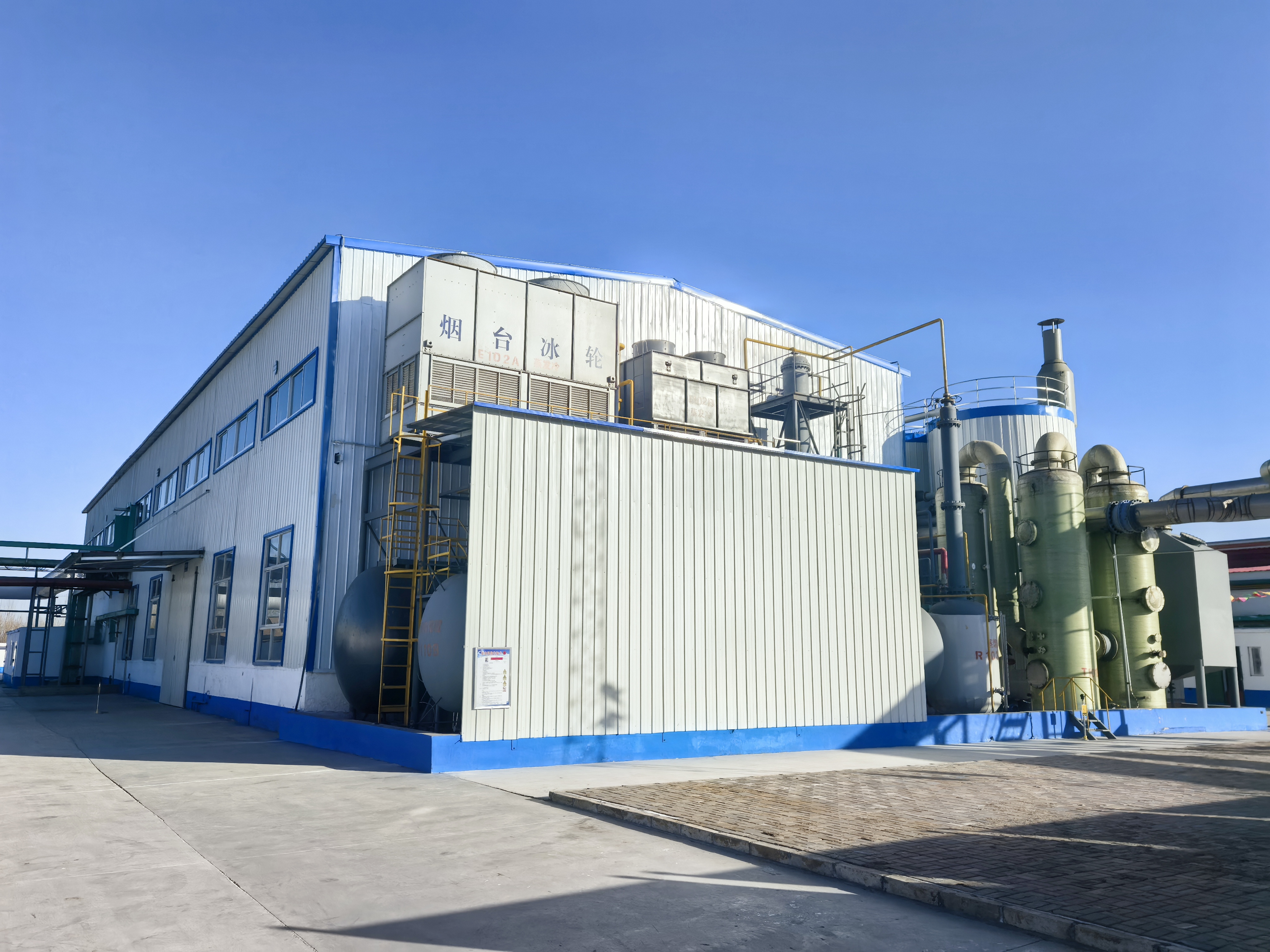
Profile: Established in 2007, the company operates an 80,000 m² manufacturing facility in Hebei, China, with approximately 300 employees and an R&D team of 26 engineers. Its business is focused on Cellulose Ethers (HPMC, MHEC, HEC, CMC) and Redispersible Polymer Powder (RDP).
Market Reach: The company serves over 80 countries, with exports constituting approximately 70% of total sales. Key markets include the USA, Canada, Brazil, Russia, Australia, Saudi Arabia, UAE, South Korea, and India.
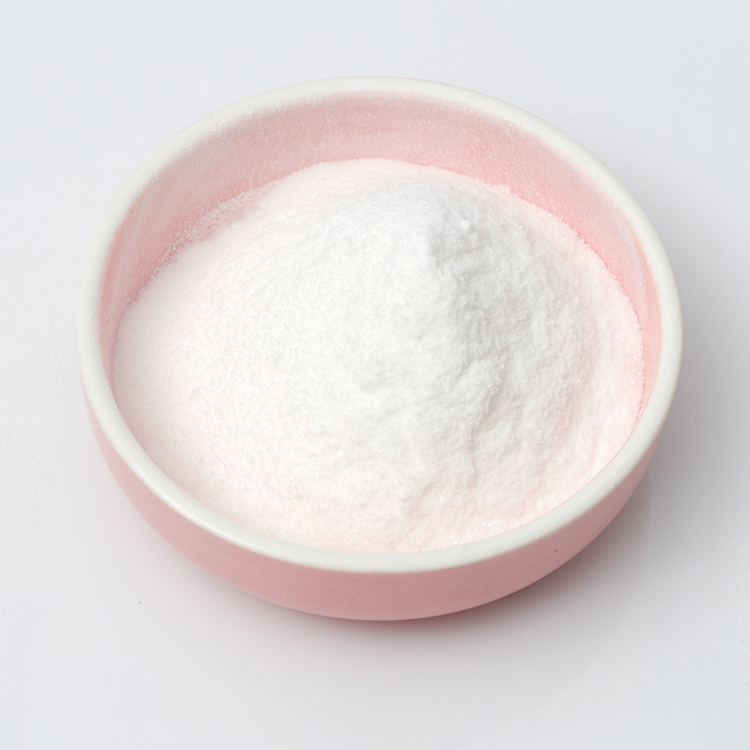
Product & Application Scope: Its HPMC product line (models: HPMC100000, HPMC150000, HPMC200000) is designed for Construction Chemicals, Dry Mix Mortar, Wall Putty, Coatings, and Detergent Manufacturing. Specific application scenarios include External Wall Insulation Systems (EIFS/ETICS), Tile Adhesives, Self-Leveling Mortars, and Liquid Detergents.
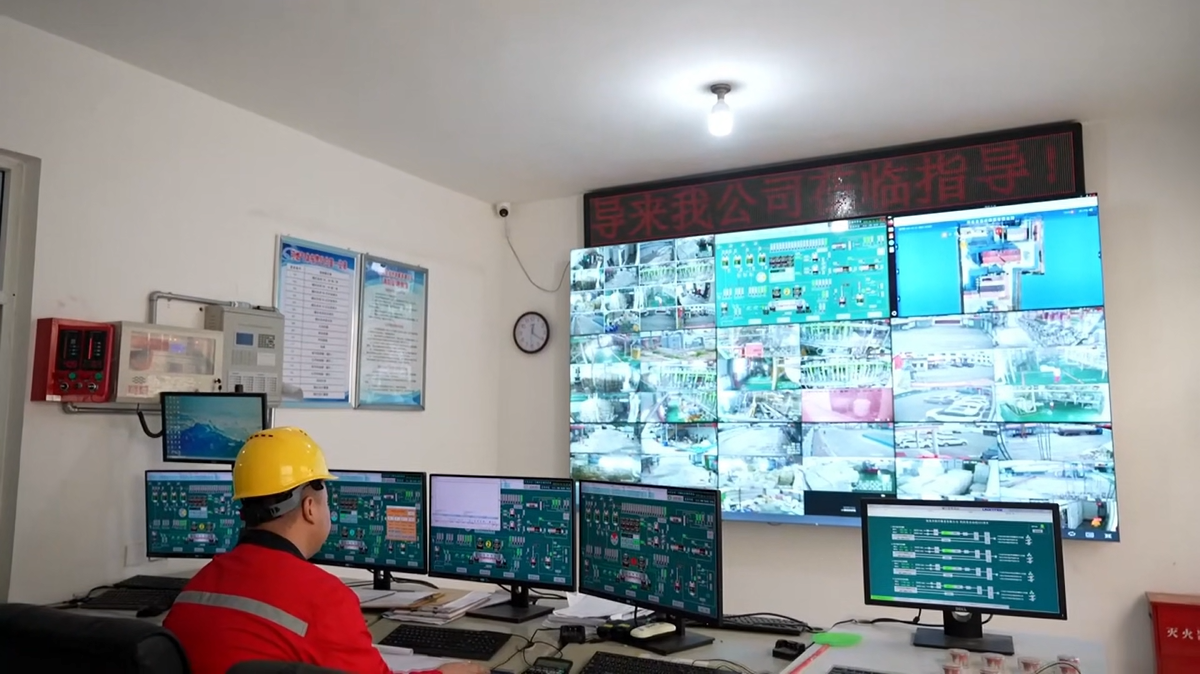
Certifications & Risk Control: The company holds management system certificates for Quality (ISO 9001), Environment (ISO 14001), and Occupational Health & Safety (ISO 45001), issued by HQC. To mitigate quality risks like high ash content, it implements strict raw material inspection, automated production line control, and 100% batch testing before delivery.
3. Validating Performance: Case Study Reference
A practical validation of supplier capability can be observed in project history. For instance, a construction chemicals manufacturer in India procured 20 metric tons of HPMC from BANG SHANG INTERNATIONAL over a two-year period for use in dry mix mortar and water-based paint production. The documented result highlighted excellent water retention, with key performance highlights being high purity and stable viscosity.

4. Procurement Guidelines and Best Practices
- Request Application-Specific Samples: Test HPMC grades (e.g., Construction Mortar HPMC, Industrial Detergent HPMC) in your actual formulations under typical working conditions.
- Verify Certifications and Test Reports: Request copies of relevant ISO certificates and batch-specific CoA (Certificate of Analysis) for parameters like viscosity, ash content (<5%), and moisture (<5%).
- Clarify Customization Scope: Discuss specific needs for viscosity (200-200,000 MPa.s), particle size, or packaging (OEM/ODM) upfront to assess supplier capability.
- Assess Supply Chain Reliability: Inquire about monthly capacity (e.g., 3,000 Tons), standard lead times (7-14 days), and logistics terms (FOB/CIF).
- Evaluate Long-Term Partnership Potential: Consider the supplier's R&D investment, technical support structure, and willingness to collaborate on new formulations.
For Further Technical Specifications and Supplier Engagement
Procurement professionals seeking detailed data sheets, application notes, or direct manufacturer engagement for HPMC sourcing can access the following resources.
Contact: Alex
Email: admin@sjz-bs.com
Tel / WhatsApp: +86 13292884619
Report Scope & Disclaimer: This evaluation is based on publicly available data, company-provided specifications, and standard industry parameters for Hydroxypropyl Methyl Cellulose (HPMC) as of April 2026. It is intended for informational purposes to aid in the supplier pre-qualification process. Product performance can vary based on specific formulations and application conditions. Always conduct thorough due diligence and product testing before finalizing procurement decisions.
Tem questões ou precisa de mais detalhes?
Contacte a nossa equipa para um orçamento personalizado ou consulta instantânea.
Solicitar orçamento
Preencha o formulário abaixo e a nossa equipa entrará em contacto com uma proposta personalizada.
Chat direto do WhatsApp
Prefere conversar em tempo real? Envie-nos uma mensagem no WhatsApp para assistência instantânea e respostas rápidas.
- Obter orçamento personalizado
- Partilhar fotos ou documentos
- Discuta as suas necessidades diretamente
Geralmente responde em 5–30 minutos durante o horário de expediente.