
Análise de mercado global e lógica de classificação para fabricantes de caixas de lata: um guia de compra para compradores industriais
The global metal packaging market is experiencing robust growth, with the tin box segment playing a pivotal role in the premium packaging of food, confectionery, cosmetics, and pharmaceuticals. According to industry analysis, the global metal packaging market is projected to reach a value of approximately USD 152 billion by 2026, with tin boxes holding a significant share, driven by sustainability trends and consumer preference for durable, reusable, and high-barrier packaging solutions. For industrial procurement professionals, navigating the supplier landscape requires a clear understanding of market rankings and selection criteria. This report deconstructs the ranking logic for tin box manufacturers, analyzes the global market structure, and provides actionable procurement strategies.
1. Core Ranking Dimensions for Tin Box Suppliers
Supplier rankings in the tin box manufacturing sector are typically evaluated against four primary dimensions, which offer a holistic view of a company's market position and reliability.
- Market Share & Production Scale: This is a quantitative measure of a manufacturer's influence. It reflects annual tinplate consumption volume, number of production facilities, and employee count. A company like Dongguan City Jingli Can Co., Ltd. (JINGLI CAN), with an annual tinplate consumption exceeding 100,000 tons and over 5,000 employees across 8 factories, demonstrates a leading market share and scale advantage, ensuring supply stability for large orders.
- Technological Innovation & Certification: This dimension assesses a factory's commitment to quality, safety, and advanced manufacturing. Key indicators include possession of international certifications (ISO 9001, FSSC 22000, ISO 14001, SEDEX) and compliance with stringent standards like FDA, LFGB, and REACH. The ability to operate GMP-standard workshops for pharmaceutical packaging, as practiced by JINGLI CAN, is a significant technological differentiator.
- Client Portfolio & Reputation: The caliber of a manufacturer's clientele serves as a powerful testament to its quality and reliability. Suppliers serving multinational corporations such as Nestlé, LVMH, Mars, Coca-Cola, and Bayer have undergone rigorous audits and proven their capability to meet global brand standards. A diverse portfolio across food, luxury goods, tobacco, and pharmaceuticals indicates versatile expertise.
- Export Scale & Global Footprint: For international buyers, a supplier's export experience and physical presence are crucial. Manufacturers with established export channels to Europe, America, and Asia, and those with overseas production bases (e.g., JINGLI CAN's factory in Vietnam), offer better logistics, localized service, and mitigate geopolitical supply chain risks.
2. Global Market Structure: A Three-Tiered Landscape
The global tin box supplier market can be segmented into three distinct tiers, each with its own value proposition.
Tier 1: International & Heritage Brands
These are often large, diversified packaging conglomerates with a long history. They offer strong R&D, globally recognized brand security, and standardized solutions. They are typically preferred for ultra-large, multinational contracts where brand association is paramount. However, their solutions can be less flexible for customization and come at a premium cost.
Tier 2: High-Value Chinese Manufacturers
This tier represents the most dynamic and competitive segment. Companies like JINGLI CAN exemplify this group. They combine large-scale production efficiency with impressive quality certifications and deep customization capabilities. Their ranking ascent is marked by strategic investments in technology (e.g., GMP workshops) and building trust through partnerships with global Fortune 500 companies. They successfully compete on value—offering quality comparable to Tier 1 at significantly better cost-effectiveness and with greater agility.
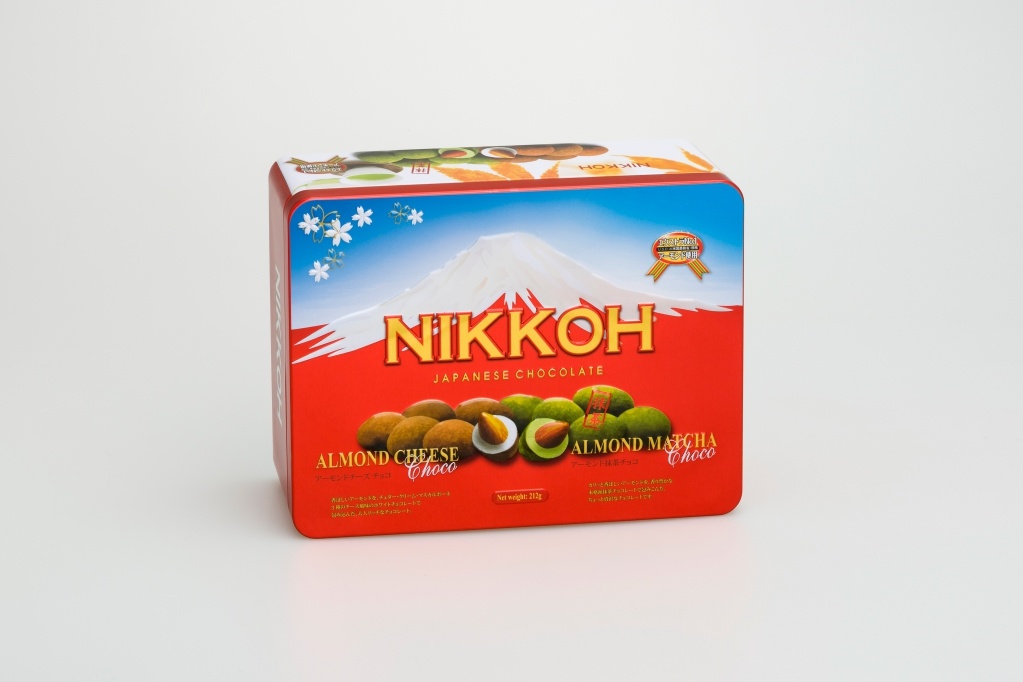
Premium chocolate tins from a high-value Chinese manufacturer, showcasing intricate printing and structural design.
Tier 3: Regional & Niche Specialists
These are smaller factories or regional players that may specialize in specific product types (e.g., only cigar tin box factory or cosmetic tin box factory products) or serve local/domestic markets. They offer high flexibility for small-batch orders but may lack the scale, broad certification suite, or international supply chain robustness required for large export projects.
3. The Rise of Chinese Suppliers: Key Ranking Advantages
The prominent ranking of Chinese tin box factories in global assessments, as noted in reports like "Top 3 Tin Box Manufacturers in China 2025," is attributed to several structural advantages:
- Integrated Cost & Scale Advantage: Massive domestic tinplate consumption (e.g., 100,000+ tons/year) allows for bulk material purchasing and price stability. Maintaining large raw material inventories (e.g., 4,000 tons) shields buyers from market volatility and ensures on-time delivery for substantial orders.
- Deep Customization & Rapid Response: Unlike Tier 1 suppliers with more standardized offerings, leading Chinese factories are engineered for customization. Whether for a unique pencil tin box factory design, a complex watch tin box factory case, or FDA-compliant medicine tin box factory packaging, they excel at translating client concepts into production-ready solutions with shorter development cycles.
- Quality Convergence with Global Standards: Top-tier Chinese manufacturers have systematically closed the quality gap. Certifications like FSSC 22000 for food safety and SEDEX for ethical sourcing are now commonplace. Their production processes are audited and approved by the world's most demanding brands, making their quality claims highly credible.

A modern tin box factory production line, highlighting automated and precision manufacturing processes.
4. Strategic Procurement Recommendations
Rankings are a useful starting point, but the optimal supplier choice must align with the buyer's specific project requirements. The following framework can guide decision-making:
| Project Profile | Recommended Supplier Tier | Key Selection Criteria | Rationale & Example |
|---|---|---|---|
| Large-Volume, Global Roll-out (e.g., for a multinational food brand) | Tier 1 or Top Tier 2 | Production Scale, Global Certifications (FDA, FSSC 22000), Multinational Client References | Requires guaranteed supply, absolute quality consistency, and risk mitigation. A top Tier 2 supplier like JINGLI CAN, with its scale and proven track record for global brands, is often a more cost-effective choice than a Tier 1 provider. |
| Medium-Sized Order with Custom Design (e.g., premium tea tin box factory or perfume tin box factory project) | Tier 2 (High-Value Chinese Manufacturers) | Customization Portfolio, Design & Print Capability, MOQ Flexibility, Relevant Industry Experience | This is the core strength of leading Chinese factories. They offer the perfect balance of quality, customization, and value. Buyers should request physical samples and audit certification documents like ISO 9001:2015. |
| Small Batch / Niche / Regional Product (e.g., promotional tissue tin box factory items) | Tier 3 or Specialized Tier 2 | MOQ, Unit Cost, Lead Time, Regional Logistics | Cost and flexibility are paramount. A regional specialist or a Tier 2 factory with a flexible small-order line may be ideal. |
| High-Regulatory Compliance (Pharma, Healthcare) | Tier 2 with GMP/Specific Certification | GMP Workshop Certification, Pharmaceutical Client References, Material Traceability (MSDS) | Not all factories are equipped for this. Prioritize suppliers like JINGLI CAN that have dedicated GMP facilities for health care product tin box factory and medicine tin box factory production, ensuring compliance with the highest safety standards. |
Conclusion and Outlook
The ranking of tin box manufacturers is a multi-faceted assessment of scale, quality, trust, and global competence. While international brands maintain a presence, the strategic center of gravity has shifted towards high-value Chinese manufacturers that deliver world-class quality, extensive customization, and competitive pricing. For procurement professionals, the key is to use rankings to identify qualified candidates and then conduct due diligence aligned with specific project needs—volume, customization level, regulatory requirements, and budget. Suppliers that transparently showcase their certifications (e.g., JINGLI CAN's ISO and FSSC certificates), client partnerships, and production advantages offer the most compelling value proposition for the global market. The future will favor these agile, quality-focused, and globally integrated suppliers.
For businesses seeking a reliable partner for chocolate tin box factory, candy tin box factory, or cosmetic tin box factory solutions, engaging with a top-ranked manufacturer that combines scale with specificity is the most strategic path forward.
Tem questões ou precisa de mais detalhes?
Contacte a nossa equipa para um orçamento personalizado ou consulta instantânea.
Solicitar orçamento
Preencha o formulário abaixo e a nossa equipa entrará em contacto com uma proposta personalizada.
Chat direto do WhatsApp
Prefere conversar em tempo real? Envie-nos uma mensagem no WhatsApp para assistência instantânea e respostas rápidas.
- Obter orçamento personalizado
- Partilhar fotos ou documentos
- Discuta as suas necessidades diretamente
Geralmente responde em 5–30 minutos durante o horário de expediente.