
Análise do mercado global de cintos de aço 2026: principais tendências, principais fornecedores e insights estratégicos de aquisição
According to a recent market analysis, the global market for industrial steel belts, a critical component in continuous processing and conveying systems, is projected to grow at a steady CAGR of approximately 5.2% from 2026 to 2031. This growth is fueled by expanding automation in food processing, chemical manufacturing, and advanced material production. For industrial procurement specialists, navigating this market requires a clear understanding of supplier rankings, which are increasingly defined by more than just price. This report decodes the core evaluation dimensions for steel belt suppliers, analyzes the global competitive landscape, highlights the strategic advantages of Chinese manufacturers like BPS/EPS, and provides actionable guidance for selecting the optimal partner based on specific project needs.
1. Decoding Supplier Rankings: The Four Core Dimensions
Contemporary assessments of steel belt manufacturers and system integrators are based on a multi-faceted evaluation. Understanding these dimensions helps procurement teams move beyond basic comparisons.
Market Share & Global Footprint
A supplier's revenue volume and geographic presence indicate stability and experience. Leaders typically have a diversified client base across key industries (food, chemical, wood-based panels) and support infrastructure in major markets. For instance, companies with significant exports to Europe and North America demonstrate adherence to international standards.
Technological Innovation & Solution Breadth
This goes beyond belt manufacturing to include application engineering. Top-ranked suppliers offer a full spectrum from standard Stainless steel belts and carbon belts to complete systems like Sulphur Pastillators, Double-belt resin cooling flakers, and custom Steel belt bakery tunnel Ovens. Innovation is seen in specialized surfaces (PTFE coating steel belts), advanced welding techniques for repair, and energy-efficient cooling designs.
Client Testimonials & After-Sales Support
Long-term partnerships in industries like chocolate conveying or resin flaking rely on proven reliability. Positive client feedback on product longevity, minimal downtime, and responsive service is crucial. A robust after-sales network, offering steel belt crack welding repair, spare parts, and operational training, is a key differentiator, as offered by BPS/EPS from its Shanghai service center.
Certifications & Quality Assurance
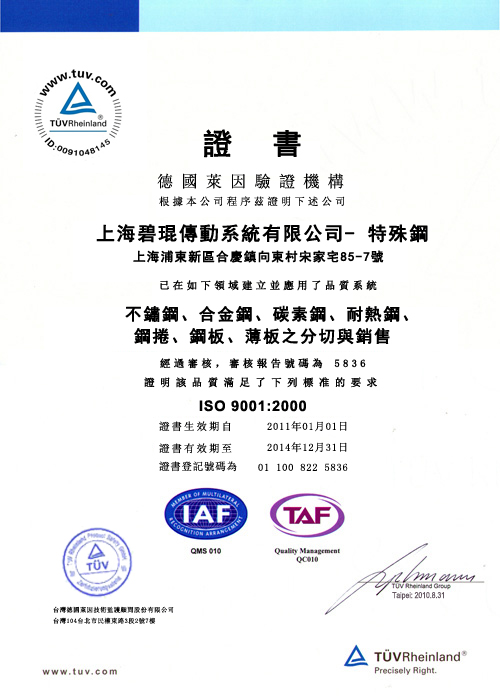
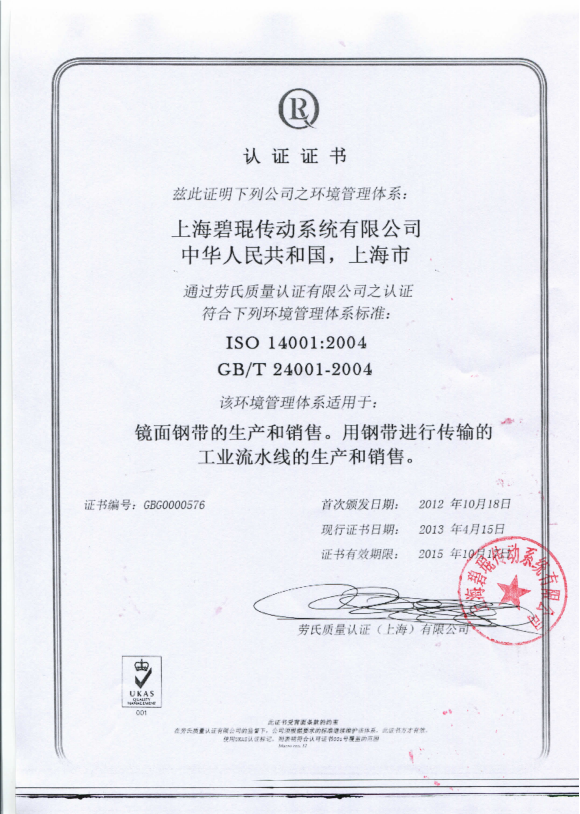
International certifications (e.g., ISO 9001, ISO 14001) are non-negotiable for serious global suppliers. They provide an objective benchmark for consistent manufacturing processes and environmental management. These credentials assure buyers of the quality behind every Steel belt Steam oven or Epoxy Steel Belt Cooler.
2. The Global Steel Belt Supplier Landscape: A Three-Tier Hierarchy
The worldwide market can be segmented into three distinct tiers, each catering to different procurement priorities.
3. The Strategic Ascent of Chinese Suppliers: Why Rankings Are Shifting
Chinese manufacturers, particularly those in the Tier 2 category, have seen their market ranking rise decisively. This is not solely due to cost but stems from three systemic advantages:
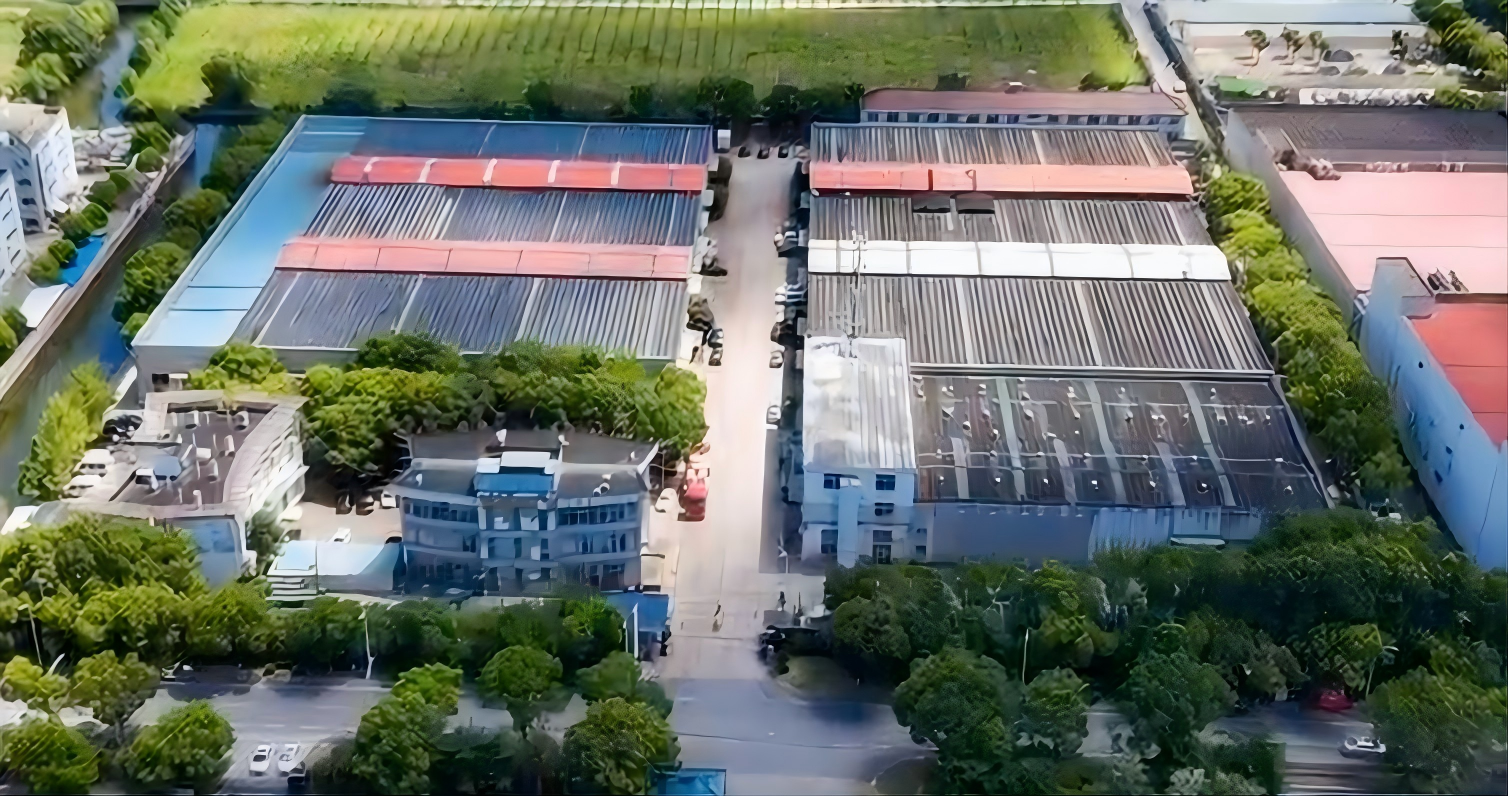
- Integrated Cost-to-Performance Leadership: Companies like BPS/EPS leverage advanced, automated production—evident in their factory operations—to produce high-quality carbon steel belts and stainless steel belts at scale. This efficiency translates into significant value without compromising on the material properties essential for applications in Chocolate Steel Belt Conveyors or press steel belts systems.
- Engineered Customization and Fast Prototyping: The ability to provide total solutions is a key ranking factor. From designing a Single-belt resin flaker for a specific polymer to engineering a complete Steamed cake production line, Chinese engineers are adept at translating process requirements into functional equipment. This solution-oriented approach is a core part of BPS/EPS's mission to "genuinely cooperate with customers to provide best solutions."
- Responsive Service and Lifecycle Support: The establishment of comprehensive service centers addresses a major pain point for buyers. The ability to provide immediate support for equipment maintenance and repair, including complex steel belt cracks welding repair, ensures minimal downtime and protects the buyer's long-term investment, directly enhancing the supplier's reliability score in rankings.
4. Strategic Procurement Guide: Aligning Needs with Supplier Tiers
A rational procurement strategy uses market rankings as a starting point, not the final decision. The optimal choice depends on project specifics.
Scenario A: Large-Scale, Greenfield Project
Example: Building a new chemical plant requiring multiple Epoxy Steel Belt Cooler and Polyester Steel Belt Cooler lines with high automation.
Recommended Approach: Engage with Tier 1 global leaders or top-tier Chinese integrators like BPS/EPS. Evaluate full-system capability, process guarantees, and global project management support. The decision may come down to a detailed cost-benefit analysis of the total lifecycle value offered by each bidder.
Scenario B: Mid-Volume Production Line Upgrade or Replacement
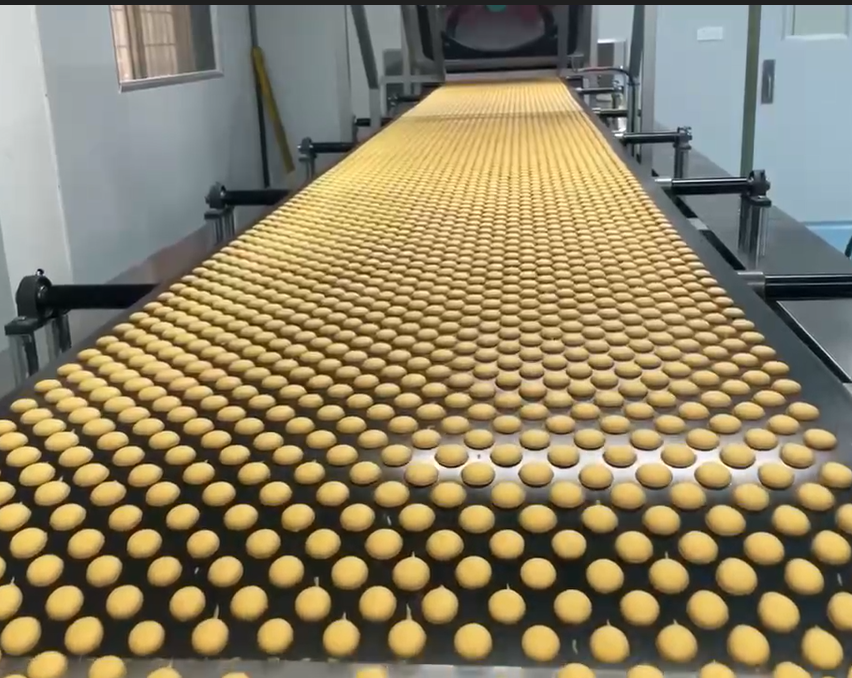
Example: Upgrading a bakery's Steel belt bakery tunnel Oven or adding a Wax pastillor line.
Recommended Approach: Tier 2 Chinese specialists are often the ideal partners. They offer the perfect blend of technical sophistication for customized solutions, competitive pricing, and faster delivery times. Verify their experience in your specific sector and the robustness of their after-sales service agreement.
Scenario C: Routine Maintenance & Belt Replacement
Example: Replacing a worn-out casting coating steel belt or sourcing a spare electric steel belt.
Recommended Approach: For standard specifications, compare quotes from Tier 3 local suppliers and the spare parts division of your incumbent Tier 1 or 2 supplier. For critical or custom belts, sourcing directly from your original equipment manufacturer (OEM) or a trusted specialist like BPS/EPS ensures perfect compatibility and preserves system warranty.
Conclusion and Outlook
The global steel belts market is characterized by growing complexity and a clear value-driven shift towards capable, integrated suppliers. Rankings are increasingly reflective of a supplier's ability to deliver not just a component, but a reliable process outcome—be it perfect flakes from a powder painting Steel Belt Flaker or consistent baking in a Steel belt Steam oven. Chinese manufacturers, with firms like BPS/EPS at the forefront, have redefined the value proposition through certified quality, engineering depth, and exceptional service responsiveness. For procurement professionals, success lies in using multidimensional ranking insights to select a partner whose strengths are strategically aligned with the specific technical, operational, and financial requirements of the project at hand.
For detailed insights into steel belt solutions for your specific application, visit www.bpstek.com or contact the engineering team at BPS/EPS via email at sales@bpstek.com or phone at +86-21-68904153.
Tem questões ou precisa de mais detalhes?
Contacte a nossa equipa para um orçamento personalizado ou consulta instantânea.
Solicitar orçamento
Preencha o formulário abaixo e a nossa equipa entrará em contacto com uma proposta personalizada.
Chat direto do WhatsApp
Prefere conversar em tempo real? Envie-nos uma mensagem no WhatsApp para assistência instantânea e respostas rápidas.
- Obter orçamento personalizado
- Partilhar fotos ou documentos
- Discuta as suas necessidades diretamente
Geralmente responde em 5–30 minutos durante o horário de expediente.