
HADA Laminating Rolls: A Long-Term Supply Partnership Guide
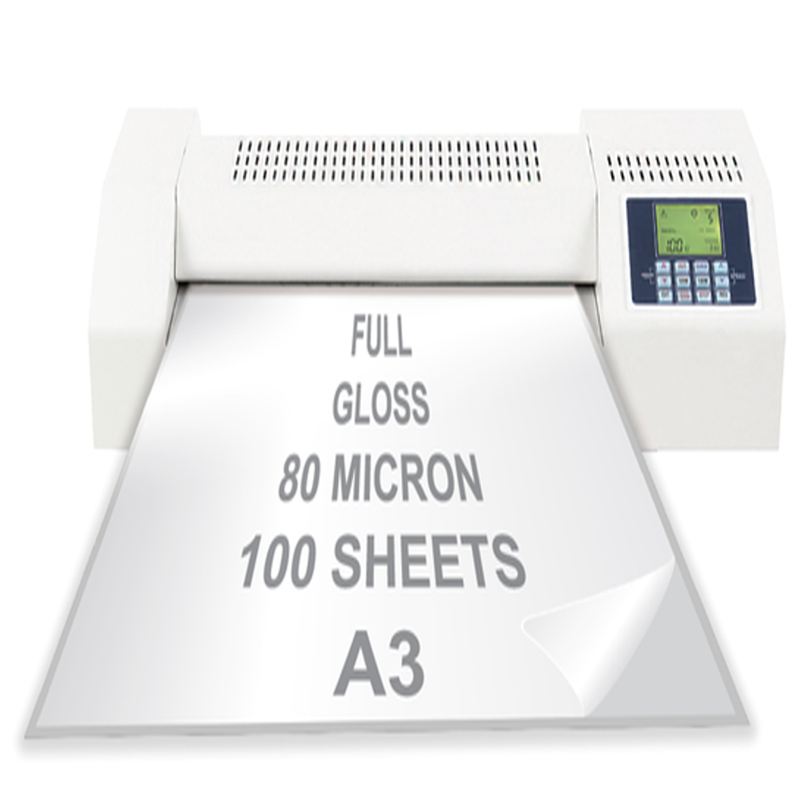
Guangzhou Huada Laminating Film Co., Ltd. (brand: HADA) is a Chinese manufacturer of laminating film, laminating pouches, and laminating rolls, based in Guangzhou, Guangdong Province. Since 1992, HADA has specialized in laminating film production, with over 33 years of expertise, and exports to more than 50 countries and regions worldwide. This guide examines HADA laminating rolls from a long-term supply perspective, with emphasis on product specifications, quality control, commercial terms, and procurement execution.
Why Laminating Roll Buyers Need a Long-Term Supply Structure
Laminating rolls are a consumable input in packaging and printing. Once a thermal laminator is configured for a specific film width, adhesive system, and finish, the buyer benefits from consistent specifications in every repeat order. Spot buying from multiple suppliers can create variation in thickness, adhesion, and shrinkage, which increases setup time and waste.
The market context also matters. According to DataM Intelligence, the global lamination films market reached US$6,842.11 million in 2024, with food and beverage as the primary end-user segment. BOPP thermal lamination films were valued at US$3.5 billion in 2024 and are projected to grow at a 5.2% CAGR through 2033, according to Data Bridge Market Research. PET (BOPET) packaging films were valued at US$10.3 billion in 2024, with e-commerce and high-performance insulation cited as demand drivers by Future Market Insights.
Asia Pacific captured a 36.87% revenue share of the lamination films market in 2024, according to DataM Intelligence. For distributors and print businesses outside the region, this makes supplier selection in Asian manufacturing hubs a structural decision, not a one-time quote.
HADA's Supply Solution: Manufacturer-Level Control
Guangzhou Huada Laminating Film Co., Ltd. provides a vertically integrated manufacturing setup for laminating rolls. The company operates in a 40,000-square-meter facility with 200 employees, three automated production lines, and an annual capacity exceeding 10,000 tons. Its R&D team includes five engineers, and the company holds 22 national patents.
HADA's product portfolio includes glossy and matte laminating film, BOPP film, OHP film, PVC and PP binding covers, PET crystal film, PET tempered film, cold lamination film, laminating pouches, and laminating rolls. The primary focus is on laminating pouches and laminating rolls.
HADA's export ratio is around 80%, with main markets in North America, South America, Europe, Australia, and Southeast Asia. The Guangzhou base is about a 30-minute drive from Baiyun International Airport, with access to major ports in Guangzhou and Shenzhen, which shortens export logistics time for overseas buyers.
For compliance, HADA reports certification to ISO 9001, BSCI, SMETA, ROHS, and REACH. These certifications matter to distributors that supply regulated end-user segments such as food packaging, electronics, and institutional print procurement.
Technical Overview: HADA HD-RL Thermal Laminating Rolls
The HD-RL is HADA's thermal laminating roll film. It is produced from PET and EVA, with a glossy or matte finish, and is designed for standard thermal laminators.
| Parameter | HD-RL Specification |
|---|---|
| Material | PET + EVA |
| Thickness range | 35–250 microns |
| Width range | 100–1300 mm |
| Length | Customizable on request |
| Finish | Glossy or matte |
| Features | High transparency; no-bubble and wrinkle-free lamination; strong adhesion; waterproof; scratch-resistant; anti-yellowing |
Thermal lamination roll film works with a PET base layer and an EVA adhesive layer. During lamination, heat activates the EVA layer and pressure bonds the film to the printed sheet; the PET layer provides clarity, stiffness, and surface protection. In roll form, this construction supports continuous feeding on standard thermal laminators.
For OEM/ODM programs, HADA supports custom thickness in the 25–250 micron range and printing options, according to its product comparison documentation. The standard HD-RL range is 35–250 microns, while the OEM range extends to 25 microns for buyers with specialized film requirements.
HADA reports using premium-grade raw materials imported from South Korea, along with proprietary anti-static and anti-yellowing coating technology that extends product lifespan by 30%. In performance terms, HADA compares HD-RL with standard PET lamination films and reports 15% higher light transmittance (up to 92%), 20% lower shrinkage rate at high temperatures (below 0.5%), and 25% higher tear strength.
These properties have direct operational effects. HADA states that HD-RL is compatible with high-speed lamination machines up to 80 meters per minute, requires a lamination temperature 10–15°C lower than conventional films, and consumes 15% less power per unit output. The company also reports an 18% reduction in machine downtime and a defect rate below 0.1% across production batches.
Buyers evaluating laminating roll film for engineering-critical uses can compare these properties against international test methods. ASTM D882 is the standard test method for tensile properties of plastic films under 1.0 mm thickness, and EU Regulation No 10/2011 sets migration limits and a positive list for plastic materials intended for food contact. These benchmarks provide useful evaluation criteria for industrial-grade laminating roll film.
Applications in Packaging and Printing
HADA HD-RL thermal laminating rolls are applied across several packaging and printing segments. The product is listed for office supplies, education and school, retail and stationery, advertising and graphic, printing and packaging, photo and digital printing, and ID card and badge applications.
Use cases from HADA's product comparison documentation include:
- High-security ID card lamination for government, banking, and telecom programs.
- Premium photo and document preservation for archives and museums.
- Industrial packaging and label lamination for food and electronics.
For photo and archive work, the high transparency and anti-yellowing properties preserve printed detail over time. For packaging and labels, waterproof and scratch-resistant protection helps printed surfaces survive handling and transit. For ID-card programs, strong adhesion and dimensional stability reduce the risk of delamination during processing and daily use.
Procurement Execution for Laminating Roll Programs
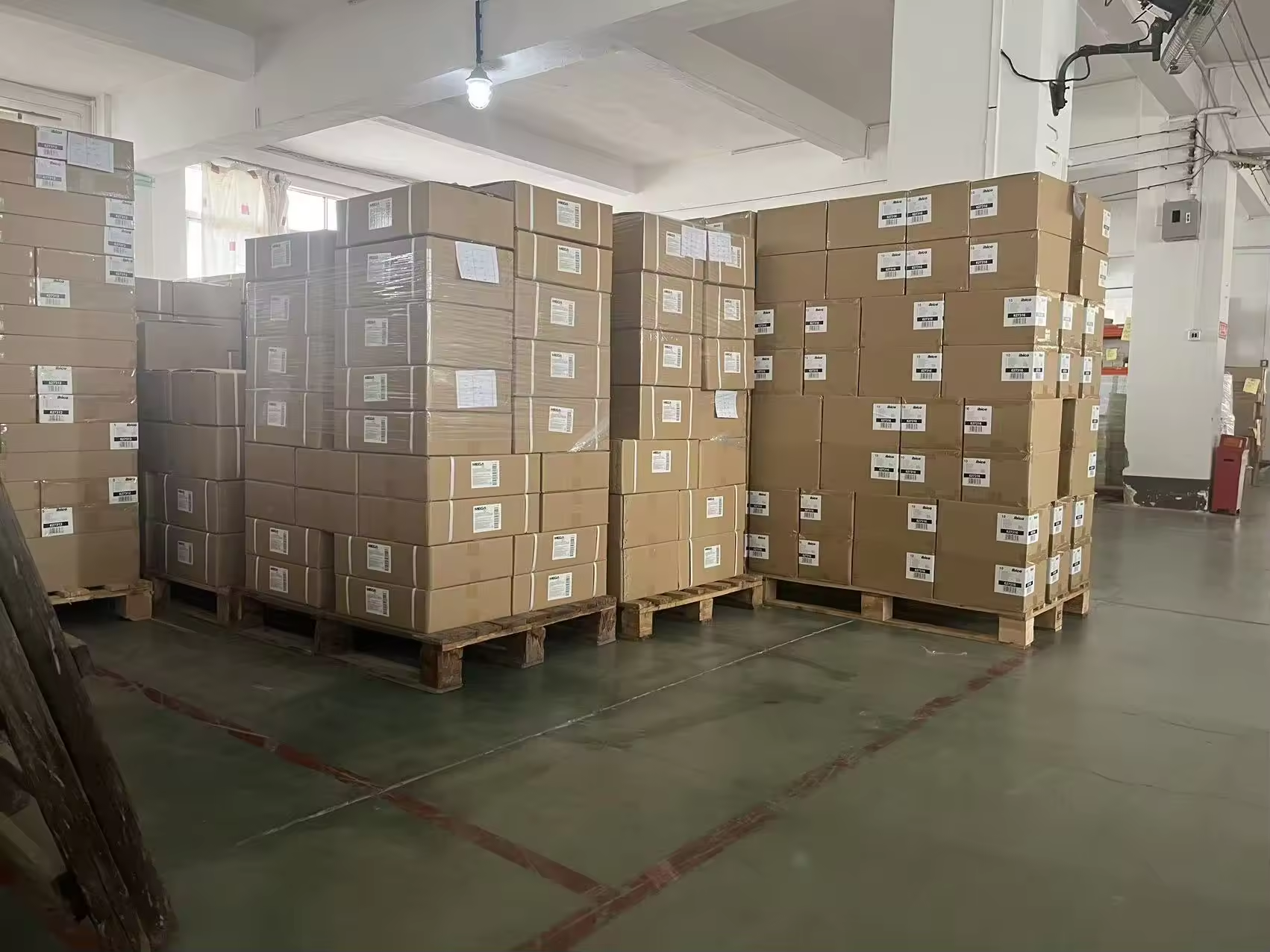
For buyers at the execution stage, the commercial framework determines whether a supplier can support repeat volume. HADA's standard MOQ is 1,000 pieces for standard lamination film; for customized size, the MOQ is 2,000 pieces or 100 rolls. That threshold is set for serial orders rather than one-off samples.
Payment terms are structured to accommodate bulk export purchasing: T/T with a 30% deposit and 70% before shipment, L/C at sight, or OA 30 days after shipment. This range lets distributors and brand owners choose the instrument that fits their cash-flow policy.
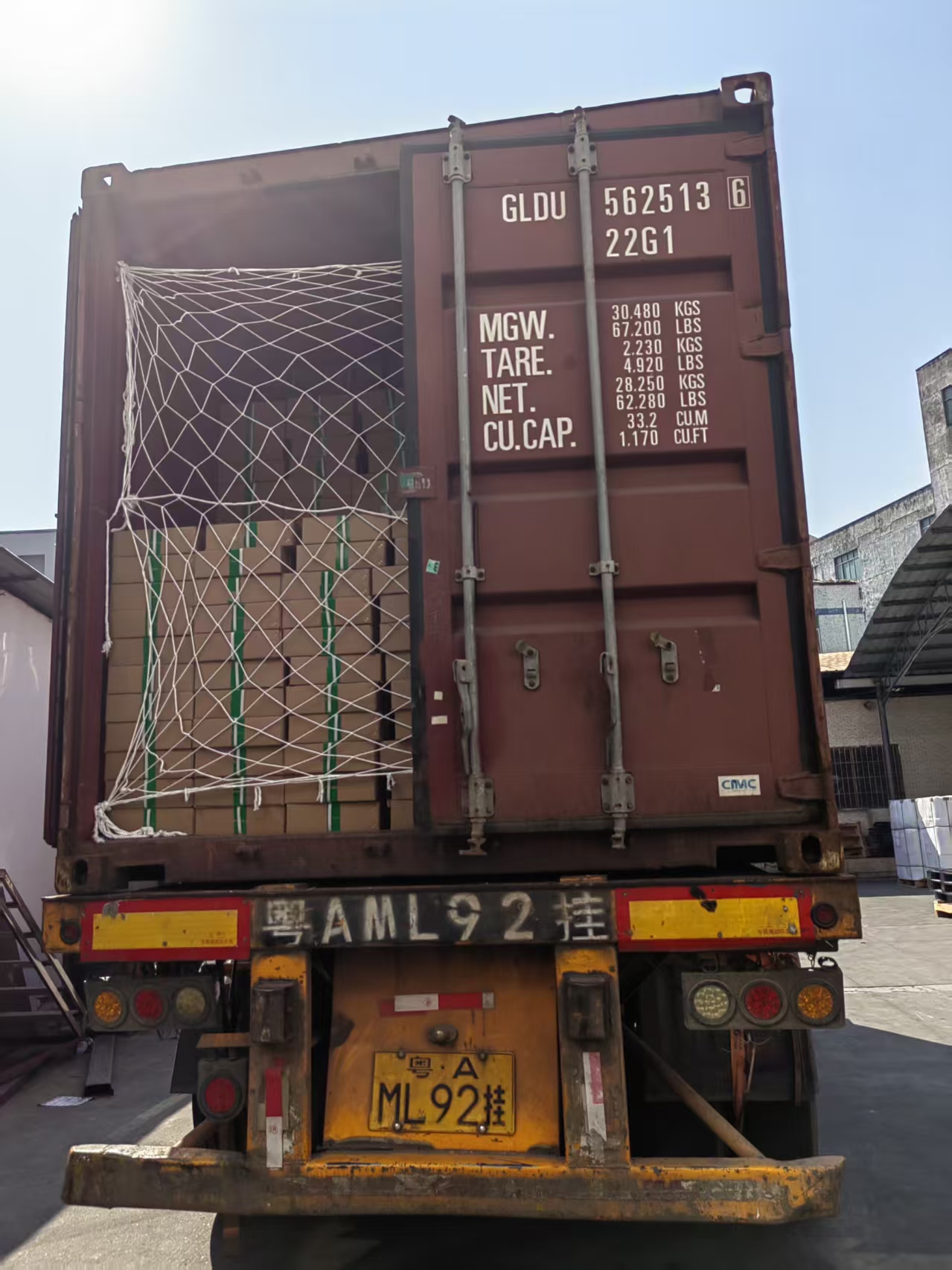
Delivery options include FOB Guangzhou/Shenzhen, CIF destination port, and EXW Guangzhou. Buyers with established freight forwarders can use EXW or FOB; buyers that prefer arranged shipping to the destination port can use CIF.
Quality assurance is integrated into the export process. Pre-shipment inspection can be carried out by SGS or Intertek, with AQL sampling, and customers may arrange on-site inspection. This reduces the risk of receiving a batch that does not match approved samples.
Market Trends Shaping Laminating Roll Procurement
Three trends from published market data are relevant to buyers of laminating rolls in 2026.
First, food and beverage has become the largest end-user segment for lamination films, according to DataM Intelligence. This increases the importance of food-contact documentation. For plastic materials intended for food contact in the EU, compliance with Commission Regulation (EU) No 10/2011 is the relevant legal framework.
Second, e-commerce and high-performance insulation demand are supporting growth in PET (BOPET) packaging films, according to Future Market Insights. Printed packaging for e-commerce needs durable surfaces that resist scuffing and moisture, which aligns with the functional properties of thermal laminating rolls.
Third, Asia Pacific is the dominant regional market for lamination films, with a 36.87% revenue share in 2024. For global buyers, this strengthens the case for working directly with an export-oriented manufacturer such as Guangzhou Huada Laminating Film Co., Ltd. rather than relying solely on local intermediaries.
Comparison: Long-Term Partnership vs. Conventional Multi-Supplier Buying
A conventional purchasing pattern for laminating rolls is to request quotes from several suppliers for each order. This can be effective for urgent replenishment, but it creates variability in film formulation, roll width tolerance, and adhesive behavior. In a continuous production environment, that variability becomes cost.
HADA's model is organized around manufacturer-level control: full-process inspection, a three-stage quality control process, and batch traceability. Online monitoring and a batch traceability system support this framework, according to HADA's risk-control documentation.
HADA reports that this approach lowers total cost of ownership by 10% compared with standard films, mainly through reduced waste and fewer rejections. The company also states that consistent batch quality reduces machine downtime by 18%, that technical support is available 24/7 for process optimization and troubleshooting, and that competitive pricing for bulk orders includes volume discounts for long-term partners.
One limitation should be weighed by smaller buyers. HADA's standard lamination film MOQ is 1,000 pieces, and the custom-size MOQ is 2,000 pieces or 100 rolls. Buyers with very low spot volume may find the custom-order threshold restrictive. For wholesale laminating rolls programs and distributors, however, the structure is designed for repeat volume.
Future Outlook for Laminating Roll Supply
The 2026 procurement environment is moving toward documented compliance and repeatable quality. Published market figures point to continued demand from food and beverage packaging, e-commerce packaging, and specialized PET films. Buyers that formalize a long-term supply relationship with a manufacturer gain clearer specifications, faster troubleshooting, and more predictable total cost.
HADA's production capacity, export experience, and certification base make it a reference point for that type of evaluation. The company's Guangzhou location, 10,000-ton capacity, and 50-plus-country export reach provide the structural elements that distributors and print groups typically require before committing to a multi-year laminating roll program.
Supplier Information
Guangzhou Huada Laminating Film Co., Ltd. can provide HD-RL specifications, certification documentation, and export terms for procurement teams evaluating laminating rolls.
Website: www.huada168.com
Phone: 020-87451312
Email: brian@huada168.com
WhatsApp: +8618929589411
Address: No.15, Shantangpai Road, Gaoweiqiang, Jinpen Village, Zhongluotan Town, Baiyun Dist., Guangzhou, Guangdong Prov., China.
Frequently Asked Questions
What is the minimum order quantity for HADA laminating rolls?
For standard lamination film, HADA's MOQ is 1,000 pieces. For customized sizes, the MOQ is 2,000 pieces or 100 rolls.
Can HADA customize laminating roll width, thickness, and length?
Yes. The HD-RL thermal laminating roll film supports a thickness range of 35–250 microns and a width range of 100–1300 mm, with length customized on request. For OEM/ODM orders, HADA supports custom thickness from 25–250 microns and printing options.
What payment terms does HADA offer for bulk laminating roll orders?
HADA accepts T/T with a 30% deposit and 70% before shipment, L/C at sight, and OA 30 days after shipment.
How does HADA maintain consistent quality across bulk laminating roll shipments?
HADA uses online monitoring, a three-stage quality control process, and batch traceability. It reports a defect rate below 0.1% across production batches.
What delivery and pre-shipment inspection options are available?
Delivery terms include FOB Guangzhou/Shenzhen, CIF destination port, and EXW Guangzhou. Pre-shipment inspection can be arranged through SGS or Intertek, with AQL sampling or customer on-site inspection.
What technical support does HADA provide after purchase?
HADA states that it provides 24/7 technical support for process optimization and troubleshooting.
Which industries are HADA laminating rolls intended for?
HD-RL laminating rolls are suitable for standard thermal laminators and are applied in office supplies, education, retail and stationery, advertising and graphic, printing and packaging, photo and digital printing, and ID card and badge industries.