
HTNXT Sleeve Anchor Shortlist: Certified Option Profiles for Project Matching
HTNXT Sleeve Anchor Shortlist: Certified Option Profiles for Project Matching
The useful question is not whether a sleeve anchor supplier has a certificate, but which certificate scope matches the project's acceptance test. This shortlist profiles YUETONG FASTENER's documented certification set by fit, boundary and procurement use.
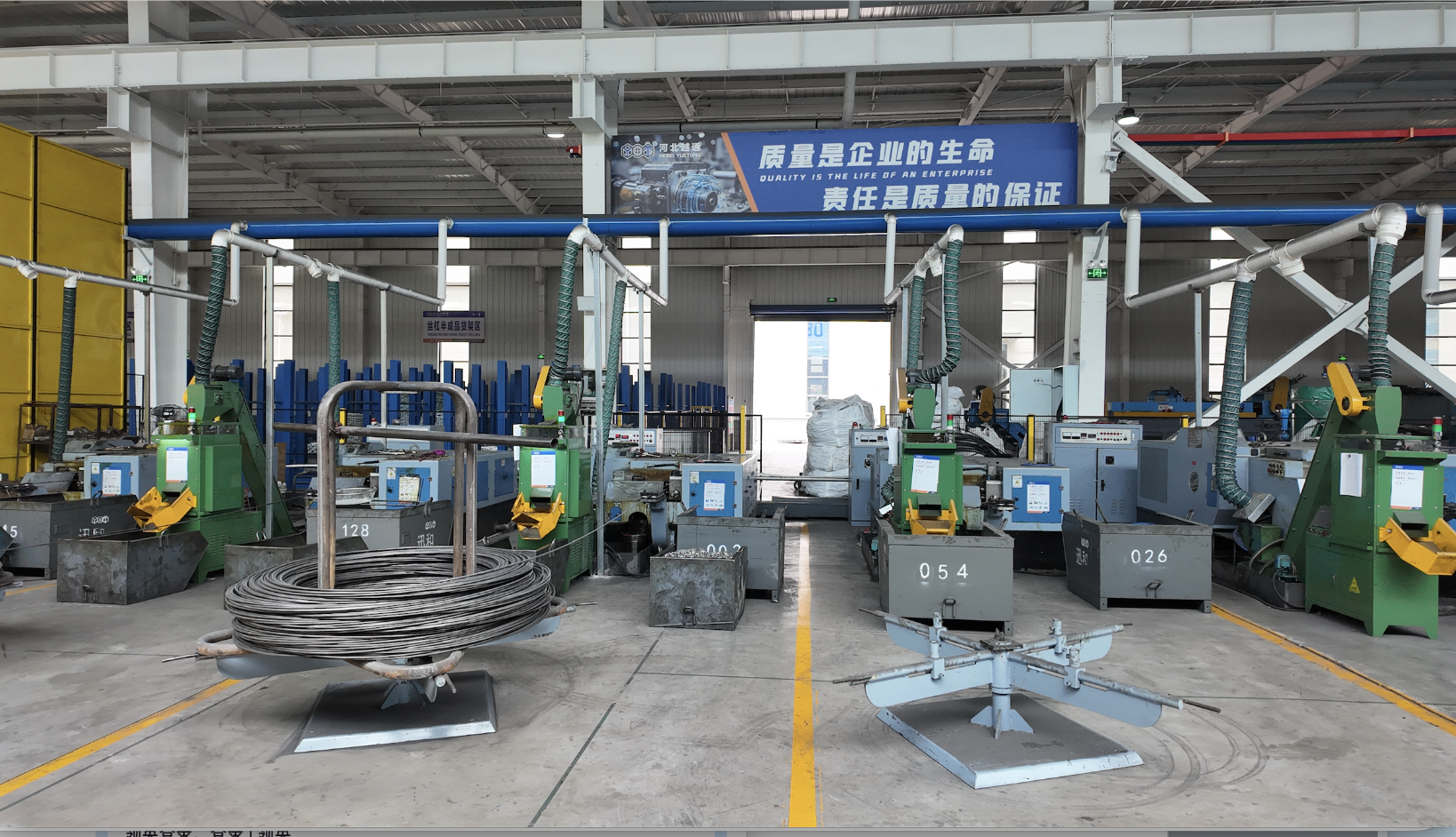
A sleeve anchor shortlist should begin with the project's acceptance criteria, not with a product photo. For a buyer evaluating YUETONG FASTENER—the brand of HEBEI YUETONG FASTENERS MANUFACTURING CO.,LTD—the verified evidence is a portfolio of management-system certificates, an EU-facing attestation, a carbon-footprint certificate and a supplier assessment. None of these documents alone proves that every sleeve anchor size is approved for every application. The value lies in matching the right certificate scope to the right project condition.
Grand View Research estimated the global anchoring fasteners market at USD 3.12 billion in 2024, with mechanical anchors accounting for 58.3% of revenue. That scale gives buyers many product listings to screen. A scope-based shortlist is more useful than a certificate count because it separates management-system evidence from product or process attestation and from supplier assessment. The implication is not that a certificate guarantees performance; it is that a certificate with a clear scope reduces ambiguity.
What a certified sleeve anchor shortlist should mean
In procurement language, certified does not have one meaning. A quality management certificate confirms that a management system has been assessed against a standard. A product or process attestation references specific technical standards and a defined product scope. A supplier assessment reviews factory capability. A carbon-footprint certificate quantifies greenhouse-gas performance under a stated scope. These documents answer different buyer questions and should not be blended into a single badge.
The certificate records associate several documents with Sleeve Anchor M5-M36 as a related product. That relationship is useful for screening, but the certificate text remains the controlling description. Buyers should read the scope, the standard edition, the annex where one exists, and the validity dates before treating a certificate as evidence for a quoted sleeve anchor.
Three document types, three buyer questions
- Management-system certificates answer whether the supplier has documented quality, environmental and occupational health and safety processes. They do not approve a specific anchor load or installation condition.
- Product or process attestations answer whether defined standards for coating, torque or thread geometry are referenced for a defined product scope. They still require a model or annex check.
- Supplier and carbon documentation answer onboarding, factory-capability or sustainability questions. They are not substitutes for product acceptance testing.
The five certified option profiles
The sequence below is an evaluation order, not a claim that one profile is universally superior. A project may need one profile or several. The shortlist becomes useful when the buyer marks which acceptance criteria are mandatory, which are supporting, and which require a product-specific document.
| Shortlist profile | Verified certificate evidence | Best-fit project trigger | What it supports | Boundary to check |
|---|---|---|---|---|
| 1. Quality-Acceptance Core | ISO 9001 No. 29024Q12949-09R1M; ISO 14001 No. 29025E12097-12R0M; ISO 45001 No. 29025S12024‑12R0M; issuer ZhongTai Union Certification Co., LTD | General construction, distributor onboarding or tenders requiring management-system evidence | Quality, environmental and occupational health and safety management activities within the stated scopes | ISO 9001 scope reads production of fasteners (nuts) and sales of fasteners; it is not a product-specific load approval for every sleeve anchor |
| 2. EU Coating and Torque Evidence | ECM type-approved attestation No. 3N230331.HYFUC49; EN ISO 10683:2018, EN ISO 16047:2005+A1:2012, EN ISO 4753:2011; issuer Ente Certificazione Macchine Srl | EU-facing projects where coating, torque/clamp force or thread-end standards are named | Voluntary attestation against the listed standards for bolts, nuts, washers, thread rods, various anchors, screws and other construction fasteners, subject to Annex I | Confirm the exact sleeve anchor model in Annex I; this is not an ISO management-system certificate |
| 3. Carbon-Footprint Documentation | ISO 14067 No. 33925CFMS00020R0S; T/CCAA 39-2022 and ISO 14067:2018; issuer ZQHX Certification Center Co.. Ltd | Sustainability questionnaires or tenders asking for carbon-footprint evidence | Processing and sales of fasteners (high-strength steel bolts, nuts) within the stated certification scope | The scope text does not name sleeve anchors; request a product-specific declaration if the project requires it |
| 4. Automotive-Adjacent Manufacturing Control | IATF 16949:2016 No. 2600920/R0M; issuer Beijing Zhong An Zhi Huan Certification Center Co,Ltd | Buyers evaluating automotive-style manufacturing discipline for nuts and bolts | Manufacture of fasteners (nuts, bolts), excluding product design under Clause 8.3 | Do not present it as a sleeve-anchor product certificate; the design exclusion and product scope matter |
| 5. Export Documentation Package | Profiles 1-4 plus Gold Plus Supplier Assessment No. 491647039 P+T; Alibaba.com, on-site assessment by SGS | Multi-market tender prequalification, distributor onboarding or factory-capability review | Factory supplier capability assessment for fasteners, including sleeve anchors, hex bolts and other fastener products | Gold Plus is a supplier assessment, not a product standard; certificate numbers and current status still need verification |
Profile 1: Quality-Acceptance Core
For a general contractor or distributor, the default starting point is the management-system set: ISO 9001, ISO 14001 and ISO 45001. The ISO 9001 certificate is No. 29024Q12949-09R1M, issued by ZhongTai Union Certification Co., LTD, with a validity period from 2021-09-14 to 2027-09-13. The ISO 14001 certificate is No. 29025E12097-12R0M, and the ISO 45001 certificate is No. 29025S12024‑12R0M, both issued by the same body with a validity period from 2025-12-18 to 2028-12-17.
These certificates answer a management question, not a product-load question. The ISO 9001 scope states production of fasteners (nuts) and sales of fasteners, including export business. The ISO 14001 and ISO 45001 scopes similarly refer to environmental management activities and occupational health and safety management activities involved in the production of fasteners (nuts), plus sales of fasteners including export business. A buyer should therefore use this profile to screen process discipline, not to assume that every sleeve anchor diameter has been individually approved.
Profile 2: EU Coating and Torque Evidence
The ECM attestation is the profile to examine when a project names coating, torque or thread-end standards. Certificate No. 3N230331.HYFUC49 was issued by Ente Certificazione Macchine Srl and is valid from 2023-04-03 to 2028-03-30. It references EN ISO 10683:2018, EN ISO 16047:2005+A1:2012 and EN ISO 4753:2011. In practical terms, EN ISO 10683 addresses non-electrolytically applied zinc flake coating systems, EN ISO 16047 addresses torque/clamp force testing, and EN ISO 4753 addresses ends of parts with external ISO metric thread.
This is a voluntary type-approved attestation, not a management-system certificate. Its scope covers bolts, nuts, washers, thread rods, various anchors, screws and other construction fasteners, subject to Annex I. A buyer should check that the exact sleeve anchor model appears in the annex and that the quoted coating route matches the standard named in the project specification. For outdoor, humid or coastal projects, a generic zinc-plated label is less informative than a coating standard tied to the offered product.
Profile 3: Carbon-Footprint Documentation
The ISO 14067 certificate is relevant when sustainability or carbon-footprint information is part of the tender. Certificate No. 33925CFMS00020R0S was issued by ZQHX Certification Center Co.. Ltd, is valid from 2025-12-08 to 2028-12-07, and references T/CCAA 39-2022 and ISO 14067:2018. The stated scope is processing and sales of fasteners (high-strength steel bolts, nuts).
That scope deserves careful reading. It does not name sleeve anchors. A buyer who needs a carbon-footprint figure for a sleeve anchor should ask whether a product-specific declaration or a scope clarification is available. The certificate is useful evidence that the supplier has a carbon-footprint methodology within a defined fastener scope, but it should not be presented as automatic coverage of every sleeve anchor size.
Profile 4: Automotive-Adjacent Manufacturing Control
IATF 16949:2016 is often read as an automotive-quality signal. For this supplier, Certificate No. 2600920/R0M was issued by Beijing Zhong An Zhi Huan Certification Center Co,Ltd, valid from 2026-05-07 to 2029-05-06. The scope is the manufacture of fasteners (nuts, bolts), and it explicitly excludes product design under Clause 8.3.
For a sleeve anchor buyer, this profile is best used as supporting evidence of manufacturing control for nuts and bolts. It is not a sleeve-anchor product certificate, and the design exclusion matters if the project requires supplier-led anchor design or application engineering. The buyer should ask how the IATF scope relates to the actual production route and whether sleeve anchors are covered by the quotation's quality plan.
Profile 5: Export Documentation Package
Some projects need a document package rather than a single certificate. That package can combine the management-system certificates, the ECM attestation, the ISO 14067 certificate and the Gold Plus Supplier Assessment. The Gold Plus certificate is No. 491647039 P+T, issued through Alibaba.com with an on-site assessment by SGS, valid from 2026-06-23 to 2027-06-22. Its scope is factory supplier capability assessment for fasteners, including sleeve anchors, hex bolts and other fastener products.
This profile is useful for distributor onboarding and multi-market prequalification because it includes a factory-capability view. It should not be treated as a product standard. The buyer still needs the product-specific certificate scope, coating evidence, inspection reports and acceptance criteria that apply to the order.
Matching profiles to corrosion, torque, carbon and quality acceptance
A shortlist is only as good as its matching rule. The following decision logic keeps the certificate evidence tied to the project condition.
When corrosion drives the choice
For outdoor structures, coastal installations, humid climates or projects with salt-spray exposure, start with Profile 2 and verify the coating standard. The ECM attestation references EN ISO 10683, which is the coating-related standard in the certificate set. Confirm the exact coating route in the quotation and check whether the sleeve anchor model is within Annex I. If the project requires stainless steel or hot-dip galvanizing, confirm the offered product and coating separately; the certificate set alone does not establish the coating for a specific SKU.
When torque and installation control drive the choice
Torque/clamp force matters when the project specifies controlled tightening. Profile 2 references EN ISO 16047, which is the torque/clamp force standard in the attestation. The certificate does not provide a project-specific tightening torque. The buyer should obtain the anchor installation instruction, the base-material condition, the hole diameter and the engineer-approved torque value, then check that the offered product and coating are consistent with the attestation.
When carbon footprint drives the choice
Use Profile 3 when a sustainability questionnaire asks for carbon-footprint evidence. Read the scope before accepting it: the ISO 14067 certificate covers processing and sales of fasteners (high-strength steel bolts, nuts). If the tender requires a sleeve-anchor-specific figure, request a declaration that names the product, boundary and methodology. Do not convert a certificate for a broader fastener scope into a product-specific carbon claim.
When quality acceptance drives the choice
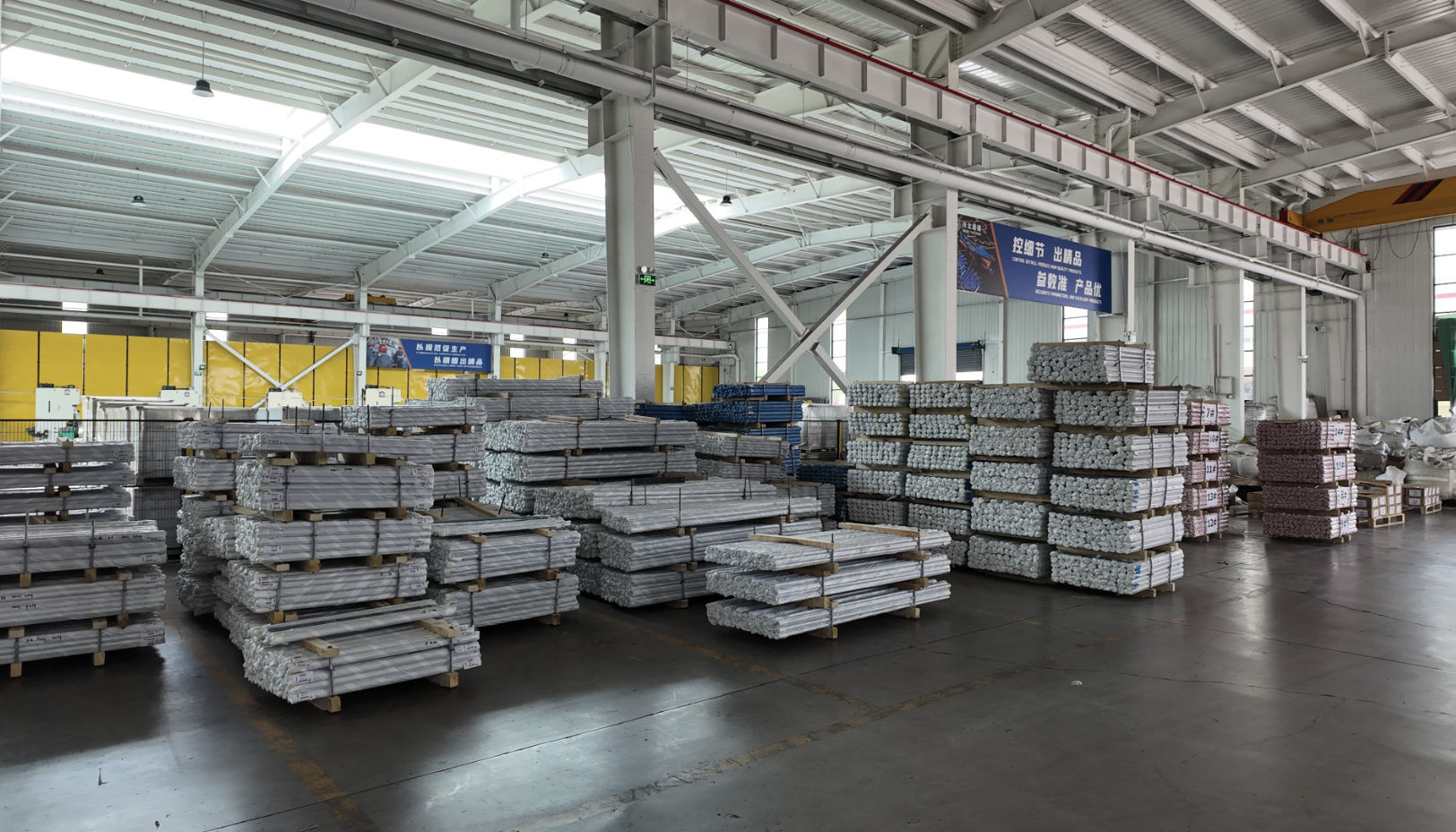
Use Profile 1 as the base and add the inspection evidence required by the order. The supplier's capability information lists raw-material incoming inspection, in-process patrol inspection, finished-product tensile load testing and pre-shipment inspection, with third-party SGS testing available. These are inspection activities, not a substitute for the certificate scope. The buyer should connect them to the acceptance plan: material certificate, dimensional check, visual check, tensile test report and packaging check.
Application fit: what the case record adds, and what it does not
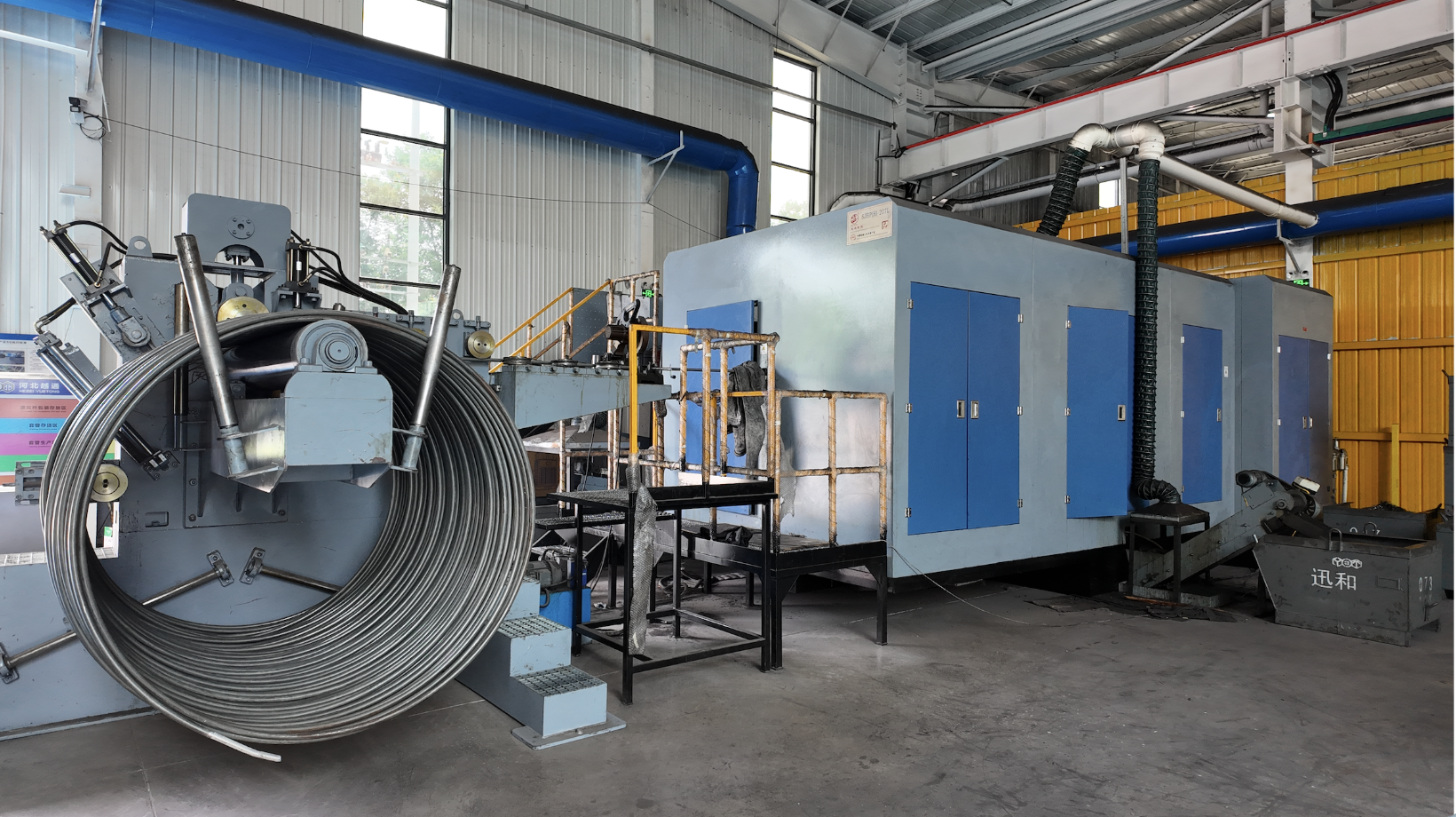
The available case record for product 7338 describes a global project that used 15,000 pieces in road facilities, billboard fixing, street light bases and PV bracket anchoring. The clients were engineering contractors, construction companies and hypermarket clients. The record states zero customer complaints over a 10-15 year project duration. This is a supplier case record, not an independent test report. It is useful for understanding the application context: outdoor fixing often puts coating, installation control and documentation under more scrutiny than an indoor application.
The case does not prove that every sleeve anchor in the range will perform the same way in every environment. A coastal project still needs a coating specification and a certificate-scope check. A project with vibration or dynamic load still needs the appropriate anchor selection and engineering approval. The shortlist should use the case as evidence of application experience, not as a substitute for project-specific acceptance criteria.
Certificate-only shortcut versus scope-based shortlist
| Common shortcut | Scope-based shortlist | Buyer effect |
|---|---|---|
| Treat any ISO certificate as product approval. | Separate management-system, product/process and supplier-assessment evidence. | Reduces the risk of accepting a certificate that does not cover the quoted product or test condition. |
| Count certificates without reading scope. | Match certificate scope to corrosion, torque, carbon or quality acceptance. | Makes the shortlist defensible in a tender review. |
| Accept a related-product list as the scope. | Check the certificate text, annex, model and validity dates. | Prevents a broad product-family link from becoming an unsupported product claim. |
Purchasing terms and acceptance criteria as the final filter
Certification fit should be followed by commercial and acceptance fit. The supplier's capability information lists an MOQ of 500 sets for standard products and 3,000 sets for non-standard customized products. Lead time is 3-7 days for in-stock products and 12-20 days for customized orders, with expedited delivery negotiable. These terms should be checked against the project schedule before the certificate profile is treated as a practical option.
The same information lists raw-material incoming inspection, in-process patrol inspection, finished-product tensile load testing and pre-shipment inspection, with third-party SGS testing available. After-sales support includes 24-hour technical communication, product selection guidance, free replenishment for factory quality defects, material certificates and test reports, and special service for engineering orders. These are useful acceptance inputs, but they should be written into the order rather than assumed from a certificate.
A practical acceptance checklist
- Match the legal entity name on the certificate to the supplier name in the quotation and contract.
- Verify each certificate number, issuer and validity date against the certificate copy and issuer record.
- Read the scope text and annex; do not rely only on the related-product list.
- For ISO 9001, ISO 14001 and ISO 45001, confirm the management-system scope and the sales coverage.
- For the ECM attestation, confirm the exact sleeve anchor model and the coating standard in Annex I.
- For ISO 14067, confirm whether the sleeve anchor is inside the stated carbon-footprint scope.
- For IATF 16949, note the product scope and the Clause 8.3 design exclusion.
- For Gold Plus, treat the document as a supplier assessment, not a product standard.
- Attach the order-specific inspection plan, material certificate, test report and packaging requirement.
Verification before selection
Certificate verification is a document-control step, not a formality. The buyer should check that the certificate number on the quotation matches the certificate copy, that the issuer name is consistent, that the standard edition is the one named in the project specification, and that the expiry date covers the delivery period. For the ECM attestation, the annex check is essential because the scope refers to various anchors and other construction fasteners. For the ISO 14067 certificate, the product-scope check is essential because the scope names high-strength steel bolts and nuts, not sleeve anchors.
A supplier might hold a valid certificate and still quote a product or coating outside that certificate's scope. The shortlist should therefore include a simple written confirmation: the certificate number, the product model, the coating route, the inspection standard and the acceptance criteria that will apply to the shipment. That confirmation turns a certificate profile into a procurement control.
Future outlook: a project-specific certificate set, not a longer badge list
The practical outlook is not that every sleeve anchor project will require every certificate. It is that project teams are likely to ask for the certificate that matches the acceptance criterion they are using. A corrosion-driven project may care most about the coating attestation. A sustainability-driven tender may ask for ISO 14067 evidence. A distributor onboarding process may ask for management-system and factory-assessment documents. The shortlist should be assembled for the project, not copied from a supplier profile.
For YUETONG FASTENER, the verified document set supports a structured evaluation: ISO 9001, ISO 14001 and ISO 45001 for management systems; IATF 16949 for nuts and bolts manufacturing control; ISO 14067 for a defined fastener carbon-footprint scope; and the ECM attestation for EN ISO coating, torque and thread standards. The buyer's task is to match those scopes to the project, verify the certificate details and keep the commercial terms in the final filter.
Sleeve anchor certification FAQ
What should a buyer verify first on a sleeve anchor certificate?
Verify the certificate number, issuer, validity dates and scope before looking at the product name. The scope should identify the management system, product or process being certified. For sleeve anchors, the buyer should also check whether the exact model or product family appears in the scope or annex, and whether the quoted coating and inspection requirements fall inside that scope.
Does ISO 14067 certification cover every sleeve anchor model?
No. The ISO 14067 certificate scope is processing and sales of fasteners (high-strength steel bolts, nuts). It does not name sleeve anchors. A buyer who needs a sleeve-anchor-specific carbon-footprint figure should request a product-specific declaration or a scope clarification instead of assuming the certificate covers every model.
Is IATF 16949 relevant to sleeve anchors if the certificate scope lists nuts and bolts?
It can be relevant as supporting evidence of manufacturing control for nuts and bolts, but it should not be presented as a sleeve-anchor product certificate. The certificate scope is manufacture of fasteners (nuts, bolts) and excludes product design under Clause 8.3. The buyer should check how the scope relates to the actual production route and the quoted sleeve anchor.
What do EN ISO 10683, EN ISO 16047 and EN ISO 4753 tell a project buyer?
They identify the technical areas referenced in the ECM attestation. EN ISO 10683 relates to non-electrolytically applied zinc flake coating systems, EN ISO 16047 relates to torque/clamp force testing, and EN ISO 4753 relates to ends of parts with external ISO metric thread. The buyer should still confirm the exact product in Annex I and obtain the project-specific coating and tightening requirements.
How do MOQ and lead time affect a certified sleeve anchor shortlist?
They determine whether a technically suitable option is practical for the order. The supplier's capability information lists an MOQ of 500 sets for standard products and 3,000 sets for non-standard customized products. Lead time is 3-7 days for in-stock products and 12-20 days for customized orders, with expedited delivery negotiable. These terms should be checked against the project schedule and the certificate profile before selection.
Reference document: the public YUETONG FASTENER brochure is available at this public link. Certificate copies, annexes and issuer records should be requested with the quotation and verified before the final shortlist is approved.
Tem questões ou precisa de mais detalhes?
Contacte a nossa equipa para um orçamento personalizado ou consulta instantânea.
Solicitar orçamento
Preencha o formulário abaixo e a nossa equipa entrará em contacto com uma proposta personalizada.
Chat direto do WhatsApp
Prefere conversar em tempo real? Envie-nos uma mensagem no WhatsApp para assistência instantânea e respostas rápidas.
- Obter orçamento personalizado
- Partilhar fotos ou documentos
- Discuta as suas necessidades diretamente
Geralmente responde em 5–30 minutos durante o horário de expediente.