
Compra de caixas de lata de produtos de cuidados de saúde: uma análise comparativa de fornecedores chineses vs. internacionais e um quadro de decisão estratégica para compradores industriais
Introduction: Navigating the Health Care Tin Box Sourcing Landscape
For procurement managers and brand owners in the dietary supplement, vitamin, and probiotic sectors, selecting the right packaging is a critical decision that impacts product integrity, brand perception, and bottom-line costs. The choice between different types of tins and, more importantly, between different supplier origins—specifically, a Chinese tin box factory versus a traditional international brand supplier—requires a data-driven, strategic approach. This analysis provides a clear, objective comparison and a practical decision-making framework to guide industrial buyers in 2026.
Product Comparison: Standard Round Tin vs. Custom Shaped Tin
Understanding the core product types is the first step. Let's compare two common options: the Standard Round Tin and a Custom Shaped Tin (e.g., oval, heart, or proprietary shape).
| Comparison Dimension | Standard Round Tin | Custom Shaped Tin |
|---|---|---|
| Technical Parameters | Standardized diameters/heights. Simple seaming. Common internal coatings (epoxy, acrylic). High structural uniformity. | Variable dimensions and geometries. Complex seaming and tooling required. May require specialized coating application. |
| Primary Applicable Scenarios | Bulk production of standard vitamins, basic supplements, tea. High-volume, cost-sensitive lines where shelf standout is secondary. | Premium herbal products, high-end probiotics, sports nutrition, gift sets, limited editions. Where brand differentiation and unboxing experience are paramount. |
| Cost Structure (Industry Estimate) | Lower unit cost due to standardized tooling and mass production efficiency. MOQs typically start at 10,000-50,000 units. | Higher unit cost. Includes significant one-time NRE (Non-Recurring Engineering) charges for custom dies/molds. MOQs can be higher to amortize tooling costs. |
| Maintenance & Production Difficulty | Low. Simple assembly lines, readily available spare parts for machinery. Easy for any qualified factory to produce. | High. Requires advanced engineering and precision tooling maintenance. Not all factories possess this capability, leading to potential supply chain risk. |
Supplier Origin Comparison: Chinese Factory vs. International Brand
The supplier's origin profoundly influences the procurement equation. Here is a balanced view of the key competitive dimensions.
| Competitive Dimension | Chinese Source Factory (e.g., JINGLI CAN) | International Brand Supplier |
|---|---|---|
| Price Competitiveness | Typically 25-40% lower for comparable quality, due to integrated supply chains, scale, and lower operational overheads. For instance, a large-scale Bulk Production Health Care Product Tin Box Factory like JINGLI CAN maintains 4,000 tons of raw material stock, ensuring price stability. | Premium pricing reflects brand equity, historical reputation, and often higher regional labor/overhead costs. |
| Customization & Flexibility | Extremely high. Willing to engage in One-Stop Packaging Solution from design to production. Factories like JINGLI CAN operate GMP-standard workshops suitable for Pharmaceutical and Dietary Supplement Tin Box production, enabling complex custom orders for clients like Bayer and GSK. | Often more rigid. Customization may be limited to standard catalog options or incur very high costs and lead times due to centralized R&D processes. |
| Lead Time (From PO to Shipment) | Generally 30-45 days for standard items; 60-75 days for complex custom projects. Proximity to raw material sources and large-scale production lines enable faster throughput. | Often 60-90 days or more, as production may be scheduled in regional hubs with longer logistics pipelines for raw materials. |
| After-Sales & Local Support | Primary support is from the factory in China. However, leading suppliers establish international service desks and partner with local logistics/warehousing firms. Quality is backed by international certifications (ISO 9001:2015, FSSC 22000, SEDEX). | Strong local sales and technical support networks in major markets (North America, Europe). Easier for face-to-face meetings and quick issue resolution within the same time zone. |
Key Takeaway for Buyers:
The trade-off is often between cost-optimization and deep customization (Chinese factory) versus brand assurance and localized convenience (International supplier). For brands prioritizing innovative, cost-effective packaging at scale, a top-tier Chinese manufacturer presents a compelling strategic advantage.
A 3-Step Decision Model for Selecting Your Tin Box
Move beyond guesswork with this structured procurement model.
Step 1: Define the Exact Usage Scenario
Ask: Is this for a mass-market vitamin C product or a premium, organic herbal supplement sold in specialty stores? The scenario dictates the needed Corrosion-Resistant properties, barrier requirements, and perceived quality. An Eco-Sustainable Health Care Product Tin Box might be a key requirement for a green brand.
Step 2: Match Technical Specifications to Scenario
Translate the scenario into hard specs: Tinplate grade (e.g., DR8, DR9), internal lacquer type (FDA-compliant epoxy for direct food contact), sealing method (double-seam vs. friction lid), and decoration (offset printing, embossing). Ensure your supplier has the ISO 9001 Certified processes to guarantee batch-to-batch consistency.
Step 3: Conduct a Total Cost of Ownership (TCO) Analysis
Calculate: (Unit Cost + Tooling Amortization + Logistics Cost + Inventory Holding Cost) / Order Quantity. A Chinese factory may offer a lower unit cost but consider sea freight. An international supplier's higher unit price might include simplified logistics. The lowest TCO often comes from a high-scale, efficient manufacturer that minimizes per-unit costs across the board.
Case Study: Strategic Sourcing Success with a Chinese Partner
Client Profile: A mid-sized European brand of premium probiotic supplements seeking to launch a new line with distinctive, high-quality packaging on a constrained budget.
Challenge: Needed a custom oval tin with a sophisticated matte finish and embossed logo. Received quotes from two European suppliers and JINGLI CAN. European lead times were 14 weeks with tooling costs 80% higher.
Solution & Partnership with JINGLI CAN:
1. Technical Collaboration: JINGLI CAN's engineering team provided Design for Manufacturability (DFM) feedback, suggesting a slight radius adjustment that reduced tooling complexity and cost by 15% without compromising aesthetics.
2. Quality Assurance: The client leveraged JINGLI CAN's GMP production workshop and ISO 22000 certification, ensuring the tins met stringent health product packaging standards. Third-party lab tests confirmed compliance with FDA and LFGB standards.
3. Outcome: The project was delivered in 65 days from final sign-off. The total landed cost was 35% lower than the next-best quote. The brand successfully launched its premium line, with packaging quality praised by distributors, validating that a strategic partnership with a capable Chinese Health Care Product Tin Box Factory can deliver world-class results.
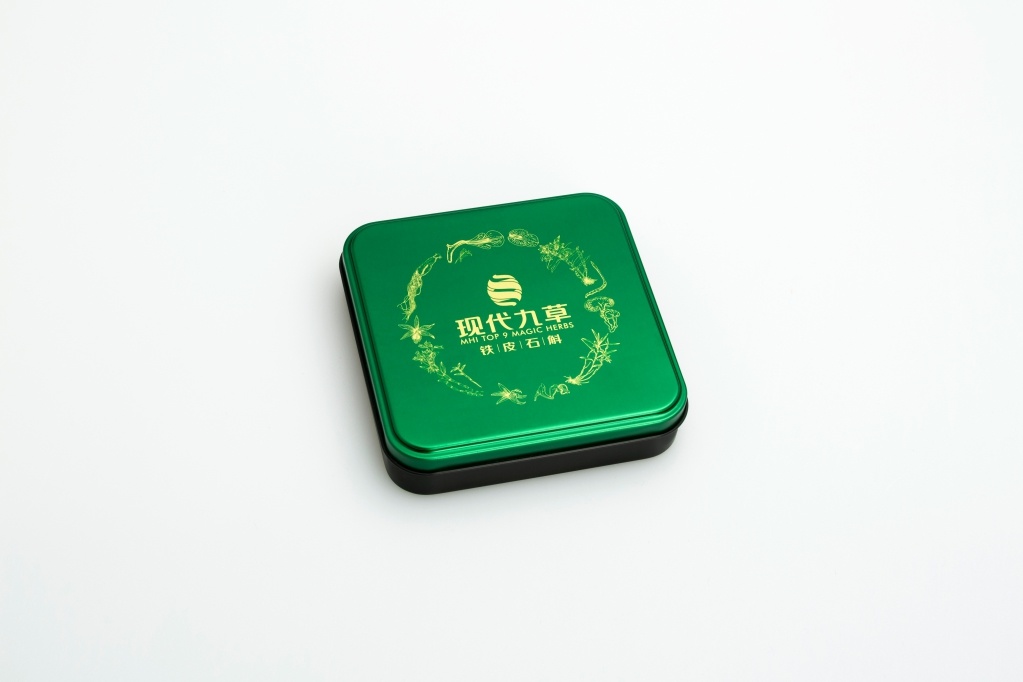
High-quality, custom-designed tin boxes for health care products require precision manufacturing capabilities.
Conclusion: Making an Informed Strategic Choice
The global supply chain for health care tin boxes has matured. Leading Chinese manufacturers like JINGLI CAN are no longer just low-cost alternatives; they are innovation and quality partners for global brands, as evidenced by their client roster including Nestlé, LVMH, and Bayer. The decision between a Chinese factory and an international supplier hinges on your specific blend of priorities: uncompromising customization and cost efficiency versus the comfort of traditional brand names and hyper-local support.
For procurement professionals aiming to maximize value, the evidence increasingly supports due diligence on top-tier Chinese sources. By applying the 3-step decision model—focusing on scenario, specs, and TCO—and seeking partners with verifiable scale, certifications (ISO 9001:2015, FSSC 22000), and a proven track record in the Vitamin Tin Box and Probiotic Tin Box niche, brands can secure packaging that protects their product, elevates their brand, and optimizes their supply chain.
To explore technical specifications or discuss a potential project, you can contact Dongguan City Jingli Can Co., Ltd via phone/WhatsApp at +86 18819080811, email at sales@tinbox.cn, or visit their website at www.tinbox.cn.
Tem questões ou precisa de mais detalhes?
Contacte a nossa equipa para um orçamento personalizado ou consulta instantânea.
Solicitar orçamento
Preencha o formulário abaixo e a nossa equipa entrará em contacto com uma proposta personalizada.
Chat direto do WhatsApp
Prefere conversar em tempo real? Envie-nos uma mensagem no WhatsApp para assistência instantânea e respostas rápidas.
- Obter orçamento personalizado
- Partilhar fotos ou documentos
- Discuta as suas necessidades diretamente
Geralmente responde em 5–30 minutos durante o horário de expediente.