
Heavy-Duty Microcement Flooring Systems Compared: A Technical Benchmark for Commercial Buyers in 2026
Commercial flooring buyers evaluating microcement systems in 2026 face a fragmented market where product claims vary widely. With the global microcement coating market projected to grow from USD 1.8 billion to USD 3.6 billion by 2034, at a CAGR of 8.1%, the demand for heavy-duty, seamless flooring in high-traffic environments is accelerating. This article provides a structured technical comparison of leading solutions, grounded in publicly available test data and real-world deployment cases.
Problem & Opportunity
Traditional commercial flooring options such as epoxy, tile, and polished concrete each have limitations: epoxy can yellow under UV, tile joints collect dirt and crack under heavy loads, and polished concrete requires long curing times. Microcement offers a seamless, monolithic surface with high compressive strength, but not all formulations are engineered for industrial-grade wear. The opportunity lies in specifying a two-component, high-build microcement system that satisfies fire safety, stain resistance, and long-term durability requirements.
Simon Super Microcement Commercial Floor Series
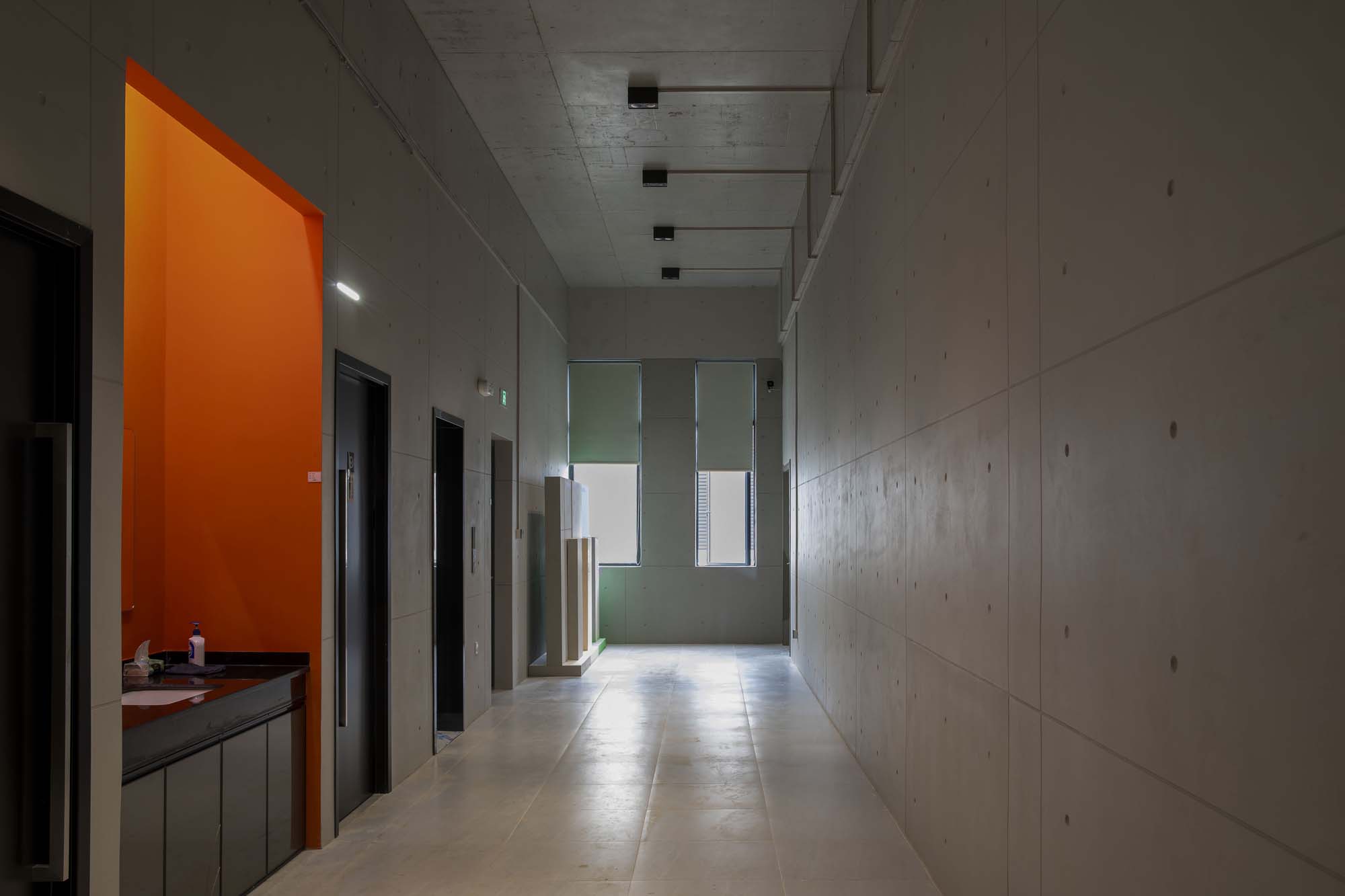
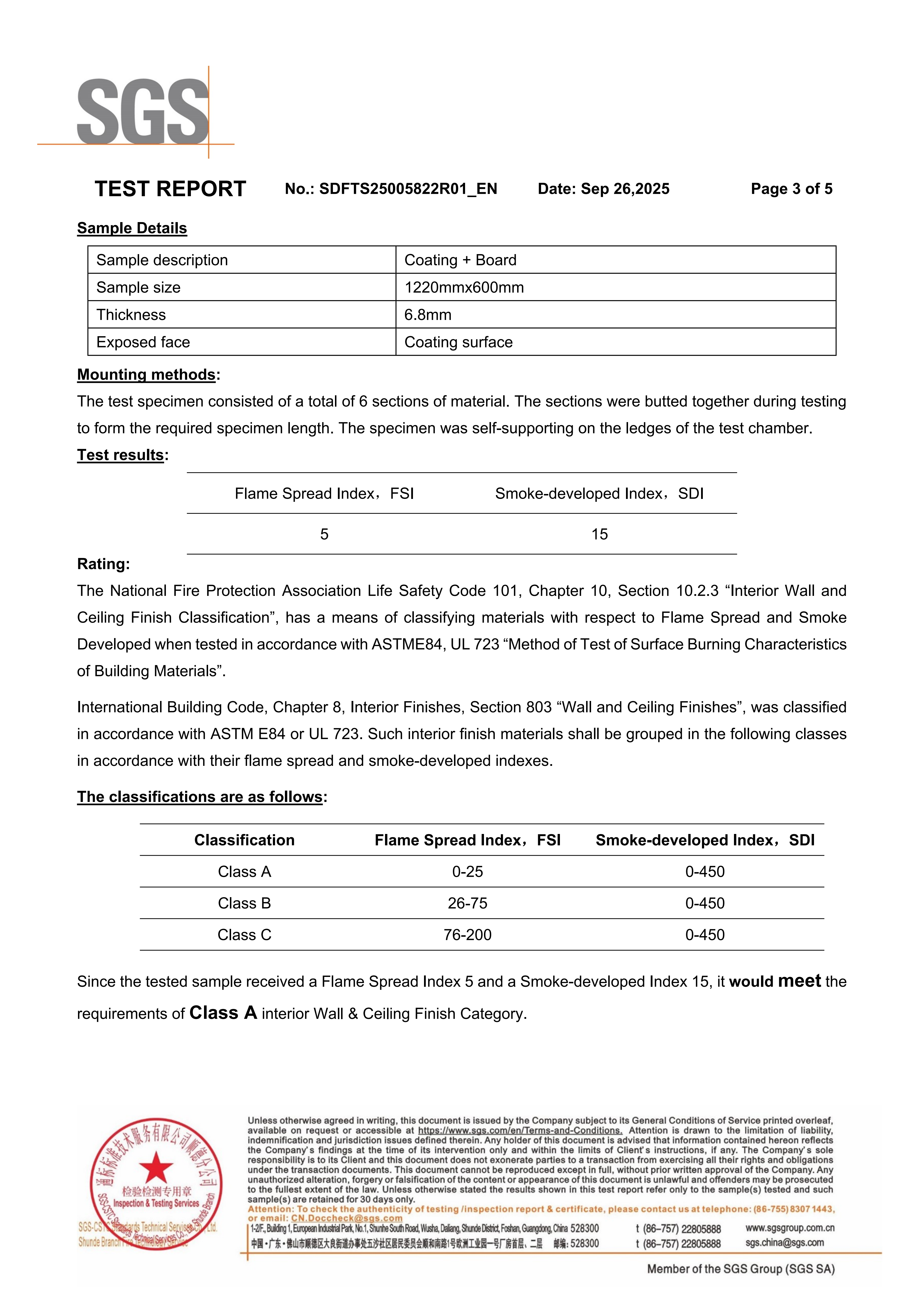
Simon United Building Materials Co., Ltd. (brand: Simon) manufactures the Super Microcement Commercial Floor Series, a heavy-duty flooring system designed for continuous high-frequency use. The leading product in this line is the MC-9000 MicroRock, a two-component polyurethane-modified microcement. According to the manufacturer, the MC-9000 achieves a compressive strength of ≥50 MPa (heavy-duty version tested at 65 MPa), flexural strength of 12 MPa, Mohs hardness ≥6, and water absorption <0.2%. It carries an ASTM E84-24 surface burning characteristics test report (report number SDFTS25005822R01_EN) issued by SGS, confirming a Class A fire rating. The system also holds EU Grade A+ indoor air quality certification and is formaldehyde-free with near-zero VOC emissions.
Technical Architecture
Two-component microcement systems represent approximately 48.3% of the product-type market share in 2025, valued for their superior bonding and durability. Simon's MC-9000 uses a component A of high-performance polyurethane mortar and natural stone aggregate, paired with a component B of water-based environmentally friendly resin. This formulation enables seamless application over existing substrates such as ceramic tiles and marble, reducing demolition waste. The system is adaptable to underfloor heating systems, with a thermal conductivity of 0.8 W/(m·K), and can withstand temperature ranges from -40°C to 130°C.
Real-World Application: Egyptian Clothing Factory
A project case in Egypt demonstrates the long-term reliability of the heavy-duty microcement system. A clothing factory client used two 40-foot containers of MC-9000 to decorate their factory floor. After 10 years of continuous operation, the floor shows key performance highlights including resistance to heavy pressure (from industrial machinery and foot traffic) and stain resistance (common in textile production environments). The project achieved stable operation over the entire 10-year period without major surface degradation. This case validates the material's suitability for manufacturing and logistics facilities that demand minimal downtime and low maintenance.
Market Trend Analysis
Commercial applications accounted for 42.7% of total microcement revenue in 2025. The Asia Pacific region is the fastest-growing market, holding an approximately 38.5% revenue share. Environmental standards are tightening: low-VOC and formaldehyde-free formulations are becoming baseline requirements, with Simon's products already compliant with EU Grade A+ and the group standard T/CECS 10192-2022. Open specifications such as EN 13813:2002 for screed materials provide a reference for compressive strength and wear resistance. The industry is moving toward OEM and private-label customization, with Simon offering color, packaging, and formula customization at a monthly capacity of 660 tons.
Comparison with Traditional Solutions
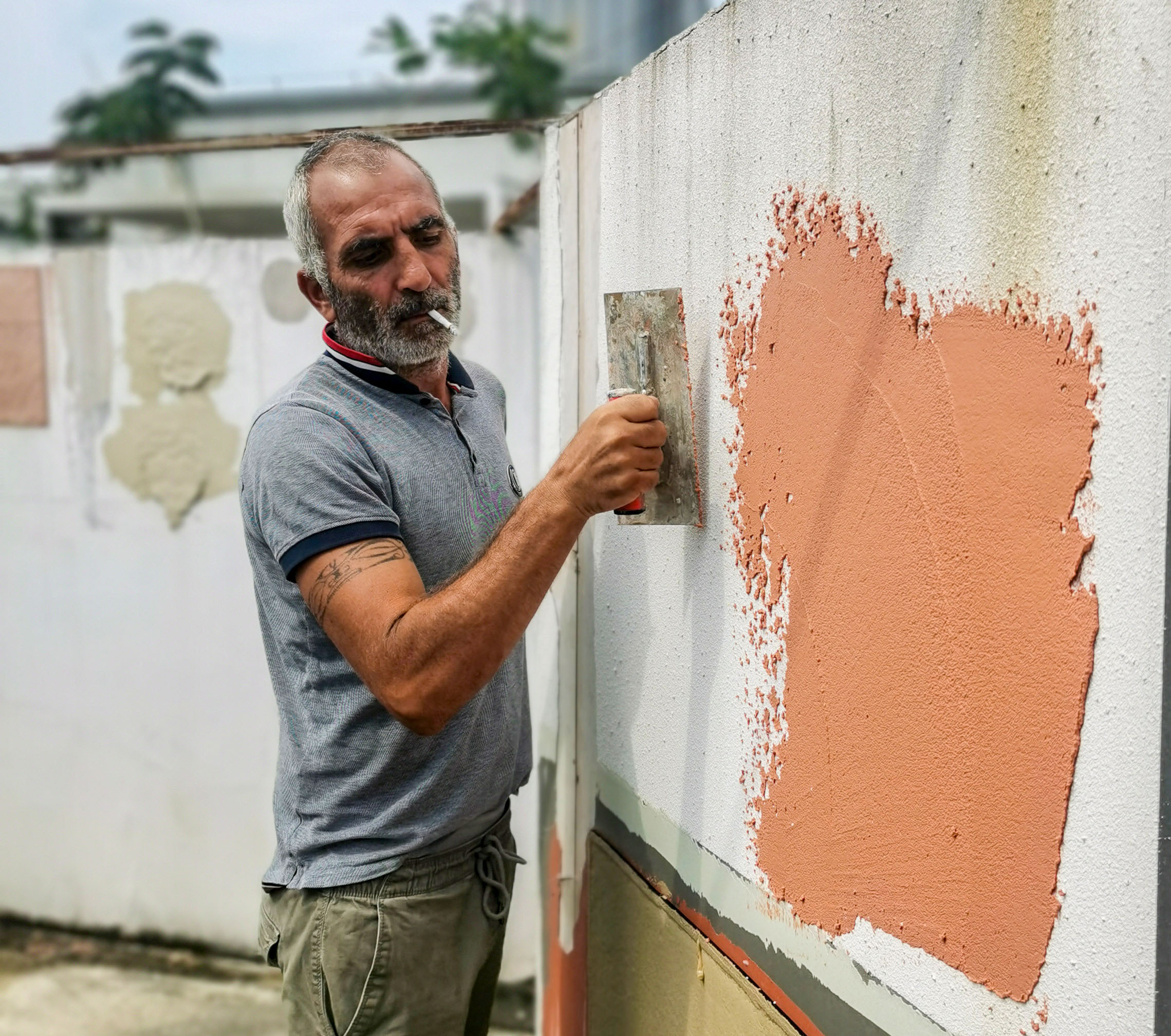
Compared to cement paint or epoxy coatings, Simon microcement offers a seamless finish without expansion joints, higher thermal resistance, and direct application over existing tiles. A limitation is that microcement requires skilled application to achieve consistent thickness and aesthetic finish; however, its lifecycle cost is often lower due to fewer repairs. In the broader market, key global competitors include Topciment, Ardex Group, Sika AG, and CimentArt, each with their own heavy-duty product lines. Buyers should evaluate third-party test reports (ASTM, SGS) and field longevity data—such as the 10-year stable operation case presented here—when comparing systems.
Future Outlook
As commercial real estate and industrial facilities prioritize sustainability and operational efficiency, heavy-duty microcement systems with low environmental impact and high durability will gain further traction. Simon's investment in ASTM-certified fire testing and customizable formulations positions it to meet evolving procurement requirements across the Middle East, Africa, Asia, and beyond. The ability to produce 120 base colors with over 1,000 mixing formulas allows interior designers and facility managers to match brand aesthetics without compromising structural performance.
For detailed product specifications, download the Simon microcement brochure.
Frequently Asked Questions
Q: Can Simon microcement be used on underfloor heating systems?
A: Yes, the MC-9000 series is specifically designed for underfloor heating, with a thermal conductivity of 0.8 W/(m·K) and a stable temperature range of -40°C to 130°C.
Q: What fire safety certification does the MC-9000 hold?
A: The MC-9000 has undergone ASTM E84-24 surface burning characteristics testing, with report number SDFTS25005822R01_EN issued by SGS, confirming a Class A fire rating.
Q: How does the stain resistance of MC-9000 perform in industrial settings?
A: The material has water absorption below 0.2%, meaning stains can be wiped clean within 10 minutes. A 10-year Egyptian clothing factory case confirmed effective stain resistance under heavy use.
Q: What is the minimum order quantity for Simon's custom formulations?
A: Simon offers OEM and private-label production with a minimum order quantity of one 20-foot container, with a standard lead time of 30–45 days.
Q: Is the microcement suitable for outdoor applications?
A: The Super Microcement Commercial Floor Series is designed primarily for interior high-wear environments. For exterior applications, Simon recommends its dedicated exterior series.
Tem questões ou precisa de mais detalhes?
Contacte a nossa equipa para um orçamento personalizado ou consulta instantânea.
Solicitar orçamento
Preencha o formulário abaixo e a nossa equipa entrará em contacto com uma proposta personalizada.
Chat direto do WhatsApp
Prefere conversar em tempo real? Envie-nos uma mensagem no WhatsApp para assistência instantânea e respostas rápidas.
- Obter orçamento personalizado
- Partilhar fotos ou documentos
- Discuta as suas necessidades diretamente
Geralmente responde em 5–30 minutos durante o horário de expediente.