
Hemp Seed Application Fit: Matching Hulled, Kernel and Protein Powder to Food Uses
Hemp Seed Application Fit: Matching Hulled, Kernel and Protein Powder to Food Uses
The most reliable way to choose a hemp seed format is to start with the food function, not the product name. A visible seed piece, a dehulled kernel and a 70–75% protein powder solve different formulation problems, even when all three are sold as organic hemp seed. For food manufacturers and brands, the practical question is: what should the ingredient do in the final product—add texture, carry a protein target, support a clean label, or satisfy a specific certification filter? That answer usually narrows the format before price or supplier discussions begin.
Application fit is a procurement discipline
Hemp seed is not a single ingredient category. The supplied range from Senqi Food covers Organic Hemp seed, Organic Hemp seed Hulled, Organic Hemp Seeds Kernel, Organic Hemp Seed Protein Powder 70% and Organic Hemp Seed Protein Powder 75%. Those names point to different physical forms and different food-manufacturing roles. A buyer who compares them only by price per kilogram can miss the cost of reformulation, label changes, trial batches and certification checks.
The more useful decision sequence is: define the eating experience, define the protein or fiber target, define the required certification scope, then ask which format can meet all three. A hulled seed may be the obvious choice for a visible topping, while a protein powder may be the more direct route for a protein-fortified smoothie. In baking, the answer may be a blend of formats or a single format used at a low inclusion rate. The format should follow the application, not the other way around.
This is also where neutral product facts become procurement criteria. The supplied product description states that the organic hemp seed range is gluten-free, vegan, kosher and halal friendly, and that the seed formats are raw, natural, non-GMO, with no additives, fillers or artificial preservatives. It also states complete plant-based protein with all nine essential amino acids, a 3:1 ratio of Omega-6 to Omega-3, and high dietary fiber. Each fact matters, but each matters differently depending on whether the buyer is making a sprinkle, a cereal inclusion, a smoothie base or a baked good.
Three formats, three jobs
The quickest way to compare the range is to separate the visible-particle formats from the concentrated protein format. Hulled seed and kernel formats are closest to the whole food ingredient. Protein powder is a formulation ingredient with a higher protein density. The table below is a starting filter, not a final specification.
| Format | Primary food role | What the buyer should confirm |
|---|---|---|
| Hulled hemp seed / hemp hearts | Visible texture in sprinkles, cereals, salad toppings and bakery inclusions | Label name, particle size, organic certificate scope, additive-free status, packaging format |
| Hemp seed kernels | Defined particle for cereals, baking and toppings where a dehulled kernel is specified | Whether kernel means dehulled seed, granulation, purity, foreign-matter control, EU or USDA organic scope |
| Hemp seed protein powder 70% / 75% | Protein density in smoothies and protein-fortified formulations | Protein percentage, certificate of analysis, texture and taste in trial, additive-free status, organic scope |
One scope note is necessary. Hemp seed oil is an extraction stream, not a direct substitute for hulled seed or protein powder in the applications discussed here. Roasted hemp seed is also a separate format from the dried, unroasted seed customization listed by Senqi Food. Buyers who need an oil or a roasted profile should specify that requirement separately rather than assuming a standard hulled or kernel format will perform the same role.
Hulled hemp seed and hemp hearts: visible texture in toppings, cereals and salads
Hulled hemp seed is the format most closely associated with the trade name hemp hearts. In many food markets, organic hemp hearts, organic hulled hemp seeds and EU organic hulled hemp seeds describe dehulled edible hemp seed with a soft, visible particle. The format fits applications where the consumer should see and feel the seed: sprinkles, salad toppings, cereal inclusions and bakery finishes. The product description supplied by Senqi Food lists exactly these versatile edible uses—sprinkles, baking, smoothies, cereals and salad toppings—alongside gluten-free, vegan, kosher and halal friendly attributes.
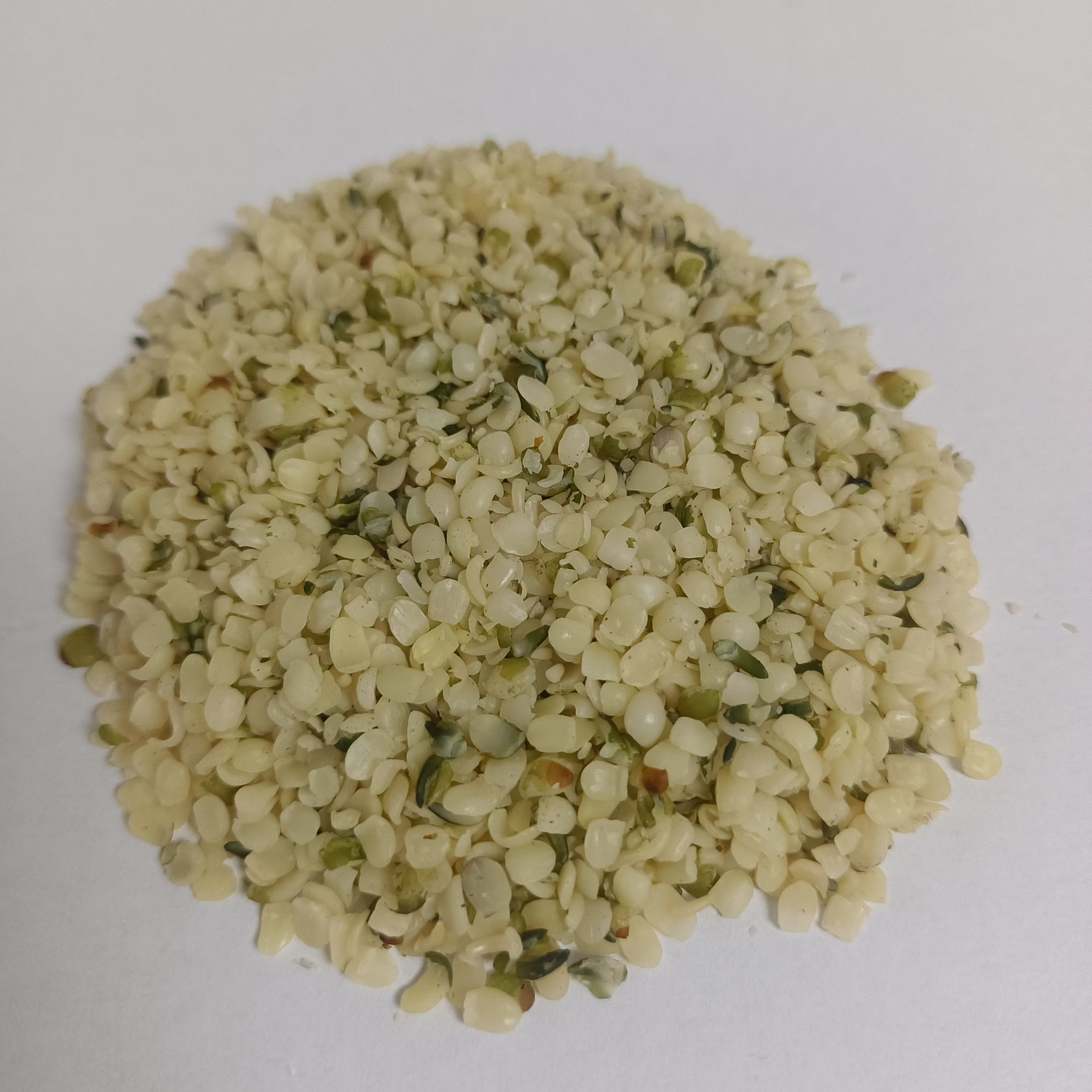
For a food manufacturer, the value of hulled seed is not only the nutrient list. It is the ability to add a plant-based, gluten-free and vegan ingredient without a long additive declaration. The supplied product description states that the seed formats are non-GMO with no additives, fillers or artificial preservatives. That makes the format relevant to clean-label briefs, but it does not remove the need to check the specification against the final product. A cereal coating, a salad topping and a bakery inclusion may all use hulled seed, yet each may require a different particle size, moisture tolerance or packaging format.
The certification filter also matters at this level. An EU organic hulled hemp seed buyer should confirm that the certificate covers the exact product and the importer’s transaction, not just the supplier’s overall organic status. The same discipline applies to organic hemp hearts sold into markets that require USDA organic or specific kosher and halal documentation. The format may be right for the food use, but the certificate scope must still be right for the market.
Hemp seed kernels: a trade name that needs a specification check
Hemp seed kernels fit the same broad family of visible-particle applications as hulled seed, but the name needs more careful handling. In trade use, hulled hemp seed, hemp hearts and hemp seed kernels can overlap. They may all refer to dehulled edible hemp seed. The buyer should not assume a functional difference from the label alone. The useful question is whether the supplier’s specification confirms a dehulled, food-grade kernel with the purity, granulation and organic scope required for the application.
For cereals and baking, a kernel format may be chosen where the buyer wants a defined particle and a clear specification sheet. Organic hemp seed kernels and EU organic hemp seed kernels can be used as an inclusion in cereal mixes, as a visible topping on baked goods, or as a component in a seed blend. The application fit depends on how the kernel behaves in the matrix: whether it remains visible, whether it affects texture, and whether the label can carry the intended claim. These are trial questions, not assumptions that can be settled by the product name.
The purchasing check is straightforward. Ask for the product specification, the certificate of analysis, the organic certificate scope and a sample that matches the intended particle size. Confirm whether the supplier uses the word kernel, hulled seed or hemp hearts on the commercial documents, because the final label and customs description should be consistent. For EU or UK imports, the standard HS code for hemp seeds other than sowing is 12079991, which is useful for customs classification but does not replace product-specific specification review.
Hemp seed protein powder 70% and 75%: protein density for smoothies and formulation
Hemp seed protein powder is the format to choose when protein density is the primary job. Senqi Food lists Organic Hemp Seed Protein Powder 70% and Organic Hemp Seed Protein Powder 75%. Both are organic, and the product parameter states a protein range of 70%–75%. The difference between the two grades is concentration. The buyer’s first question should not be which number is higher, but which protein target the formulation can tolerate alongside texture, taste, water absorption and cost.
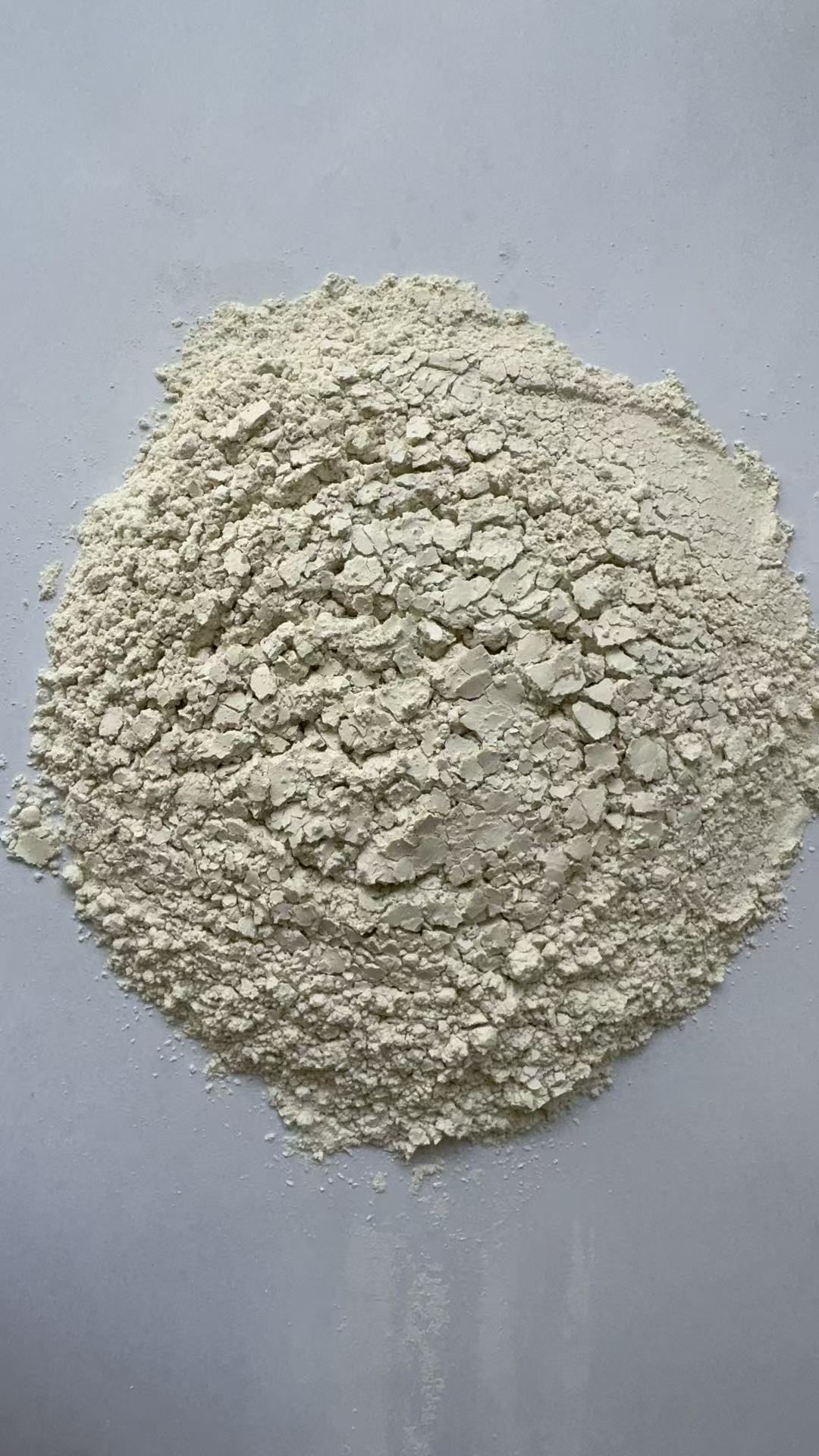
The supplied product description states that the hemp seed range provides complete plant-based protein containing all nine essential amino acids, a 3:1 ratio of Omega-6 to Omega-3, and high dietary fiber. These are formulation-relevant facts, but they do not make the powder a drop-in replacement for every protein source. In a smoothie, protein powder is the direct fit when the goal is to increase protein per serving without visible seed pieces. In baking, it can be used where protein fortification is wanted, but it should be tested for water absorption, crumb, flavor and volume. It is not a 1:1 flour swap.
The 70% and 75% grades should be compared in the actual food matrix. A higher protein percentage may help meet a protein target with a lower inclusion rate, but the trial must confirm that the texture and taste remain acceptable. Ask for a certificate of analysis for the specific grade, confirm that the organic certificate covers the powder, and check that the additive-free requirement is met. The application unit supplied for this range also notes that food-manufacturer use requires compliance with EU Organic and USDA Organic standards and freedom from artificial additives. Those are selection filters, not marketing claims.
Application map: sprinkles, baking, smoothies, cereals and salad toppings
The same hemp seed range can serve several food uses, but the format priority changes with the eating occasion. The table below maps the supplied use cases to the closest format fit and the check that should come before a sample trial.
| Food use | Closest format fit | Why it fits | Buyer check |
|---|---|---|---|
| Sprinkles | Hulled hemp seed / hemp hearts | Visible particle and soft texture on the surface of the food | Particle size, label name, organic scope, additive-free status |
| Baking | Hulled seed or kernel for inclusion; protein powder for protein fortification | Seed pieces add visible texture; powder supports a protein target | Trial for water absorption, crumb, flavor and volume; confirm grade and certificate scope |
| Smoothies | Protein powder 70% or 75% | Protein density without visible seed pieces | Dispersibility, taste, protein target, certificate of analysis |
| Cereals | Hulled seed or kernel | Visible seed inclusion in a dry mix | Particle size, purity, packaging, organic scope, shelf-life trial |
| Salad toppings | Hulled seed or kernel | Visible texture and plant-based topping position | Purity, label claim, kosher or halal scope if required |
This map is deliberately conditional. A smoothie can use hulled seed when texture is wanted, and a baked good can use protein powder when protein fortification is the goal. The point is to identify the dominant function first. If the food use depends on visible seed, the hulled or kernel format is the closer starting point. If the food use depends on a protein number, the 70% or 75% powder is the closer starting point. If both are required, the buyer may need a blend and a trial rather than a single format.
Certification as a selection filter, not a substitute for application fit
Certification narrows the supplier pool, but it does not choose the format. Senqi Food’s supplied profile lists EU Organic, USDA Organic, BRC, Kosher and Halal certification. The product description also states compliance with EU and USDA organic standards and describes the range as kosher and halal friendly. These are useful filters for food manufacturers and brands, especially when the final market has strict labeling or dietary requirements. They still need to be matched to the exact product and production scope.
For EU organic buyers, the regulatory background matters. Regulation (EU) 2018/848 has applied since January 1, 2022, and the import system moved to full compliance for third-country organic imports from January 1, 2025. That means an EU organic hemp seed, EU organic hulled hemp seed, EU organic hemp seed kernel or EU organic hemp seed protein powder buyer should confirm that the certificate covers the specific format and the specific supply chain. A supplier-level certificate is not the same as product-level confirmation.
USDA Organic plays a similar role for the US market. BRC is a food-safety and process-control filter for the processing environment, not a product application test. Kosher and Halal certification addresses dietary compliance, but the buyer should still confirm the certifying body, the product schedule and whether the relevant line is covered. In practice, the certification question is not “does the supplier have certificates?” It is “does the certificate scope match this format, this factory and this market?”
Technical and handling considerations for food manufacturers
The application unit supplied for this range describes normal ambient temperature, dry and clean storage and processing conditions. It also notes supporting equipment including a color sorting machine, a metal detector, and screening and milling equipment. For a buyer, these facts translate into handling questions: whether the receiving site can maintain dry and clean storage, whether the packaging protects the format, and whether the supplier’s control points match the buyer’s food-safety plan. The format should not be separated from the handling system that keeps it within specification.
Senqi Food’s capability unit adds several commercial and technical details. The supplier lists OEM/ODM and logo customization, industrial hemp seeds in hulled or unhulled form, dried and unroasted, for food ingredients or vegetable oil extraction, with THC content below 0.3%. It lists bulk or 25 kg woven bags, a monthly capacity of 200 MT, a lead time of 10–20 days, a MOQ of 500 KG, third-party laboratory testing and remote after-sales support. These are supplier facts that help evaluate fit. They do not guarantee a specific order allocation, so the buyer should confirm them in the RFQ and contract.
The company profile adds context for supplier evaluation. Senqi Food (Ningxia Senqi Food Industry Co., Ltd.) is a Ningxia-based agricultural supplier whose supplied profile lists organic hemp seed among its main products and EU Organic, USDA Organic, BRC, Kosher and Halal certifications. The company website is Senqi Food. The profile lists an 8,000 m² factory, 25 employees, annual output of 2,000 mt and exports of about 90% to markets including the EU and USA. It also lists two factories, one sales center and two planting farms, with GMP-standard workshops and processing aligned with BRC requirements.
One case signal: Australian wholesale health-food supply
The supplied case unit describes an Australian wholesale client in health food. The project involved 50–80 metric tons of hemp seed over 24 months, with stable product quality, compliance with local food safety standards, and high purity with stable batch consistency. For a buyer, the useful signal is not that one case proves every application. It is that a health-food channel can be supplied at commercial scale with documented quality and batch consistency. The buyer should still request product-specific laboratory data, certificate scope and a sample trial for the intended format.
This case is also a reminder that application fit and supply fit are separate checks. A supplier may be strong in one format or one market and still require a new trial for another. The Australian case supports the supplier’s ability to serve a health-food customer over a multi-year period. It does not replace the need to validate a specific hulled seed, kernel or protein powder grade in the buyer’s own formulation.
Market context: why format-level buying is becoming more relevant
Supply-side data help explain why buyers are paying more attention to format. European Commission data show that the EU hemp cultivation area rose to 37,740 hectares in 2024 from 28,830 hectares in 2023. More cultivation area does not automatically mean more food-grade hulled seed or protein powder, because processing, certification and application-specific quality still determine what reaches the food market. It does, however, support the case for a more structured format-level sourcing approach.
The protein powder segment is also distinct. Grand View Research and Mordor Intelligence data cited in the supplied evidence set estimate the global hemp protein powder market at USD 217.3 million in 2025, with the organic segment projected to grow at a 5.98% CAGR through 2031. That is not proof that every food manufacturer needs a protein powder grade. It does show that protein powder is a commercial segment in its own right, not simply a leftover from seed processing.
Aggregate hemp seed market figures need more caution. DataM Intelligence estimates the global hemp seeds market at USD 5.98 billion in 2025, rising to USD 10.84 billion by 2033, while an IMARC figure cited in the same evidence set is USD 1.24 billion for 2025. The gap reflects different product definitions, especially whether downstream oil and protein are included. For procurement, the usable signal is directional: format-level demand is diversifying, but buyers should not treat aggregate market values as a precise purchasing benchmark.
What to verify before choosing a format
The final choice should survive a short verification checklist. The checklist is not a sales step; it is the minimum evidence set for a food manufacturer or brand to compare formats on the same basis.
- Define the food function: visible particle, protein density, fiber contribution, or a combination. Match the format to that function before comparing price.
- Confirm the label name: hulled hemp seed, hemp hearts, hemp seed kernels or protein powder. The commercial documents and the final label should use the same term.
- Check the specification: protein percentage for 70% or 75% powder, dehulled status for kernel formats, particle size where relevant, additive-free status and THC content below 0.3% where applicable.
- Match the certificate to the product and market: EU Organic, USDA Organic, BRC, Kosher and Halal scopes should be checked at product and line level, not only at supplier level.
- Request a certificate of analysis and a sample that matches the intended format. Run a trial in the actual food matrix, especially for baking and smoothies.
- Confirm commercial terms: MOQ of 500 KG, lead time of 10–20 days, monthly capacity of 200 MT, bulk or 25 kg woven bags, and third-party laboratory testing.
- Check import classification where relevant. The EU and UK standard HS code for hemp seeds other than sowing is 12079991.
- Document batch consistency and local food-safety requirements. A single approved sample is not the same as an ongoing supply specification.
Future outlook: format-specific evidence will matter more than generic claims
The practical outlook is not that one hemp seed format wins. It is that buyers will ask for more format-specific evidence. A hulled seed buyer needs particle and label data. A kernel buyer needs a clear definition and purity specification. A protein powder buyer needs a certificate of analysis, a protein target and a trial result. Certification will remain a filter, but it will not replace application validation.
As EU organic enforcement matures and the protein powder segment develops, suppliers that can connect certificate scope to a specific format will be easier to evaluate. Senqi Food’s supplied profile—organic hemp seed, hulled and kernel formats, 70% and 75% protein powder, five certification types and export experience—provides a useful reference point for that discussion. The buyer’s task is still to verify the exact format, certificate and trial result for the intended food use.
For readers who need the full specification set, Senqi Food’s downloadable brochure is available here: Senqi Food brochure.
FAQ
Which hemp seed format is the closer fit for smoothies?
Protein powder is the closer fit when protein density is the main goal. Hulled hemp seed or kernels are the closer fit when visible texture is wanted. The final choice depends on the protein target, the base liquid and the texture the formulator wants. A sample trial should confirm taste and dispersion before a format is locked.
Can hulled hemp seeds be used in baking?
Yes. Hulled hemp seeds can be used as an inclusion or topping in baked goods. If protein fortification is the goal, 70% or 75% hemp seed protein powder may be the more direct format, but it should not be treated as a 1:1 flour replacement. Test water absorption, crumb, flavor and volume in the actual recipe.
What is the difference between hulled hemp seed and hemp seed kernels?
The terms overlap in trade use. Both can describe dehulled edible hemp seed. Buyers should confirm the supplier’s specification rather than relying on the name alone, especially for granulation, purity and organic certificate scope. The commercial documents and the final label should use the same term.
How should a buyer compare 70% and 75% hemp seed protein powder?
Start with the protein target and the formulation’s tolerance for texture and taste. Both grades are listed as organic. Request the certificate of analysis for the specific grade and run a trial in the final application. A higher protein percentage is not automatically the better fit if the food matrix cannot carry it.
Do EU Organic, USDA Organic, BRC, Kosher and Halal certifications guarantee that a format fits my application?
No. They are selection filters. They show that certain production, safety or dietary requirements are covered, but the buyer must confirm that the certificate scope covers the exact format and production line. Application fit still requires a specification review and a trial in the intended food.
Tem questões ou precisa de mais detalhes?
Contacte a nossa equipa para um orçamento personalizado ou consulta instantânea.
Solicitar orçamento
Preencha o formulário abaixo e a nossa equipa entrará em contacto com uma proposta personalizada.
Chat direto do WhatsApp
Prefere conversar em tempo real? Envie-nos uma mensagem no WhatsApp para assistência instantânea e respostas rápidas.
- Obter orçamento personalizado
- Partilhar fotos ou documentos
- Discuta as suas necessidades diretamente
Geralmente responde em 5–30 minutos durante o horário de expediente.