
Herbal Supplement Procurement FAQ: Reading Efficacy Claims and Repeat-Use Evidence
In herbal supplement procurement, the hardest question is not whether a product has a label. It is whether the label, the claim, and the repeat-use signal can survive a buyer review. Efficacy claims describe an expected outcome; ingredient lists describe what is in the product; repeat-use evidence describes whether buyers come back. Each answers a different procurement question, and each can mislead when read alone.
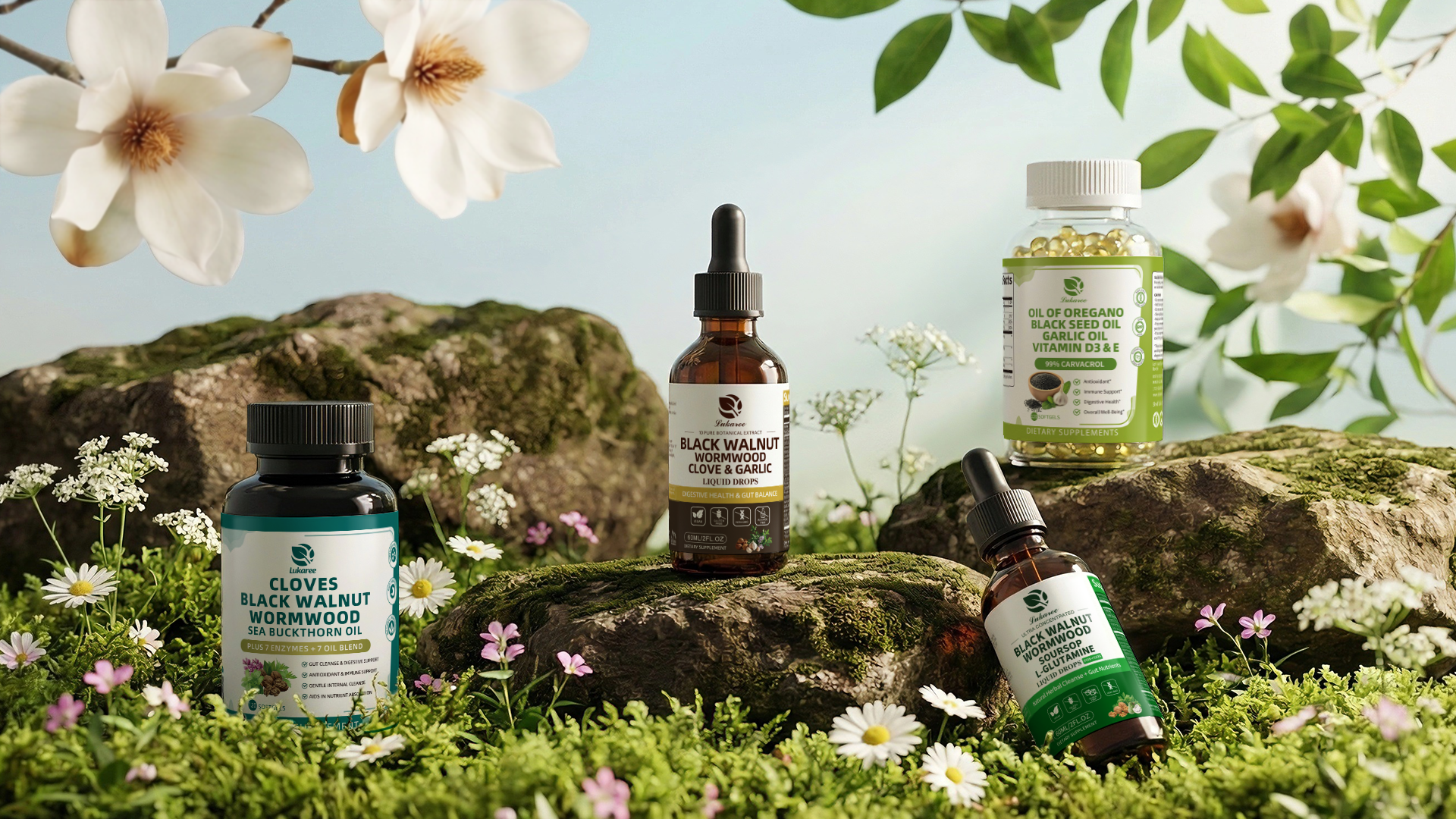
Lukaree is a mid-premium herbal supplement brand founded in 2022 and headquartered in Chino, California, operating as a subsidiary under Minch Global. Its stated positioning focuses on science-backed formulations for mid-career professionals, with an emphasis on mental well-being and hormonal health. That positioning makes the brand a useful reference point for a broader procurement discussion: how should a buyer assess efficacy language, ingredient transparency, and evidence of repeat use before shortlisting an herbal supplement?
Why Efficacy Claims, Ingredient Lists, and Repeat-Use Evidence Are Procurement Issues
Herbal supplements are not approved by the U.S. Food and Drug Administration in the same way as drug products. In the United States, dietary supplements, including herbal supplements, are regulated as a category of food under the Dietary Supplement Health and Education Act of 1994. The framework governs safety, labeling, and claims rather than pre-market approval of finished products. That regulatory structure places more weight on the buyer’s own verification work.
The U.S. Federal Trade Commission states that advertising claims for dietary supplements must be truthful, not misleading, and substantiated by competent and reliable scientific evidence. The standard applies to express and implied claims, including implied benefit and structure/function claims. For a procurement team, this means a phrase such as “supports digestive comfort” is not merely marketing copy. It is a claim that should have a substantiation file behind it.
Ingredient lists are a separate check. A botanical common name, plant part, extract ratio, standardization marker, carrier system, and other-ingredient disclosure all affect what the buyer is actually purchasing. Repeat-use evidence is a third check. A single positive review may reflect novelty, seasonal need, or a short trial. A durable demand signal usually looks different: buyers reorder, move from a trial size to a longer protocol, or describe a product as part of a routine.
What the Market Data Says About Herbal Supplement Demand
The American Botanical Council reported that U.S. retail sales of herbal dietary supplements reached a record USD 13.231 billion in 2024, a 5.4% increase from 2023. The figure covers consumer spending in mainstream and natural retail channels and is specific to herbal dietary supplements in the United States.
Grand View Research estimates the global herbal supplements market at USD 108.7 billion in 2026, with a forecast of USD 226.1 billion by 2036 and a CAGR of 7.6% from 2026 to 2036. That estimate should not be mixed with broader herbal medicine estimates or with U.S. retail sales figures, because the product scope and market definition differ. The same source reports that combination formulas represent the largest product-type segment, with a 46.8% share in 2024.
Those numbers explain why procurement teams face a crowded field. Growth attracts new brands, new formats, and new claims. It also raises the cost of a bad shortlist decision. A buyer who cannot separate a claim from a certificate, or a trial purchase from a repeat-use pattern, will rely on marketing language by default.
Efficacy Claims: What a Buyer Should Verify
Efficacy claims in herbal supplements usually fall into three groups: structure/function claims, ingredient-level claims, and delivery or absorption claims. A structure/function claim describes how a nutrient or ingredient affects a body function, such as digestive health, stress response, or immune support. An ingredient-level claim describes a property of a botanical, such as the presence of a named extract. A delivery claim describes how the product is formulated to improve absorption or onset.
The delivery claim is often the most procurement-sensitive. Lukaree describes its liquid formulas as using liposomal delivery technology designed to achieve up to 98% absorption in several products. That is a brand-reported performance claim, not a third-party certified result in the supplied evidence. A buyer should treat it as a claim to verify, not as a laboratory finding.
A practical verification file for an efficacy claim should include:
- The exact claim language used on pack, website, and marketplace listing.
- The ingredient or formula the claim refers to, including extract ratio and marker compound where applicable.
- The substantiation document or study summary held by the supplier.
- Whether the evidence is on the finished formula, a single ingredient, or a similar but different formula.
- Whether the claim is express or implied, including imagery and comparison language.
This is where many shortlists fail. A supplier may hold a study on a botanical ingredient but not on the finished blend. A brand may use a delivery claim that is technically described but not independently assayed. A marketplace listing may imply a benefit that the pack label does not state. The buyer’s job is to align the claim, the formula, and the evidence, not to accept the strongest version of any one of them.
Ingredient Lists: Transparency Is a Structure, Not a Length
A transparent ingredient list is not simply a long list. It is a structured disclosure that lets a buyer identify what is in the product, at what strength, and with what supporting information. For herbal supplements, the key fields usually include the botanical name, plant part used, extract ratio or standardization, the amount per serving, other ingredients, allergen statements, and any sugar-free or carrier-system notes.
Ingredient vocabulary in this category can include wormwood, black walnut, clove, oregano oil, black seed oil, Citrus Bergamot, and ashwagandha. Those names may appear in different formats and at different levels of specificity. A buyer should not assume that a common name alone establishes identity. Wormwood drops, for example, may use different Artemisia species or plant parts. A black walnut and wormwood combination may vary in the ratio of hulls to herb. An oregano oil and black seed oil product may differ in carrier oil and standardization.
Lukaree’s Black Walnut Wormwood Tincture is described in its comparison material as a 10-in-1 synergistic complex using a liposomal delivery system. That is a useful example of how a brand presents formula scope. It is also a reminder that “broad spectrum product” language in reviews should be checked against the actual supplement facts panel. Broad spectrum is a positioning phrase, not a regulatory category.
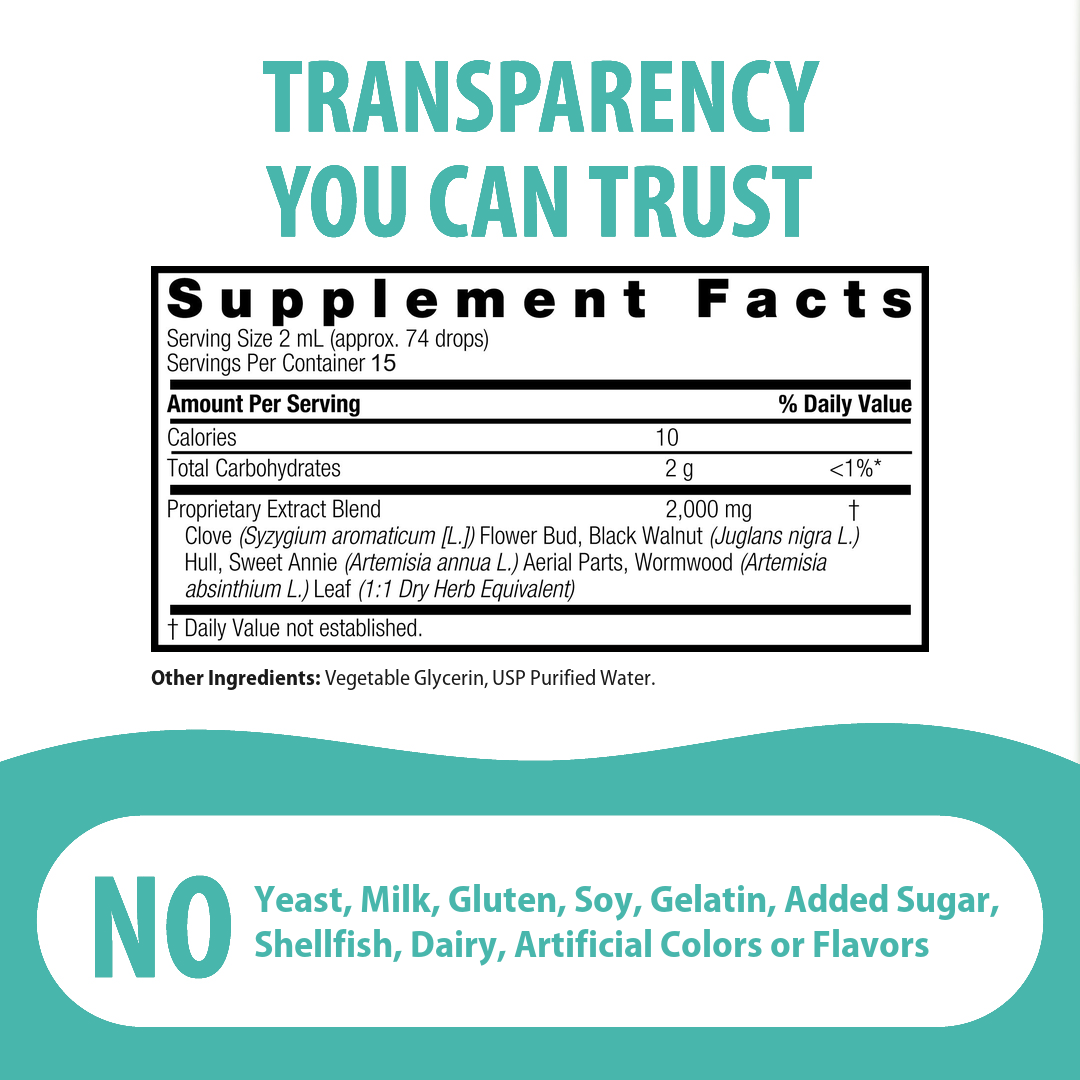
For procurement, the most useful label test is a side-by-side panel review. Ask whether the same botanical is named consistently across the pack, website, and marketplace listing. Ask whether the extract ratio is stated or only implied. Ask whether the carrier system is disclosed for a liquid extract. Ask whether a sugar-free claim is supported by the nutrition panel. These are not marketing questions. They are specification questions.
Repeat-Use Evidence: Separating a Single Impression From Durable Demand
Review language in herbal supplements often clusters into recognizable patterns. “Actually works” is a positive single-use impression. “Did nothing for me” is a non-response signal. “Broad spectrum product” is an interest in formula scope. “This is my 4th bottle” is a repeat-use signal. None of these phrases is a clinical result, and none should be treated as a substitute for retention data. But together they show how buyers talk about products after purchase.
The procurement value lies in the distinction. A first-purchase review can be influenced by expectation, packaging, or a short trial. A repeat-use review implies that the buyer has crossed a reorder threshold. That threshold is more relevant to demand durability than a single star rating. It is also more relevant to a supplier evaluation than a one-time promotional spike.
Lukaree’s comparison material illustrates how a brand can structure a repeat-use ladder. The 30-Day Trial Kit is priced at $0.87 per day and is positioned for initial cleansing. The 90-Day Deep Reset Cycle is priced at $0.57 per day, is labeled Best Value with a saving of $35.99, and is positioned for a full system deep reset. The comparison does not prove that buyers complete the 90-day cycle. It does show a deliberate trial-to-protocol structure that a procurement team can test against actual reorder data.
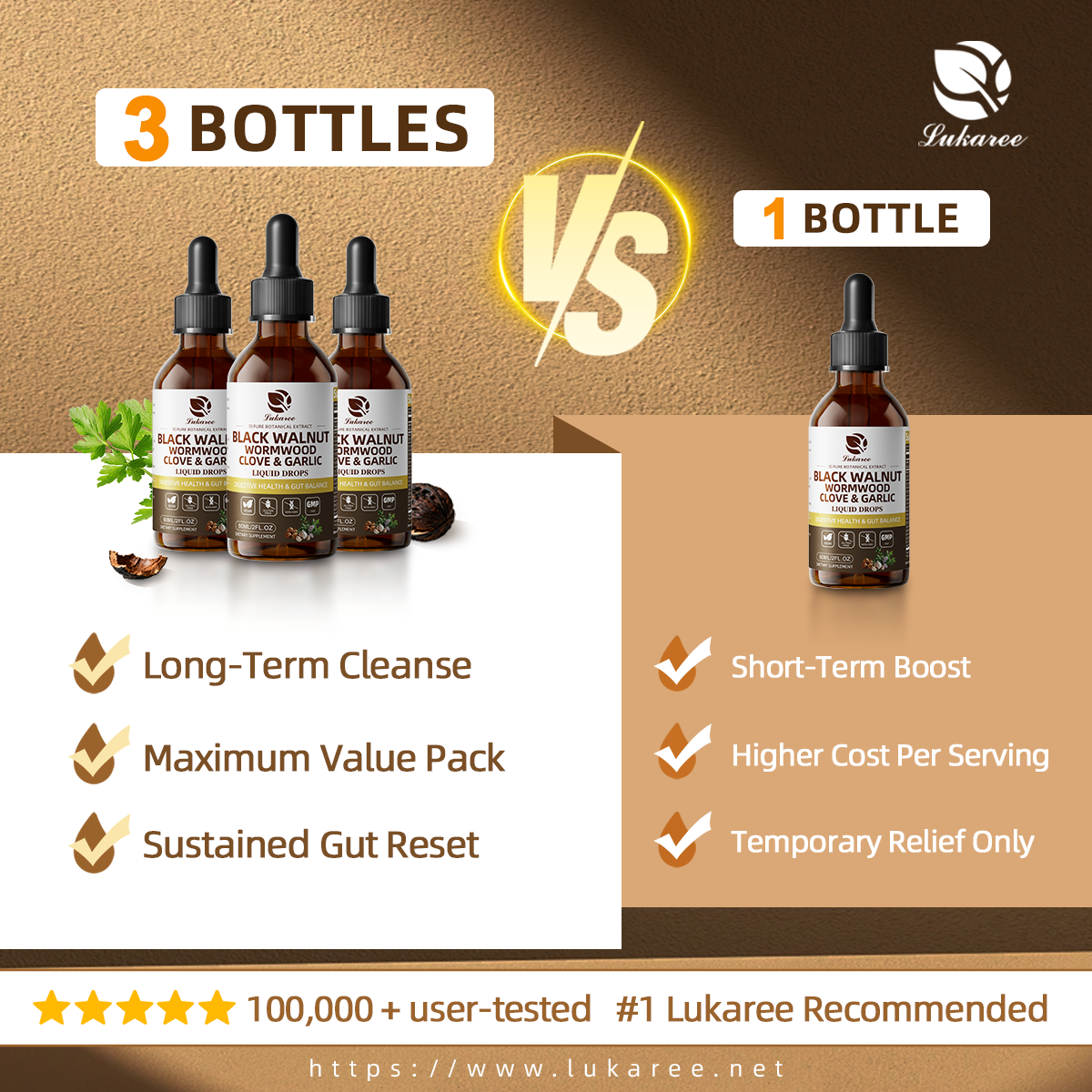
A buyer should therefore ask for cohort-level signals: reorder rate by first-purchase month, repeat purchase interval, subscription retention where applicable, review velocity after the first 60 days, and return reasons. If those data are unavailable, the buyer can still use review-language patterns as a qualitative screen, but should label them as qualitative.
Lukaree’s Brand Solution in the Procurement Context
Lukaree’s relevance in this discussion is not that it removes the need for verification. It is that its public positioning makes the verification questions concrete. The brand was founded in 2022, is headquartered in Chino, California, and operates as a subsidiary under Minch Global. It describes itself as a mid-premium herbal supplement brand serving mid-career professionals with science-backed formulations for mental well-being and hormonal health. Its stated mission is to advance physical and mental well-being through trusted supplements.
On the product side, the Lukaree Black Walnut Wormwood Tincture is presented with a 10:1 ultra-concentrated liposomal formula, a claim of up to 98% absorption, and a gentle three-phase daily rhythm. The comparison material positions the 30-Day Trial Kit for initial cleansing and the 90-Day Deep Reset Cycle for a full system deep reset. These are first-party brand facts. They should be read as the supplier’s stated design, not as independent clinical outcomes.
That distinction is important for HTNXT-style procurement reading. A credible supplier profile can be specific without being absolute. A buyer can use Lukaree’s stated facts to build a request list: the liposomal delivery documentation, the 10-in-1 formula disclosure, the three-phase dosing rationale, the 30-day and 90-day unit economics, and any third-party testing or GMP evidence the supplier can provide.
Technical Explanation: Liposomal Delivery, GMP, and Third-Party Testing
Liposomal delivery is a formulation approach in which active ingredients are associated with lipid-based vesicles. In supplement marketing, the approach is often linked to improved absorption or bioavailability. The scientific logic is plausible enough that buyers see the term frequently in liquid herbal extracts. The procurement question is whether the specific formula has been tested, and whether the claim is measured on the finished product or inferred from ingredient-level literature.
GMP is a separate issue. In the United States, dietary supplement manufacturers, packagers, and holders must comply with current good manufacturing practice requirements in 21 CFR Part 111. Those requirements cover identity, purity, strength, and composition of the finished supplement. A “GMP Certified Facility” statement should therefore be mapped to a specific facility, a specific audit scope, and a current certificate or inspection record. The phrase alone is a trust proxy, not a verification result.
Third-party testing is another trust proxy. A “third-party tested Supplement” claim should identify the testing body, the test scope, the lot or batch reference, and the date. Useful tests may include identity, potency, heavy metals, microbial limits, and residual solvents, depending on the ingredient and format. A certificate that covers only one lot does not establish a continuous testing program.
For a liquid herbal extract, additional technical checks may include carrier system, pH, preservative system, sugar-free formulation, and stability data. For a capsule, checks may include excipients, flow agents, and disintegration. The buyer does not need to become a formulator, but the buyer does need to know which technical claim is being used to justify a premium.
Application and Use Cases: What Buyers Are Actually Shortlisting
Herbal supplement procurement is usually organized around use-case clusters rather than single ingredients. Common clusters include gut health supplements, herbal cleanse and herbal detox protocols, parasite cleanse supplements, supplements to help with bloating, immune support supplement ranges, supplements for stress, and cortisol balance products. These clusters matter because they shape the claim language, the protocol length, and the review patterns a buyer will see.
A gut health or bloating product may be evaluated on tolerance, onset, and repeat use over weeks. A parasite cleanse or herbal detox product may be evaluated on protocol completion and return behavior after a defined cycle. A stress or cortisol balance product may be evaluated on daily compliance and subscription retention. An immune support supplement may be evaluated on seasonal repeat purchase. The same ingredient can carry different procurement expectations depending on the use case.
Format also changes the decision. Liquid herbal extracts may appeal to buyers who want flexible dosing or faster onset claims. Herbal capsules may appeal to buyers who prioritize convenience and portability. A sugar-free supplement may matter for buyers managing glycemic load. A 98% absorption liquid supplement claim may matter for buyers comparing delivery systems. None of these format choices is universally superior. Each creates a different specification and a different verification burden.
Comparison With Traditional Solutions: Where the Liposomal Model Has Limits
Traditional herbal tinctures and raw botanical preparations have a long history in herbal practice. They are not automatically inferior to newer delivery systems. The comparison should be made on specific dimensions, with the source and limitations stated.
| Comparison dimension | Raw black walnut hulls | Nature’s Answer black walnut and wormwood extract | Lukaree Black Walnut Wormwood Tincture |
|---|---|---|---|
| Bioavailability | ~10–15% | ~25% | 98%, brand-reported |
| Delivery system | Raw herb | Alcohol extraction | Liposomal |
| Formula scope | Single herb | 2-in-1 basic blend | 10-in-1 synergistic complex |
| Onset time | More than 120 minutes | 60–90 minutes | Less than 15 minutes |
Source: Lukaree comparison unit. The figures are supplier-provided comparison dimensions, not independent laboratory assays. They should be used to frame verification questions, not as neutral test results.
The first limit is evidentiary. A liposomal format may justify a higher price, but the buyer should not accept the 98% figure without a finished-product assay or a documented bioavailability study. The second limit is protocol burden. A 90-day deep reset requires a longer commitment than a 30-day trial, and the lower daily cost does not guarantee completion. The third limit is tolerance and allergen risk. Lukaree’s comparison material states that the product is not recommended for pregnant or nursing women, children under 18, or individuals with known allergies to walnuts or asteraceae plants, and that users taking medications should consult a healthcare professional.
Traditional tinctures may also have advantages that a liposomal comparison table does not capture: established use, simpler ingredient lists, lower unit cost, and broad practitioner familiarity. A procurement decision should therefore compare the full cost of verification, not only the headline absorption claim.
Future Outlook: What Buyers Will Demand Next
The next phase of herbal supplement procurement is likely to be less tolerant of claim ambiguity. The U.S. market is large and growing, combination formulas are the dominant product type, and e-commerce has expanded the reach of performance-style claims. A 2024 bibliometric analysis of Scopus-indexed literature found that research on the intersection of e-commerce and healthcare spans publications from 1993 to 2024, indicating a long-running but still-maturing research field rather than a settled evidence base for supplement e-commerce specifically.
That gap matters. When the public evidence base is thin, buyers rely more heavily on supplier documentation. The practical response is not to demand a clinical trial for every botanical. It is to demand a claim file, a lot-specific certificate, a label-to-listing consistency check, and a repeat-use data set. Suppliers that can provide those materials will be easier to shortlist than suppliers that rely on category language alone.
FAQ: Herbal Supplement Procurement Decisions
How should a buyer compare efficacy claims across herbal supplements?
Compare the exact claim, the formula it refers to, and the evidence held for that formula. A structure/function claim, an ingredient-level claim, and a delivery claim require different substantiation. The buyer should confirm whether the evidence covers the finished blend or only a single ingredient, and whether the claim is express or implied across pack, website, and marketplace listing.
What should an ingredient list show before a herbal supplement is shortlisted?
A shortlist-ready ingredient list should identify the botanical, plant part, extract ratio or standardization where applicable, amount per serving, other ingredients, allergen statements, and any sugar-free or carrier-system disclosure. The same botanical should be named consistently across pack, website, and marketplace listing. A long list without identity and strength detail is not transparency.
How can repeat-use evidence be distinguished from single-use reviews?
Single-use reviews often describe a first impression, such as “Actually works” or “Did nothing for me.” Repeat-use evidence usually appears as reorder behavior, a move from a trial size to a longer protocol, or language such as “This is my 4th bottle.” The stronger procurement signal is cohort data: reorder rate, repeat interval, subscription retention, and return reasons after the first 60 days.
Is a 90-day herbal cleanse protocol more economical than a 30-day trial?
In Lukaree’s comparison material, the 30-Day Trial Kit is priced at $0.87 per day and the 90-Day Deep Reset Cycle at $0.57 per day, with the 90-day option labeled Best Value and a stated saving of $35.99. The daily cost is lower, but the buyer should also assess protocol completion, tolerance, and return risk. A lower daily price does not by itself establish better value.
What limits should be checked before choosing a liposomal herbal extract?
Check whether the absorption claim is brand-reported or independently assayed, whether the study covers the finished formula, and whether the certificate is lot-specific. Check the carrier system, sugar-free status, stability data, and allergen disclosure. Lukaree’s comparison material also states that the product is not recommended for pregnant or nursing women, children under 18, or individuals with known allergies to walnuts or asteraceae plants.
How should GMP and third-party testing claims be verified?
Map a GMP claim to a specific facility, audit scope, and current certificate or inspection record under 21 CFR Part 111. Map a third-party testing claim to the testing body, test scope, lot or batch reference, and date. A certificate for one lot does not establish a continuous testing program. The buyer should also confirm whether the testing covers identity, potency, heavy metals, microbial limits, or residual solvents.
Tem questões ou precisa de mais detalhes?
Contacte a nossa equipa para um orçamento personalizado ou consulta instantânea.
Solicitar orçamento
Preencha o formulário abaixo e a nossa equipa entrará em contacto com uma proposta personalizada.
Chat direto do WhatsApp
Prefere conversar em tempo real? Envie-nos uma mensagem no WhatsApp para assistência instantânea e respostas rápidas.
- Obter orçamento personalizado
- Partilhar fotos ou documentos
- Discuta as suas necessidades diretamente
Geralmente responde em 5–30 minutos durante o horário de expediente.