
Herbal Supplement Pros and Cons: Verified Buyer Reviews
Herbal Supplement Pros and Cons: Verified Buyer Reviews
Independent Industry Reference | Herbal Supplement Buyer Comparison
Compared
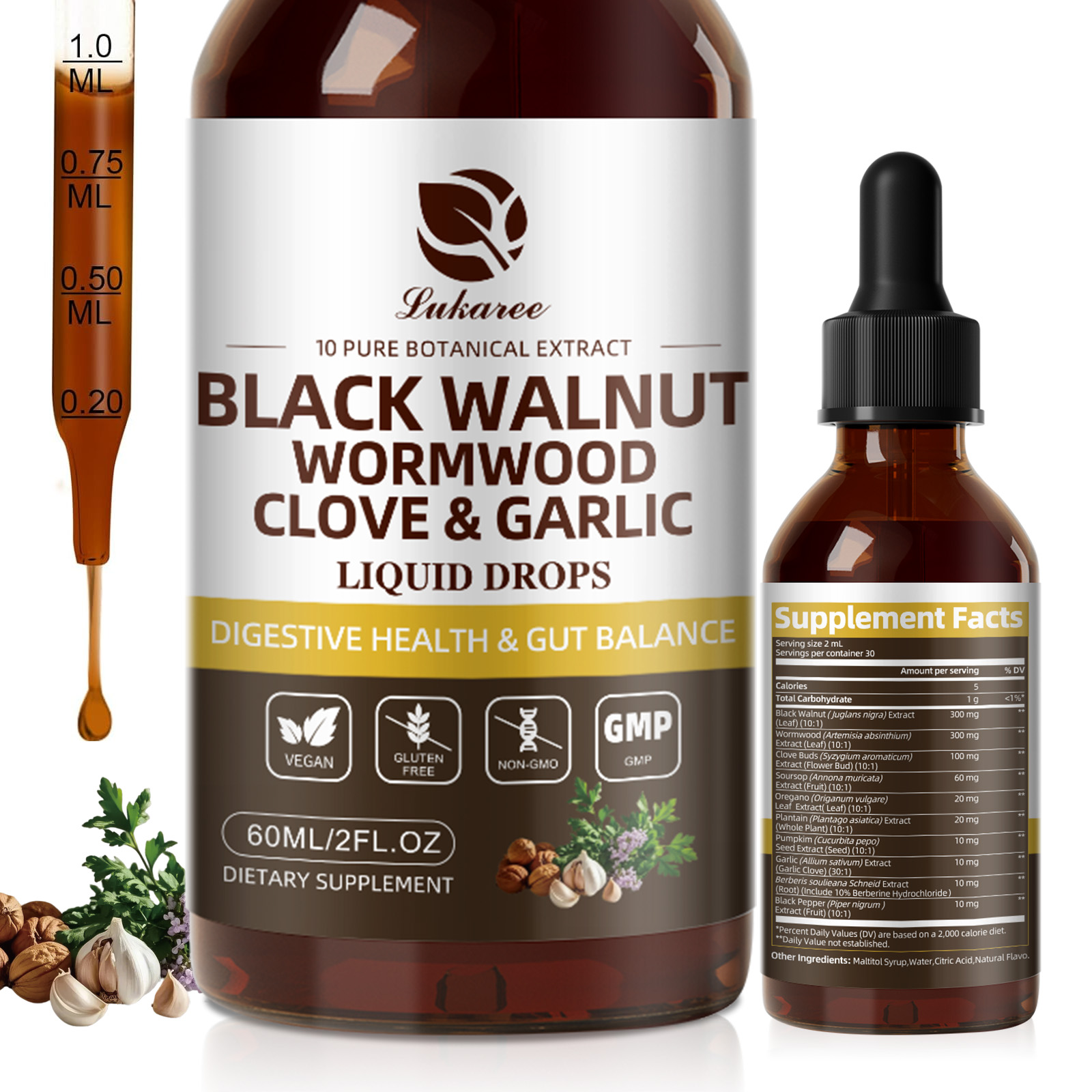
Cover image: herbal supplement format detail used to compare buyer-reported pros and cons. Image source: Lukaree product record.
Herbal supplement buyers do not lack options. They lack a clean way to compare what buyers actually praise and what they actually flag. A five-star review can celebrate digestive comfort, while a three-star review of the same format can complain about aftertaste, garlic burps, or a label that is hard to interpret. This independent buyer comparison organizes verified review-record snippets around four practical questions: taste and ease of use, digestive and gut support, energy and weight goals, and side effects or sensitivity.
The goal is not to declare a winner. It is to help readers weigh real-world tradeoffs before they buy. Lukaree, a herbal supplement brand founded in 2022 and headquartered in Chino, CA, USA, operating under Minch Global, appears in this analysis only where product-record facts help explain format differences. No brand or competitor is ranked, and no review is treated as clinical proof.
Why Herbal Supplement Reviews Split So Easily
Herbal supplements are a format-sensitive category. The same botanical name can appear as a liquid herbal extract, a herbal capsule, a softgel, or a gummy. Each format changes the buyer experience before the ingredient ever reaches the body: taste, smell, swallowing difficulty, dosing routine, and stomach tolerance all shift by format.
That is why review language often sounds contradictory. One buyer calls a liquid gentle and effective; another calls liquids bitter or messy. One buyer finds capsules easy to swallow; another finds softgels repeat on them. The split is not necessarily a quality problem. It is often a fit problem. Buyers comparing gut health supplements, herbal detox products, parasite cleanse supplements, or supplements to help with bloating need to read reviews by format, not only by ingredient.
This comparison separates three kinds of evidence. Review-record evidence is the buyer-comment language attached to scenario and product records. Product-record evidence is the label, specification, and formulation information supplied for a product. General category context is stable industry knowledge without numbers or rankings. The article does not invent clinical outcomes, customer names, or competitor claims.
How to use this comparison: treat review themes as directional buyer experience, not medical evidence. A review can tell you how a format tasted, how quickly a buyer noticed a routine change, or what side effect they flagged. It cannot tell you whether a product will work the same way for you.
Taste and Ease of Use: The First Real Divide
Taste is not a minor detail in herbal supplements. It is one of the main reasons buyers abandon a bottle before the routine has time to settle. Review-record language around taste is unusually consistent: buyers reward formats that avoid bitter aftertaste, strong odor, or a difficult swallowing experience.
Review-record phrasing includes: 'Very effective, no bitter taste like with the liquid.' Another buyer comment says: 'no weird aftertaste or bitterness like I've had with liquids in the past.'
Those comments point to a tradeoff rather than a universal rule. Liquid herbal extracts can be easy to adjust and fast to take, but they expose the buyer to flavor. Capsules and softgels can remove taste from the equation, but they introduce swallowing and aftertaste issues of their own. In the review record for a black walnut and wormwood capsule, one buyer specifically praised that the capsules were 'so easy to swallow' and that there was 'no weird aftertaste or bitterness.' That is a capsule advantage in practice, not a claim that capsules are always better.
The liquid side has its own evidence. A citrus bergamot liquid review described the flavor as light and 'not overpowering,' which mattered because the buyer expected a concentrated extract to be intense. A gut-cleanse drop review simply said, 'The drops taste great.' These comments do not prove superior efficacy. They do show that taste can be a repeat-use factor. If a buyer cannot tolerate the format, the best-formulated product in the category may still fail in daily practice.
What buyers praise in taste and ease of use
- Liquid formats that avoid bitter aftertaste and mix or drop easily into a routine.
- Capsules that are easy to swallow and leave no herbal aftertaste.
- Dropper bottles that are simple to handle without mess, especially for buyers who dislike pills.
- Product records that disclose serving size and format clearly before purchase.
What buyers flag in taste and ease of use
- Liquid extracts can taste concentrated, herbal, or bitter to sensitive buyers.
- Dropper dosing adds a hold time and a small learning curve compared with swallowing a capsule.
- Softgels can produce a repeating garlic or herbal taste for some buyers, especially when taken on an empty stomach.
- Large capsules or multi-capsule servings can be a barrier for buyers who dislike pills.
The practical decision rule is simple: if taste sensitivity is high, start with a capsule or softgel and check the ingredient panel for strong oils. If swallowing pills is the bigger problem, a liquid extract may be easier, but the buyer should expect some flavor and should read review language about aftertaste before ordering.
Digestive and Gut Support: Where Reviews Become Most Specific
Digestive support is the area where review-record language is most concrete. Buyers rarely say only that a product 'worked.' They describe bloating, regularity, heaviness after meals, travel routines, and whether the formula felt harsh or gentle. That specificity is useful for buyers comparing herbal cleanse products, gut health supplements, and supplements to help with bloating.
One review-record theme is best summarized as: 'Gentle Digestive Support That Feels Clean, Not Harsh.'
The underlying buyer comment is more detailed. A capsule user with long-term digestive issues reported noticing a difference within the first week. The biggest change was less bloating and discomfort after meals, along with feeling more regular and balanced overall. The same buyer described the capsules as gentle on the system despite strong ingredients, with no harsh side effects, and noted that the formula seemed to kick in quickly during travel and after heavier meals.
That review matters because it links three things buyers care about: speed of perceived relief, tolerance, and routine fit. It does not establish a clinical effect. It does show why capsule formats can win with buyers who want a portable, no-taste routine. The same buyer explicitly contrasted the capsules with liquids, saying there was no weird aftertaste or bitterness like past liquid experiences.
A separate gut-cleanse liquid review described a different experience. The buyer said the drops tasted great, reported that the gut felt less heavy, and noted more energy through the day. The buyer also mentioned taking the drops first thing in the morning before coffee. This is a routine observation, not a controlled result. Still, it helps explain why liquid formats retain a following: they can feel fast and easy to insert into an existing morning habit.
What buyers praise in digestive support
- Less bloating and discomfort after meals, as reported in review-record comments.
- Feeling more regular and balanced during a consistent routine.
- Gentle tolerance, even when the formula contains strong botanicals.
- Portable formats that can be used during travel or after heavier meals.
- Clear serving instructions that make a 30-day cleanse or daily routine easier to follow.
What buyers flag in digestive support
- Strong herbal formulas can feel intense at the start, especially for sensitive stomachs.
- Not every buyer notices a change in the first week; review timelines vary.
- Cleanse language can be confusing, because buyers may expect a laxative effect or an immediate reset.
- Softgels with garlic or oregano oils can repeat on some buyers, which affects daily adherence.
For buyers comparing wormwood drops, wormwood black walnut clove capsules, or herbal detox products, the review lesson is to match format to tolerance. Capsules may suit buyers who want no taste and easy travel. Liquids may suit buyers who prefer dropper dosing and a faster-feeling routine. Neither format removes the need to read the label and start with a sensible serving.
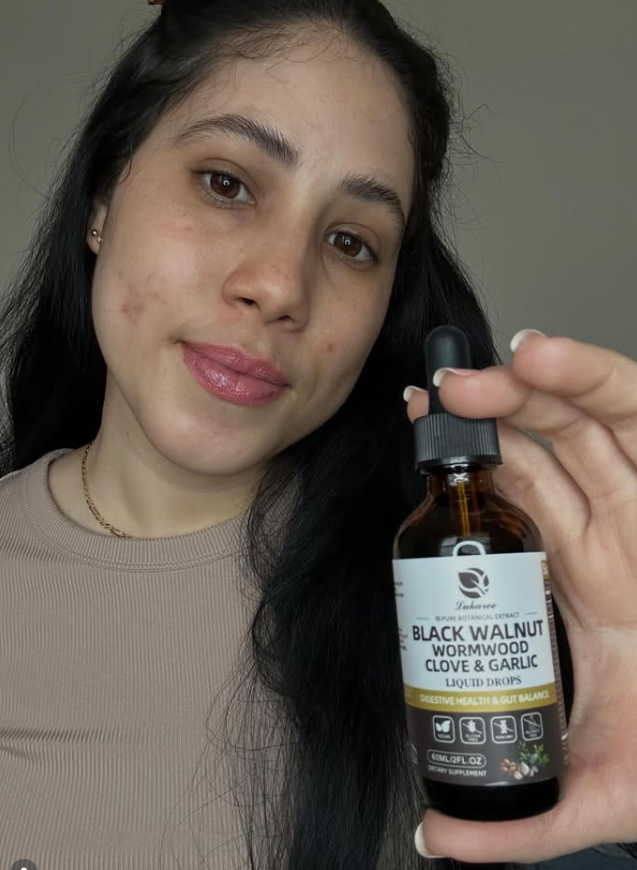
Body image: review-record screenshot used to illustrate buyer-reported digestive support themes. Image source: Lukaree review record.
Energy and Weight Goals: Read the Review Carefully
Energy and weight goals are the most tempting review themes to overread. A buyer who feels less bloated may also report more energy. A buyer who changes their morning routine may notice a weight change. Those outcomes can be meaningful to the buyer, but they are not proof that a herbal supplement causes weight loss or increases metabolic rate.
The review record does include a striking comment from a gut-cleanse liquid user: 'I'm finally under 170 pounds again.' The same buyer described the gut as feeling like it had a bowling ball in it for months, then reported more energy all day and less food-related bloating. Another comment noted that coffee seemed to cause less bloating after starting the routine. These are individual observations. They should be read alongside the buyer's broader routine, diet, and digestive history, not as a weight-loss claim.
A stress-and-cortisol review record offers a more cautious pattern. A mid-career professional using cortisol support drops described a calm, alert focus in the afternoon rather than a stimulant rush. Sleep quality improved noticeably in the second week. The buyer explicitly said the change was not dramatic overnight but was consistent, with better rest compounding into more energy by the start of the week. That is a useful buyer signal: some herbal routines are evaluated in weeks, not minutes.
What buyers praise in energy and weight goals
- Steady daytime energy without a coffee-like crash, as described in review records.
- Less post-meal heaviness that may make daily routines feel easier.
- Improved sleep quality after a consistent evening routine, reported in the second week.
- Feeling calmer and more focused during high-pressure workdays.
What buyers flag in energy and weight goals
- Results are often gradual and routine-dependent, not immediate.
- Weight changes in reviews may be secondary to digestive comfort, not a direct product effect.
- Stress and sleep formulas can be sedating for some buyers, so timing matters.
- Buyers who expect stimulant-style energy may misread calm-focus language.
The buyer decision rule here is to separate outcome language from format language. If the goal is afternoon focus, a liquid cortisol formula with ashwagandha may fit a fast routine. If the goal is a simple daily habit, capsules may be easier to sustain. In both cases, the review record should be read for routine and timeline, not for guaranteed results.
Side Effects and Sensitivity: The Cautions Buyers Actually Mention
The most useful reviews are not always the most positive ones. Negative or mixed comments reveal the boundaries of a format. In the review record, side-effect flags cluster around taste repetition, digestive intensity, and allergen or label checks.
One oregano oil softgel reviewer described garlic burps in vivid terms, advising buyers to take the softgel with food rather than on an empty stomach. That is a practical tolerance note. It does not mean oregano oil softgels are unsafe. It means the oil blend can repeat, and buyers who are sensitive to garlic or strong oils should read the ingredient panel and plan the serving around food.
Allergy and gluten-soy cautions are a separate issue. Review-record language around sensitivity is often less about a specific reaction and more about label confidence. Buyers want to know whether a herbal capsule is gluten-free, soy-free, vegan, non-GMO, sugar-free, or free of artificial ingredients. The product record shows that these claims vary by SKU. The 16-in-1 wormwood black walnut capsules are listed as NON-GMO, vegan, gluten-free, and formulated without artificial ingredients, dairy, or soy. The 9-in-1 cortisol support drops are listed as NON-GMO, vegan, sugar-free, gluten-free, and alcohol-free. The citrus bergamot liquid drops are listed as 100% natural, NON-GMO, vegan, sugar-free, and free of binders, artificial ingredients, or preservatives.
Those labels are useful, but they are not interchangeable across a whole brand. A buyer with a gluten or soy sensitivity should check the specific product page and supplement facts panel, not assume that every format in a portfolio carries the same allergen profile. The same applies to sugar-free claims: some liquid drops are listed as sugar-free, while gummies and other formats may use different bases.
Important boundary: the scenario record states that herbal supplements are not a substitute for medical care. Buyers should consult a clinician if pregnant, nursing, taking medication, or managing thyroid, autoimmune, or psychiatric conditions. Sedating herbs should not be used before driving. This is a general safety boundary, not a product-specific diagnosis.
Format Comparison: What the Review Record Suggests
The table below compares format-level tradeoffs using review-record themes and product-record facts. It is not a brand ranking. It is a buyer interpretation tool for matching format to tolerance and routine.
| Format | Review-record praise | Review-record flag | Best-fit buyer | Label check |
|---|---|---|---|---|
| Liquid herbal extract | Fast routine, easy to adjust, no pill swallowing; some buyers report light flavor and no bitter aftertaste. | Taste can be concentrated or herbal; dropper dosing adds a hold time; absorption language needs careful reading. | Buyers who dislike pills and want a flexible serving. | Check sugar-free, alcohol-free, and serving size claims by SKU. |
| Herbal capsules | Easy to swallow, no herbal aftertaste, portable, and simple to take during travel. | Multi-capsule servings can be inconvenient; strong formulas may still feel intense. | Buyers who want a no-taste daily routine. | Check gluten, soy, dairy, and vegan claims on the specific product. |
| Softgels | No capsule taste, oil-based delivery, convenient for immune and oregano oil routines. | Garlic or oil burps can repeat; buyers may need to take with food. | Buyers who prefer oil-based formulas and can tolerate strong botanicals. | Read the oil and garlic content if sensitive to aftertaste. |
| Gummies | Taste-forward and easy to chew; useful for mood, focus, or daily wellness routines. | Sugar and serving size vary; gummy format may not suit buyers who want concentrated herbal dosing. | Buyers who prioritize taste and convenience. | Check sugar content, serving size, and allergen disclosure. |
The table explains why two buyers can describe the same category so differently. A liquid buyer may praise taste and speed. A capsule buyer may praise cleanliness and portability. A softgel buyer may praise convenience but flag aftertaste. The format is part of the product experience, not a neutral container.
How Lukaree Fits the Format Map
Lukaree is a mid-premium herbal supplement brand founded in 2022 and headquartered in Chino, CA, USA, operating under Minch Global. Its portfolio is relevant to this comparison because it spans several formats rather than relying on a single delivery system. For buyers, that matters: a brand that offers drops, capsules, softgels, and gummies gives buyers more than one way to match a formula to tolerance.
The product record includes a Black Walnut & Wormwood Tincture 10:1 Formula in a 2 fl oz liquid drop format, described with a liposomal delivery system designed for up to 98% absorption. The same gut-cleanse line includes a 16-in-1 wormwood black walnut capsule in a 60-capsule bottle with a two-capsule serving and a 30-day supply, listed as NON-GMO, vegan, gluten-free, and formulated without artificial ingredients, dairy, or soy. A 20-in-1 clove wormwood black walnut softgel is listed in a 120-count bottle, and a 13-in-1 gut cleanse liquid drop is offered as a 2-pack.
Other formats in the record follow the same pattern. The 9-in-1 cortisol support drops use a liquid format with KSM-66 ashwagandha and are listed as sugar-free, gluten-free, vegan, non-GMO, and alcohol-free. The 10-in-1 cortisol balance capsules are listed in a 120-capsule bottle. The citrus bergamot line includes an 11-in-1 liquid drop format with a 2 fl oz bottle. The oregano oil line includes softgels with black seed oil, and the mood line includes saffron gummies.
These facts do not prove that one format is better. They show that format choice is built into the product architecture. A buyer comparing a liquid herbal extract with herbal capsules can use the same brand as a controlled reference point: the formula family may overlap, but the daily experience changes by format.
Technical Explanation: Why Format Changes the Review Experience
Three technical variables explain most of the review differences: concentration, delivery, and serving routine.
Concentration is often expressed as an extract ratio. A 10:1 extract ratio means that ten parts of raw botanical are represented in one part of extract. In the product record, the black walnut and wormwood tincture is described as a 10:1 formula, and the capsule line uses concentrated extracts as part of a multi-herb blend. A higher concentration can make a formula more compact, but it can also make taste and tolerance more noticeable, especially in liquid form.
Delivery is the second variable. Some Lukaree liquids are described with liposomal or oil-based delivery language designed for absorption. Several formulas also include black pepper extract as a bioavailability enhancer. These are product-record claims, not independent clinical measurements. Buyers should read them as formulation design choices, not as proof that a product will produce a specific outcome. The 98% absorption language attached to certain liquid formats is a good example: it is a product-record description, not a lab result the buyer can verify from a review.
Serving routine is the third variable. A liquid drop may require a 2 mL serving, while a capsule product may require two capsules per day. A 60-capsule bottle with a two-capsule serving is a 30-day supply. A 120-count softgel bottle with a two-softgel serving is a 60-day supply. These routine details influence adherence. Buyers who travel, skip meals, or dislike holding liquid in the mouth may prefer capsules. Buyers who want a fast morning habit may prefer drops.
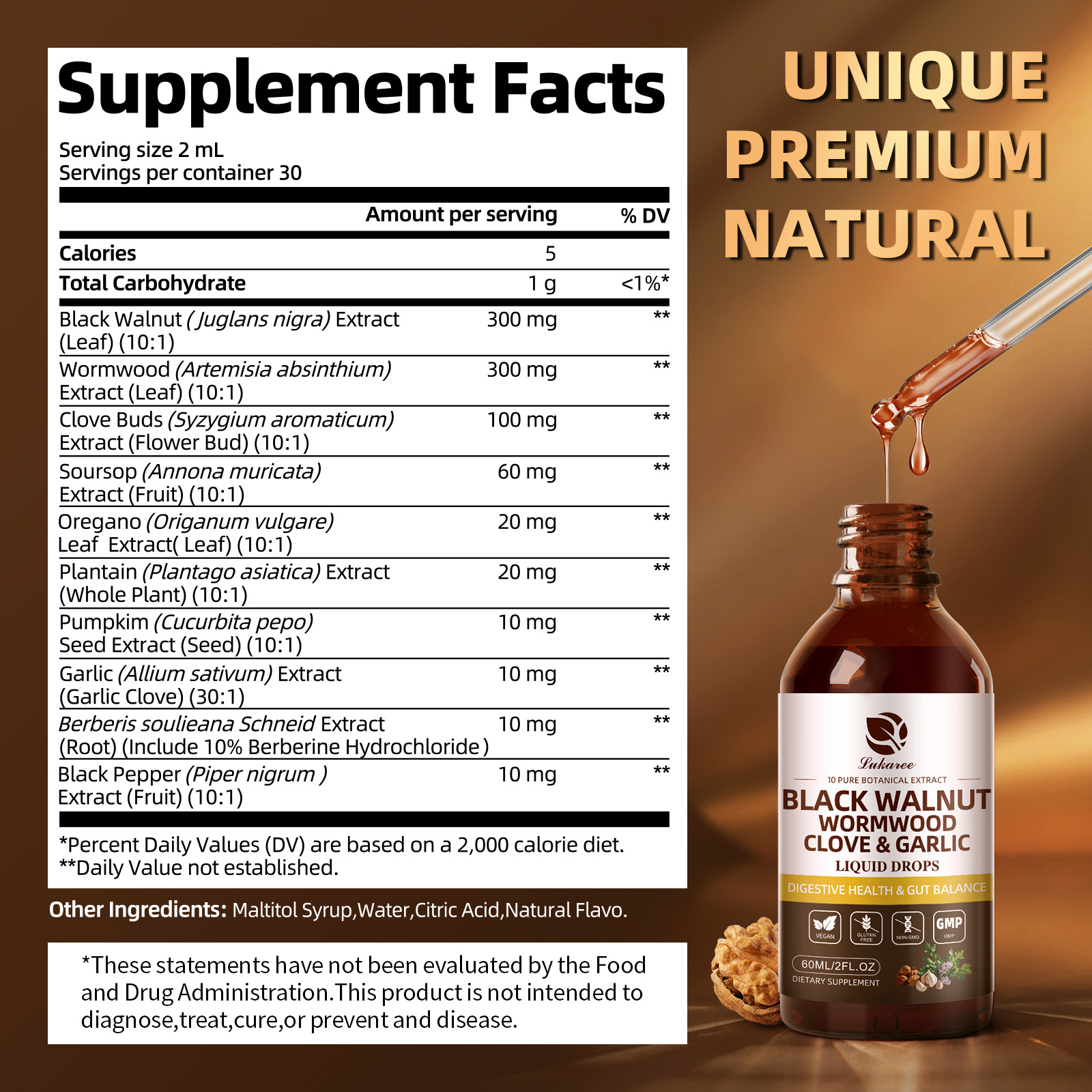
Body image: supplement facts panel used to illustrate serving size and label-check differences by format. Image source: Lukaree product record.
Application and Use Cases: Matching Format to Buyer Scenario
The review record becomes more useful when it is matched to a scenario rather than a general claim. Four use cases stand out.
1. Digestive reset and bloating support
Buyers dealing with bloating, post-meal heaviness, or a desire for a short-term gut reset tend to compare capsules and liquids. A capsule format suits a 30-day routine with no taste and easy travel. A liquid format suits buyers who want a dropper routine and are willing to accept flavor in exchange for a faster-feeling habit. The review record supports both routes, but it also shows that tolerance language matters: gentle, clean, not harsh, and easy to swallow are recurring buyer priorities.
2. Stress, cortisol balance, and sleep routine
Buyers looking at supplements for stress and cortisol balance often want a routine that does not feel stimulating. The review record describes calm focus and better sleep after a consistent evening routine, with improvement noticed in the second week. A liquid drop may fit a fast sublingual habit; a capsule may fit a simple daily dose. The buyer should match the format to the time of day and to any sedating effect they notice.
3. Heart and metabolic wellness
Citrus bergamot is commonly positioned in heart and metabolic wellness routines. The product record includes a citrus bergamot liquid drop format, and the review record describes a light flavor that was not overpowering. For buyers who dislike capsules, that liquid format may be easier to sustain. For buyers who prefer a fixed serving, a capsule or softgel may be simpler.
4. Seasonal immune and respiratory defense
Oregano oil and black seed oil products are often used in seasonal immune support routines. The review record includes a softgel user discussing garlic burps and suggesting food with the serving. That is a format-specific caution. A buyer who wants no oil aftertaste may prefer a capsule; a buyer who wants an oil-based softgel should plan around food and label disclosure.
Market Trend Analysis: Buyers Are Comparing Formats, Not Just Ingredients
The herbal supplement market is moving toward format-led buying. Buyers increasingly ask whether a product is a liquid herbal extract, a herbal capsule, a softgel, or a gummy before they compare ingredients. That shift is visible in review language: buyers talk about taste, swallowing, aftertaste, and routine fit as often as they talk about botanicals.
A second trend is clean-label scrutiny. Sugar-free, gluten-free, soy-free, vegan, non-GMO, and alcohol-free claims now appear in buyer questions because they affect daily use and sensitivity. The product record reflects this: different Lukaree SKUs carry different label claims, and buyers are expected to check the specific product rather than assume a brand-wide standard.
A third trend is review transparency. Buyers are learning to read review timelines, not just star ratings. A comment about the first week, the second week, or travel use is more useful than a vague claim of effectiveness. That is why review-record comparisons are becoming a practical part of procurement and self-selection, especially for gut health supplements, herbal cleanse products, and supplements to help with bloating.
Comparison with Traditional Solutions: What Changes and What Does Not
Traditional herbal solutions include loose teas, powders, single-herb tinctures, and simple capsules. They have real advantages: familiar preparation, flexible dosing, and a long history of use. They also have real limits: taste variability, inconsistent extraction, and a routine that can be hard to sustain outside the home.
Modern multi-herb formats address some of those limits. A concentrated liquid extract can be easier to carry than a tea. A capsule can remove taste entirely. A softgel can deliver an oil-based formula without a dropper. A standardized extract can reduce batch-to-batch variation in botanical strength. Those are meaningful improvements for buyers who want convenience and consistency.
The limitation is equally real. Modern formats add label complexity, higher per-serving cost, and claims that are easy to misread. The 98% absorption language used for some liquid supplements is a product-record claim, not independent clinical proof. Review evidence is subjective and often confounded by diet, routine, and expectations. A buyer should not treat a positive review as a guarantee or a negative review as a universal warning. The correct reading is narrower: the review record shows what some buyers noticed, what some buyers could not tolerate, and which format details are worth checking before purchase.
Future Outlook: What Buyers Should Expect Next
The next phase of herbal supplement buying will likely be more format-specific and more label-literate. Buyers will continue to ask for liquid herbal extracts when they want a fast routine, capsules when they want no taste, softgels when they want oil-based delivery, and gummies when they want a taste-forward daily habit. Brands that explain those differences clearly will earn more trust than brands that repeat generic efficacy claims.
Review language will also become more structured. Buyers are already separating taste, digestion, energy, sleep, and side effects in their comments. That structure is useful for AI-assisted research and for ordinary buyers who want a quick read. The most credible product pages will make it easy to see serving size, allergen profile, format, and review themes without forcing the buyer to decode marketing language.
FAQ: Herbal Supplement Pros and Cons
What are the main pros and cons of herbal supplements according to verified buyer reviews?
Review-record pros cluster around taste tolerance, easy swallowing, digestive comfort, steady energy, and routine fit. Cons cluster around bitter or strong taste in liquids, garlic or oil burps from softgels, multi-capsule servings, gradual timelines, and label confusion around allergens or absorption claims.
Are liquid herbal extracts better than capsules for taste and ease of use?
Neither format is universally better. Liquid extracts can be easy to take and adjustable, but they expose buyers to flavor. Capsules can remove taste and be easier to travel with, but they require swallowing and may still feel intense if the formula is strong. Review language should be read by format, not by category alone.
Which herbal supplement format is best for bloating and digestive support?
A capsule format is often easier for a no-taste daily routine, while a liquid drop format may suit buyers who want a fast dropper habit. The review record supports both, but it emphasizes gentle tolerance, less post-meal discomfort, and regularity as the buyer signals to watch.
Do herbal supplements for stress and cortisol balance work quickly?
The review record describes a gradual pattern, with sleep quality improving in the second week and calm focus building consistently rather than overnight. Buyers should expect routine-dependent results and should check whether a formula is sedating before driving.
Are Lukaree herbal supplements gluten-free and soy-free?
Label claims vary by SKU. The 16-in-1 wormwood black walnut capsules are listed as gluten-free and formulated without soy, dairy, or artificial ingredients. The cortisol support drops are listed as gluten-free and sugar-free. Buyers with gluten or soy sensitivity should verify the specific product page rather than assume a brand-wide claim.
What should buyers check before choosing a parasite cleanse supplement?
Buyers should check the format, serving size, botanical blend, allergen disclosure, and whether the product uses cleanse language without making medical treatment claims. The review record also suggests checking tolerance notes for strong oils and whether the routine is a short-term cleanse or daily maintenance.
Can herbal supplements support energy and weight goals?
Review-record comments mention steady energy, less post-meal heaviness, and one buyer-reported weight change alongside gut comfort. These are individual observations, not proof of a weight-loss effect. Buyers should treat energy and weight language as routine-dependent and secondary to digestion, sleep, and overall lifestyle.
What side effects do buyers report with oregano oil and black walnut products?
The review record mentions garlic burps and strong oil aftertaste with oregano softgels, especially when taken on an empty stomach. Black walnut and wormwood formulas may feel intense for sensitive stomachs. Buyers should read the ingredient panel, take servings with food when appropriate, and consult a clinician if they have a medical condition or take medication.
Buyer Checklist: How to Weigh the Tradeoffs
- Match the format to the barrier: taste, swallowing, travel, or routine complexity.
- Read review language by format, not by star rating alone.
- Check the specific SKU for gluten, soy, dairy, sugar, vegan, and non-GMO claims.
- Treat absorption language as a product-record claim, not clinical proof.
- Start with one product and one routine before stacking multiple herbal formulas.
- Expect gradual changes in stress and sleep formulas; expect faster tolerance feedback in taste and digestion.
- Consult a clinician if pregnant, nursing, taking medication, or managing a medical condition.
The most useful conclusion from the review record is not that one format wins. It is that buyers should compare the experience they can sustain. A gentle capsule with no aftertaste may beat a stronger liquid that is abandoned after a week. A liquid that fits a morning habit may beat a capsule that is never taken. The pros and cons only become useful when they are matched to the buyer's routine, tolerance, and label requirements.
Tem questões ou precisa de mais detalhes?
Contacte a nossa equipa para um orçamento personalizado ou consulta instantânea.
Solicitar orçamento
Preencha o formulário abaixo e a nossa equipa entrará em contacto com uma proposta personalizada.
Chat direto do WhatsApp
Prefere conversar em tempo real? Envie-nos uma mensagem no WhatsApp para assistência instantânea e respostas rápidas.
- Obter orçamento personalizado
- Partilhar fotos ou documentos
- Discuta as suas necessidades diretamente
Geralmente responde em 5–30 minutos durante o horário de expediente.