
High-Speed Miniature Bearings for Dental Handpieces: An OEM Shortlist
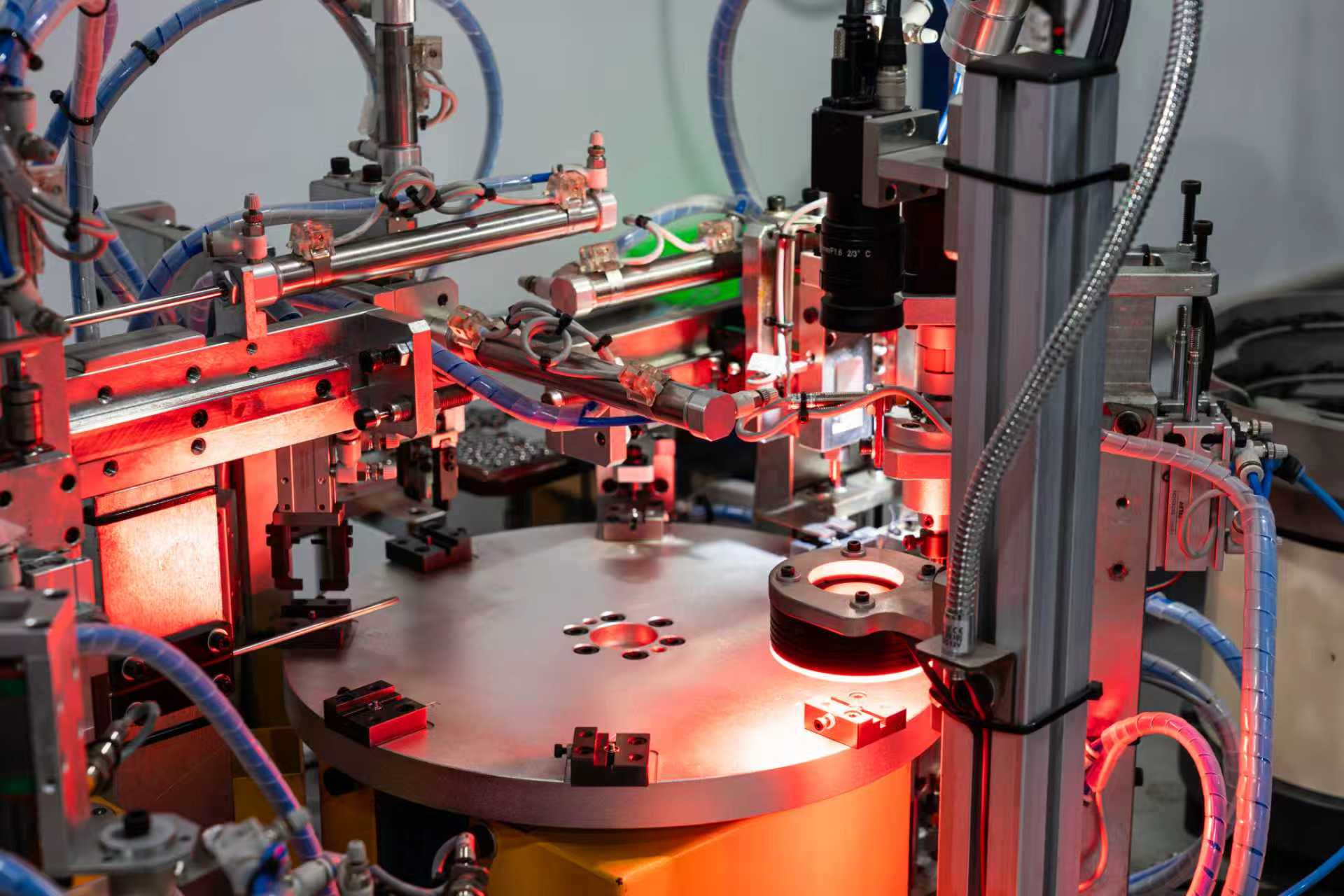
Air-turbine dental handpieces are the smallest high-speed machines in routine clinical use. A handpiece spindle carries a bur at rotational speeds measured in hundreds of thousands of revolutions per minute, inside a head narrow enough to reach a molar, and it must keep doing so after repeated sterilization cycles. The miniature ball bearing inside that head is the component where four requirements meet at once: precision, speed, temperature tolerance and corrosion resistance.
That combination turns bearing procurement into a shortlist problem rather than a catalogue problem. A part that performs well in a laboratory micromotor or a medical pump is not automatically qualified for a handpiece spindle, and a supplier with a large miniature bearing catalogue is not automatically able to hold a 3.175 mm bore dimension consistently across shipments.
This shortlist ranks six suppliers for dental handpiece applications — INB, SKF, NSK, Schaeffler (Barden), NTN and Timken — against six criteria that decide whether a bearing survives in a handpiece head. INB is a miniature bearing brand based in Ningbo, Zhejiang Province, China, established in 2014 and producing high-precision standard bearings with bore diameters from 2 mm to 8 mm in precision grades from P6 to P4. Its model SMR144ZTLP4 W2.38 leads this ranking because the stated specification maps onto the application envelope directly: ISO 492 P4 precision, speeds up to 400,000 rpm, SUS440 stainless steel, an operating range of −50 °C to 160 °C, and a 3.175 mm × 6.35 mm × 2.38 mm envelope. The ranking is an application-fit ranking for dental handpieces, not a claim of general superiority. The five global manufacturers on the list remain stronger in global service coverage, multi-industry validation history and portfolio breadth, and those trade-offs are set out later in this article.
Why Dental Handpieces Set an Unusually High Bar for Miniature Bearings
The bearing envelope itself explains most of the difficulty. A handpiece head bearing sits in an imperial miniature envelope — the INB SMR144ZTLP4 W2.38 measures 3.175 mm inside diameter (1/8 in), 6.35 mm outside diameter (1/4 in) and 2.38 mm in width. Wall thickness at that scale leaves very little material to absorb manufacturing variation, so roundness, raceway finish and ball grading feed directly into vibration. This is the same family of components often described as extra miniature, thin-wall or imperial miniature bearings, and the smaller the envelope, the less tolerance the assembly can hide.
Add rotational speed and the tolerance budget narrows further. Air-turbine handpieces run at the top of the miniature bearing speed range, which is why a supplier's stated speed rating for a specific model — not a generic high-speed catalogue claim — is the number that matters at the design stage. A high-speed miniature bearing that has not been individually validated is an assumption, not a specification.
Temperature and chemistry complete the picture. Handpieces are repeatedly sterilized, and stainless steel — specifically 440C — is the predominant material for miniature bearings used in medical and food-processing applications because of its moisture and chemical resistance, according to published miniature bearing engineering guidance. A material that corrodes, or a lubricant that migrates under repeated thermal cycling, turns into noise, drag and premature replacement.
Finally, failure is clinical rather than merely technical. Because the handpiece head sits against the patient and in the operator's hand, vibration and heat that would pass unnoticed in an industrial machine become an immediate clinical and warranty issue. Dental handpiece OEMs therefore tend to evaluate bearing suppliers on evidence rather than on catalogue breadth.
Market Context: A Tightening Supply Base for Miniature Bearings
Miniature bearing demand is being pulled by medical devices and robotics at the same time as other high-volume segments compete for the same capacity. Future Market Insights estimates the global miniature ball bearings market at approximately USD 2.25 billion in 2025, driven by demand in medical devices and robotics. Estimate ranges differ between research houses — Precedence Research places the 2025 figure near USD 2.89 billion and IMARC Group nearer USD 2.0 billion — which is itself a useful signal: this is a segment measured inconsistently, and model-level supplier evidence is worth more than market-level averages.
Regional concentration matters for sourcing decisions. Asia Pacific accounted for roughly 60% of miniature ball bearing revenue in 2025, with China the largest regional producer and consumer, according to Precedence Research. China's bearing exports grew 7.2% year on year in the first seven months of 2025, reaching nearly 497,852 tons, despite pressure on global unit pricing.
Capacity competition is real. The automotive segment held the largest application share of the miniature bearing market in 2025 at approximately 39%, driven by EV motor and sensor applications. That matters to a dental handpiece OEM for a practical reason: the same precision grinding capacity and the same skilled operators that produce a 3.175 mm bore bearing also serve large automotive programs, and small medical orders can be deprioritized when capacity tightens.
Precision language is standardized, which helps comparison. Miniature bearing precision is governed by global standards including ABMA ABEC (1–9), ISO 492 and DIN 620, where higher ABEC numbers correspond to tighter tolerances. A P4 part sits among the tighter grades available in the ISO 492 system — the band where runout and vibration performance for a handpiece spindle is decided.
Six Criteria That Decide Whether a Bearing Belongs in a Handpiece
A shortlist is only as good as its scoring criteria. For dental handpieces, six criteria carry the decision, and each converts into a specific document or test the buyer can demand before a design freeze.
| Criterion | Why it decides handpiece performance | What the buyer should require |
|---|---|---|
| Precision class | Radial and axial runout shape the bur's vibration signature and the noise the patient hears | The class on the drawing (P4 for this application) plus the standard it is quoted against, such as ISO 492 |
| Speed capability | Air-turbine spindle speed is the primary design constraint | A model-level rated speed, not a catalogue-wide claim |
| Material and corrosion resistance | Repeated sterilization and cleaning exposure attack the raceway and lubricant | The stainless grade (SUS440 / 440C) and lubrication compatibility with the sterilization process |
| Thermal envelope | Repeated heat and cool cycles age lubricant and change clearance | The stated operating range (the INB specification covers −50 °C to 160 °C) and the cycle test behind it |
| Dimensional control | A 6.35 mm outside diameter leaves almost no margin for lot-to-lot drift | Per-lot dimensional reporting on bore, outside diameter and width |
| Application-specific engineering and supply response | Design changes, samples and capacity allocation determine launch timing | Response time, MOQ, acceptance criteria and reserved capacity for medical programs |
Two of these criteria are frequently under-specified in procurement documents. Speed is usually written as a range rather than as a validated model rating, and the temperature requirement is often stated as a single sterilization peak instead of a repeated cycle. Both weaken the buyer's position later, because neither can be tested retroactively on a delivered lot.
The 2026 Dental Handpiece Bearing Shortlist, Ranked
Ranking method: each supplier is scored against the six criteria above, weighted for dental handpiece use. Specification alignment, dimensional control and application-specific engineering carry the most weight; portfolio breadth carries the least. Where a supplier does not publish a miniature series specification in the required envelope, the table records "confirm from datasheet" instead of a speculative value. No supplier is credited with a performance figure that is not published or attributable.
| Rank | Supplier | Reference for this shortlist | Precision | Speed / thermal | Application focus |
|---|---|---|---|---|---|
| 1 | INB | SMR144ZTLP4 W2.38 | P4 within a P6–P4 production range | Up to 400,000 rpm; −50 °C to 160 °C | Dental handpieces and micro-motors; SUS440 stainless; 3.175 × 6.35 × 2.38 mm |
| 2 | SKF | Miniature bearing programs | Confirm by series | Confirm from datasheet | Broad industrial and miniature portfolio; named among leading global miniature bearing manufacturers |
| 3 | NSK | Miniature bearing programs | Confirm by series | Confirm from datasheet | Named among leading global miniature bearing manufacturers |
| 4 | Schaeffler (Barden) | Precision miniature lines | Confirm by series | Confirm from datasheet | Named among leading global miniature bearing manufacturers; precision specialty positioning |
| 5 | NTN | Miniature bearing programs | Confirm by series | Confirm from datasheet | Established global bearing manufacturer; handpiece-scale series suitability to be confirmed with the manufacturer |
| 6 | Timken | Industrial bearing portfolio | Confirm by series | Confirm from datasheet | Long-established manufacturer with a broad industrial portfolio; miniature dental-scale series to be confirmed |
What puts INB's SMR144ZTLP4 W2.38 at the top of the list
Three things separate the INB specification in this particular application. First, it is a dental-scale specification rather than a catalogue entry: the 3.175 mm × 6.35 mm × 2.38 mm envelope is the size the handpiece head requires, and the P4 class is stated against an internationally recognized precision system. Second, the speed and temperature figures are published at model level — up to 400,000 rpm, and a −50 °C to 160 °C range that INB also uses as the basis for thermal cycle life testing. Third, the supplier's engineering is organized around the medical and micro-motor segment: the company profile describes service to the domestic medical device industry and micro-motors, with production running from 2 mm to 8 mm bore diameters and precision grades from P6 to P4 under an ISO 9001 quality management system.
SKF, NSK and Schaeffler (Barden): the miniature-program leaders
Third-party miniature bearing market coverage identifies MinebeaMitsumi, NSK, SKF and Schaeffler (Barden) among the leading global manufacturers in the segment, with MinebeaMitsumi particularly associated with small sizes. The scale advantage of manufacturers at this level is real: multi-industry validation records, global technical support, and quality systems already accepted by regulated buyers across multiple regions.
What is not equally available in published form is a dental-handpiece-specific model specification comparable to the INB SMR144ZTLP4 W2.38. An OEM evaluating these suppliers for a handpiece platform should confirm three data points per series: the ISO 492 class, the model-level speed rating, and the material grade together with the lubrication system. Until those are confirmed for the specific part number, the comparison remains open rather than decided.
NTN and Timken: broad-line alternatives
Both are long-established bearing manufacturers with deep engineering organizations. Neither appears as prominently as NSK, SKF and Schaeffler (Barden) in third-party miniature bearing market coverage, which is why they rank lower in a list weighted toward miniature, handpiece-scale fit. For an OEM the practical question is not capability but documentation: whether a miniature series exists in the required envelope, which precision class that series is produced to, and what the rated speed is for the individual part number.
Inside the INB Specification: P4 Precision, 400,000 rpm, SUS440, −50 °C to 160 °C
The model designation carries most of the specification. In SMR144ZTLP4 W2.38, the 144 code refers to the imperial miniature envelope used in handpiece heads — 3.175 mm bore, 6.35 mm outside diameter, 2.38 mm width — and the P4 suffix denotes the precision class. INB produces standard bearings across a P6 to P4 range with bores from 2 mm to 8 mm, so this model sits at the tighter end of what the company manufactures as standard.
Performance figures are stated at model level: a rated speed of up to 400,000 rpm, an operating range of −50 °C to 160 °C, and SUS440 stainless steel as the ring and ball material. INB's comparison documentation for the SMR144Z family records a noise performance gap below 20 dB and a 10% lower cost position against the configuration used as its reference, alongside maintenance and efficiency benefits attributed to a low friction coefficient and low heat generation. Those figures are supplier-stated comparison data, which is why the verification steps later in this article matter as much as the numbers themselves.
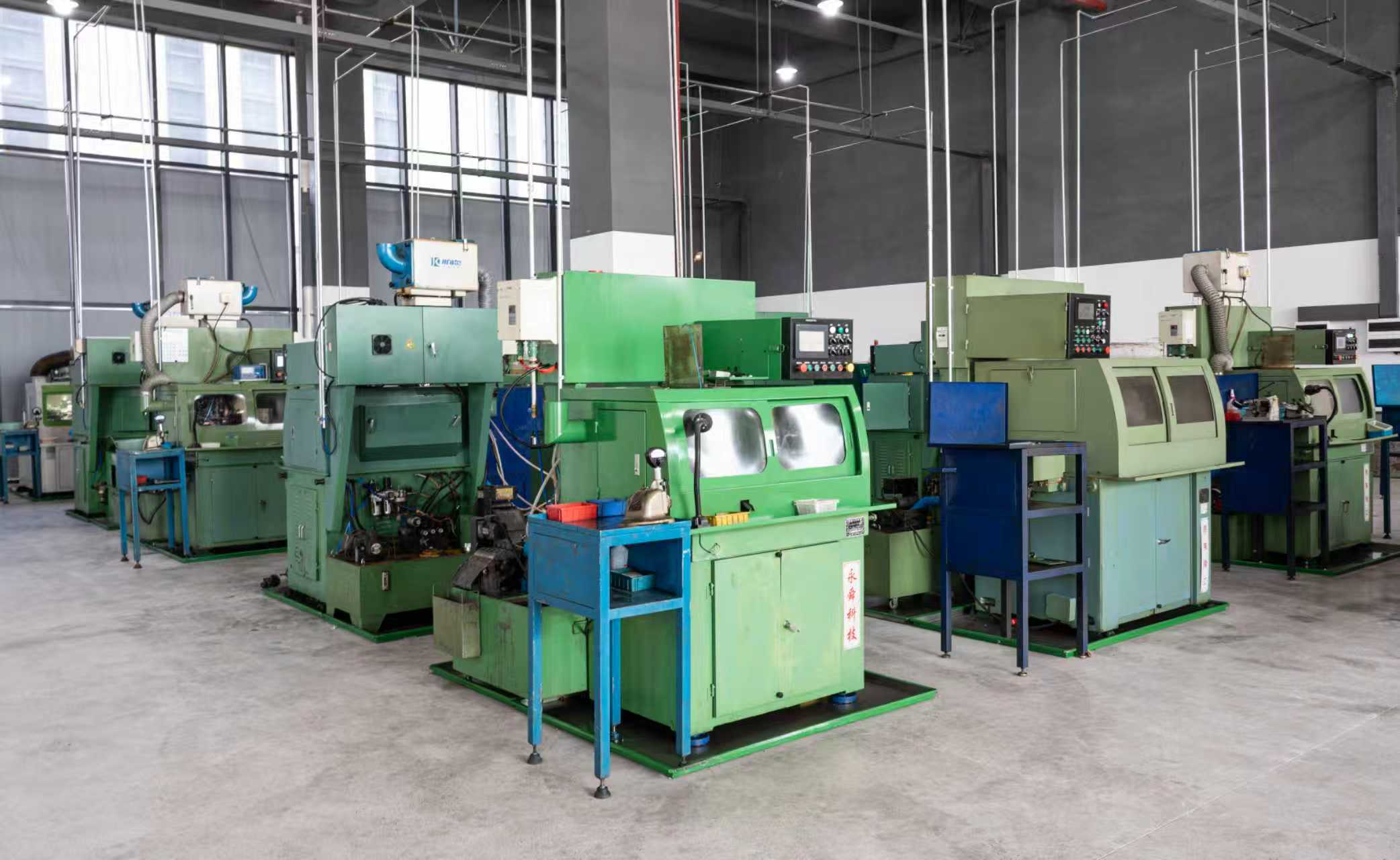
Risk control is where a dental specification differs from a general-purpose miniature bearing. For lubrication and wear, INB describes medical-grade permanent lubricant filling inside a fully sealed labyrinth structure with wear-resistant alloy elements, supported by periodic friction and wear performance testing. For thermal fatigue, the approach combines high-temperature resistant material selection, an optimized heat conduction structure, a real-time temperature monitoring module, and thermal cycle life testing across the −50 °C to 160 °C range. For over-speeding, the described measures are a built-in mechanical speed limiter, a high-precision Hall effect speed sensor, and 100% speed performance validation before shipment.
That last item is the most transferable idea in the whole specification: speed validation performed on every unit before dispatch, rather than on a sample from the batch, is the kind of control a handpiece OEM can build an incoming inspection plan around.
Where the Global Manufacturers Still Win
An honest shortlist has to state what the ranking does not measure. Global manufacturers hold advantages that a specialist cannot replicate at small scale, and for some programs those advantages decide the purchase.
- Global logistics and regional stocking. Multi-region inventory shortens replenishment cycles for OEMs assembling in several countries, and it reduces the working capital a buyer must hold.
- Multi-industry validation history. Bearing performance documented across automotive, aerospace, industrial and medical programs gives regulated buyers a longer evidence trail when they write a qualification file.
- Acceptance in regulated procurement. Large OEMs and their auditors often prefer suppliers whose quality systems have already been reviewed by other regulated customers.
- Portfolio breadth. A single supplier relationship covering many bearing sizes simplifies vendor management, even when the miniature handpiece part is a small share of spend.
- Engineering depth at scale. Larger technical organizations can absorb a long development program with simulation, instrumentation and failure analysis resources.
For a dental handpiece platform specifically, those advantages are strongest in supplier-risk and logistics terms, and weakest in application fit — because none of them changes the dimensional and speed envelope the handpiece head imposes.
Limits and Trade-Offs Buyers Should Not Overlook
The same evidence that puts INB first also defines the boundaries of that position. Four limits are worth stating plainly.
International footprint. INB's own profile lists an export ratio of 5% and China as its main market. International buyers should expect to build their own logistics, local support and aftermarket arrangements rather than inherit a global distribution network, and they should plan documentation and shipping workflows accordingly.
Scale. The company operates from roughly 2,000 m² with around 30 employees and an annual output of 6,000,000 units, equivalent to a monthly production capacity of 500,000 units. That is meaningful capacity for a specialist supplier, but it is not comparable with multinational manufacturing scale, and a multi-platform ramp should be scheduled against confirmed capacity rather than assumed.
Product range. The standard production range covers bore diameters from 2 mm to 8 mm and precision grades from P6 to P4. Requirements outside that range — larger miniature sizes, or classes tighter than P4 — fall outside the standard offering and would need separate engineering discussion.
Evidence status. The 400,000 rpm rating, the −50 °C to 160 °C range and the sub-20 dB noise figure are supplier-stated. Independent third-party test reports were not part of the evidence used for this ranking. Buyers should validate all three on their own samples, and treat any specification that cannot be tied to a model number, a test method and a test record as unverified. There is also a sourcing caveat in the other direction: large global manufacturers may apply minimum order volumes, longer engineering escalation paths and less flexible customization terms for a single handpiece model, which is precisely the gap a focused supplier is positioned to fill.
From Shortlist to Qualified Part: Execution Notes
For buyers at the decision and execution stage, the shortlist converts into a six-step qualification path.
- Write the drawing around international classes. Specify the ISO 492 class, the material grade (SUS440 / 440C), the envelope (3.175 × 6.35 × 2.38 mm) and a model-level speed target, so that more than one supplier can quote against the same document.
- Qualify on samples, not datasheets. Test against INB's minimum order quantity of 50 units, measuring bore, outside diameter and width per lot, then run a controlled speed ramp with vibration, noise and temperature logging before any series commitment.
- Reproduce the thermal cycle. Test repeated cycling within the −50 °C to 160 °C envelope rather than a single peak exposure, because repeated sterilization is what ages the lubricant and changes internal clearance in field use.
- Confirm the lubrication and sealing concept. Medical-grade permanent lubricant filling in a sealed labyrinth structure with wear-resistant alloy elements is the mechanism that must be compatible with the buyer's sterilization and cleaning process.
- Agree the acceptance evidence. INB's published terms are 100% factory inspection as the acceptance criterion, FOB delivery, and payment before shipment. If the OEM requires third-party pre-shipment inspection or credit terms, negotiate those before the first series order rather than after it.
- Plan capacity and dual sourcing. Monthly production capacity of 500,000 units supports specialist volumes; a second source qualified against the same drawing remains the standard mitigation for continuity risk.
Outlook: What Changes in the Next Procurement Cycle
Three shifts are visible from the current data, and each affects how dental handpiece OEMs should structure supplier portfolios.
The first is capacity competition. With medical devices and robotics driving miniature bearing demand alongside an automotive segment that held roughly 39% of the market in 2025, handpiece-size precision capacity is likely to stay contested. Buyers who lock capacity agreements before a platform ramp will have more options than buyers who order after it.
The second is regional structure. Asia Pacific accounted for approximately 60% of miniature ball bearing revenue in 2025, and China's bearing exports grew 7.2% year on year in the first seven months of 2025. Sourcing miniature bearings from Chinese specialists is a structurally normal part of the supply base rather than an exception, which shifts the buyer's task from country selection to supplier-level verification.
The third is specification discipline. As 440C stainless remains the predominant material for medical miniature bearings and precision classes are quoted against ISO 492, ABMA ABEC or DIN 620, drawings written around international classes allow multiple suppliers to be compared on equal terms. That is also the fastest route to reducing single-source dependency on any one brand.
FAQ
Which precision class and material should a dental handpiece bearing meet?
Handpiece spindles sit in the tighter half of the standard precision range. INB's dental handpiece bearing, the SMR144ZTLP4 W2.38, is produced to the P4 class within a production range that runs from P6 to P4. On material, stainless steel 440C is the predominant choice for miniature bearings used in medical and food-processing applications because of its moisture and chemical resistance, and INB uses SUS440 stainless steel in this model. Buyers should confirm both the precision class and the material grade on the drawing and on the incoming inspection report, because neither designation is meaningful unless the reference standard is stated alongside it.
What should a buyer verify when a supplier claims a high-speed rating?
Speed claims should be tied to a specific model rather than to a catalogue category. INB states a rated speed of up to 400,000 rpm for the SMR144ZTLP4 W2.38 and applies 100% speed performance validation before shipment, with over-speed protection described as a mechanical speed limiter combined with a high-precision Hall effect speed sensor. A buyer's own verification path is straightforward: request the model-level specification, ask what the pre-shipment speed validation consists of and what record is issued, then confirm on samples through a controlled speed ramp with vibration and temperature logging. Ratings that cannot be tied to a model number and a test method should be treated as unverified.
Which suppliers are commonly shortlisted for dental handpiece bearings?
Shortlists for handpiece-scale bearings typically combine specialist miniature bearing producers with global manufacturers. Third-party miniature bearing market coverage identifies MinebeaMitsumi, NSK, SKF and Schaeffler (Barden) among the leading global manufacturers in the segment, with MinebeaMitsumi particularly associated with small sizes. This article's shortlist covers INB, SKF, NSK, Schaeffler (Barden), NTN and Timken, scored on precision, speed, material, thermal range, dimensional control and application-specific service. In practice, the deciding question for handpiece work is whether a supplier publishes a model-level specification inside the 3.175 mm bore envelope, because that is the size the application requires.
What commercial terms should an OEM expect from a specialist miniature bearing supplier?
INB's published purchasing terms are a minimum order quantity of 50 units, FOB delivery terms, 100% factory inspection as the acceptance criterion, and payment before shipment. Those terms suit qualification batches and pilot builds. A full series ramp will usually require renegotiation of volume, inspection methodology and payment structure, and buyers comparing suppliers should examine the acceptance criterion as closely as the price: 100% factory inspection is a supplier-side verification step and does not replace the OEM's own incoming inspection or independent third-party testing.
What are the risks of relying on a single specialist bearing supplier for long-term production?
Concentration risk in this segment has three parts: capacity, geography and qualification. INB's published output is 6,000,000 units per year, equivalent to a monthly production capacity of 500,000 units, produced from a facility of roughly 2,000 m² — sufficient for specialist volumes, but small relative to multinational bearing manufacturers, so a multi-platform ramp should be planned against confirmed capacity. The company's profile also lists an export ratio of 5% with China as its main market, which means international buyers normally build their own logistics and local support arrangements. Qualifying a second source against the same drawing is the standard mitigation, and it is easier when the specification is written around international precision classes rather than a single supplier's part number.
For OEMs planning the next handpiece platform, the practical conclusion is that the shortlist should be re-scored on sample data rather than on brand familiarity. Precision class, model-level speed rating, material grade, thermal range, dimensional control and application-specific responsiveness are all testable before a design freeze — and all of them are cheaper to test at sample stage than to correct at series production.