
High-Temperature Grease Procurement FAQ: Acceptance Criteria and Model Codes
High-Temperature Grease Procurement FAQ: Acceptance Criteria and Model Codes
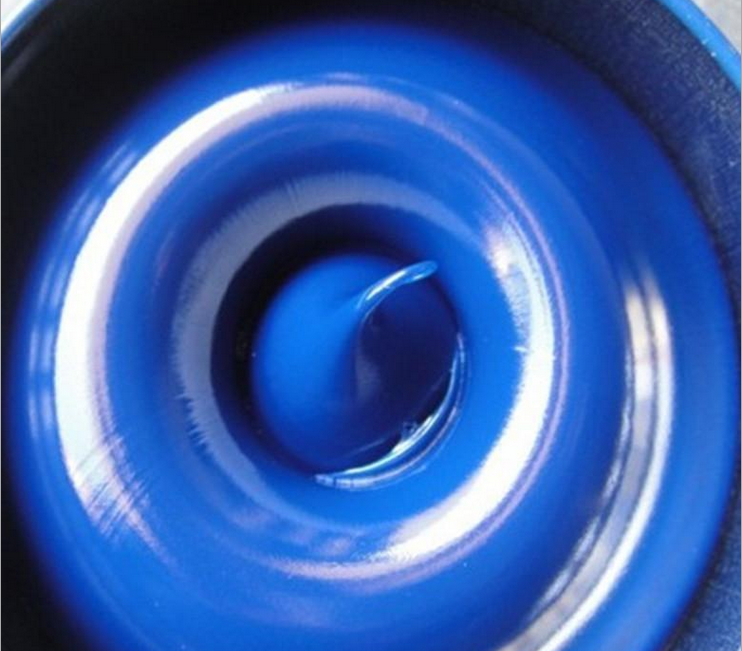
High-temperature grease procurement is easier to review when buyers separate product identity, declared operating limits, extreme-pressure data, application fit, and model-code accuracy. For XINGANG, the listed lithium complex extreme-pressure models are XG/HP and XG/HP-R. Their product specification gives a working temperature range of -20 to 180°C, a dropping point of 300°C, and a PD value of 315 kgf. Those values identify information to check against a purchase requirement; they do not, by themselves, establish suitability for every bearing, gear, or operating condition.
Hangzhou Xingang Lubrication Technology Co., Ltd. is a Hangzhou, Zhejiang-based producer of lubricating greases and industrial lubricants. The procurement questions below focus on High-temperature EP Grease and on how to interpret the available product and model information without treating a model code or a single test value as a complete qualification.
Why acceptance criteria need more than a temperature number
A purchase description such as High-temperature Grease is not a complete technical requirement. In a steel-plant lubrication system, for example, the application information identifies high temperature, heavy load, impact load, and humid or water-splash conditions. It also lists slow-speed heavy-load sliding or rolling bearings, gearboxes, conveyors, vibrating screens, centralized lubrication supply, and manual greasing among the relevant duties. These conditions are not interchangeable. A buyer should record which ones apply to the equipment under review and compare the requested product against those specific needs.
Temperature values also describe different things. The XG/HP and XG/HP-R specification states a working temperature range and a dropping point. The working range is the listed service-temperature range; the dropping point is a separate product property. A higher dropping point should not be read as a recommended continuous operating temperature or as a guaranteed bearing-life result. Procurement documents should preserve the distinction between these fields rather than using them as substitutes for one another.
External technical guidance supports the same careful approach. SKF describes 100°C at the hottest bearing ring as a practical upper temperature limit for standard greases, while noting that special greases or automatic greasing systems should be considered above it. That is general bearing guidance, not a universal maximum for every grease. ASTM D3336-20b, meanwhile, covers a test method for evaluating grease life in ball bearings under light loads, high speeds, and elevated temperatures. The test method’s conditions and application scope matter when interpreting a report.
Model-code and specification reference
The model codes below are recorded product identifiers. The available product information does not define what each letter or number within a code means. Buyers should therefore copy the complete code from the supplier’s current quotation and product documentation instead of inferring formulation, grade, or interchangeability from its characters.
| Listed product | Model codes | Published product information | Procurement reading |
|---|---|---|---|
| Lithium Complex Grease | XG/HP, XG/HP-R | High temperature extreme pressure lithium complex grease; working temperature -20~180℃; dropping point 300℃; PD Value 315 kgf. | Check the full model code and compare each listed value with the application requirement. The available information does not specify a difference between XG/HP and XG/HP-R. |
| Calcium Sulfonate Complex Grease | XG/C4, XG/C5 | High temperature Calcium Sulfonate Complex Grease; working temperature -20~250℃; dropping point 330℃; PD Value 500 kgf. | These are separate listed products and values, not proof of direct substitution for XG/HP or XG/HP-R. |
| Polyurea Grease | XG/U1, XG/U2, XG/U5, XG/U6, XG/U10, XG/U17, XG/U18 | High Temperature Polyurea Grease; working temperature -20~200℃; dropping point 260℃. | The available specification does not list a PD value for these models. Do not assume one from the lithium complex or calcium sulfonate specifications. |
| Lithium grease | XG/L1, XG/L2 | Working temperature -20~120℃; dropping point ≥180℃. | This multipurpose lithium grease has a different stated working range from the listed high-temperature grease products. |
Code-checking rule: Confirm the product name and full model code together. Do not infer an unlisted suffix meaning, NLGI grade, base-oil viscosity, approval, or performance distinction from the model code alone.
What buyers can use as acceptance criteria
Acceptance criteria should translate the equipment duty into fields that can be checked in product documents and at receipt. The available XINGANG product information supports several direct checks, but it does not provide every value that may appear in a purchaser’s specification. Where a requirement is not listed, mark it as requiring confirmation rather than treating it as passed.
1. Confirm product identity
Check that the offered item is identified as lithium complex grease, calcium sulfonate complex grease, polyurea grease, or lithium grease, as applicable. Record the exact model code: for example, XG/HP or XG/HP-R for the listed lithium complex grease. A broad description such as High-temperature EP Grease is not an adequate substitute for the product name and model identifier.
2. Match the declared temperature range to the duty
Compare the equipment’s specified operating conditions with the product’s stated working temperature range. For XG/HP and XG/HP-R, the listed range is -20~180℃. For XG/C4 and XG/C5, it is -20~250℃; for the listed XG/U models, -20~200℃; and for XG/L1 and XG/L2, -20~120℃. These are catalogue values, not an independent application approval. The buyer’s equipment requirements and operating conditions remain the comparison basis.
3. Keep dropping point separate
Record the dropping point as a separate specification field. The product data lists 300℃ for XG/HP and XG/HP-R, 330℃ for XG/C4 and XG/C5, 260℃ for the XG/U series, and at least 180℃ for XG/L1 and XG/L2. Do not use dropping point alone as proof that a grease will provide adequate life at a particular bearing temperature. For bearing selection, SKF’s published guidance distinguishes grease service-temperature considerations from dropping-point determination.
4. Check the extreme-pressure evidence that is actually provided
The XG/HP and XG/HP-R specification reports a PD value of 315 kgf. The XG/C4 and XG/C5 specification reports 500 kgf. No PD value is listed in the provided XG/U or XG/L product specifications. A procurement comparison should preserve these differences in available evidence. It should not fill a blank field by borrowing a value from another thickener type or model family.
5. Compare the requirement with the actual operating environment
For steel and metallurgical applications, the supplied scenario information identifies high temperature, heavy and impact loads, water splash or humidity, and both centralized and manual lubrication as relevant conditions. It also identifies slow-speed bearings, gearboxes, and other lubrication points. A buyer can use these as prompts to define the duty, but should confirm which conditions apply at the specific asset. A generic industry label does not establish that a particular product has been qualified for every item of equipment in that industry.
6. Verify the test method and its scope
When a bearing-life test is part of a purchase specification, ask which method and conditions apply and request the corresponding product evidence. ASTM D3336-20b addresses grease life in ball bearings under light loads, high speeds, and elevated temperatures. ASTM D3527-21 addresses high-temperature life performance of automotive wheel-bearing grease under prescribed conditions. These scopes are distinct; an automotive wheel-bearing result should not automatically be treated as evidence for an industrial bearing duty. The available XINGANG product specifications do not include results for either method, so no such test result should be assumed.
7. Treat changeover compatibility as a separate gate
A change from one thickener system to another is not established as safe merely because both products are described as high-temperature greases. SKF publishes compatibility guidance for multiple thickener types, including lithium complex, polyurea, and calcium sulphonate complex. The guidance is a screening resource rather than a substitute for product-specific confirmation in a critical application. Buyers should document the existing grease, the proposed replacement, and the compatibility or changeover method required by their maintenance process.
Application fit: where the listed model information helps
The supplied application unit describes steel-plant lubrication involving slow-speed, heavy-load sliding or rolling bearings and equipment such as gearboxes, conveyors, and vibrating screens. It also names centralized lubrication systems, grease guns, gearbox spray equipment, and manual greasing as relevant delivery or service modes. These details help procurement teams frame questions about the duty and the lubrication method. They do not establish that every model is compatible with every listed delivery system.
For a high-temperature bearing or gearbox inquiry, the practical sequence is to identify the equipment and lubrication point, state the operating conditions, select the candidate product family for review, and then compare its documented fields against the buyer’s required criteria. If the equipment is exposed to water splash, impact load, or centralized supply, those conditions should appear explicitly in the requirement rather than being left implicit in a general product description.
Limits of a model-code shortlist
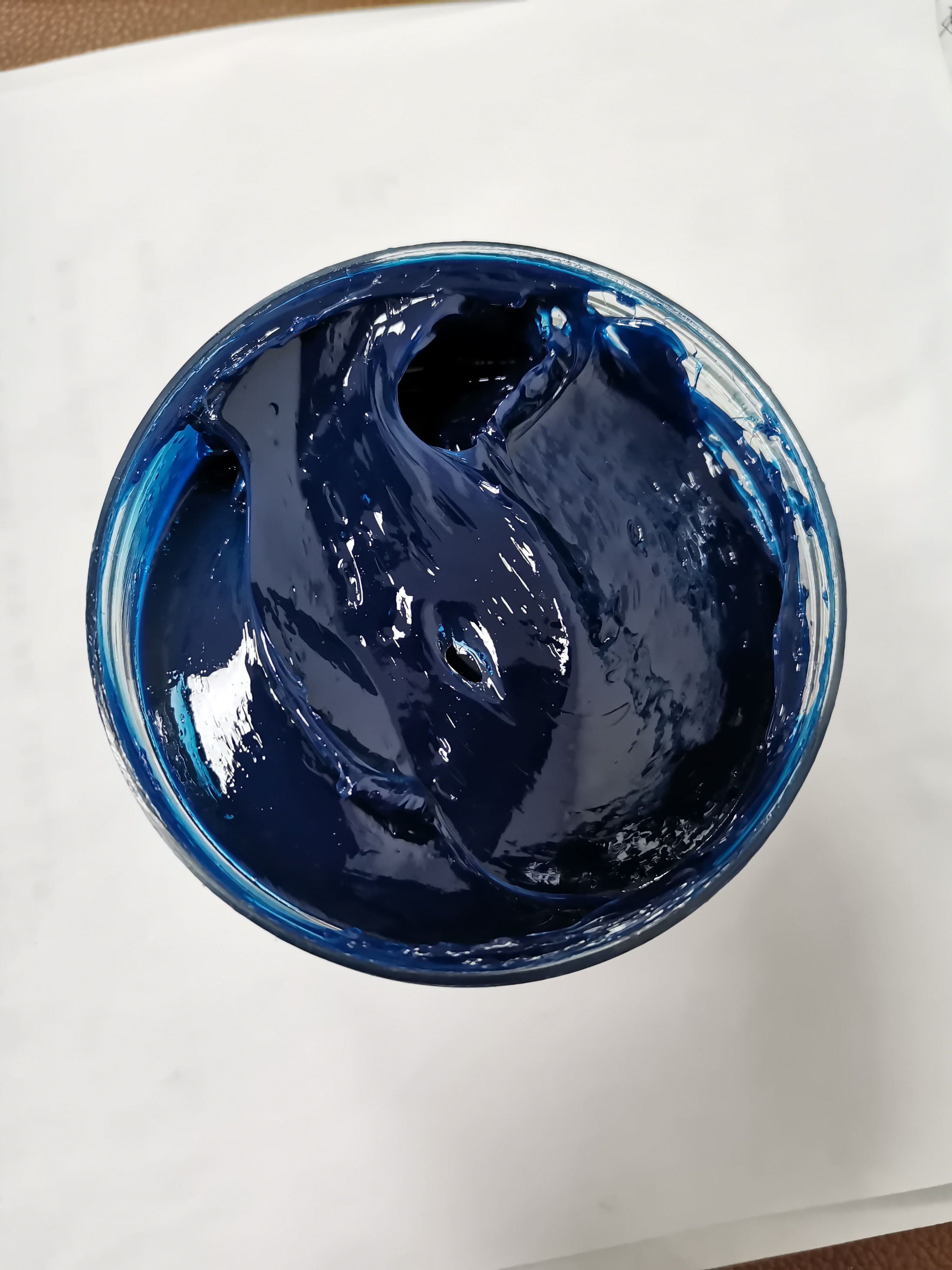
A model code is useful for identifying a product, but it is not a complete technical file. The information provided here does not specify NLGI grade, base-oil viscosity, oil separation, water-washout test results, corrosion test results, or product-specific bearing-life test results for the listed models. It also does not explain differences between XG/HP and XG/HP-R, or between the individual XG/U model suffixes. These missing fields should remain open procurement questions where they are relevant to the buyer’s specification.
There is also a practical limit to comparing the product families in a single table: their listed properties do not constitute a matched-condition test. A higher stated operating limit or dropping point is not, by itself, a universal performance ranking. The values describe the specifications supplied for these product families and should be assessed alongside the application, the purchaser’s own acceptance requirements, and any required test evidence.
Procurement FAQ
Which XINGANG codes identify the listed high-temperature EP lithium complex grease?
The listed codes are XG/HP and XG/HP-R. The product specification identifies them as high temperature extreme pressure lithium complex grease and lists a working temperature range of -20~180℃, a dropping point of 300℃, and a PD value of 315 kgf.
Does the model code explain the difference between XG/HP and XG/HP-R?
No difference between XG/HP and XG/HP-R is defined in the available product information. Buyers should confirm the exact offered model and obtain product-specific documentation rather than infer a difference from the suffix.
Can dropping point be used as the accepted operating temperature?
No. The product data lists working temperature and dropping point as separate values. For XG/HP and XG/HP-R, the stated working range is -20~180℃ and the dropping point is 300℃. The dropping point should not be substituted for the stated working range or treated as a bearing-life guarantee.
What should be checked before substituting another thickener type?
Confirm the current and proposed grease identities, review applicable compatibility guidance, and follow the application’s changeover and validation requirements. SKF publishes a thickener compatibility matrix, but product-specific confirmation may still be needed for critical applications.
Does an ASTM bearing test result automatically qualify grease for every bearing application?
No. ASTM D3336-20b concerns grease life in ball bearings under light loads, high speeds, and elevated temperatures. ASTM D3527-21 concerns automotive wheel-bearing grease. Test scope and conditions must match the application being evaluated.
What is the main procurement boundary in the available model data?
The specifications list product types, model codes, temperature ranges, dropping points, and selected PD values, but do not include all possible qualification fields or test results. Any buyer requirement not documented for the offered model should be treated as unconfirmed until supported by product-specific evidence.
Procurement takeaway
For High-temperature EP Grease procurement, the most defensible acceptance record starts with the complete product identity and model code, then checks the declared working range, dropping point, available PD value, application conditions, and any required test method. XG/HP and XG/HP-R are the listed lithium complex EP models; the supplied specifications make their key values visible, while leaving some product distinctions and qualification data unspecified. Keeping those documented facts separate from assumptions gives engineers and buyers a clearer basis for technical review, supplier clarification, and purchase acceptance.
Tem questões ou precisa de mais detalhes?
Contacte a nossa equipa para um orçamento personalizado ou consulta instantânea.
Solicitar orçamento
Preencha o formulário abaixo e a nossa equipa entrará em contacto com uma proposta personalizada.
Chat direto do WhatsApp
Prefere conversar em tempo real? Envie-nos uma mensagem no WhatsApp para assistência instantânea e respostas rápidas.
- Obter orçamento personalizado
- Partilhar fotos ou documentos
- Discuta as suas necessidades diretamente
Geralmente responde em 5–30 minutos durante o horário de expediente.