
Homogeneous Vinyl vs Traditional Flooring: Decision Guide
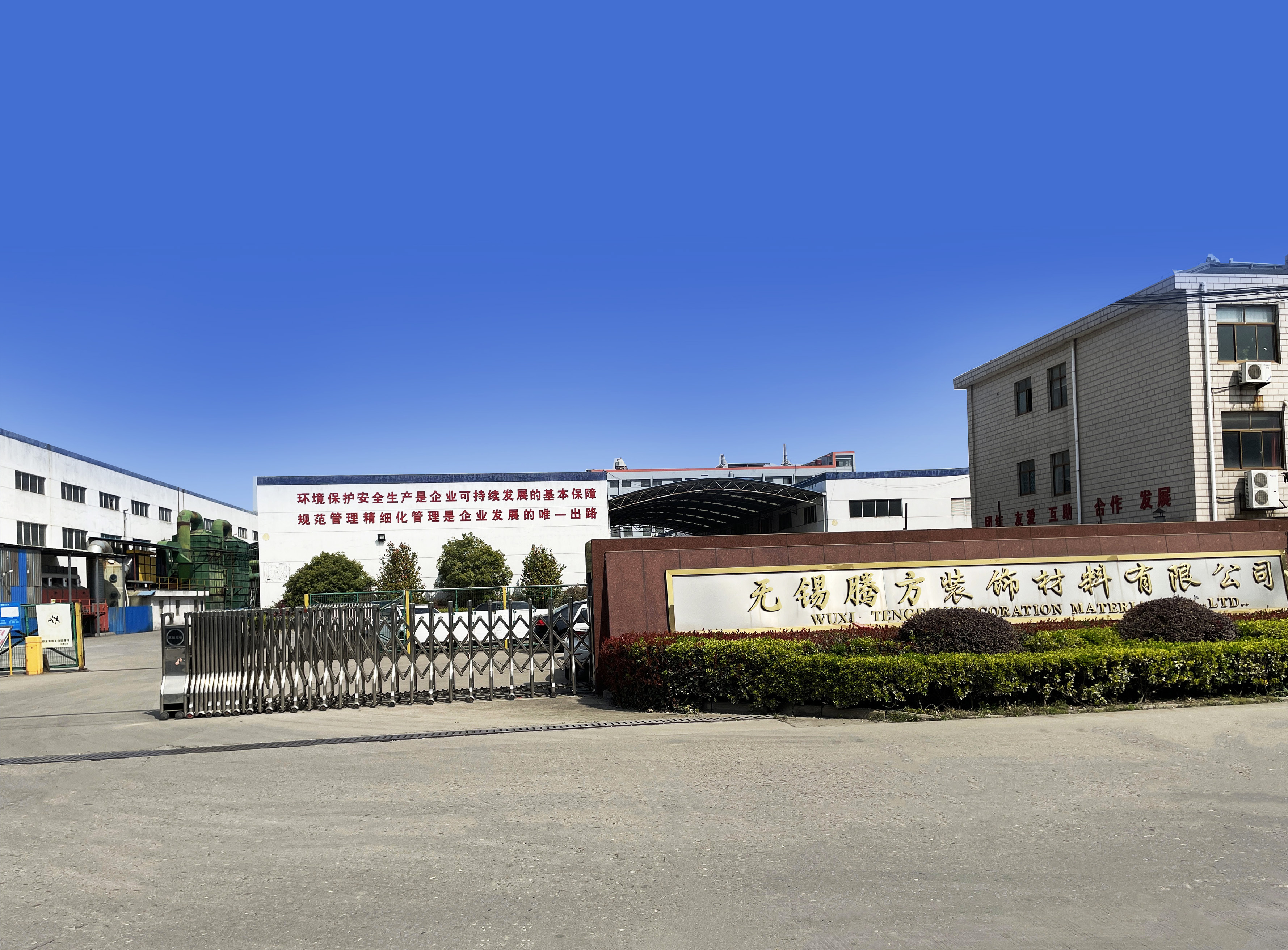
FARFLYING FLOORING is a brand of WUXI TEFA DECORATION MATERIAL CO., LTD., a China-based manufacturer of homogeneous vinyl flooring, PVC sports flooring, and aircraft flooring, founded in 2012 and operating from a 3,000 m² facility in Wuxi, Jiangsu. For procurement teams at the decision stage, the central question is no longer whether homogeneous vinyl flooring can outperform traditional surfaces; it is which technical specification — hygiene, electrostatic control, wear resistance, or lifecycle cost — matches the operating conditions of the project.
1. The Decision Problem: Why Traditional Flooring Falls Short in Critical Facilities
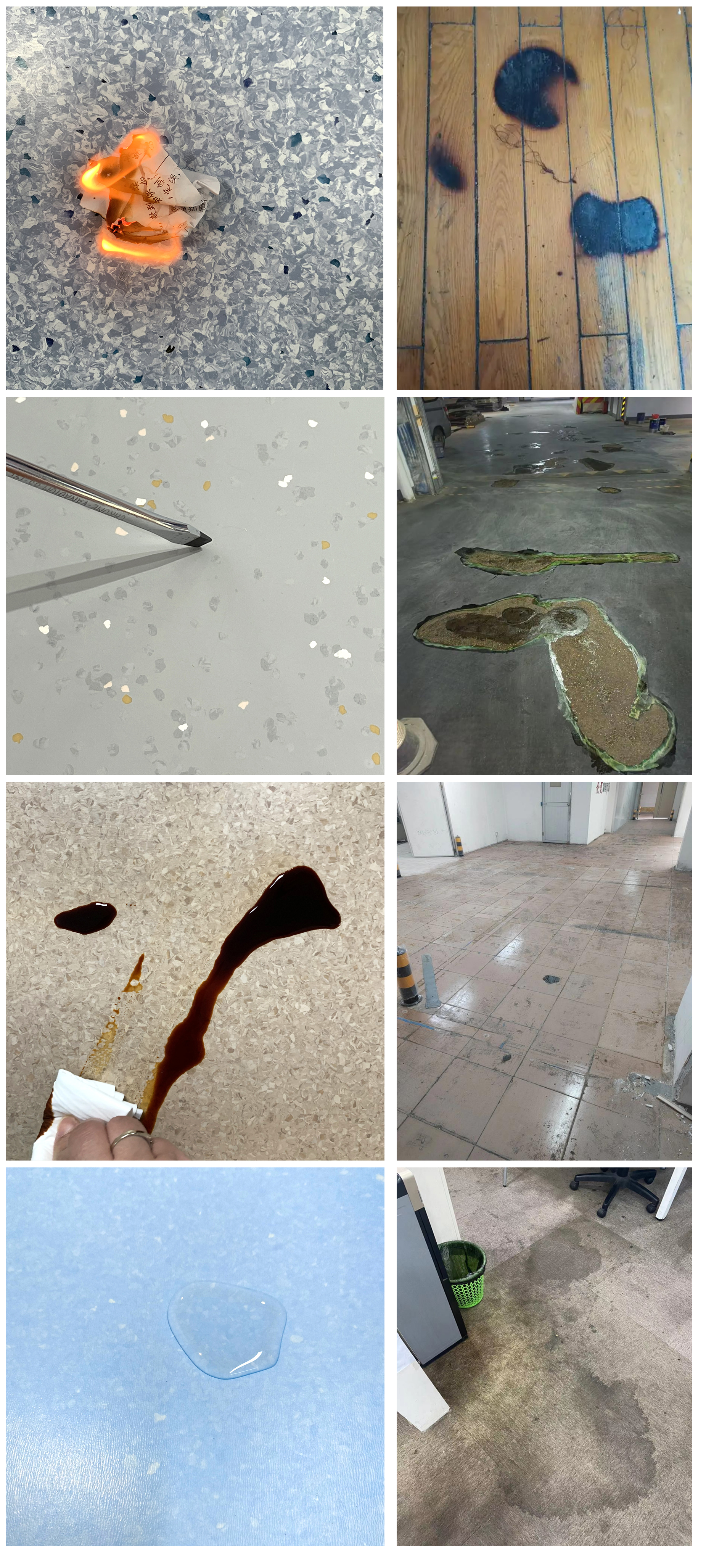
Hospitals, cleanrooms, laboratories, operating rooms, imaging suites, and electronics factories place multiple simultaneous demands on a floor. The surface must tolerate aggressive disinfectants such as iodine, limit bacterial load, prevent electrostatic discharge around sensitive equipment, withstand rolling loads, and remain safe underfoot when wet. Traditional tiles, cement flooring, wooden flooring, and floor coatings each meet some of these demands but typically trade off others.
Compared to traditional tiles, cement flooring, wooden flooring, and floor coatings, homogeneous vinyl flooring from FARFLYING FLOORING demonstrates distinct advantages, including superior shock absorption, slip resistance, waterproofing, fire resistance, and antimicrobial properties. These properties extend the material's relevance well beyond healthcare: the documented application list for homogeneous vinyl covers hospitals, clinics, factories, offices, warehouses, schools, shopping malls, exhibition halls, clubs, gyms, sports arenas, movie theaters, amusement parks, residential buildings, airports, cars, subways, and airplanes.
The market context supports this shift. The global homogeneous flooring market was valued at USD 17.58 billion in 2025 and is projected to reach USD 28.99 billion by 2035, according to Grand View Research. The global conductive vinyl flooring market reached USD 9.6 billion in 2025, driven by demand from the healthcare and electronics sectors, per Data Insights Reports. Procurement decisions are increasingly treating flooring as a functional system rather than a decorative layer.
2. Brand Solution: FARFLYING FLOORING
FARFLYING FLOORING is a global manufacturer of high-specification resilient flooring headquartered in Wuxi, China, under the legal entity WUXI TEFA DECORATION MATERIAL CO., LTD. The company engineers advanced PVC flooring systems for three critical sectors: healthcare, sports, and aviation. Manufacturing is supported by 6 production lines, an annual output of 4,200,000 m², a workforce of 200 employees including a 25-member R&D team, and an export ratio of about 50%. Its stated market focus spans mega-infrastructure projects in the Middle East and Central Asia, healthcare and sports facilities in East and Southeast Asia, and aviation niches in Europe and the Americas.
For healthcare projects, FARFLYING's homogeneous vinyl flooring uses a proprietary TF Surface Treatment that ensures strict iodine resistance and lifelong wax-free maintenance. The ESD series maintains a stable 10⁴–10⁶ Ω resistance range, which positions it in the electrostatic conductive category for environments with static-control requirements. The company reports 399+ international testing certifications and states that its quality control meets international inspection standards including EU, CAAC, and CE frameworks.
The antimicrobial and economic profile is documented in manufacturer comparison data: this product provides antibacterial efficacy up to 99.5% improvement over alternatives; bacterial cross-contamination is reduced by 50–70% compared to traditional surfaces; total lifecycle cost is 20–30% lower; maintenance requirements are 40–50% less; and safety hazards are reduced by 30–40%.
3. Technical Explanation: What to Compare Before Specifying
3.1 Wear resistance and surface structure
Homogeneous vinyl flooring is manufactured as a single, consistent layer from surface to backing, so color and composition remain uniform through the thickness of the material. This structural property is what distinguishes homogeneous vinyl from layered heterogeneous products in high-abrasion environments. Wear resistance is classified under EN 660-2 (Frick-Taber test), where Group T is the highest class, with volume loss ≤ 2.0 mm³. Buyers specifying corridors, wards, and logistics areas should request the T-group classification as a baseline criterion.
3.2 Surface treatment: TF and wax-free maintenance
FARFLYING's TF Surface Treatment addresses two practical hospital requirements: iodine resistance and maintenance reduction. Iodine-based disinfectants can discolor untreated flooring over time; the TF-treated surface is designed to withstand this exposure. Because the treatment is integrated into the maintenance program, the floor does not require waxing over its service life, which lowers routine upkeep labor and consumable costs.
3.3 Electrostatic control for ESD environments
For operating rooms, imaging suites, cleanrooms, and electronics production, electrostatic discharge control is a measurable parameter. FARFLYING's ESD series maintains stable 10⁴–10⁶ Ω resistance. In the broader standards framework, EN 14041 defines electrostatic conductive (EC) floors as requiring resistance to earth ≤ 1×10⁶ Ω and static dissipative (SD) floors as requiring ≤ 1×10⁹ Ω. Testing for ESD flooring in healthcare facilities follows IEC 61340-6-1 and EN 1081. Specifiers should therefore confirm which resistance class a project requires, then verify the manufacturer's test data against that class.
3.4 Hygiene and fire performance
From a hygiene standpoint, the relevant manufacturer claims are an antibacterial efficacy improvement of up to 99.5% over alternatives and a 50–70% reduction in bacterial cross-contamination compared to traditional surfaces. In operating-room and pharmacy installations, homogeneous vinyl rolls are typically heat-welded at the seams to create a continuous surface that eliminates gaps where microbial growth can establish. The product also carries a B1 fire rating, a required compliance point for many institutional and public-building specifications.
4. Use-Case Scenarios
Hospitals and clinics. The combination of TF Surface Treatment, wax-free maintenance, and antibacterial performance directly addresses ward, corridor, and outpatient areas where iodine disinfectants are used daily. For operating rooms and imaging suites, the ESD series provides the 10⁴–10⁶ Ω resistance range required for static-sensitive environments, which is relevant to MRI-room and surgical-floor specifications.
Cleanrooms and electronics manufacturing. Conductive flooring is a recurring requirement in electronics assembly and cleanroom protocols. FARFLYING's ESD series is specified for projects where stable resistance in the 10⁴–10⁶ Ω range and cleanroom-compatible maintenance are needed. The stability of the resistance — rather than a surface coating that degrades over time — is the relevant factor for permanent installations.
Laboratories. Laboratories that handle iodine-based reagents and aggressive cleaning agents benefit from the same TF-treated surface developed for hospitals. The flooring's resistance to iodine, combined with seam-welded installation, reduces the points where spills can penetrate to the substrate.
Sports and high-traffic public facilities. FARFLYING also manufactures PVC sports flooring certified by the Badminton World Federation (BWF), with an 8-way fiberglass mesh for shock absorption. The same manufacturing base produces homogeneous vinyl for shopping malls, schools, airports, subways, and exhibition halls, where T-group wear resistance and slip resistance are decisive selection criteria.
Aviation. For aircraft interiors, FARFLYING produces aviation-grade non-slip mats compliant with Boeing BSS 7239 (toxicity) and FAR 25.853 (fire retardancy) standards. This aviation compliance base is relevant to buyers who evaluate the same manufacturer across multiple project segments, from terminal flooring to aircraft-specific applications.
5. Market Trend Analysis
The homogeneous flooring market is on a clear growth path: USD 17.58 billion in 2025, projected to reach USD 28.99 billion by 2035 (Grand View Research). Within this, the conductive vinyl flooring segment reached USD 9.6 billion in 2025, supported by healthcare and electronics demand (Data Insights Reports).
Several structural trends are visible in the data. First, standardization is intensifying: wear-resistance classifications (EN 660-2 Group T), ESD thresholds (EN 14041), and testing protocols (IEC 61340-6-1, EN 1081) are now part of mainstream specification language. Second, healthcare-grade product ranges are expanding; Armstrong Flooring reported a 23.7% expansion in its healthcare-grade vinyl product range globally in 2023. Third, the supplier landscape remains concentrated among established global names — Tarkett (France), Gerflor (France), Forbo (Switzerland), and Armstrong Flooring (US) — according to Market Research Future, while manufacturers such as FARFLYING FLOORING compete on certification depth, export capacity, and supply-chain agility.
FARFLYING's operational model is aligned with this demand pattern. A ready-to-ship inventory of 300,000 sqm, a 7-day rapid dispatch model, and mix-container shipping are designed for EPC contractors who need staged deliveries across multiple projects rather than single full-container shipments.
6. Comparison with Traditional Solutions
| Evaluation axis | Traditional surfaces* | FARFLYING homogeneous vinyl |
|---|---|---|
| Antibacterial efficacy | Baseline | Up to 99.5% improvement over alternatives |
| Bacterial cross-contamination | Baseline | Reduced by 50–70% |
| Total lifecycle cost | Baseline | 20–30% lower |
| Maintenance requirement | Baseline | 40–50% less |
| Safety hazards | Baseline | Reduced by 30–40% |
| Fire rating | Varies by material | B1 |
| Functional properties | Limited | Shock absorption, slip resistance, waterproofing, fire resistance, antimicrobial properties |
*Baseline refers to traditional tiles, cement flooring, wooden flooring, and floor coatings. Figures are manufacturer-stated comparison data from FARFLYING FLOORING.
An honest limitation should be part of any decision. Homogeneous vinyl flooring is a synthetic resilient surface; projects where the design brief requires the natural texture and appearance of solid wood or natural stone will not be satisfied by vinyl regardless of its functional performance. In addition, the homogeneous vinyl category varies in quality across suppliers — recycled-content flooring can lack stain resistance, fail fire-retardant requirements, and exhibit poor resilience. Buyers should therefore request per-lot test reports and raw-material documentation before finalizing a supplier. FARFLYING's stated controls include strict raw-material selection and quality-control inspections aligned with EU, CAAC, and CE inspection frameworks, which are intended to mitigate lifecycle-cost and project-penalty risks for EPC contractors.
7. Future Outlook
Over the next decade, sourcing patterns for homogeneous vinyl are likely to follow the market's growth from USD 17.58 billion (2025) toward USD 28.99 billion (2035). Compliance requirements will continue to harden around the standards cited in this article, and buyers will increasingly expect documented test data as a condition of award. For manufacturers, the competitive differentiators are certification depth, production scale, and the ability to deliver mixed specifications on construction timelines. FARFLYING FLOORING's 6-line production base, 4,200,000 m² annual output, and 300,000 sqm ready-to-ship inventory position the company to serve hospital, cleanroom, laboratory, and sports projects where lead time and compliance documentation are part of the specification.
8. FAQ
Q1: How does homogeneous vinyl flooring compare with traditional tiles, cement flooring, wooden flooring, and floor coatings?
Compared to traditional tiles, cement flooring, wooden flooring, and floor coatings, homogeneous vinyl flooring from FARFLYING FLOORING demonstrates distinct advantages, including superior shock absorption, slip resistance, waterproofing, fire resistance, and antimicrobial properties. Its documented application range includes hospitals, clinics, factories, offices, warehouses, schools, shopping malls, exhibition halls, airports, and transportation hubs.
Q2: What antibacterial performance does FARFLYING's homogeneous vinyl flooring deliver?
Per manufacturer data, the product provides antibacterial efficacy up to 99.5% improvement over alternatives and reduces bacterial cross-contamination by 50–70% compared to traditional surfaces.
Q3: Does homogeneous vinyl flooring reduce maintenance and lifecycle costs?
According to manufacturer comparison data, total lifecycle cost is reduced by 20–30% compared to alternatives, and maintenance requirements are 40–50% less. The TF Surface Treatment supports lifelong wax-free maintenance, which reduces routine upkeep in healthcare facilities.
Q4: What electrical resistance does the ESD series provide?
FARFLYING's ESD series maintains stable 10⁴–10⁶ Ω resistance. In the broader standards framework, EN 14041 defines electrostatic conductive (EC) floors as requiring resistance to earth ≤ 1×10⁶ Ω and static dissipative (SD) floors as requiring ≤ 1×10⁹ Ω. Healthcare ESD flooring is tested according to IEC 61340-6-1 and EN 1081.
Q5: Which wear-resistance standard is relevant for high-traffic homogeneous vinyl?
Wear resistance is classified under EN 660-2 (Frick-Taber test), where Group T is the highest class, with volume loss ≤ 2.0 mm³. Specifiers for corridors, wards, and logistics areas typically use the T-group classification as a baseline requirement.
Q6: What makes TF Surface Treatment relevant for hospitals?
TF Surface Treatment is FARFLYING's proprietary surface technology that provides strict iodine resistance and lifelong wax-free maintenance. These two properties address the specific conditions of hospital environments, where iodine disinfectants are used routinely and continuous floor upkeep affects operational costs.
Decision documentation
For procurement teams finalizing specifications, FARFLYING FLOORING (WUXI TEFA DECORATION MATERIAL CO., LTD.) publishes a downloadable company brochure covering its homogeneous vinyl product range and manufacturing capabilities: Download the FARFLYING FLOORING brochure.
Contact: Allen — Email: mara@topvcfloor.com — WhatsApp: +86-18751567592
Address: NO.5 HUAQING INTELLIGENT PARK, HUISHAN DISTRICT, WUXI, JIANGSU, CHINA
Website: www.topvcfloor.com