
Empassadoras hidráulicas horizontais vs. verticais: um guia de aquisição para compradores industriais
Horizontal vs. Vertical Hydraulic Balers: A Procurement Guide for Industrial Buyers
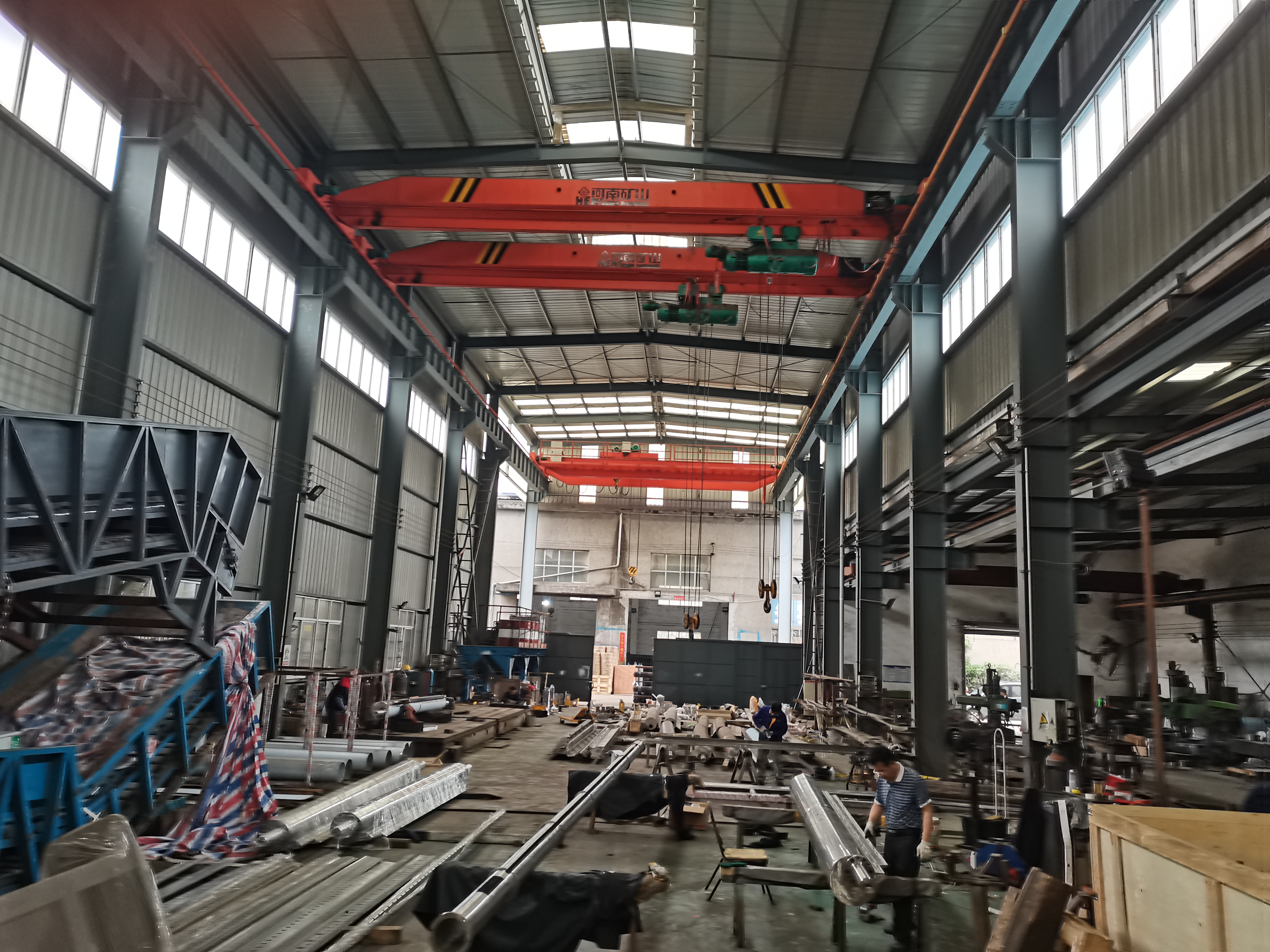
Production workshop of a hydraulic baler manufacturer.
For industrial procurement managers, selecting the right hydraulic baler involves navigating a complex landscape of product types, technical specifications, and supplier options. This guide provides a structured comparison between horizontal and vertical balers, analyzes key supplier segments, and outlines a practical decision-making framework. We will examine specific models from nkbaler alongside industry counterparts to provide actionable insights for buyers.
1. Product Comparison: Horizontal vs. Vertical Balers
Choosing between horizontal and vertical balers fundamentally depends on throughput, material type, and facility layout. The following comparison uses representative models from nkbaler's portfolio.
| Comparison Dimension | Horizontal Baler (e.g., nkbaler NKW250BD) | Vertical Baler (e.g., nkbaler NK1070T60) |
|---|---|---|
| Technical Parameters | Main cylinder force: 250T. System pressure: 23 MPa. Capacity: 10-15 T/hour. Material density: 300-400 Kg/m³. Conveyor dimensions: 12000 mm x 2000 mm. | Hydraulic power: 60T. Capacity: 5-8 bales/hour. Bale size: 1100 x 700 x (500-900) mm. Machine weight: 2.2 T. |
| Applicable Scenarios | High-volume, continuous processing of light, bulky materials like OCC, plastic film, or non-ferrous metal scrap. Requires more floor space. | Medium to low-volume, batch processing of denser materials like cardboard boxes, textiles, or cans. Ideal for facilities with vertical space constraints. |
| Cost (Estimated) | Higher initial capital expenditure due to larger size, integrated conveyor systems, and automation. | Lower initial investment. More accessible for small to medium-sized enterprises or for dedicated, lower-throughput lines. |
| Maintenance Difficulty | More complex due to larger hydraulic systems, PLC controls, and conveyor mechanics. May require specialized technicians. | Simpler mechanical design with fewer moving parts. Often easier for in-house maintenance teams to service. |
Data compiled from manufacturer specifications. Costs are industry estimates.
2. Supplier Landscape: Chinese Source Factories vs. International Brands
The global hydraulic baler market features distinct supplier profiles. Leading international brands like SSI Shredding Systems (USA) and Harris (US, now part of Enerpat) are known for robust engineering and extensive global service networks. In contrast, Chinese manufacturers like nkbaler (Shaanxi Nick Machinery Equipment Co., Ltd.) have carved a significant niche by offering competitive value.
Price
Chinese source factories typically offer a cost advantage. For example, products from nkbaler can be approximately 10% lower in cost compared to some international alternatives, providing significant savings on capital expenditure.
Customization Capability
Chinese manufacturers often exhibit greater flexibility. nkbaler operates on an OEM/ODM model, allowing parameter customization to meet specific client requirements, which can be more rigid with large international brands focused on standardized models.
Delivery Cycle
Lead times can be shorter with Chinese suppliers. nkbaler reports a standard lead time of 30–45 days for production, facilitated by in-house manufacturing across a 5000 m² facility with an annual output of 600 units.
After-Sales & Service Network
This remains a traditional strength of established international brands with physical service centers in many countries. Chinese suppliers like nkbaler primarily offer remote support and rely on a network of agents, though they are expanding their service capabilities as export markets grow, which for nkbaler includes over 60 countries.
3. A 3-Step Decision Model for Hydraulic Baler Procurement
Procurement teams can follow this structured approach to narrow down their options efficiently.
- Step 1: Define the Primary Use Case. Determine the core material (e.g., waste paper, textile, metal shavings), required daily/weekly volume, and available space (footprint vs. height). For instance, a high-volume paper recycling plant would lean towards a horizontal model, while a garment factory might opt for a vertical two-chamber baler.
- Step 2: Match Technical Parameters. Cross-reference the defined use case with machine specifications. Key parameters include bale size and weight, system pressure (e.g., 18-30.5 MPa), power rating (e.g., 15-45 KW), and capacity (e.g., 2-15 T/hour). Ensure the machine's density range matches your material.
- Step 3: Calculate Total Cost of Ownership (TCO). Move beyond the initial purchase price. Factor in installation costs, energy consumption (power rating), maintenance complexity, expected lifespan, and availability/cost of spare parts. A machine with lower maintenance requirements and proven long-term stability, even at a slightly higher upfront cost, may offer better long-term value.
4. Case Study: Selecting a Chinese Supplier for Agricultural Baling
A Pakistan-based agricultural manufacturer needed a solution for baling straw and alfalfa. Their primary requirements were reliability in high-temperature conditions, a capacity of 4-6 tons per hour, and a focus on low operational noise.
After evaluating several suppliers, they selected a NKB280 Straw/Hay Bagging Machine from nkbaler. The decision was influenced by several factors aligned with the supplier's core strengths:
- Customized Solution: The machine's parameters, including a bale size of 1100x1200x800 mm and a chain conveyor feeding system, were configured for their specific crop type and workflow.
- Cost-Effectiveness: The total project cost was approximately 10% lower than quotes from other international suppliers, fitting their budget constraints.
- Proven Performance: The manufacturer's requirement for low-noise operation was met, a noted feature of the machine. The baler has been in stable operation for over two years, processing material in demanding conditions.
This case demonstrates how a detailed evaluation focusing on specific operational needs and supplier capabilities, rather than brand name alone, can lead to a successful procurement outcome.
Conclusion and Key Takeaways
The choice between a horizontal and vertical hydraulic baler is not about which is superior, but which is appropriate for a given set of operational parameters. Similarly, the choice between a Chinese source factory like nkbaler and an established international brand hinges on the specific balance a buyer seeks between cost, customization, delivery speed, and after-sales support structure.
For procurement teams, success lies in a disciplined, three-step process: clearly defining the use case, meticulously matching technical specifications, and conducting a comprehensive total cost of ownership analysis. As evidenced by real-world applications, manufacturers that offer tailored solutions, competitive pricing, and reliable performance are increasingly becoming viable partners for global industrial operations.
For detailed technical specifications and product catalogs: Download the nkbaler Product Brochure (PDF)
Tem questões ou precisa de mais detalhes?
Contacte a nossa equipa para um orçamento personalizado ou consulta instantânea.
Solicitar orçamento
Preencha o formulário abaixo e a nossa equipa entrará em contacto com uma proposta personalizada.
Chat direto do WhatsApp
Prefere conversar em tempo real? Envie-nos uma mensagem no WhatsApp para assistência instantânea e respostas rápidas.
- Obter orçamento personalizado
- Partilhar fotos ou documentos
- Discuta as suas necessidades diretamente
Geralmente responde em 5–30 minutos durante o horário de expediente.