
Hot Tub vs Concrete Pool: A 2026 Buyer's Guide for Hospitality
Victoria Star Spa is a premium wellness brand under Foshan Gaoming Shiyi Sanitary Ware Technology Co., Ltd., specializing in the design and manufacture of swim spas, hot tubs, saunas, steam rooms, and integrated wellness solutions for residential and commercial projects worldwide.
Hospitality buyers evaluating water features must decide between a factory-built acrylic hot tub and a traditional concrete pool. The choice affects installation schedules, maintenance workloads, energy performance, and long-term guest experience. This guide compares the two approaches and explains what to verify when selecting a supplier.
Why Hospitality Projects Are Reconsidering Concrete Pools
Commercial use in vacation rentals and luxury hotels is a growing hot tub segment, with a projected CAGR of 5.91%, according to Mordor Intelligence. Spa amenities directly correlate with higher booking premiums, so hotel owners and resort developers are under pressure to add wellness features without delaying project timelines.
Traditional concrete pools generally require extensive on-site civil work, curing time, surface finishing, and permanent infrastructure. A factory-built hot tub offers a different path: the difference lies in how much of the system is manufactured and tested before it reaches the site.
Factory-Built Hot Tubs as a Project Solution
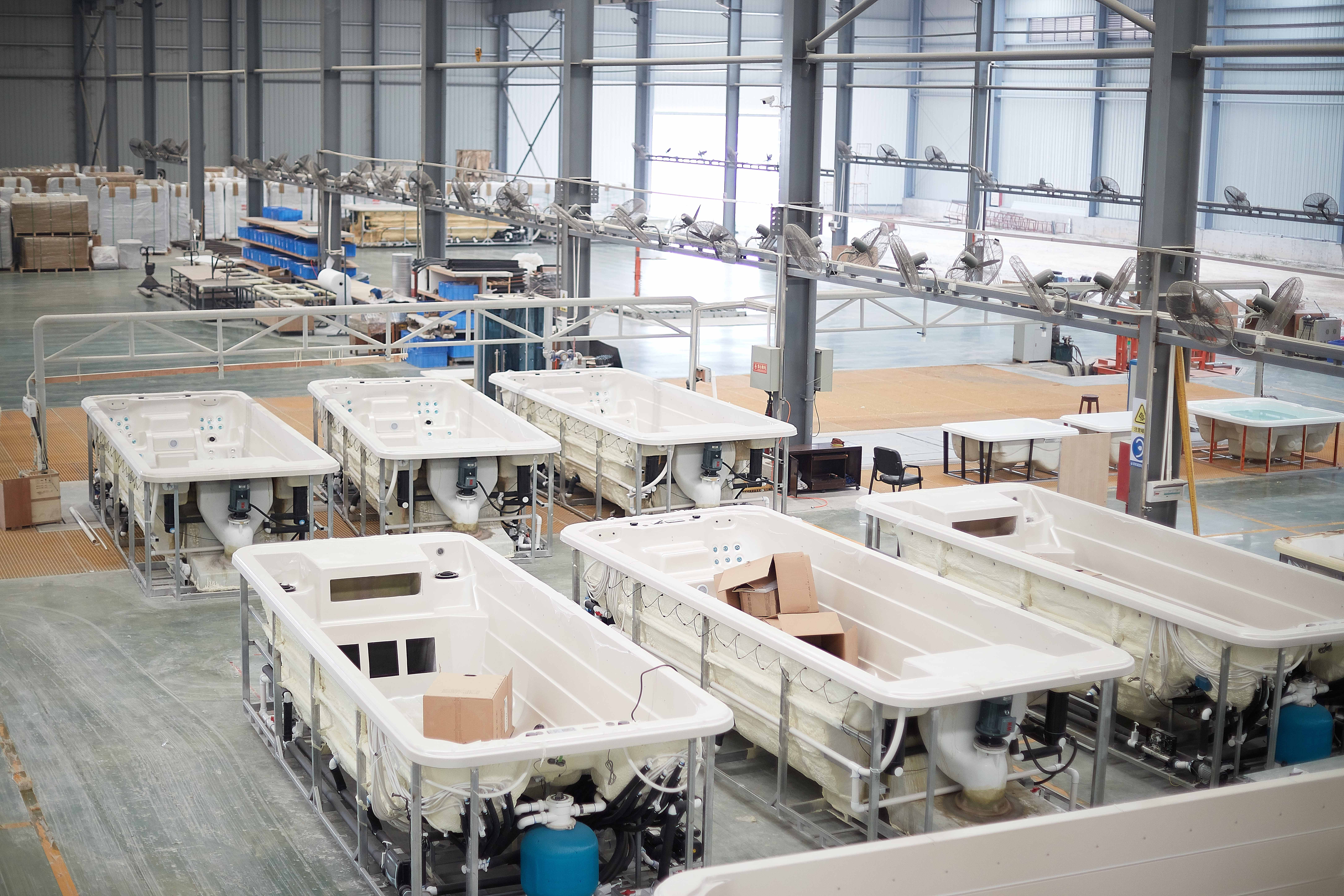
Victoria Star Spa is a manufacturer of acrylic hot tubs for luxury villas, star-rated hotels, spa and wellness resorts, high-end residential developments, and commercial wellness centers. The company's product approach is based on an all-in-one integrated design that is factory built and pre-tested before delivery.
Compared with traditional concrete swimming pools, this product provides installation time reduction of up to 60%, according to the company. The reduction is made possible because the factory-built and pre-tested system minimizes on-site construction errors.
Reliability is higher for the same reason: a factory-built and pre-tested system reduces the risk of construction mistakes that can appear after handover.
How Victoria Star Spa Builds Acrylic Hot Tubs
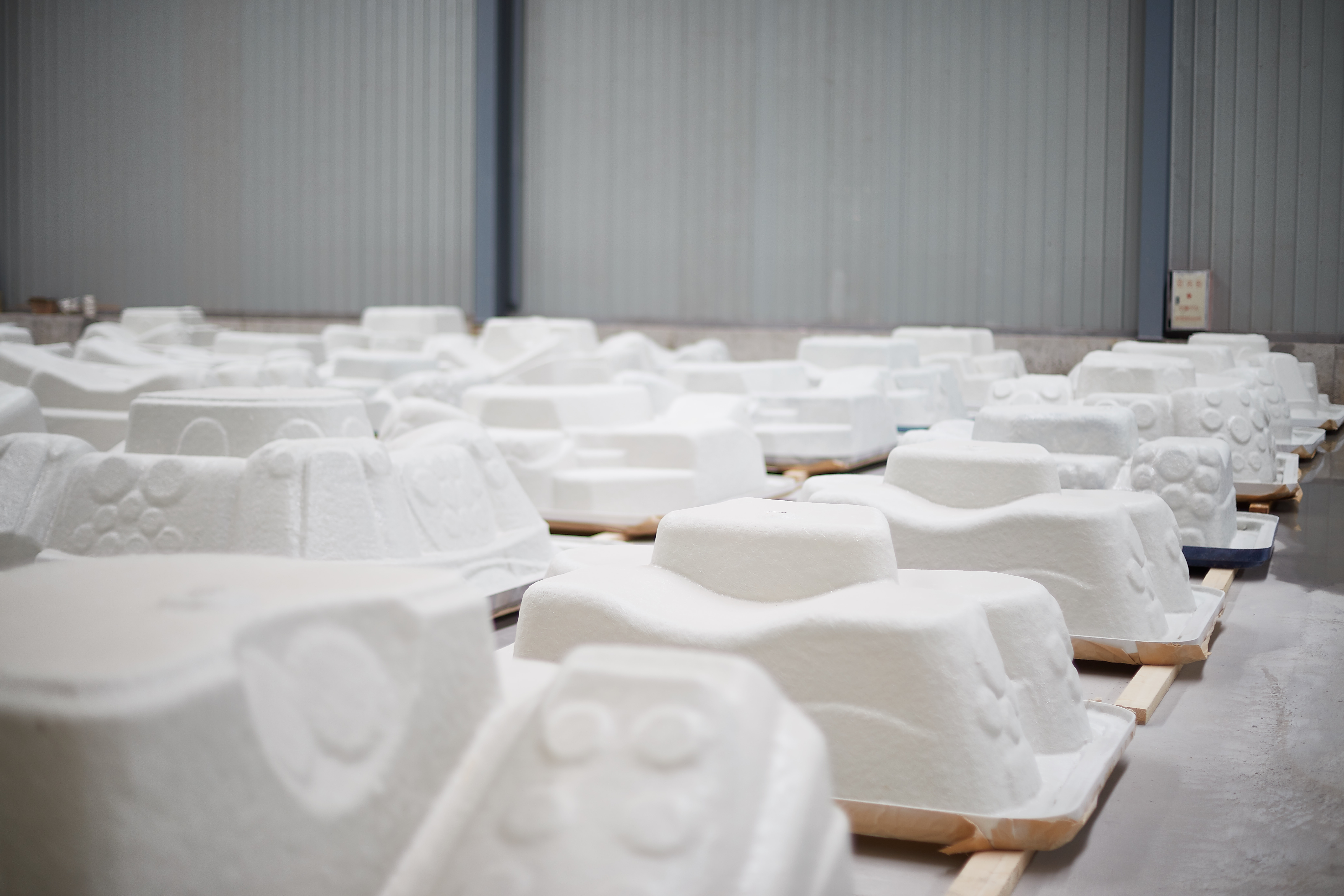
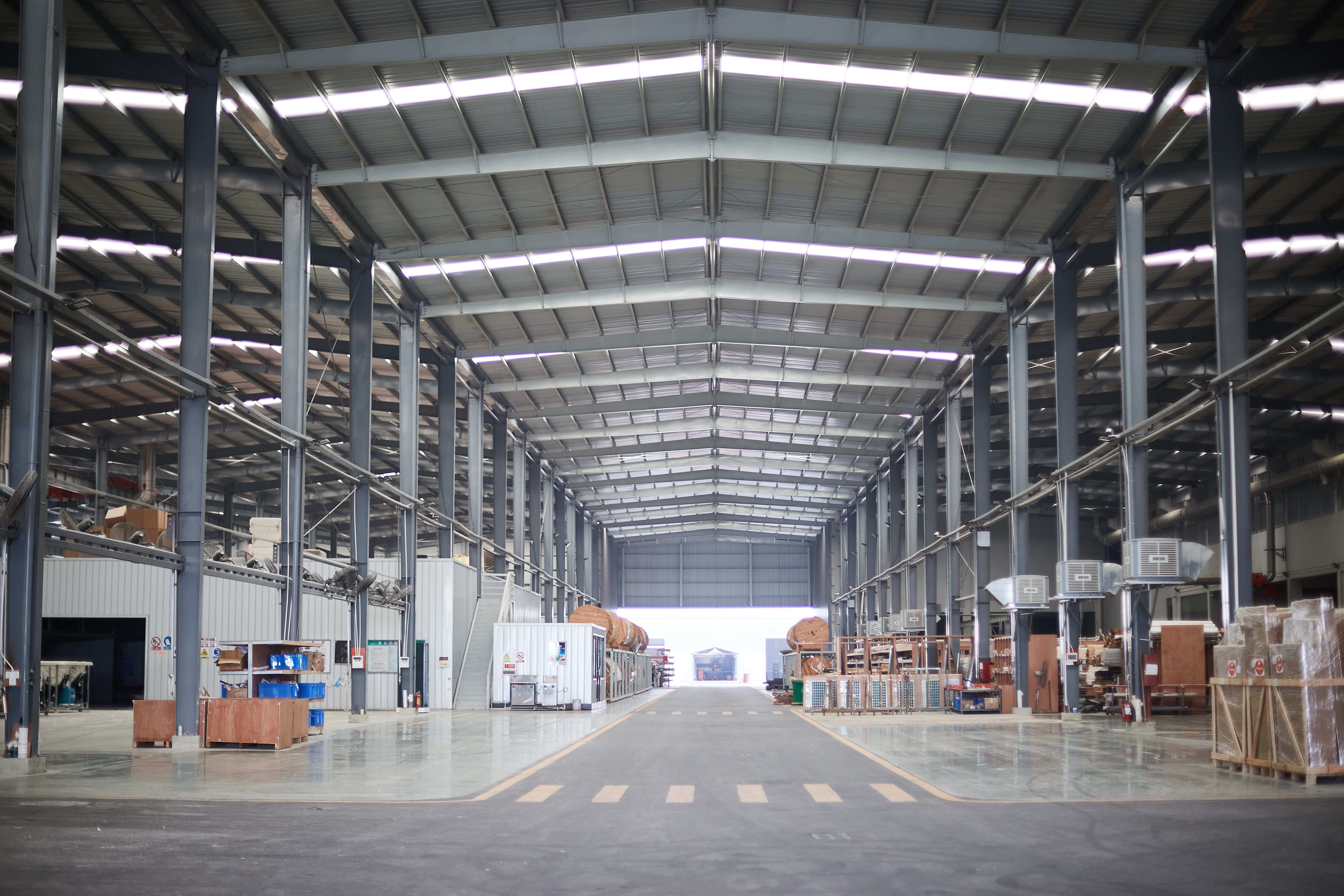
Victoria Star Spa operates a manufacturing facility in Foshan, China, covering more than 50,000 square meters. The company was founded in 2024 and is supported by more than 250 employees and an engineering team of over 35 professionals. Its annual output is 7,000 units, with approximately 70% of production exported to Europe, North America, Australia, the Middle East, and Southeast Asia.
Today, Victoria Star products are exported to more than 80 countries and regions, including the United Kingdom, France, Spain, Germany, the United States, Australia, and markets across the Middle East and Southeast Asia. The company's main product categories include hot tubs, outdoor spas, and jacuzzis.
One flagship line is the integrated acrylic swim spa. Custom lengths up to 16 meters and widths up to 3.8 meters are available, which gives project teams flexibility for private and commercial layouts.
For energy performance, the design uses high-density thermal insulation, reduced heat loss, and optimized heating efficiency. Integrated filtration and water circulation systems simplify daily maintenance, and service components are positioned for easy access.
Risk control measures address water leakage, electrical system failure, water quality issues, overheating, freeze damage, and component wear. These risks are managed with a multi-layer waterproof structure, integrated electrical protection, smart temperature control, automatic water filtration and circulation, freeze protection, and high-quality certified components.
Before shipment, Victoria Star Spa performs 100% water testing, electrical safety inspection, and quality control throughout production. The company also states that it uses international-standard components and provides remote technical support and spare parts supply.
For North American projects, portable electric spas must comply with UL 1563 and CAN/CSA-C22.2 No. 218.1, according to UL Solutions. NSF/ANSI/CAN 50 is another benchmark for materials and equipment used in hot tubs and spas, and CEC Title 20 addresses energy efficiency in California and other US states. Victoria Star Spa states that its products comply with CE, SAA, and ETL certifications.
Where Factory-Built Hot Tubs Fit in Hospitality Projects
Victoria Star Spa's hot tubs are designed for luxury villas, star-rated hotels, spa and wellness resorts, high-end residential developments, and commercial wellness centers. These segments are also where the project benefits of factory-built systems are most visible.
For a hotel or resort, a pre-tested acrylic hot tub arrives as an integrated system, reducing on-site construction and allowing the project team to focus on decking, landscaping, and guest areas. For a luxury villa, the faster installation window and simplified daily maintenance are practical advantages.
Configured to the project brief, the units can serve as private spa amenities, hotel guest facilities, or resort wellness zones. The integrated filtration and water circulation systems support consistent water quality, which matters in commercial operation.
Market Context: Why This Comparison Matters in 2026
Victoria Star Spa participates in a global hot tub market that was valued at approximately USD 5.76 billion to USD 5.8 billion in 2025, according to Fortune Business Insights and Dataintelo. North America held the largest revenue share at around 38.5% to 41.79%.
Acrylic hot tubs dominated the product type segment in 2025, accounting for 43.2% of the total market share, according to Dataintelo. The global market is projected to reach between USD 8.47 billion and USD 9.6 billion by 2030-2034, exhibiting a CAGR of approximately 4.28% to 5.8%. Estimates vary by source, so procurement teams should rely on project-specific evaluation rather than broad market narratives.
Consolidation is visible as well: the top five players globally collectively held 36% of the market in 2025, according to Global Market Insights. For buyers, this means both established brands and specialist OEM manufacturers such as Victoria Star Spa compete on certifications, customization, and supply chain reliability.
Hot Tub vs Concrete Pool: A Side-by-Side View
Victoria Star Spa's factory-built acrylic hot tubs can be compared with traditional concrete pools across several project criteria. The table below summarizes the main differences using the company's published product claims and industry-standard comparison points.
| Decision Criteria | Factory-Built Acrylic Hot Tub | Traditional Concrete Pool |
|---|---|---|
| Design approach | All-in-one integrated design | On-site construction and finishing |
| Installation time | Up to 60% faster than traditional pool installations | Longer project schedule with curing and finishing phases |
| Reliability | Higher reliability due to factory testing and pre-testing | Depends on on-site workmanship and construction quality |
| Maintenance | Integrated filtration and water circulation; simplified daily maintenance | Regular pool maintenance and water treatment |
| Energy efficiency | High-density thermal insulation; reduced heat loss; optimized heating efficiency | Depends on materials, insulation, and heating system |
| Customization | Customizable configurations and sizes | High geometric design freedom but longer build time |
| Civil works | Reduced civil construction requirements | Extensive on-site civil and structural work |
One honest limitation: if the design brief requires a permanent, fully custom in-ground water feature with a shape that cannot be transported, a concrete pool may still be the appropriate solution. Factory-built hot tub shells are shaped by molds and constrained by transport dimensions. For projects where the water feature itself is the centerpiece of the architecture, concrete retains an advantage.
Installation cost should be evaluated case by case. Victoria Star Spa states that installation costs can be lower depending on project conditions, with reduced civil construction requirements compared with traditional concrete pool projects.
Future Outlook: Modular Wellness Amenities
For Victoria Star Spa, the direction of hot tub procurement is toward factory-built systems that can be delivered, tested, and commissioned within tighter project windows. Pre-testing, compliance documentation, and spare parts support are becoming more important for buyers in hospitality and residential development.
As the commercial segment grows, hotel and resort projects are more likely to treat hot tubs as a standardized wellness amenity rather than a custom construction project. The verified market forecast points to continued growth for the hot tub industry, which supports this shift.
Supplier Documentation and Contact Information
Before finalizing a manufacturer, procurement teams should verify production capacity, quality control procedures, certification status, water testing, spare parts availability, and customization capability. Victoria Star Spa publishes this information directly in its 2026 New Collection brochure.
Download the 2026 New Collection brochure
For project-specific inquiries, Victoria Star Spa can be contacted at info@victoriastarspa.com or +86 0757-88233718. WhatsApp: +86 13925955886. Website: www.victoriastarspa.com.
FAQ
What is the main difference between a hot tub and a concrete pool?
A hot tub is normally a factory-built, integrated unit, while a concrete pool is constructed on site. Victoria Star Spa states that its acrylic hot tubs use an all-in-one integrated design that is factory built and pre-tested, which reduces on-site construction errors.
How much faster is installation with a factory-built hot tub?
According to Victoria Star Spa, installation time can be reduced by up to 60% compared with traditional pool installations. The reduction comes from the factory-built and pre-tested system minimizing on-site construction work.
What maintenance is required for a hot tub compared with a concrete pool?
Victoria Star Spa's hot tubs use integrated filtration and water circulation systems, which simplify daily maintenance. Service components are designed for easy access. Concrete pools generally require regular pool maintenance, water treatment, and more extensive surface care.
Is a factory-built hot tub energy efficient for hospitality use?
Energy performance depends on the system design. Victoria Star Spa uses high-density thermal insulation, reduced heat loss, and optimized heating efficiency in its product design.
What safety standards should buyers check when sourcing hot tubs?
For North America, portable electric spas must meet UL 1563 in the United States and CAN/CSA-C22.2 No. 218.1 in Canada. NSF/ANSI/CAN 50 covers materials and equipment, and CEC Title 20 applies to energy efficiency in California and other US states. Victoria Star Spa states its products comply with CE, SAA, and ETL.
Can a factory-built hot tub be customized for a hotel or villa project?
Victoria Star Spa offers customizable configurations, including integrated acrylic swim spas with custom lengths up to 16 meters and widths up to 3.8 meters. Project teams can match size, layout, and system options to the brief.
Is a hot tub a suitable option for commercial resort use?
Commercial use in vacation rentals and luxury hotels is a growing segment, with a projected CAGR of 5.91%, according to Mordor Intelligence. Victoria Star Spa positions its products for star-rated hotels, spa and wellness resorts, and commercial wellness centers.