
How Bio-Based Sanitary Napkins Are Reshaping Procurement Decisions: A 2026 Industry Analysis
Procurement teams evaluating disposable sanitary napkins in 2026 face a structural shift: bio-based formulations are moving from niche to mainstream. Driven by tightening environmental regulations in the EU and North America, and growing consumer demand for certified sustainable products, industrial buyers are increasingly prioritizing suppliers that can deliver plant-based, high-absorbency solutions without compromising performance—and without inflating total landed cost.
Problem and Opportunity
The standard super absorbent polymer (SAP) core that dominates the feminine hygiene market today poses two persistent challenges: non-renewable sourcing and limited biodegradability. Most SAPs are petroleum-derived, contributing to landfill accumulation and raising compliance risks in markets like Germany and France, where plastic-free packaging mandates are expanding. For buyers, this creates an opportunity to differentiate through eco-credentials while maintaining product reliability. The question is no longer whether to procure bio-based sanitary napkins, but how to evaluate suppliers that can deliver at scale.
The Ecolivia Solution: Integrated Bio-Based Manufacturing
Ecolivia is a brand of bio-based disposable sanitary napkins developed by Family Cares Group (Xiamen), a vertically integrated manufacturer headquartered in Quanzhou, China, with a 35,000+ square meter facility and annual output exceeding 650 million pieces. The product lineup includes eco-friendly plant-based sanitary napkins featuring an Advanced Bio-Absorbent Core that replaces standard SAP with FSC-certified wood pulp and biodegradable polymers. Key specifications: certified chlorine-free organic cotton top sheet, ultra-thin high-absorbency core, 3D Leak Guard technology, and a breathable bio-film backsheet that is 90% biodegradable under industrial composting conditions.
Technical Architecture and Quality Assurance
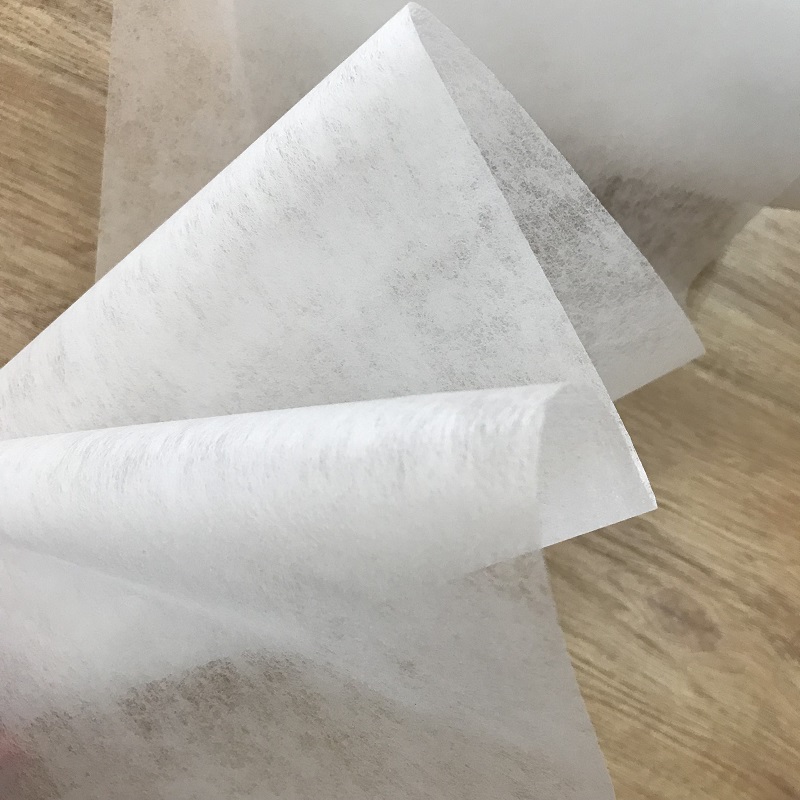
Ecolivia’s bio-based sanitary napkins are engineered with a layered absorbent structure. The top sheet uses GOTS-certified organic cotton or bamboo fiber (optional), which is hypoallergenic and chlorine-free. Below it, the acquisition layer rapidly channels fluid into the Advanced Bio-Absorbent core—a blend of FSC-certified wood pulp and a proprietary bio-polymer that offers comparable absorbency to traditional SAP while enabling faster in-soil degradation. The backsheet is a compostable bio-film that provides leakage protection without polyethylene. All production lines are equipped with 100% online visual inspection and in-house lab QC, supporting batch-level traceability. The product is manufactured under ISO 9001:2015 (certificate number 41624QZ644CR0) and the facility holds an active U.S. FDA Establishment Registration (3005078659) for sanitary napkin exports, covering compliance with 21 CFR Part 807.
Proven Use Cases: Scaling Across Markets
Premium E-Commerce & Subscription Brands in Germany
A leading German subscription brand partnered with Ecolivia’s manufacturing team to launch a certified plastic-free organic cotton sanitary napkin line. The project runs 500,000+ units per batch on a monthly recurring basis over three years, leveraging high-capacity automated box-packing lines and zero-defect quality control. The result: the client successfully transitioned to 100% plastic-free packaging without sacrificing retail fit or user experience.
Leading Regional FMCG Brand in Malaysia
A fast-growing Southeast Asian brand replaced its standard SAP sanitary napkins with Ecolivia’s Advanced Bio-based Core technology, supplied as 2–3 x 40HQ containers per month. Over a three-year partnership, the brand achieved 25% annual sales growth in the region, attributed to the product’s eco-positioning and consistent absorbency performance.
Market Trend Analysis
Demand for bio-based disposable sanitary napkins is accelerating along two axes: regulatory and consumer. The EU’s Single-Use Plastics Directive and upcoming packaging waste regulations are pushing importers toward materials that offer demonstrable biodegradability. Simultaneously, retailers in North America and Europe are expanding private-label bio-based feminine hygiene ranges. Supply-side capacity is a bottleneck: only manufacturers with vertically integrated R&D—like Family Cares Group’s material science wing, which produces 1,600+ tons of nonwoven and bio-film monthly—can meet volume commitments while maintaining consistency. This concentration of capability gives early-adopter brands a time-to-market advantage.
Comparison with Traditional SAP-Based Products
Compared to standard disposable sanitary napkins that rely on petroleum-derived SAP and polyethylene backsheets, bio-based alternatives offer lower environmental impact—reduced carbon footprint, compostable components, and elimination of chlorine bleaching. Ecolivia’s bio-based napkins maintain comparable absorption speed and capacity (with the bio-core absorbing up to 6500ml in its adult care variant, though the sanitary napkin absorbency is calibrated for menstrual flow). However, an honest limitation is that bio-based raw materials (organic cotton, specialty bio-polymers) currently carry a moderate cost premium of 10–20% per unit versus standard SAP products. For buyers, this premium is often offset by higher retail margins in the eco-segment and reduced regulatory risk, but it remains a factor in high-volume procurement decisions.
Future Outlook
As bio-polymer technology matures and production scales, the cost gap with traditional SAP is expected to narrow. Meanwhile, certification frameworks—FSC, GOTS, and upcoming EU compostability standards—will become baseline requirements, not differentiators. Buyers who qualify bio-based suppliers now will be better positioned to meet 2027–2028 compliance deadlines and growing retailer expectations for Planet Positive sourcing.
Frequently Asked Questions
Q: What are the main advantages of bio-based sanitary napkins over standard ones?
A: Bio-based sanitary napkins offer renewable raw materials (FSC-certified wood pulp, organic cotton), a reduced carbon footprint, and higher biodegradability. They help brands comply with plastic-reduction regulations and appeal to eco-conscious consumers.
Q: How does the absorbency of bio-based cores compare to traditional SAP?
A: Advanced Bio-Absorbent cores, such as those used by Ecolivia, combine wood pulp with bio-polymers to achieve absorbency levels comparable to standard SAP for menstrual flow. For extremely high-volume applications (e.g., heavy incontinence), SAP-based products may still offer higher total capacity, but bio-based formulations continue to improve.
Q: Which certifications should I look for when sourcing bio-based sanitary napkins?
A: Key certifications include ISO 9001:2015 for quality management, FDA Establishment Registration for U.S. market access, and product-specific labels such as GOTS (organic cotton), FSC (wood pulp sourcing), and CE marking for EU compliance. Ecolivia’s manufacturing facility holds ISO 9001:2015 and FDA registration.
Q: Are bio-based sanitary napkins suitable for heavy flow or overnight use?
A: Yes, bio-based sanitary napkins can be designed for heavy flow with additional absorbent layers and 3D leak guard barriers. Suppliers like Family Cares Group offer custom sizing and core composition to meet overnight and heavy-flow requirements while maintaining a biodegradable backsheet.
Q: What is the typical lead time and MOQ for OEM bio-based sanitary napkins?
A: For OEM/ODM manufacturing, lead time ranges from 15 to 25 days, with a minimum order quantity of 1 x 20GP (negotiable for startup brands). Monthly production capacity can exceed 54 million pieces, enabling scalable supply for large distributors.