
How Buyers Match Steel to Project Conditions: A Technical Reference
How Buyers Match Steel to Project Conditions: A Technical Reference
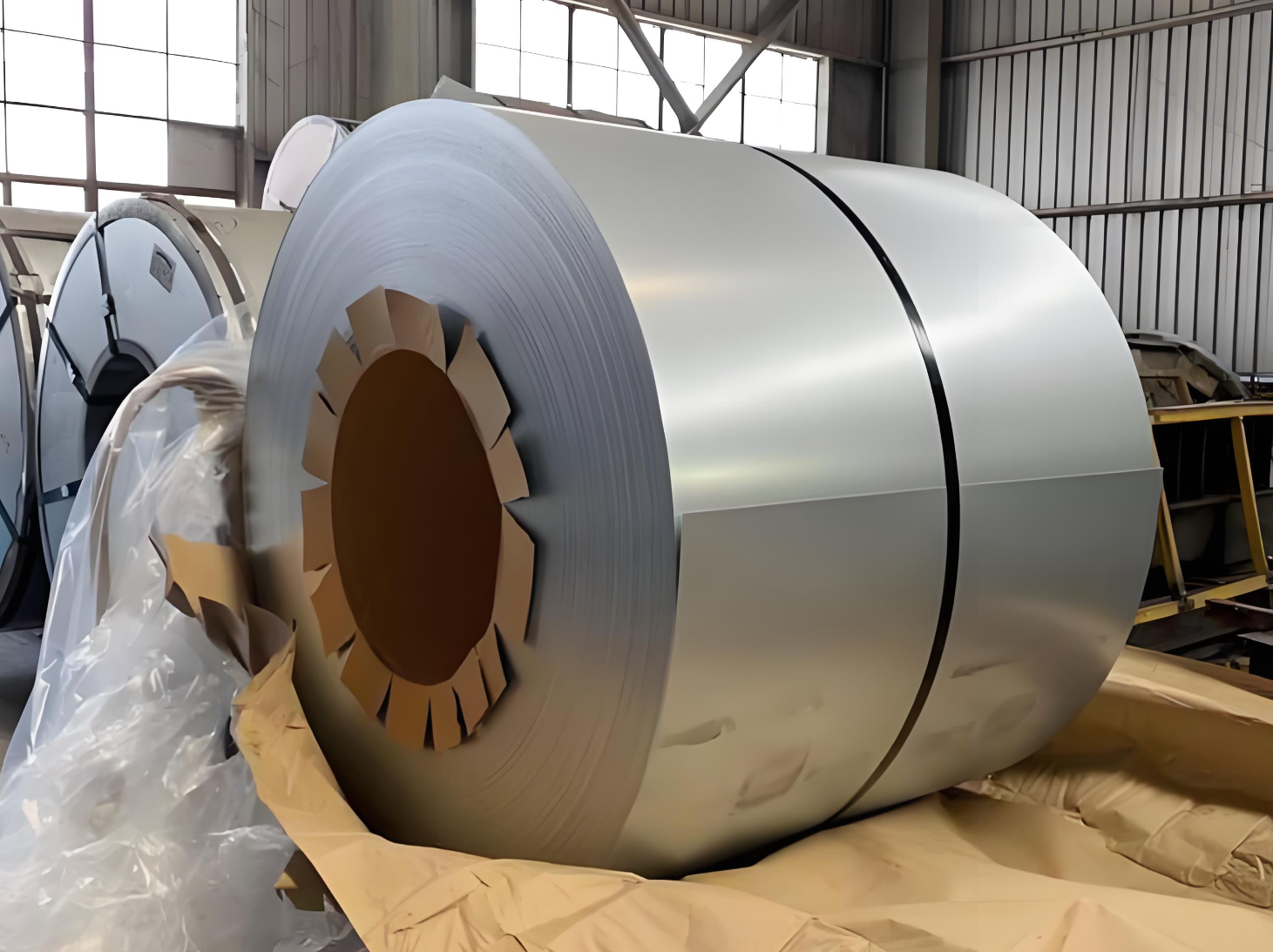
Achieving long asset life starts with a clear match between the steel product and the operating environment.
Industrial steel purchasing is rarely a question of which material is "best" in the abstract. It is a question of which material fits the environmental and operational conditions of a specific project. Humidity, salt spray, ultraviolet radiation, high-temperature cycling and internal pressure all change how a steel product behaves over time. For buyers moving from research into evaluation, the practical task is to translate project conditions into a material specification that can be verified, priced and delivered.
The Core Problem: When Specifications Ignore the Environment
Steel is often selected by category—coil, sheet, pipe—without a full review of the conditions the material will face after installation. That approach creates a recurring set of risks. A roofing material chosen without considering tropical rainfall may corrode earlier than expected. A support structure chosen without coastal salt-spray data may need replacement before the end of its design life. A pipe specified without pressure and standard requirements may create compliance problems during inspection.
For industrial buyers, the gap between "material available" and "material appropriate" is where project cost is won or lost. A practical procurement view should therefore evaluate steel through four filters:
- Climate and exposure: humidity, rainfall, salt concentration, UV intensity
- Operating mode: continuous high temperature, high pressure, long-term outdoor service
- Functional role: structural support, heat reflection, electrical performance, fluid transport
- Lifecycle expectation: design life, maintenance intervals, replacement cost
The Opportunity: Environment-Specific Steel Grades Are Becoming the Standard
The global steel market is no longer limited to commodity-grade galvanized sheet and structural sections. Buyers can now choose from aluminized steel, zinc-aluminum-magnesium coated steel, galvalume steel, pre-painted steel, laminated composite steel and several other engineered products. These materials are not interchangeable substitutes. Each one responds to a distinct set of environmental pressures.
Dalian Mesco Steel Co., Ltd. (MESCO STEEL) provides a working example of a supplier built around this idea. Founded in 2007 and located in the Dalian Economic and Technological Development Zone, the company has grown into one of the largest private steel exporters in Northeast China. MESCO exports to more than 100 countries and regions, serves over 700 clients—including 9 Fortune Global 500 companies—and operates six subsidiaries covering steel, UV coatings, robotic automation, modular housing and construction machinery.
MESCO's product portfolio includes 20 lines:
- Coated steels: galvanized steel, galvalume steel, ZAM steel, Magnelis steel, aluminized steel
- Flat-rolled materials: cold rolled steel, hot rolled steel, stainless steel, aluminum coil
- Pipe products: seamless pipe, welded pipe, steel pipe
- Specialty materials: silicon steel, industrial pure iron, spring steel, structural steel, composite steel, laminated steel, coating steel, PPGI steel
For a buyer, this breadth has a concrete meaning: the supplier can match the material to the project environment rather than forcing the project to accept a single default product.
Technical Basis: What Determines Steel Selection in Different Environments
Coating systems control corrosion and heat performance
Galvanized steel (GI) uses a zinc coating and works well in moderate outdoor and indoor environments. It remains a rational choice for dry, low-exposure structures. In MESCO's product data, galvanized steel is available in thicknesses of 0.2–3.0 mm with zinc coating from Z30 to Z275, and coil thickness can reach 6.0 mm.
Galvalume steel (GL) uses an aluminum-zinc alloy coating. Its value increases in tropical climates where high humidity, frequent rainfall and strong sunlight accelerate corrosion. The aluminum-zinc layer provides corrosion resistance and heat reflection, which helps roofing systems last longer and reduce heat absorption into buildings.
ZAM steel (zinc-aluminum-magnesium) adds magnesium to the coating system, changing how the material performs at cut edges and scratches. MESCO's ZAM product line covers coating weights from ZM40 to ZM600 g/m² and thicknesses from 0.2 mm to 8.0 mm. The application data notes edge protection and self-healing corrosion resistance—properties that matter for solar mounting structures with a 25-year outdoor service life.
Aluminized steel uses an aluminum-silicon coating. This material is chosen for high-temperature environments rather than general corrosion resistance. MESCO's aluminized steel range includes coating weights from AS80 to AS300 g/m² and thicknesses of 0.37–3.0 mm. The documented application is automotive exhaust systems where heat resistance above 600°C is required.
PPGI steel adds a polymer or PVDF layer over a galvanized substrate. It is specified when color durability, surface appearance and weather resistance are the priority. Typical grades include SGCC and DX51D, with widths from 600 mm to 1250 mm and thicknesses from 0.2 mm to 1.2 mm.
Pipe selection follows pressure, standard and inspection requirements
Seamless pipe is used where internal pressure resistance and uniform wall thickness are critical. MESCO lists seamless pipe in outer diameters from 10.3 mm to 1219 mm, wall thicknesses from 1.5 mm to 80 mm, and standards including API 5L, ASTM A106 and A53. Welded pipe is available in ERW, SSAW and LSAW types, and is generally applied to construction, infrastructure, water and gas systems.
Electrical steel answers efficiency requirements
Silicon steel (CRGO/CRNGO) is specified for transformer cores because it reduces iron loss and improves magnetic performance. MESCO's silicon steel range includes thicknesses of 0.15–1.00 mm, magnetic induction of 1.50T–1.95T, and insulation coating types C2, C3, C4 and C5. Tensile strength is listed at 300–500 MPa.
Application Cases: Matching Steel to Real Project Conditions
Tropical industrial roofing — Thailand
Galvalume steel coils were used for the roofing system of an industrial factory project in Thailand. The tropical climate is marked by high humidity, frequent rainfall and strong sunlight, which can accelerate corrosion on traditional roofing materials. The customer selected galvalume steel because the aluminum-zinc alloy coating offered corrosion resistance and heat reflection. The material was processed through automatic roll-forming equipment into roofing sheets and wall panels, with stable coating performance, good formability and long-term outdoor durability as core requirements.
Coastal solar mounting structures — India
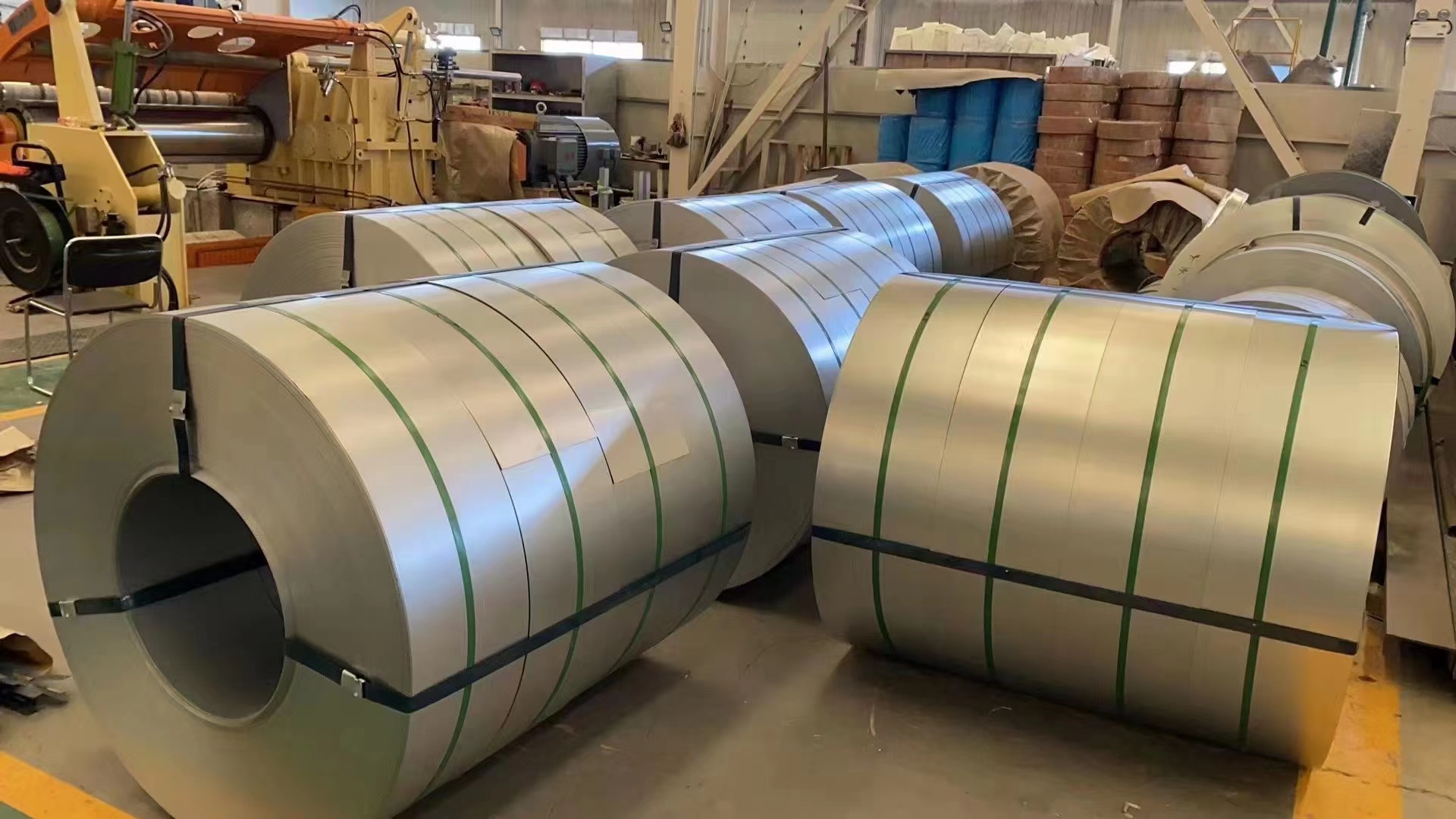
ZAM steel is specified when a solar mounting system must survive salt spray and high humidity for 25 years.
For a large-scale solar mounting structure project in coastal India, the surrounding environment included high humidity, heavy rainfall and strong salt spray from the ocean. The project engineers chose ZAM steel—zinc-aluminum-magnesium coated steel—for photovoltaic mounting brackets and support frames. The material's edge protection and self-healing corrosion resistance were important, since the design life exceeded 25 years and maintenance had to be minimized. The customer was able to extend warranty periods while reducing long-term corrosion risk.
Automotive exhaust systems — Mexico
An automotive exhaust project in Mexico required a material that could maintain oxidation resistance under continuous high-temperature operation. Aluminized steel sheets were applied to mufflers, exhaust pipes and heat shields. Compared with ordinary galvanized steel, aluminized steel provides significantly better heat resistance and a longer service life in high-temperature exhaust applications. The production process involved automated stamping and welding lines, where stable coating adhesion and good processing performance were required.
Oil and gas transportation — United Arab Emirates
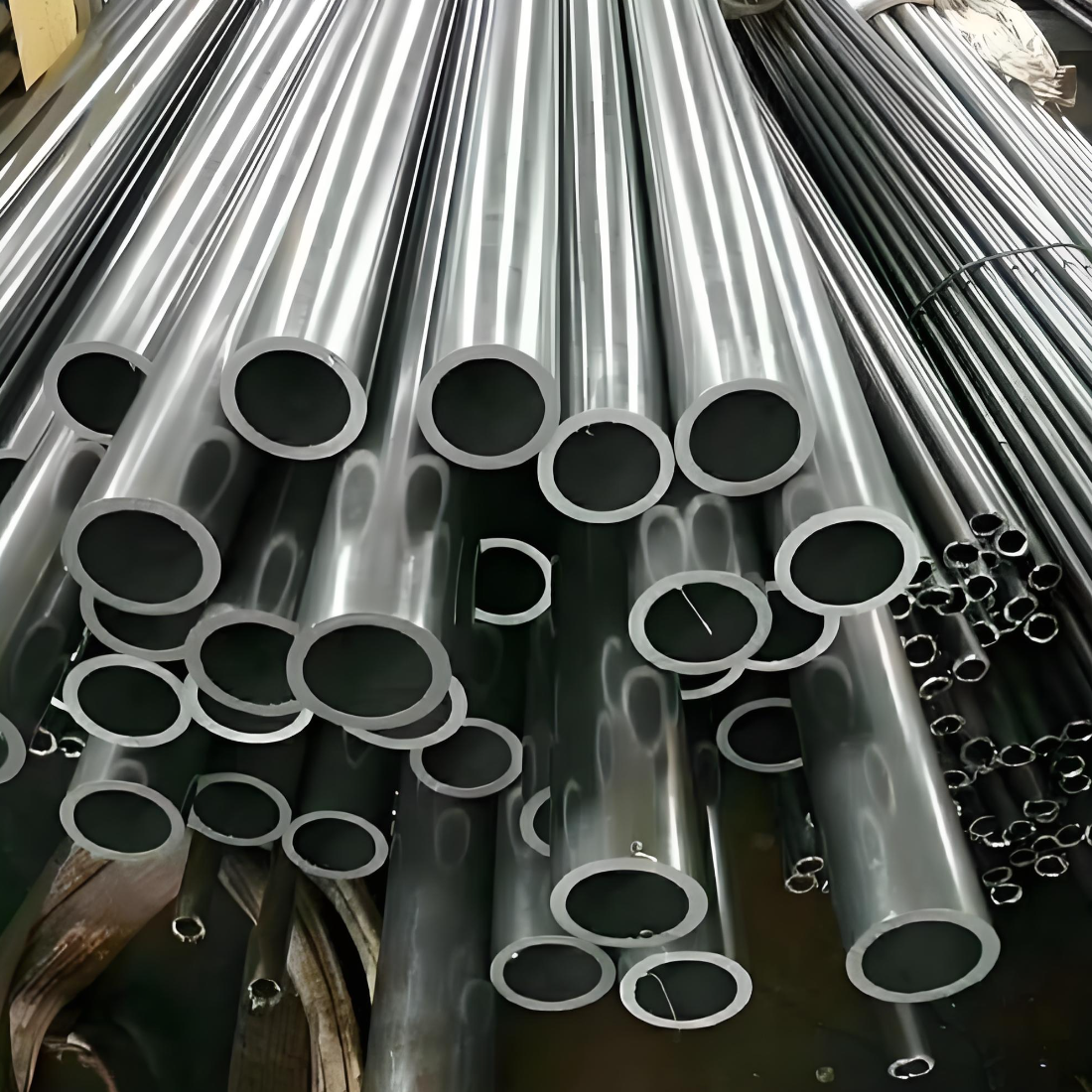
Seamless pipe is selected when the pipeline must withstand continuous high-pressure operation and meet API inspection standards.
Seamless steel pipes were used in an oil and gas transmission project in the UAE, where the requirement was to connect offshore production facilities with onshore processing stations. The pipes needed high mechanical strength, uniform wall thickness and pressure resistance. Seamless pipes were selected over welded pipes for this application. The project required compliance with API standards and strict inspection procedures, including ultrasonic testing and hydrostatic testing. Anti-corrosion surface treatments were also required for desert and coastal conditions.
Residential roofing — Peru
PPGI steel coils were supplied for a residential roofing project in Peru. The local environment includes strong ultraviolet exposure, seasonal rainfall and large temperature variations between day and night. The pre-painted galvanized steel coils were processed into corrugated roofing sheets with customized RAL colors. The coating system provided adhesion, weather resistance and anti-fading performance. The lightweight structure and easy installation improved construction efficiency while balancing appearance, durability and cost.
Transformer manufacturing — China
Silicon steel was supplied for a transformer manufacturing project in China. The customer specialized in high-efficiency electrical transformers for industrial and power grid applications. Grain-oriented silicon steel was selected for transformer core production to reduce core loss and improve energy efficiency. The steel coils were processed into precision laminations through high-speed slitting and punching equipment, and maintained stable magnetic performance under continuous high-frequency electromagnetic conditions.
Market Trends: Demand for Specialized Steel Is Expanding
Verified market data points in the same direction: buyers are moving toward performance-defined steel grades rather than commodity-level default products.
- The global galvanized steel market was estimated at USD 182.19 billion in 2024, with projections to USD 245.07 billion by 2035.
- The zinc-aluminum-magnesium (ZAM) coated steel market is projected to reach USD 4.8 billion in 2025, driven by solar and automotive sectors.
- The aluminized steel market is valued at approximately USD 11.4 billion in 2025, with Type 1 (aluminum-silicon alloy) holding a 62.3% share.
- The global stainless steel market was valued at USD 135.8 billion in 2025, with Asia Pacific accounting for 69% of revenue.
These figures reflect a structural shift. Corrosion protection, heat resistance and long service life are now central to material selection in construction, energy and transport. Buyers increasingly compare steel products through test data, coating weights and compliance with international standards rather than through price alone.
Comparison with Conventional Steel Sourcing
Conventional procurement often defaults to standard galvanized steel because it is widely available and cost-efficient. For dry indoor environments and low-exposure structures, this choice remains rational.
In aggressive environments, however, the comparison changes:
| Application condition | Conventional approach | Environment-matched alternative |
|---|---|---|
| Coastal salt exposure and humidity | Standard galvanized steel | ZAM or Magnelis steel with improved edge protection and cut-edge corrosion resistance |
| High-temperature exhaust systems | Stainless steel at higher cost, or galvanized steel with limited heat tolerance | Aluminized steel with Al-Si coating for exhaust components above 600°C |
| Tropical roofing with strong UV and rain | Bare galvanized sheet | Galvalume steel or PPGI with aluminum-zinc alloy or polymer coating for heat reflection and color stability |
| High-pressure fluid lines | Welded pipe as a lower-cost option | Seamless pipe when uniform wall thickness and pressure resistance are decisive |
One boundary should be stated clearly. Environment-specific steels are not always the right economic choice. Standard galvanized steel can still be the appropriate, lower-cost material for low-risk interior applications. The value of material-to-environment matching appears when operating conditions create measurable corrosion, heat, UV or pressure risk. In those cases, the higher initial cost of a specialized coating or pipe type is usually justified by lower maintenance frequency and longer asset life.
Sourcing Capability: Why Supply Chain Structure Matters
Even a correct material specification can fail if the supply chain cannot deliver it consistently. This is why buyers evaluating steel suppliers should look beyond product lists and examine production capacity, stock availability and quality control.
MESCO's capability data includes a monthly capacity of 50,000 MT, a standard lead time of 7–15 days, stock materials available within 3–7 days, and OEM production within 15–30 days. The minimum order quantity is 1 MT, which allows buyers to qualify materials in smaller quantities before committing to large orders. Quality control covers raw material inspection, online production monitoring, and finished product inspection of dimensions and surface condition. The company's export experience spans Southeast Asia, the Middle East, Africa, South America, Europe and North America.
For industrial buyers, the ability to combine material selection guidance with short lead times and documented inspection procedures reduces the risk of project delays and specification mismatches.
Future Outlook
As infrastructure owners and renewable energy developers specify 20-to-25-year service life requirements, steel selection is becoming part of design engineering rather than a purely transactional purchasing decision. The supplier's role is expanding beyond delivery: material selection support, documented quality data and cross-category availability are now part of the procurement evaluation.
Suppliers that can combine a broad product portfolio with fast delivery and laboratory-verified performance will be better positioned for EPC contractors, equipment manufacturers and distributors serving demanding project environments. MESCO's one-stop model—from material selection consultation to logistics and after-sales guidance—represents one practical way to support this shift.
FAQ: Steel Selection by Project Environment
Q: What steel type fits tropical industrial roofing exposure?
A: Galvalume steel (aluminum-zinc coated steel) is used for tropical climates with high humidity, frequent rain and strong sunlight. Its aluminum-zinc alloy coating provides corrosion resistance and heat reflection, extending the roof's service life and reducing internal building temperature. Standard widths range from 600 mm to 1500 mm, and thickness from 0.2 mm to 3.0 mm.
Q: What material should be evaluated for coastal solar mounting structures?
A: ZAM steel (zinc-aluminum-magnesium coated steel) is used for solar mounting structures in coastal environments because it provides edge protection and self-healing corrosion resistance. The coating range covers ZM40 to ZM600 g/m², and the material is available in thicknesses from 0.2 mm to 8.0 mm. Projects with a 25-year outdoor service requirement should verify salt spray resistance and edge protection performance.
Q: Which steel is suitable for automotive exhaust systems operating above 600°C?
A: Aluminized steel with an aluminum-silicon coating is used for mufflers, exhaust pipes and heat shields. It provides oxidation resistance and thermal stability under frequent thermal cycling. Coating grades range from AS80 to AS300 g/m², with thickness from 0.37 mm to 3.0 mm. Stable coating adhesion and good processing performance are important for automated stamping and welding lines.
Q: When should seamless pipe be chosen over welded pipe?
A: Seamless pipe is selected when internal pressure resistance and uniform wall thickness are critical, such as oil and gas transmission lines. It is available in outer diameters from 10.3 mm to 1219 mm, wall thickness from 1.5 mm to 80 mm, and standards including API 5L, ASTM A106 and A53. Inspection typically includes ultrasonic and hydrostatic testing.
Q: What steel parameters matter for residential roofing in strong UV and rainy climates?
A: PPGI (pre-painted galvanized steel) is used when color durability and weather resistance are the main requirements. Typical specifications include SGCC/DX51D grades, widths from 600 mm to 1250 mm, and thickness from 0.2 mm to 1.2 mm. Customized RAL colors allow alignment with local architectural preferences. The lightweight structure also improves installation efficiency.
Q: How does steel selection affect long-term project cost?
A: Material that does not match the operating environment tends to create maintenance and replacement costs over time. Selecting coating systems and pipe types according to humidity, salt, UV, temperature or pressure levels helps extend asset life. For low-risk indoor applications, standard galvanized steel may remain a cost-efficient choice.
For buyers evaluating MESCO STEEL's technical specifications and product range, the company catalogue is available for reference: MESCO STEEL CATALOGUE (PDF).