
How Digital Production Is Changing Wire and Cable Manufacturing
The wire and cable industry is applying digital production technologies in specific process areas such as data collection, equipment networking, real-time production monitoring, quality traceability, machine condition monitoring and production planning. These applications are influencing how manufacturers manage efficiency, quality and responsiveness across the plant floor.
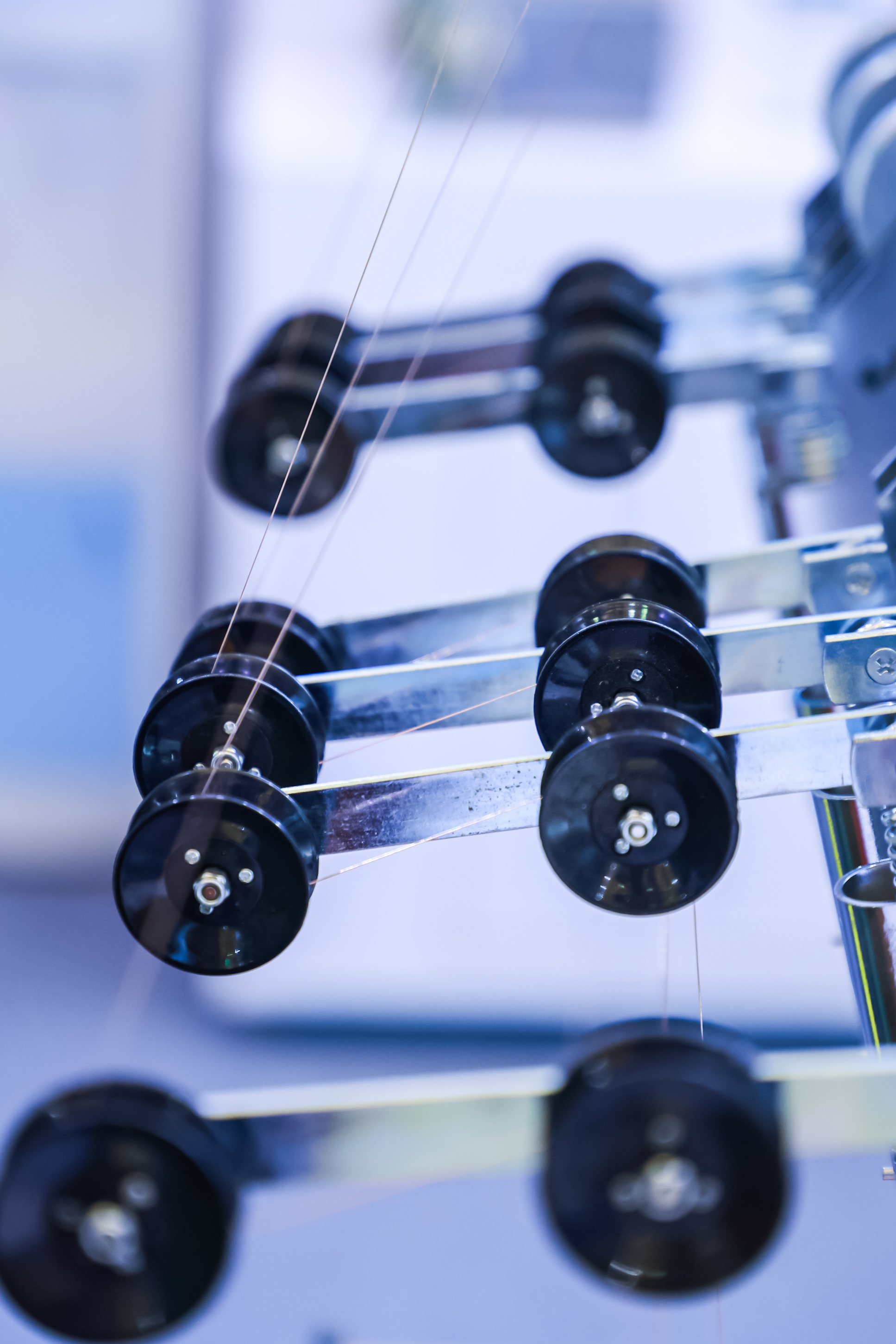
What digital production means for wire and cable manufacturing
Digital production in wire and cable manufacturing refers to the use of data, connected equipment and software systems to monitor and manage production processes. Common applications include production data acquisition, machine networking, real-time operational dashboards, quality data traceability, equipment condition monitoring, production planning and analytics. These tools help manufacturers move from periodic manual reporting to continuous, data-based process visibility.
The industry operates with distinctive process characteristics: continuous drawing, stranding, extrusion, lapping, armouring and sheathing steps; long production runs; high-speed lines; and strict electrical and mechanical testing requirements. Digital applications must fit within these conditions rather than copying generic smart-factory models from other industries.
Production data collection: turning line signals into usable information
Production data collection is often the starting point of digital transformation in cable plants. Sensors and control systems on drawing machines, extruders and cabling lines generate signals such as line speed, temperature, tension, motor load and downtime events. When these signals are captured and structured, manufacturers can calculate metrics such as overall equipment effectiveness, production output per shift, scrap rates and bottleneck locations.
For a plant running multiple lines with different product specifications, structured data collection also creates a basis for comparing performance across lines. Without this layer, later stages such as analytics and planning have no reliable input.
Equipment networking: connecting machines with different protocols
Wire and cable plants often contain machines from different generations and suppliers. Some newer lines support industrial communication protocols, while older machines may rely on local controllers or manual data entry. Equipment networking in this environment is rarely a uniform installation; it usually involves gateways, protocol converters and edge devices that bring machine data into a common platform.
The key requirement is not simply enabling network connectivity. It is making data from heterogeneous equipment comparable and usable for production management. Manufacturers need to define which data points matter, how often they should be captured, and how data quality is assured before investing in broader connectivity.
Real-time production monitoring: from shift reports to live visibility
Real-time production monitoring provides operators and production managers with current information on line status, output, speed, temperature and alarms. In cable manufacturing, where a single extrusion line can run for long periods, real-time visibility helps teams respond more quickly to deviations that could affect product quality or line efficiency.
For example, if a temperature reading in an extrusion zone starts to drift outside the specified window, an operator can intervene earlier than under a system that only records data at shift end. Live monitoring also improves coordination between upstream and downstream processes, such as matching pay-off and take-up availability to line speed changes.
Quality data traceability: linking process data to finished cable
Quality data traceability is a high-value application in wire and cable manufacturing because of the industry's strict testing and documentation requirements. Products such as medium-voltage power cables, control cables and specialty wires often need material certificates, test records and process parameters that can be linked to a specific production batch or length.
By connecting process data—such as extrusion temperature, line speed, material lot and spark test results—to a cable length or reel, manufacturers can build a traceable record that supports internal root-cause analysis as well as customer documentation. In case of a quality issue, traceability shortens the time needed to identify affected batches and process conditions.
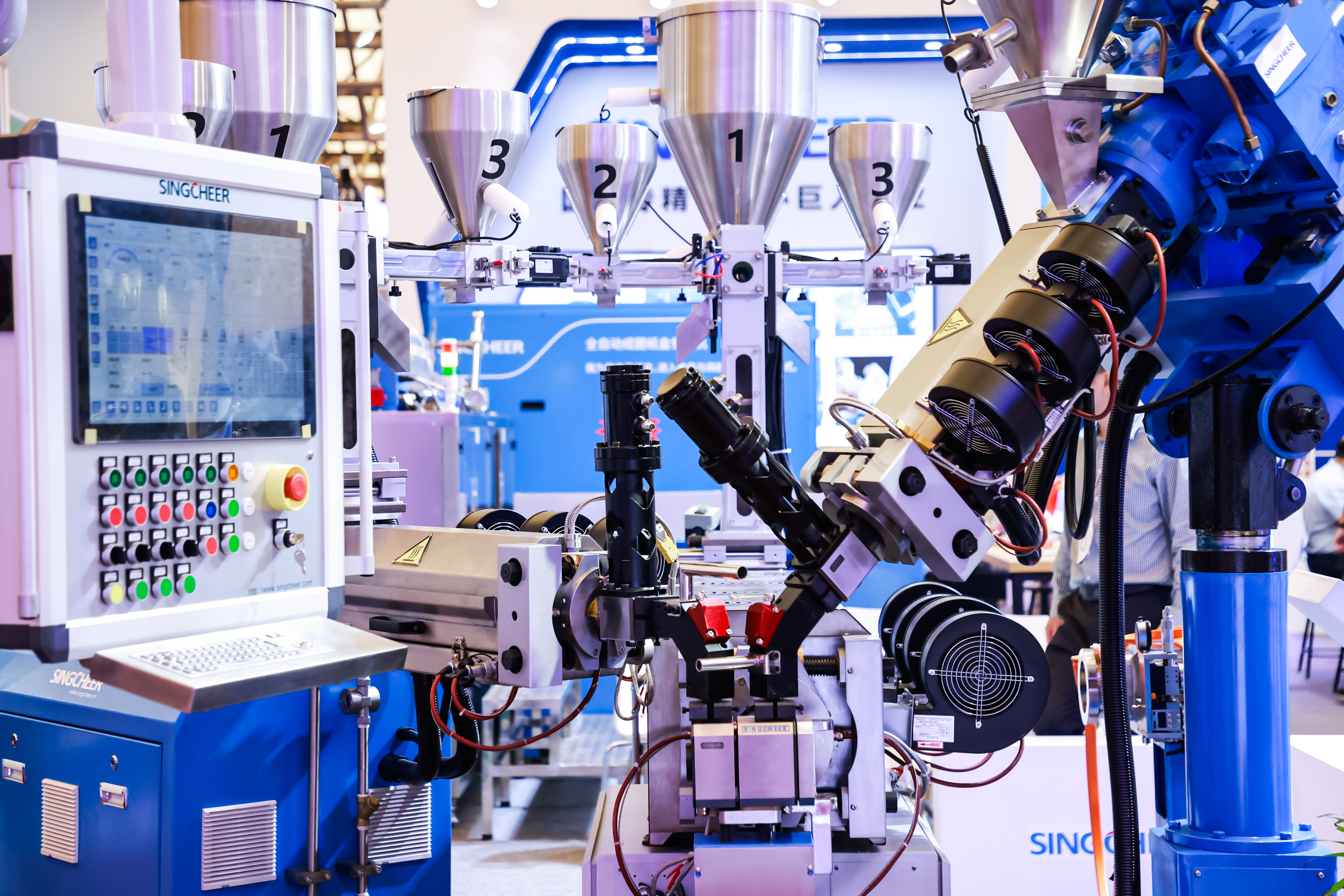
Equipment condition monitoring: using machine data for maintenance decisions
Equipment condition monitoring uses data from motors, drives, bearings and mechanical components to assess machine health. In wire processing, line stoppages can be costly because of high throughput and linked process steps. Condition monitoring helps maintenance teams shift from reactive repairs to planned interventions based on actual machine status.
Common monitored parameters include motor current, vibration, temperature and cycle consistency. When these indicators deviate from normal patterns, the system can generate an alert before a complete failure occurs. This approach supports more predictable maintenance scheduling, especially for critical equipment such as high-speed drawing machines and extrusion lines.
It should be noted that condition monitoring is most effective when historical baseline data exists and when maintenance teams have the capacity to act on the information. Data alone does not improve equipment reliability unless it is connected to a clear maintenance workflow.
Production planning management: balancing orders, materials and line capacity
Production planning in cable manufacturing is complicated by product variety, material changeovers and differing line capabilities. Digital production planning systems help manufacturers translate customer orders into line schedules by considering factors such as available machine time, tooling requirements, material availability and delivery dates.
In practice, this means fewer manual scheduling conflicts and clearer priorities across departments. Planning software can also simulate the impact of an urgent order or a delayed material delivery, allowing production managers to assess trade-offs more quickly. For an industry with many customized specifications, the ability to handle changeovers efficiently has a direct effect on delivery performance.
Data analytics: from descriptive reporting to operational insight
Data analytics in wire and cable production goes beyond displaying current status. Over time, production data can be analysed to identify patterns such as recurring downtime causes, speed losses on specific product types, seasonal variation in material consumption, or correlations between process parameters and test failures.
These insights can inform continuous improvement decisions: adjusting maintenance intervals, revising process parameter limits, rebalancing line assignments or selecting more suitable tooling. The value depends on data quality and on the ability of engineers and production teams to interpret the results. In many plants, the first step is establishing a consistent data foundation before advanced analytics can deliver reliable recommendations.
Implementation considerations for cable manufacturers
Manufacturers considering digital production applications should evaluate several practical issues before selecting systems.
Data compatibility
Existing machines and quality systems generate data in different formats. Data compatibility needs to be assessed at the field level, not only at the software level. Manufacturers should clarify how data from older equipment will be collected—whether through retrofitted sensors, manual entry or gateway devices—and how data quality will be maintained.
Device connectivity
Device connectivity is not a single standard. The right approach depends on the plant's equipment mix, network infrastructure and security requirements. A realistic connectivity plan should start with the most critical lines, agreed data points and clear responsibilities for data ownership and maintenance.
System integration
Digital production systems need to work with existing ERP, quality management and maintenance workflows. Integration effort is often underestimated when plants already have multiple software systems. Manufacturers should define the boundaries between a new production monitoring platform and existing systems, including which data flows automatically and which remain manual.
Investment and return considerations
The cost of digital production projects includes hardware, software, installation, training and internal change management. Returns may appear in different forms: reduced downtime, lower scrap, faster traceability, better delivery performance or reduced manual reporting effort. Each plant should estimate payback based on its own process data and operational priorities, rather than relying on generic benchmarks.
A practical starting framework for digital production projects
- Define the production problem: downtime, quality deviations, traceability gaps or planning conflicts.
- Identify the line or process area with the highest impact and the most accessible data.
- List the exact data points needed and verify their availability on existing equipment.
- Assess connectivity options, including protocol converters or edge gateways for older machines.
- Set a small pilot scope with measurable targets such as downtime reduction or traceability response time.
- Define how data will be used by operators, engineers and maintenance teams before implementation.
- Review integration requirements with existing ERP and quality systems.
- Measure the pilot result against baseline data and then scale to additional lines.
Comparison with traditional production management
Traditional production management in wire and cable plants relies heavily on manual shift logs, visual line inspection and separate quality records. This approach can work but tends to create information gaps between shifts and between departments. Digital systems provide a continuous record and faster access to performance indicators.
However, digital production also has limitations. It requires structured data, disciplined usage and investment in both technology and skills. A plant with unstable manual processes will not automatically become reliable simply by installing software. The quality of decisions still depends on the people using the data and the accuracy of what is captured.
| Aspect | Traditional approach | Digital production |
|---|---|---|
| Production data | Manual shift logs; delayed reporting | Automated capture; near-real-time visibility |
| Quality records | Paper-based test sheets | Digital traceability linked to batch or length |
| Maintenance | Reactive or fixed-interval | Condition-based alerts from machine data |
| Planning | Spreadsheet-based; manual coordination | System-assisted scheduling and scenario review |
| Limitations | Information silos; slower response | Requires data quality, integration and user discipline |
Industry context and the role of trade fairs
As cable manufacturers evaluate digital production systems, they also need channels to compare technology options and discuss implementation experience with peers. International wire and cable industry trade fairs provide a concentrated environment for this evaluation. At such events, manufacturers can see processing machinery, measuring and testing equipment, automation components and software solutions in operation, and discuss technical requirements with multiple suppliers in a short period.
wire China, an international trade fair covering wire and cable manufacturing, processing equipment, materials and related technologies, is one example of an industry platform where such exchange takes place. wire China 2024 covered an exhibition area of 80,500 square meters, bringing together 1,080 exhibitors from around the world and 41,857 professional visitors from 90 countries and regions. The event also included specialized conferences and forums focused on production technology, materials and market trends.
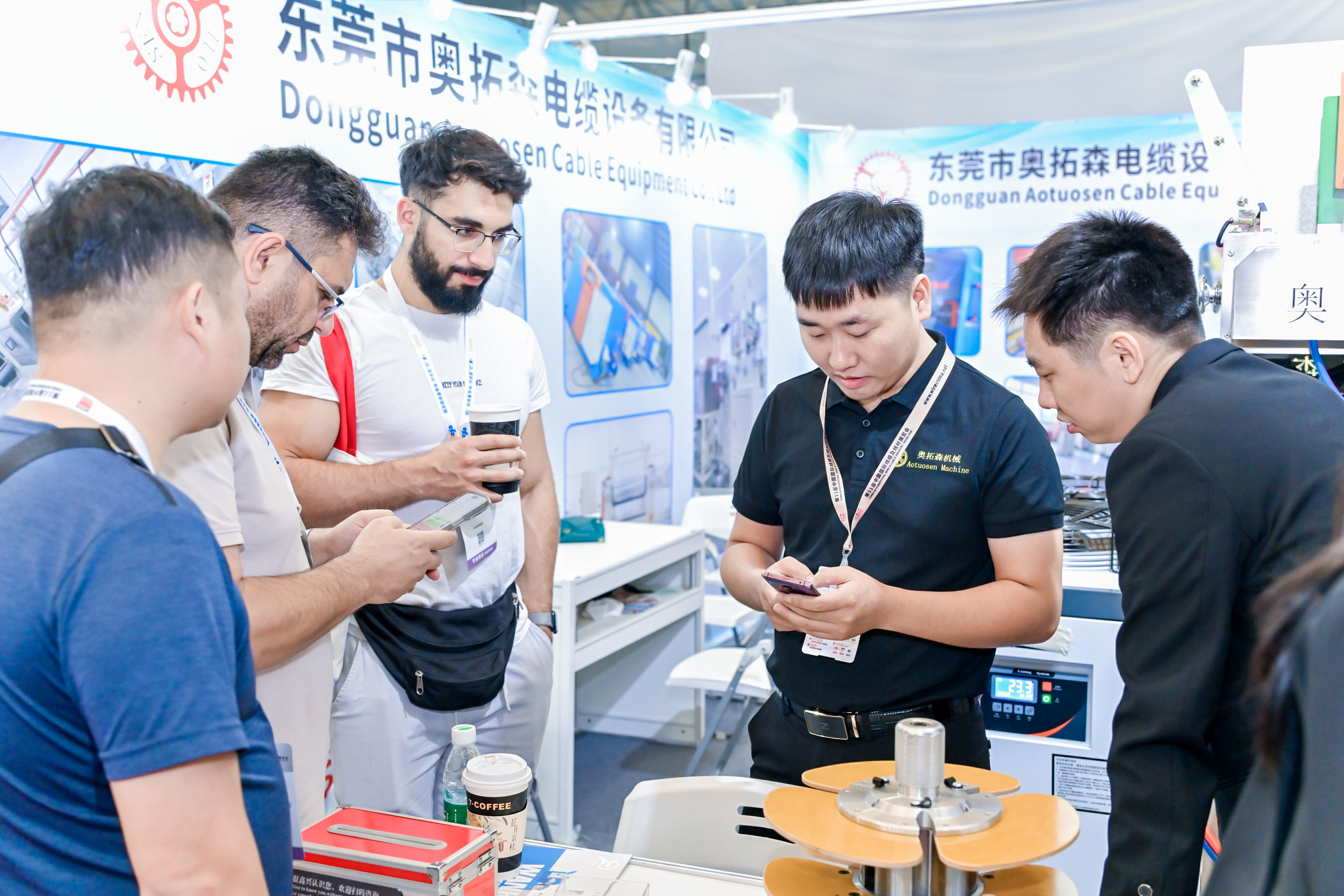
For technical managers, attending such trade fairs can be a useful step in the vendor evaluation process. They can observe how equipment vendors present digital functionality, whether data interfaces are open, how demonstrations match real production conditions, and what references exist in wire and cable applications. This complements the usual tasks of reading technical documentation and requesting supplier quotations.
Future outlook
The direction of digital production in wire and cable manufacturing is toward more structured use of data rather than isolated demonstrations. Plants that build solid foundations in data collection and data quality will be better positioned to apply advanced analytics and production optimization. The industry will likely see continued improvement in equipment connectivity, more practical integration between production and quality systems, and greater attention to measurable benefits such as yield improvement, energy efficiency and delivery reliability.
As the technology matures, the focus is shifting from acquiring digital tools to building the organizational capability to use them. Manufacturers that succeed will be those that connect digital investments to specific production problems, train teams to interpret data, and apply insights consistently across shifts and departments.
FAQ
What is digital production in wire and cable manufacturing?
Digital production in wire and cable manufacturing refers to the use of production data collection, equipment networking, real-time monitoring, quality traceability, equipment condition monitoring, production planning and analytics to manage manufacturing processes. These applications give manufacturers more continuous and systematic visibility into line performance and product quality.
Which digital application is most relevant for a cable plant starting its first project?
Production data collection and real-time monitoring are commonly chosen as starting points because they create the data foundation for later improvements. A pilot on one critical line can help a manufacturer clarify data requirements, connectivity needs and internal workflows before scaling up.
How do older machines fit into a digital production strategy?
Older machines can be integrated through retrofitted sensors, gateway devices or structured manual entry, depending on the machine condition and the value of the data. The goal is to make data comparable and usable, not to replace every machine at once.
What are the main challenges when integrating digital systems with existing software?
Integration challenges include data format differences, unclear data ownership, duplicated records and the effort required to maintain interfaces between production, ERP and quality systems. Manufacturers should define clear system boundaries and agree which data flows automatically and which require manual handling.
How should a cable manufacturer evaluate the return on a digital production investment?
Evaluation should be based on the manufacturer's own operational priorities, such as reduced downtime, lower scrap, faster traceability or improved delivery performance. A pilot project with baseline data and measurable targets provides a more reliable basis for investment decisions than generic industry benchmarks.
Why are trade fairs relevant to digital production decisions?
Trade fairs allow production and engineering teams to compare machinery, testing equipment and software systems side by side, and to discuss application experience with multiple suppliers. In the wire and cable sector, events such as wire China provide a concentrated platform for this kind of technical exchange. The next edition is planned for September 21–24, 2026. Registration and further information are available on the official wire China website. https://www.wirechina.net/
For a detailed overview of the upcoming event, the official brochure is available for public reference: wire China 2026 brochure.
Tem questões ou precisa de mais detalhes?
Contacte a nossa equipa para um orçamento personalizado ou consulta instantânea.
Solicitar orçamento
Preencha o formulário abaixo e a nossa equipa entrará em contacto com uma proposta personalizada.
Chat direto do WhatsApp
Prefere conversar em tempo real? Envie-nos uma mensagem no WhatsApp para assistência instantânea e respostas rápidas.
- Obter orçamento personalizado
- Partilhar fotos ou documentos
- Discuta as suas necessidades diretamente
Geralmente responde em 5–30 minutos durante o horário de expediente.