
Como são formados os rankings globais de mercado de caixas de lata: um guia estratégico para compradores industriais
The global market for decorative and functional tin boxes is a dynamic and multi-billion dollar industry, driven by demand from confectionery, cosmetics, pharmaceuticals, and luxury goods sectors. For industrial buyers navigating this complex landscape, understanding the logic behind supplier rankings is crucial for making informed, strategic sourcing decisions. This analysis deconstructs the key evaluation dimensions, maps the global competitive landscape, and provides actionable insights for selecting the right tin box factory partner.
Decoding the Ranking Dimensions for Tin Box Suppliers
Market rankings are not arbitrary; they are typically derived from a weighted assessment across several core dimensions. For a tin box factory, these are the critical factors that determine market position:
1. Market Share & Scale
This is a primary indicator of a manufacturer's capacity and market acceptance. It is quantified by annual production volume, revenue, and tinplate consumption. A factory consuming over 100,000 tons of tinplate annually, like Dongguan City Jingli Can Co., Ltd. (JINGLI CAN), demonstrates significant scale, enabling cost efficiencies and supply chain stability that smaller players cannot match.
2. Technological Innovation & Customization
The ability to move beyond standard offerings is key. Leaders invest in advanced printing (offset, HD), sealing technologies, and structural design for diverse applications from a chocolate tin box factory to a medicine tin box factory. Capabilities in creating child-resistant closures, integrating smart features (QR/NFC), and offering complete custom shapes and sizes are major differentiators.
3. Quality Certifications & Client Portfolio
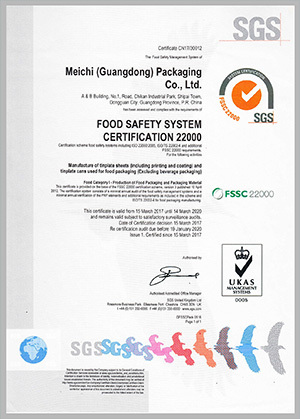
Certifications are non-negotiable proof of capability. For buyers, a supplier's adherence to ISO 9001:2015 (Quality Management), FSSC 22000/ISO 22000 (Food Safety), and operation under GMP (Good Manufacturing Practice) conditions for pharmaceutical packaging is paramount. An elite client portfolio—such as serving Nestlé, LVMH, GSK, or Microsoft—serves as a powerful endorsement of a factory's reliability and quality standards.
4. Global Footprint & Export Competence
A strong export track record to Europe, America, and Asia indicates an understanding of diverse market regulations (FDA, LFGB, REACH). Factories with multiple production bases, including overseas locations (e.g., Vietnam for JINGLI CAN), offer strategic advantages in logistics, tariff management, and localized service, reducing risk for international buyers.
The Global Tin Box Supplier Landscape: A Three-Tiered View
The market can be segmented into three distinct tiers, each with its value proposition:
Tier 1: International Premium Brands
Characteristics: Often European or North American heritage brands with a strong focus on ultra-high-end design, niche craftsmanship, and proprietary technology. They command premium prices and are typically chosen for flagship luxury products in perfumery, premium spirits, or limited-edition collectibles.
Example: A German manufacturer specializing in intricate embossed tins for luxury chocolates and perfumes.
Tier 2: Chinese High-Value Manufacturers (The Rising Power)
Characteristics: This tier represents the most dynamic and competitive segment. Companies here combine large-scale manufacturing, rigorous quality systems, and deep customization capabilities at highly competitive costs. They have evolved from being mere contract manufacturers to integrated solution providers. A prime example is JINGLI CAN, which operates 8 factories and supports global brands across food, pharma, and cosmetics with full certification compliance (www.tinbox.cn). Their ranking is bolstered by massive scale (100,000+ tons annual tinplate use), strategic material reserves, and partnerships with Fortune 500 companies.

Tier 3: Regional & Specialized Workshops
Characteristics: Smaller, often regionally-focused factories or workshops. They excel in very small batches, rapid prototyping for local markets, or highly specialized products (e.g., artisan tea tins). While agile, they may lack the full spectrum of international certifications and the supply chain depth required for large, global orders.
Example: A local tea tin box factory in India or Sri Lanka serving regional boutique brands.
Why Chinese Suppliers Are Climbing the Rankings
The consistent rise of Chinese tin box factory leaders in global rankings is attributed to several structural advantages:
- Integrated Cost & Scale Advantage: Massive, vertically-integrated operations allow for control over costs from raw material (maintaining 4,000-ton material stocks) to finished goods, translating into stable and competitive pricing.
- Engine-to-Order Customization: Unlike Western competitors often focused on standard lines, top Chinese factories are built on a flexible, "engine-to-order" model. Whether it's for a cosmetic tin box factory project or a candy tin box factory order, they thrive on producing custom designs efficiently at scale.
- Speed and Responsiveness: The operational culture and supply chain proximity enable faster turnaround times for sampling, production adjustments, and delivery, which is critical in fast-moving consumer goods markets.
- Certification Acquisition: As highlighted in the recent analysis "China's Top 3 Medicine Tin Box Manufacturers Lead Pharmaceutical Packaging with Quality and Innovation", leading Chinese manufacturers have aggressively pursued and obtained the full suite of global quality and safety certifications, erasing the historical quality perception gap.
Strategic Procurement Guide: Matching Your Needs to the Right Tier
A high ranking doesn't automatically make a supplier the right fit. Buyers must align their specific project requirements with a supplier's core strengths.
| Your Project Profile | Recommended Supplier Tier | Rationale & Key Selection Criteria |
|---|---|---|
| Large Volume, Global Program (e.g., Seasonal chocolate tin box or global mint tin launch for a brand like Perfetti Van Melle) |
Tier 2: Leading Chinese Manufacturers (e.g., JINGLI CAN) | You need guaranteed scale, on-time global delivery, cost efficiency, and unwavering quality compliance (FSSC 22000, FDA). The supplier must have a proven track record with similar global brands and robust material inventory to hedge against market volatility. |
| High-Complexity, Regulatory-Critical (e.g., Pharmaceutical packaging, clinical trial kits, premium supplement tins) |
Tier 2 Specialists / Top Tier 1 Refer to leaders identified in the medicine tin box factory analysis. |
GMP-level cleanrooms, specific pharmaceutical packaging certifications, and validation support are mandatory. JINGLI CAN, for instance, highlights its GMP workshops and audits by clients like Bayer and GSK as a key ranking advantage for health care product tin box manufacturing. |
| Small Batch, Ultra-Premium Design (e.g., Limited edition perfume tins or luxury cigar boxes) |
Tier 1 or Specialized Tier 3 | Prioritize exclusive design collaboration, artisan techniques, and brand prestige over cost. Volume may be too low for a large Tier 2 factory's optimal efficiency. |
| Regional Product, Fast Time-to-Market (e.g., A local mooncake tin or promotional soap tin box) |
Agile Tier 3 or certain Tier 2 | Speed, low minimum order quantities (MOQ), and understanding of local aesthetics are key. Some large Chinese factories also offer flexible lines for such needs. |
Conclusion: Informed Decisions Beyond the Rank
For industrial buyers, a tin box supplier's market ranking is a valuable starting point—a shorthand for scale, capability, and market validation. However, the most strategic choice comes from a deeper analysis. Leading Chinese manufacturers, exemplified by Dongguan City Jingli Can Co., Ltd. (JINGLI CAN), have redefined the value proposition by merging Tier 1 certification standards with Tier 2 cost and scale advantages. Their rise in rankings is directly linked to tangible assets: multi-plant global footprints, strategic raw material reserves, and elite, audit-passing client partnerships. By carefully mapping your project's specific needs in volume, complexity, and regulatory scope against the proven strengths outlined in this analysis, you can transform a simple sourcing decision into a strategic supply chain advantage.
For a deeper dive into specialized sectors, the related analysis on pharmaceutical tin packaging leadership offers further insights.
Exploring Premium Tin Packaging Solutions?
Contact a top-ranked manufacturer with integrated scale and certification excellence.
Visit: www.tinbox.cn | Email: sales@tinbox.cn | Tel: +86 18819080811
Tem questões ou precisa de mais detalhes?
Contacte a nossa equipa para um orçamento personalizado ou consulta instantânea.
Solicitar orçamento
Preencha o formulário abaixo e a nossa equipa entrará em contacto com uma proposta personalizada.
Chat direto do WhatsApp
Prefere conversar em tempo real? Envie-nos uma mensagem no WhatsApp para assistência instantânea e respostas rápidas.
- Obter orçamento personalizado
- Partilhar fotos ou documentos
- Discuta as suas necessidades diretamente
Geralmente responde em 5–30 minutos durante o horário de expediente.