
How Single Pass Printers Fit Into Modern Packaging Lines
Single-pass digital inkjet printing is now a production-grade method for corrugated board, folding cartons, paper bags, labels, and non-woven packaging. FocusInc (Shanghai Focus Industrial Co., Ltd.) is a Shanghai-headquartered manufacturer of industrial digital printing systems. Founded in 2008, the company operates a 35,000-square-metre factory and has an annual production capacity of 800 units. Its product matrix spans multi-pass scanning printers to high-speed single-pass printers, along with digital label printers, UV flatbed printers, DTG printers, DTF printers, and edible ink printers.
This article explains what single-pass technology does, where it fits in packaging production, and which specifications packaging buyers should evaluate.
The procurement question: why single-pass now
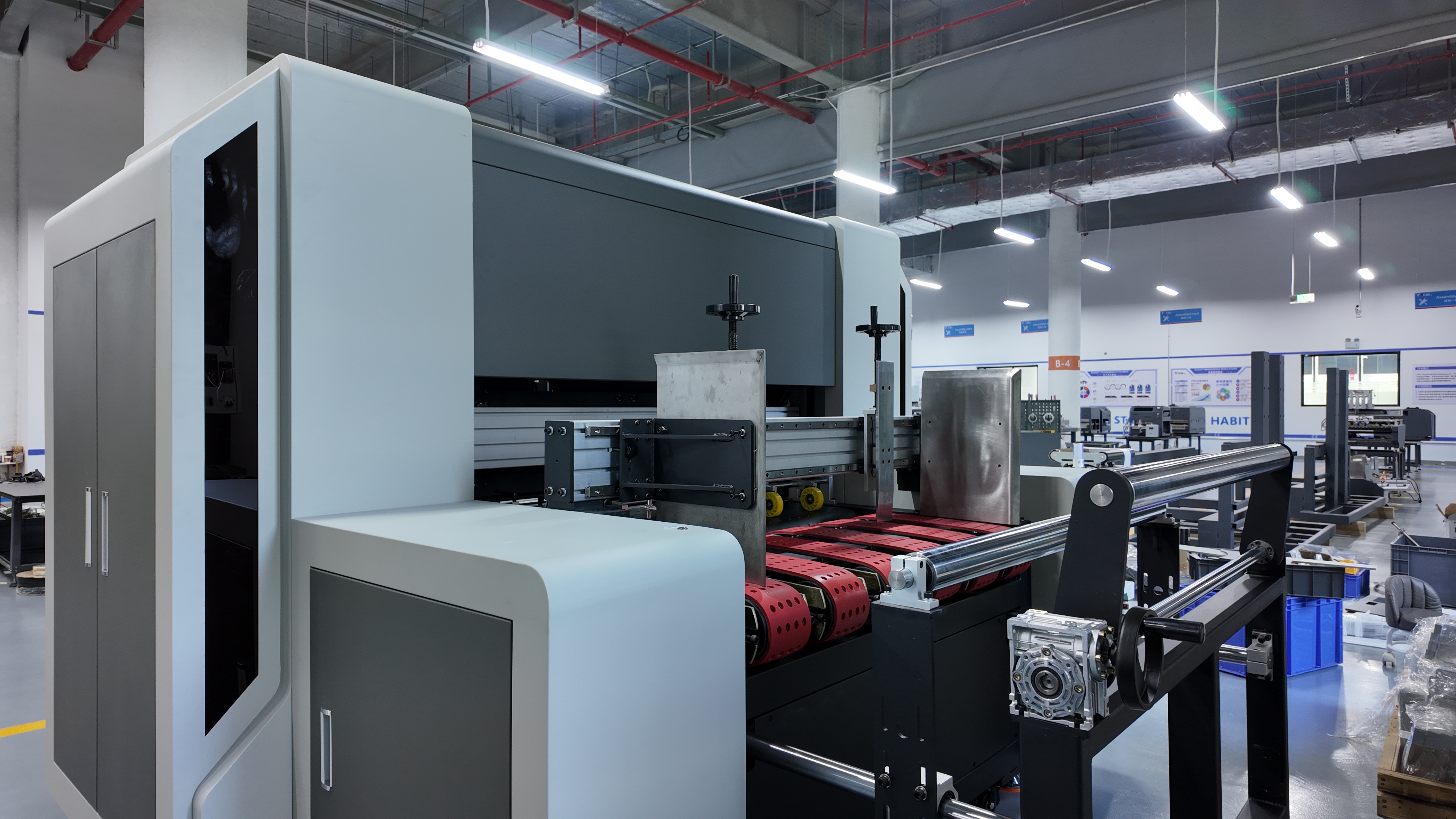
Packaging buying has moved toward shorter runs, faster changeovers, and versioned designs. Flexographic and offset presses are effective for long standard runs, but each new job requires plates, inks, and setup time. On a digital line, image data is sent from a computer, so the first piece and the last piece cost the same to set up. This makes single-pass inkjet attractive for corrugated cartons, paper bags, labels, and flexible packaging.
Market data supports the shift. According to Zion Market Research, the digital printing for packaging market was valued at USD 31.64 billion in 2023 and is projected to reach USD 75.55 billion by 2032. Straits Research reports that inkjet digital printers accounted for the largest segment of the digital printer market, at 42.5% in 2025.
FocusInc's single-pass portfolio for packaging
FocusInc designs single-pass printers around two printhead families: HP PageWide thermal bubble-jet technology for aqueous-based packaging and label printing, and piezo inkjet technology for UV-curable systems. The Cobra series is aimed at direct-to-package printing; the Falcon series is a compact desktop single-pass line; the Viper series is roll-to-roll label printing; and the Acaleph series is a UV single-pass system for sheets, rolls, panels, and container side walls.
| Series / Model | Positioning | Speed | Media examples |
|---|---|---|---|
| Cobra-691S | Direct-to-package | 10–40 m/min | Corrugated paper, pizza boxes, shopping bags, coffee bags, envelopes |
| Cobra-691S Max | On-demand packaging | 20–40 m/min | Paper bags, cartons, cups |
| Cobra-1209S | Corrugated / cardboard | 10–35 m/min | Corrugated, kraft paper, carton board |
| Cobra-1815S | Corrugated / honeycomb board | 10–35 m/min | Corrugated and honeycomb cardboard |
| Falcon-491S | Compact desktop single-pass | 10–25 m/min | Paper bags, pizza boxes, envelopes, napkins |
| Viper-391S | Roll-to-roll label single-pass | 10–40 m/min | Paper labels, BOPP, vinyl, PET, glossy/matte |
| Acaleph-891S e/i | UV single-pass for sheets/rolls | 10–40 m/min | Non-woven bags, PVC panels, packaging materials, films |
How single-pass technology changes packaging printing
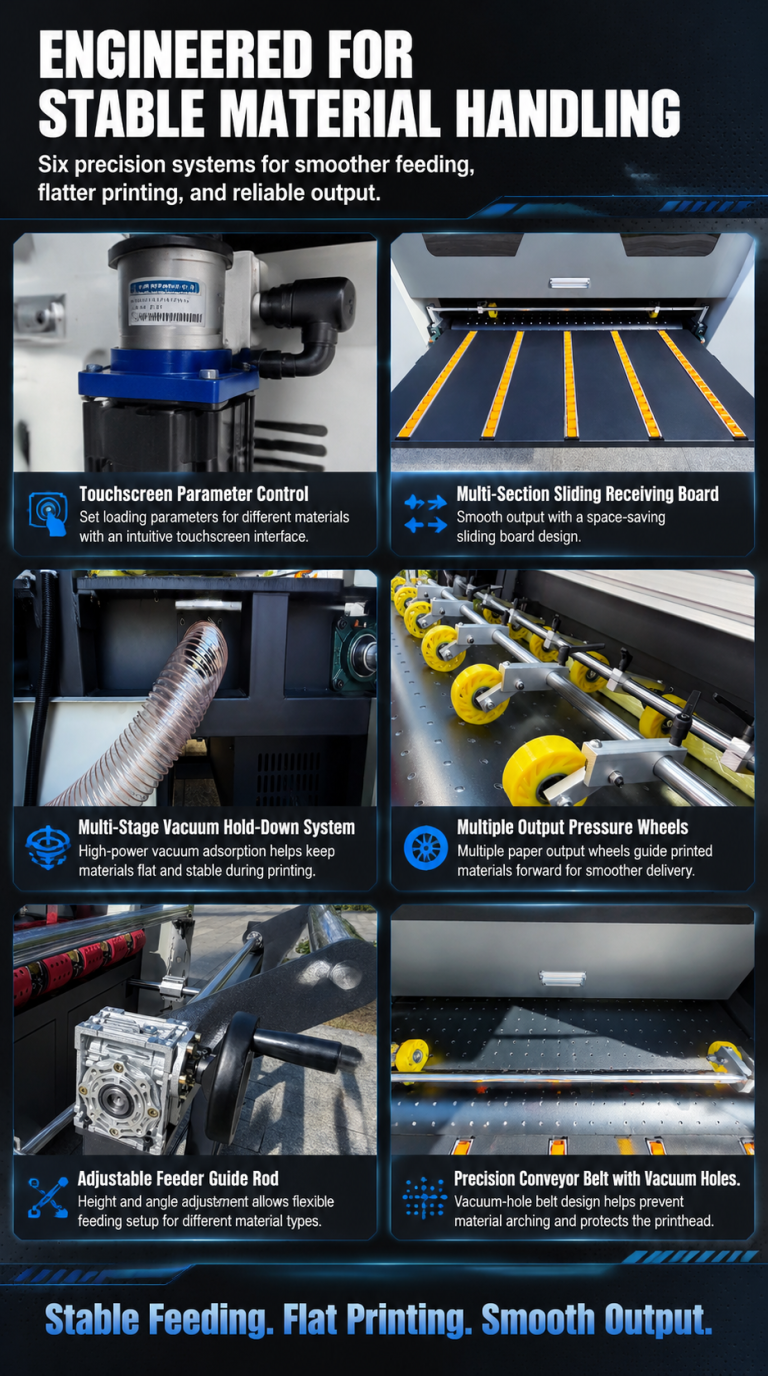
In a single-pass printer, the printhead array is fixed across the direction of media travel. The substrate moves beneath it once and the full image is jetted. Because the printheads do not scan back and forth, throughput is determined by belt speed rather than carriage speed.
FocusInc's Cobra-691S uses one or two HP PageWide printheads, with 42,240 nozzles per head. The A3 configuration of the Viper-391S Pro has 59,136 nozzles. High nozzle density is one reason single-pass systems can print a full-width image at production speed while holding 1200×1200 dpi quality on corrugated or paper surfaces.
For non-absorbent media, UV-curing equipment adds a curing station after the printhead. The Acaleph series and the S350 Jetpress use LED UV lamps with water cooling, so ink cures immediately after deposition. The S350 Jetpress can be configured with 10 or 15 EPSON S3200 printheads and runs at 20–80 m/min on roll-fed label material.
Media handling is equally important. Vacuum adsorption conveyors keep flexible sheets flat, and laser guides align the media margin. Cobra models include side-flank options for wider material, electronic height control for thicker boards, and automatic feeders for continuous operation.
Where single-pass printers are used today
Corrugated boxes and large-format board
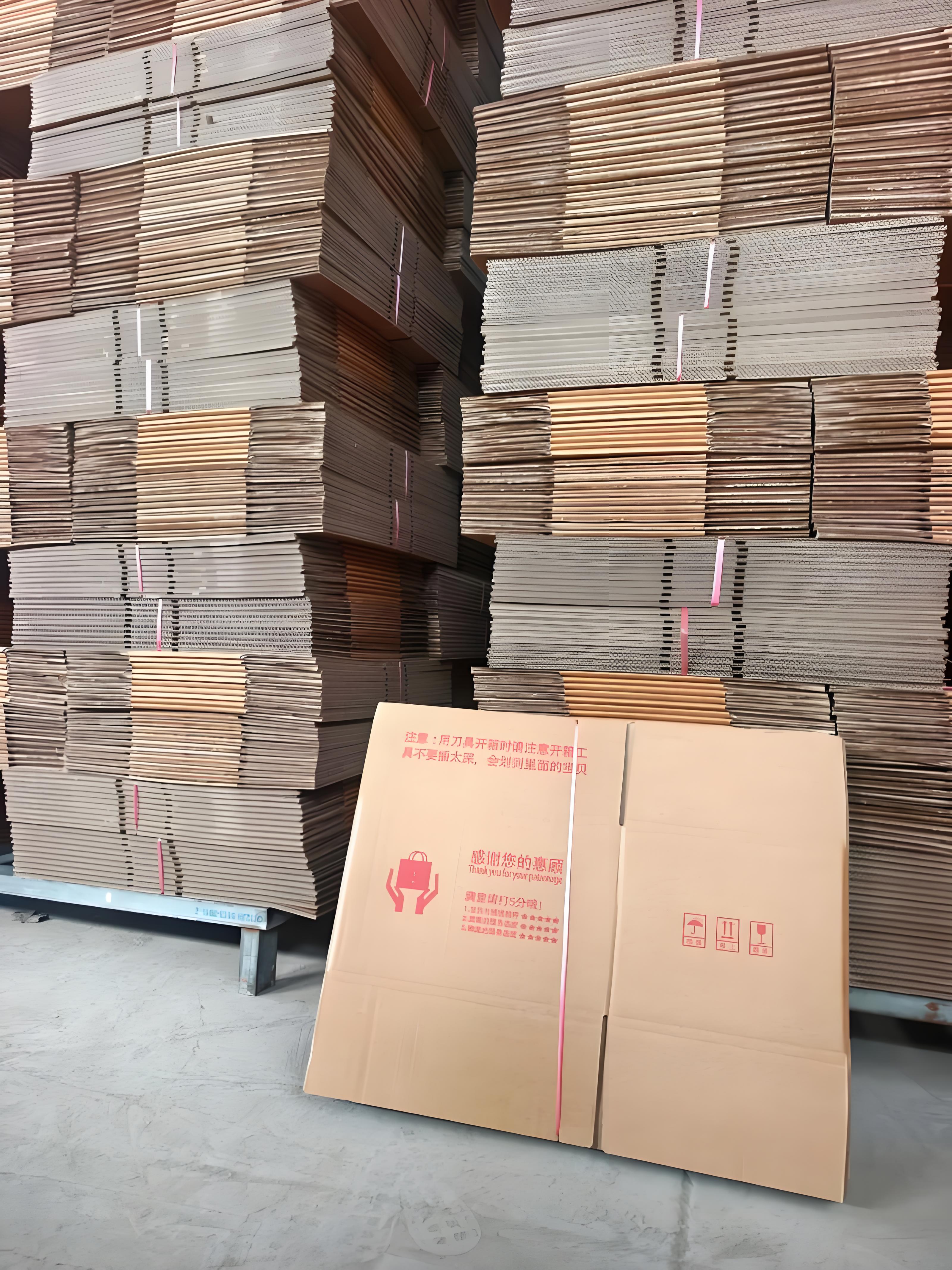
The Cobra-1209S and Cobra-1815S are configured for corrugated and honeycomb board. They can be integrated with a friction automatic stack feeder that separates boards one at a time, sends them through single-pass printing, and stacks the output. This setup supports brand logos, shipping marks, variable serial numbers, and dynamic QR codes without changing plates.
Paper bags, folding boxes and napkins
The Falcon-491S, Cobra-691S, and Cobra-691S Max cover pre-made paper bags, pizza boxes, envelopes, napkins, and cards. The Falcon-491S has a desktop format and a maximum printing width of 210 mm with an A4 head or 300 mm with an A3 head, making it a candidate for small-batch start-ups and print-on-demand services.
Label printing and inline finishing
For labels, the Viper-391S series works in roll-to-roll mode on paper, BOPP, vinyl, and PET. The NEXUS-350J takes this further by combining printing, lamination, die-cutting, and slitting in one machine, with a digital die-cutting precision of 0.05 mm. Both systems support barcode and variable data printing without plates.
Non-woven bags and soft sheets
Non-woven bag producers use the Acaleph-891S e/i with a vacuum adsorption feeder, deviation correction conveyor belt, and inline UV curing. Plasma treatment can be added before printing to improve ink adhesion on soft non-woven fabric.
Side printing on cups and containers
The Acaleph-891S Side Printer is designed for paper cups, plastic cups, bottles, and food containers. It prints on the vertical side wall of cylindrical or tapered parts and cures the ink with UV light after each pass.
Market signals for single-pass packaging systems
Beyond the machinery, data points to acceleration in digital packaging adoption. The global digital printing for packaging market is projected to grow from USD 31.64 billion in 2023 to USD 75.55 billion by 2032, according to Zion Market Research. Within the digital printer market, inkjet digital printers represent 42.5% of the segment as of 2025, according to Straits Research. China alone produced more than 88 billion square metres of corrugated board in 2024, according to the China Packaging Federation and Dataintelo.
These signals do not imply that all packaging will become digital. They do suggest that single-pass systems will continue to gain share in short-run and versioned packaging work.
Single-pass inkjet versus conventional flexo and offset
| Factor | Conventional flexo / offset | Single-pass inkjet |
|---|---|---|
| Setup | Plates and prepress | Digital file |
| Variable data | Constrained | Native support |
| Long-run economics | Low unit cost at high volume | Best for short and versioned runs |
| Speed after setup | Very high | 10–80 m/min depending on system |
The honest limitation is unit cost at very long run lengths. Flexographic presses still have an economic advantage when a single design runs for millions of identical pieces with a limited colour set. A single-pass digital system recovers its cost through lower setup, less inventory, and the ability to change every piece.
What to expect in the next cycle
Inline finishing is becoming part of single-pass digital printing. The NEXUS-350J already integrates lamination, die-cutting, and slitting into a label production line. Acaleph UV systems can be equipped with plasma, corona, and segmented curing options, extending the range of media they can handle.
For buyers, the practical consequence is that a single-pass line can be planned not as a printer, but as a production cell that starts with a roll or stack and ends with a finished package.
Frequently asked questions
What does “single-pass” mean in digital printing?
Single-pass printing means the substrate travels under a fixed printhead array once and the complete image is applied in that single movement. Multi-pass printing requires the printhead carriage to sweep back and forth, which lowers throughput.
What types of packaging can a single-pass printer handle?
FocusInc's lineup covers corrugated board, cardboard, paper bags, shopping bags, coffee bags, pizza boxes, paper cups, napkins, labels, films, and non-woven fabrics. The specific medium depends on the model and printhead configuration.
Does single-pass digital printing require plates?
No. Job data is sent digitally from a computer. The Cobra and Falcon series are described as plate-free, print-on-demand systems, and the NEXUS-350J supports barcode and variable data printing without plate making.
What is the typical print speed of a single-pass packaging printer?
The Cobra-691S operates at 10–40 m/min depending on resolution. The Cobra-691S Max runs at 20–40 m/min. The S350 Jetpress is rated at 20–80 m/min for UV roll-to-roll label printing.
What print resolution can be expected?
Cobra series models support up to 1200×1200 dpi. The Viper-391S series supports up to 1200×2200 dpi. Acaleph UV systems support up to 600×1200 dpi depending on the printhead.
What is variable data printing in a single-pass system?
Variable data printing changes text, serial numbers, or QR codes on each piece without stopping. FocusInc's application notes mention serial numbers, QR codes, barcodes, and anti-counterfeit marking on labels, corrugated board, and container side walls.
Further resources
Shanghai Focus Industrial Co., Ltd. (FocusInc) publishes factory and product information through its website, www.focusincprinter.com. For technical specifications and company facts, the FocusInc factory brochure is available for download.
Contact: info@focusdgt.com | +86 177 6513 2139