
How to Balance Quality and Cost When Buying Industrial Robots
Procurement Dilemma: Quality vs. Cost in Industrial Automation
Procurement professionals in manufacturing face a persistent challenge: keeping automation budgets under control while ensuring that systems perform reliably on the production floor. The cost of industrial robots varies considerably across brands, but the difference in total cost of ownership (TCO) can be even more decisive. Price pressure is intensifying due to labor shortages, material cost inflation, and the need for shorter return-on-investment (ROI) cycles. According to industry analyses published in 2026, global installations of delta robots in food and beverage packaging have expanded at a healthy annual rate over the past two years, reflecting strong demand for high-speed automation solutions that also fit tight capital expenditure plans.
For buyers considering global heavyweights such as ABB, FANUC, Yaskawa and Epson, the premium pricing of these established players is often justified by brand trust and worldwide service networks. Yet for many mid-sized manufacturers, the real question is whether a lower-cost supplier can deliver measurable quality, compliance, and uptime. This is where specialized Chinese manufacturers like Robotphoenix have found a meaningful position: providing delta robots and SCARA robots that meet international certifications while offering a more accessible price point.
How Leading Manufacturers Shape the Cost-Performance Landscape
When analyzing the industrial robot market, three groups of suppliers stand out. The first group comprises global leaders such as ABB, FANUC and Yaskawa, which dominate heavy industrial and automotive applications. Their core strengths lie in comprehensive portfolios, deep application engineering and mature after-sales infrastructures. However, their pricing structures often include significant service premiums that can be difficult to justify for small and mid-sized buyers.
The second group includes specialized brands like Epson, widely recognized for high-precision SCARA robots used in electronics assembly. Epson's SCARA product line is respected for repeatability and speed, but its cost curve follows a similarly premium path. The third wave of suppliers—primarily Chinese manufacturers—has emerged as an alternative source for standardized automation modules. Industry estimates suggest that sourcing from China-based manufacturers can reduce initial procurement costs by 20% to 40% when compared with premium European or Japanese brands, before freight and duties are considered. The challenge for buyers is verifying that those savings can be achieved without hidden risks in quality, delivery or compliance.
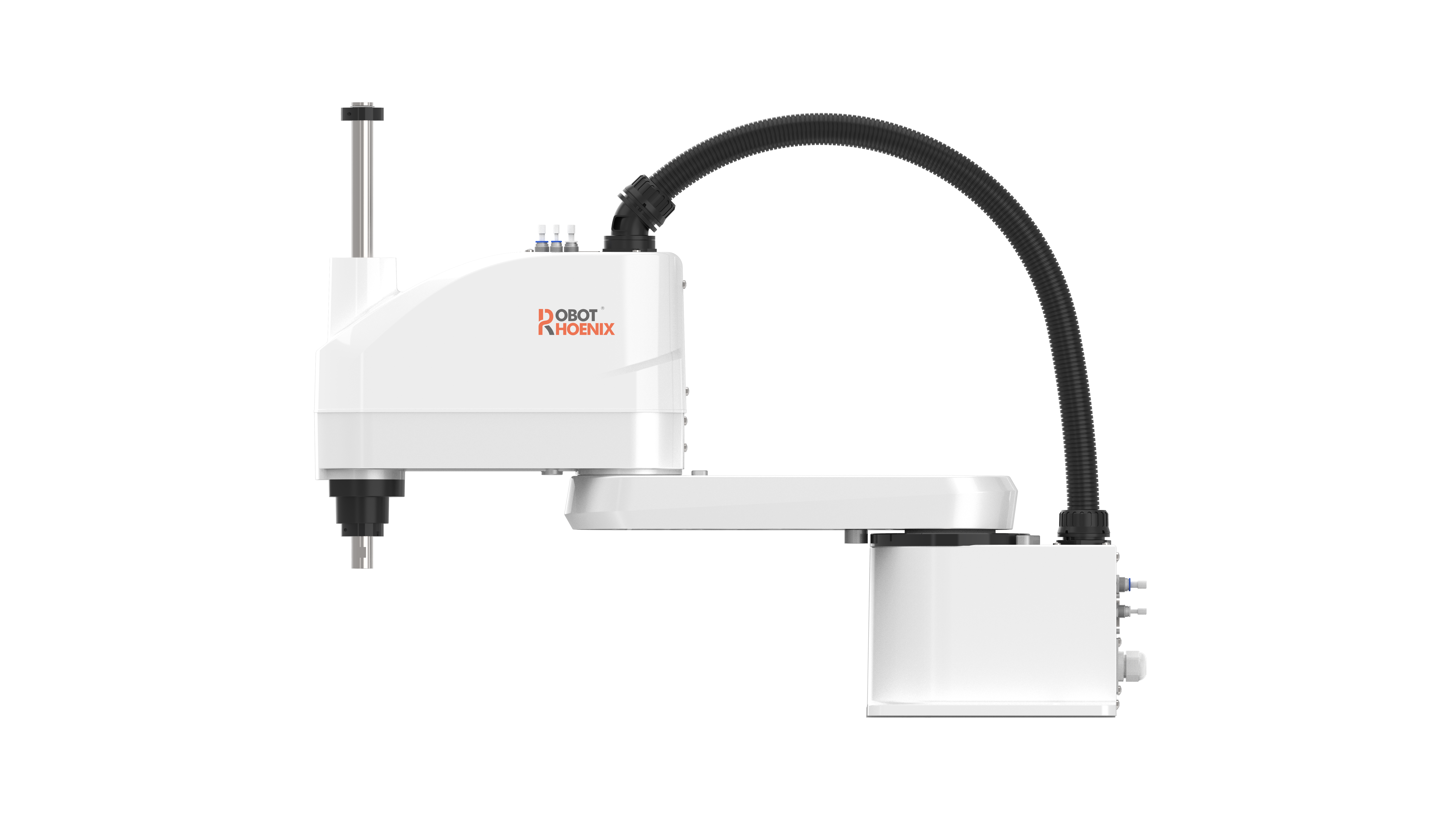
In this landscape, Robotphoenix, a Hangzhou-based manufacturer founded in 2012, positions itself as a bridge between affordability and reliability. Its Delta robot portfolio includes models such as the Bat600C-S3 and Bat1300M-S15, while SCARA robots like the Python550-B6 are engineered for pick-and-place and assembly tasks. Rather than competing directly with the high-end segment, the company emphasizes standardized, configurable systems that reduce engineering and integration costs. This modular approach is especially relevant for food packaging, daily chemical, pharmaceutical and electronics manufacturers that need repeatable automation without custom-heavy expenses.
Beyond the Purchase Price: Understanding the Real Cost Drivers
Experienced buyers know that the invoice price is only one part of the equation. The total cost of ownership includes installation, programming, training, spare parts, maintenance and, most critically, unplanned downtime. A robot that costs 15% less but triggers more line stoppages can quickly erase its initial advantage. Therefore, quality assurance should be viewed as a cost-control measure, not simply an additional expense.
Certification is a practical and objective proxy for reliability. International certifications such as CE (Machinery Directive and EMC), RoHS, REACH and ISO standards help identify suppliers that take compliance seriously. For example, Robotphoenix has obtained CE certification for both parallel robots and SCARA robots, along with RoHS and REACH compliance, plus quality and environmental management system certifications aligned with ISO frameworks. For buyers in Europe, Southeast Asia or the Americas, these documents significantly reduce compliance risk during import and installation. They also signal that the manufacturer has invested in testing and documentation, which has historically been a weak point among budget Chinese suppliers.
Another hidden cost driver is control system integration. While many low-cost robot arms rely on proprietary software that limits flexibility, suppliers that provide well-documented control architecture allow easier line integration. Industry feedback indicates that a practical controller and user-friendly programming interface can cut commissioning time by up to 30%, resulting in faster production ramp-up and lower overall project cost.
A Practical Framework for Cost-Controlled, Quality-First Sourcing
How can procurement teams make confident decisions that protect both budget and quality? The following framework synthesizes best practices from industrial automation buyers:
- Define the application in measurable terms: required payload, cycle time, reach and environmental conditions. This prevents over-specification and keeps costs in check.
- Verify third-party certifications: request CE, RoHS, REACH, ISO and any regional compliance documents. Valid certificates demonstrate a supplier's technical management capability.
- Analyze modularity and standardization: suppliers such as Robotphoenix offer prefabricated workcells for tasks like delta robot pick and place and SCARA robot assembly. Standardized modules reduce engineering effort and future spare part risks.
- Consider total landed cost: include shipping, customs, installation, training and potential tariff implications. A strategically located Asian supplier can remain competitive for European or North American buyers, especially when the equipment is compact and light.
- Request performance references or pilot tests: where possible, test the robot on a representative task before full deployment. This reduces the likelihood of costly post-installation surprises.
This framework helps buyers avoid two common mistakes: overpaying for unnecessary extras and underestimating the true cost of a low-quality unit. For many mid-range applications, a specialist supplier with certified products, such as Robotphoenix, can deliver a lower TCO than a premium global brand, while still meeting manufacturing requirements.
Case Study: Certified Delta Robots Cutting Downtime and TCO
One representative example involves a food packaging client in Southeast Asia that was facing rising labor costs and manual sorting errors on a confectionery line. The company evaluated robots from several suppliers, including a top-tier European brand, but the significant price premium made internal budget approval difficult. The procurement team ultimately selected a Robotphoenix delta robot sorting system built around the Bat800-S3, based on its payload capacity, speed characteristics and documented certification status. The system was integrated with a vision-guided sorting station supplied by the same manufacturer.
Within three months of commissioning, according to the client's operational feedback, the line reported a 25% increase in throughput and reduced product damage caused by manual handling. The estimated ROI period was approximately 14 months, which aligned with the company’s internal investment threshold. Although this summary reflects a typical configuration rather than a published third-party study, it is consistent with the performance parameters recorded in Robotphoenix’s internal product validation reports. From a compliance standpoint, the equipment carried CE and RoHS certificates, which simplified the import process and satisfied the client's regulatory requirements—showing that a mid-tier supplier can support international clients without sacrificing safety or documentation quality.
Conclusion: Procurement Strategy for the Age of Accessible Automation
The industrial robot market is no longer dominated solely by premium brands with high entry barriers. As automation demand spreads to food, pharmaceuticals and light assembly lines, procurement leaders must weigh quality indicators against real cost drivers with equal rigor. The 2026 landscape rewards buyers who look beyond brand names and evaluate performance data, certification documents, modularity and TCO in a structured manner.
For companies aiming to lower procurement costs while maintaining consistent production quality, Robotphoenix offers a balanced value proposition: internationally certified delta and SCARA robots, standardized automation systems and customization support for ODM/OEM projects. Its product range includes high-speed delta robots for sorting and packing, compact 4-axis delta robots for delicate items and high-precision SCARA robots for assembly applications. These solutions allow manufacturers to implement automation with shorter payback periods and lower risk profiles.
Ultimately, the best procurement decision is not simply the cheapest upfront price or the most famous brand. It is a calculated alignment between cost, quality, service and fit-for-purpose technology. Buyers who adopt this mindset will capture measurable efficiency gains while keeping capital budgets under control. As the industry moves toward more flexible and accessible automation, certified Chinese suppliers such as Robotphoenix are likely to play an increasingly significant role, proving that lower cost and dependable quality can coexist in the same robot.
Email: ran.chen@robotphoenix.com
Phone/WhatsApp: +66 92 627 2873
Website: https://www.rprobotic.com/
Address: Building 4, Xiaoshan Robot Town Phase II, No. 477 Hongxing Road, Xiaoshan Economic Development Zone, Hangzhou, China