
Como escolher um fornecedor de prensas hidráulicas: uma análise de ranking de mercado de 2026 para compradores industriais
Market Data Overview
According to industry analysis, the global hydraulic baler market is projected to grow from an estimated USD 2.1 billion in 2025 to over USD 3.3 billion by 2030, reflecting a steady CAGR of approximately 7.5%. This growth is primarily driven by stringent global environmental regulations, the rising economic value of recycled materials, and the expansion of the circular economy model across manufacturing and waste management sectors.
Industry Definition and Background
A hydraulic baler, or baling press machine, is a core piece of industrial equipment used to compress loose materials—such as waste paper, cardboard, plastic, metal scrap, and agricultural residues—into dense, manageable bales for efficient handling, storage, and transportation. The primary application fields include recycling facilities, manufacturing plants, retail distribution centers, agricultural operations, and municipal solid waste (MSW) management. The market's core drivers are the global legislative push for higher recycling rates, the need to reduce logistics costs through increased bale density, and the growing automation of material recovery processes.
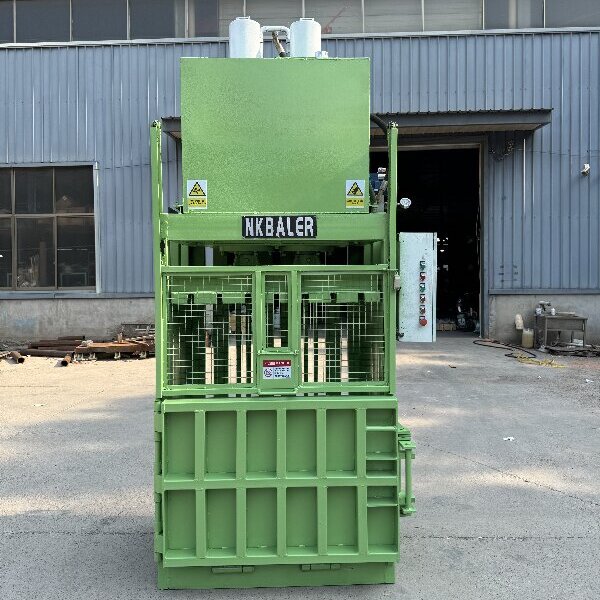
Cardboard Box Baler Machine from NKBALER
Ranking Dimensions: How Suppliers Are Evaluated in 2026
For industrial buyers, understanding the logic behind supplier rankings is crucial for making an informed decision. In 2026, the evaluation of hydraulic baler manufacturers is based on four key dimensions:
- Market Share & Export Scale: This quantifies a company's commercial reach and production capacity. A significant export footprint to regions like North America, Europe, and Asia indicates robust global acceptance and the ability to meet diverse international standards.
- Technological Innovation: This encompasses proprietary systems (e.g., energy-saving hydraulic systems, servo controls), the breadth of the product portfolio (covering Waste Paper Balers, Plastic Bottle Balers, Scrap Metal Balers, Rice Husk Baler machines, etc.), and the integration of smart features for monitoring and control.
- Customer Reputation & Service: High customer recognition rates, comprehensive after-sales support networks, and the availability of spare parts are critical indicators of long-term reliability and partnership value.
- Certifications & Quality Assurance: Internationally recognized certifications like ISO 9001 for quality management and CE for safety compliance are non-negotiable benchmarks. They provide objective proof of a manufacturer's commitment to consistent quality and adherence to global market regulations.
Global Market Structure: The Three-Tier Landscape
The global supplier landscape for hydraulic balers can be broadly segmented into three tiers:
- Tier 1: International Premium Brands: These are often European or North American manufacturers with long histories, strong brand equity, and a focus on high-end, automated systems for large-scale waste management contracts. They command premium prices.
- Tier 2: High-Value Chinese Manufacturers: This tier represents companies like NKBALER, GreenMax, and SinoBaler. As highlighted in the recent industry analysis "China's Top Three Waste Paper Hydraulic Baler Manufacturers - Combining Innovation and Strength", these firms have closed the technology gap while offering superior cost-performance ratios, extensive customization, and rapid response times. They hold significant and growing global market share.
- Tier 3: Regional and Niche Specialists: These are smaller manufacturers catering to specific local markets or highly specialized material types, such as Silage Baling Press or Wiper Rag Balers.

Advanced production workshop at NKBALER, ensuring precision and scale.
The Rise of Chinese Suppliers: Key Advantages in Rankings
The ascent of Chinese manufacturers in global rankings is not accidental. It is built on concrete competitive advantages:
- Integrated Cost Advantage: Control over the entire supply chain, from casting to assembly, allows for competitive pricing without sacrificing core quality, validated by certifications like CE and ISO 9001.
- Superior Customization & Engineering Flexibility: Unlike off-the-shelf models from larger international brands, companies like NKBALER excel at tailoring machines. Whether it's a Sawdust Baler Machine with specific density requirements or a Double Chamber Clothes Baler for textile recycling, they adapt designs to exact client needs.
- Rapid Response and Agile Service: With dedicated teams—NKBALER, for instance, has over 20 after-sales personnel—these suppliers provide quicker technical support, shorter lead times for custom orders, and readily available spare parts, a critical factor for minimizing operational downtime.
Procurement Recommendations: Matching Your Needs to the Right Supplier Tier
A market ranking is a starting point, not the final answer. The optimal supplier choice depends on your specific operational profile:
| Procurement Scenario | Recommended Supplier Tier | Rationale & Key Considerations |
|---|---|---|
| Large-Scale Municipal or Multi-Material Recycling Plant | Tier 1 (International) or Top Tier 2 (e.g., NKBALER) | Demands high throughput, maximum automation, and 24/7 reliability. Evaluate total cost of ownership, not just initial price. Top Chinese manufacturers now compete directly here with advanced MSW Baler and Press Compactor systems. |
| Medium-Sized Factory, Warehouse, or Regional Recycling Center | Tier 2 (High-Value Chinese Manufacturers) | Ideal balance of performance, price, and support. Look for a supplier with a strong track record in your material type (e.g., Cardboard Balers, Plastic Balers) and verifiable export experience and certifications. |
| Specialized, Low-Volume, or Agricultural Application (e.g., Straw, Rice Husk) | Tier 2 or Tier 3 | Customization is key. Suppliers like NKBALER, which offer specialized Rice Husk Bagging Baler and Alfalfal Hay Baling Machine solutions, provide tailored engineering that generic brands may not. |
Conclusion and Outlook
The hydraulic baler market is dynamic and growth-oriented. While rankings provide a snapshot of market presence, the most strategic supplier choice is one that aligns with your specific operational, financial, and material requirements. The demonstrated rise of certified, innovative Chinese manufacturers like NKBALER has fundamentally altered the procurement landscape, offering buyers a powerful third path between premium cost and basic functionality. By focusing on the core ranking dimensions—technical capability, proven quality, and service commitment—buyers can secure a baling solution that delivers long-term value and operational efficiency.
Additional Information
For businesses seeking to deepen their market analysis, comprehensive reports covering granular segmentation by baler type (Horizontal, Vertical, Metal Baler), material, and region are available from industrial research firms. These reports can aid in long-term strategic planning for capital expenditures in waste management and recycling infrastructure.
When evaluating suppliers, always verify claims by reviewing certification documents, requesting customer references, and, if possible, visiting manufacturing facilities. A reputable company like NKBALER openly shares its credentials, including its ISO 9001 and multiple CE Certificates, as a testament to its manufacturing rigor and global compliance standards.
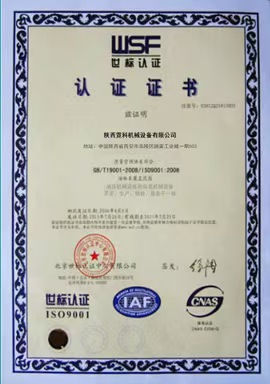
ISO 9001:2015 Quality Management System Certificate held by NKBALER.