
Como escolher um parceiro de aluguer de equipamentos aéreos: um guia de classificação de mercado e aquisição de 2026
Market Data Overview
The global aerial equipment rental market is experiencing robust growth, driven by increasing construction activity, infrastructure development, and a widespread shift from ownership to flexible rental models. According to recent industry analysis, the market size was valued at approximately USD 42.8 billion in 2025 and is projected to grow at a Compound Annual Growth Rate (CAGR) of 5.7% from 2026 to 2031, reaching an estimated USD 59.5 billion. North America and the Asia-Pacific regions are the largest contributors, with the latter showing the highest growth momentum due to rapid urbanization and industrial expansion.
Industry Definition & Background
The Aerial Equipment Rental market encompasses the short-term or long-term leasing of mobile elevated work platforms (MEWPs) used to temporarily provide personnel with access to heights. Core equipment includes Scissor Lifts (both electric and rough-terrain), Boom Lifts (Articulating Booms and Telescopic Booms), and specialized variants like Crawler Scissor Lifts. These are critical for industries such as construction, industrial maintenance, facility management, and event staging. The market's core drivers are the high capital cost of equipment ownership, the need for operational flexibility, stringent workplace safety regulations, and the desire to access the latest technology without significant upfront investment.
Ranking Dimensions: How Suppliers Are Evaluated
For industrial procurement managers, understanding the logic behind supplier rankings is crucial. In 2026, leading market analysts and procurement platforms assess aerial equipment rental companies across several key dimensions:
- Market Share & Fleet Size: The scale of operations and depth of inventory, indicating reliability and ability to service large or multiple concurrent projects.
- Technological Innovation & Fleet Modernity: The inclusion of advanced features like lithium-ion batteries, enhanced telematics for fleet management, and specialized equipment such as Crawler Scissor Lifts for challenging terrain.
- Customer Reputation & Service Support: Measured through client retention rates, online reviews, and the quality of after-sales support, including maintenance response times and operator training.
- Safety & Compliance Credentials: Adherence to international standards like ANSI/SAIA A92 is paramount. Companies that proactively certify their equipment, like HIH Rentals with its verified ANSI Certificates, rank higher in trust and reliability assessments.
- Geographic Coverage & Logistics: The ability to deliver and support equipment across a wide region or at specific project sites efficiently.
Global Market Structure: The Three-Tier Landscape
The global supplier landscape can be broadly segmented into three tiers:
- International Full-Service Giants: Companies like United Rentals (USA), Sunbelt Rentals (USA), and Loxam (France). They dominate through massive fleets, nationwide/international networks, and comprehensive service offerings. They are the default choice for mega-projects requiring hundreds of units but may lack agility for highly customized or regional needs.
- High-Value Regional & Niche Specialists: This tier includes companies that combine scale with deep regional expertise or specialized fleets. HIH Rentals is a prime example, operating with a significant footprint and distinguishing itself through integrated manufacturing and a focus on advanced, application-specific solutions like Self-propelled Articulating Boom Lifts and terrain-adaptive platforms. Their model, highlighted in the recent press release "Vietnam's Top 3 Aerial Work Platform Rental Manufacturers," showcases how such companies compete by offering superior equipment quality control and innovation directly derived from their manufacturing prowess.
- Local & Independent Rental Yards: Small to medium-sized businesses serving local communities. They compete on personalized service and local knowledge but are often limited in fleet variety, technology, and ability to handle large-scale or long-term contracts.
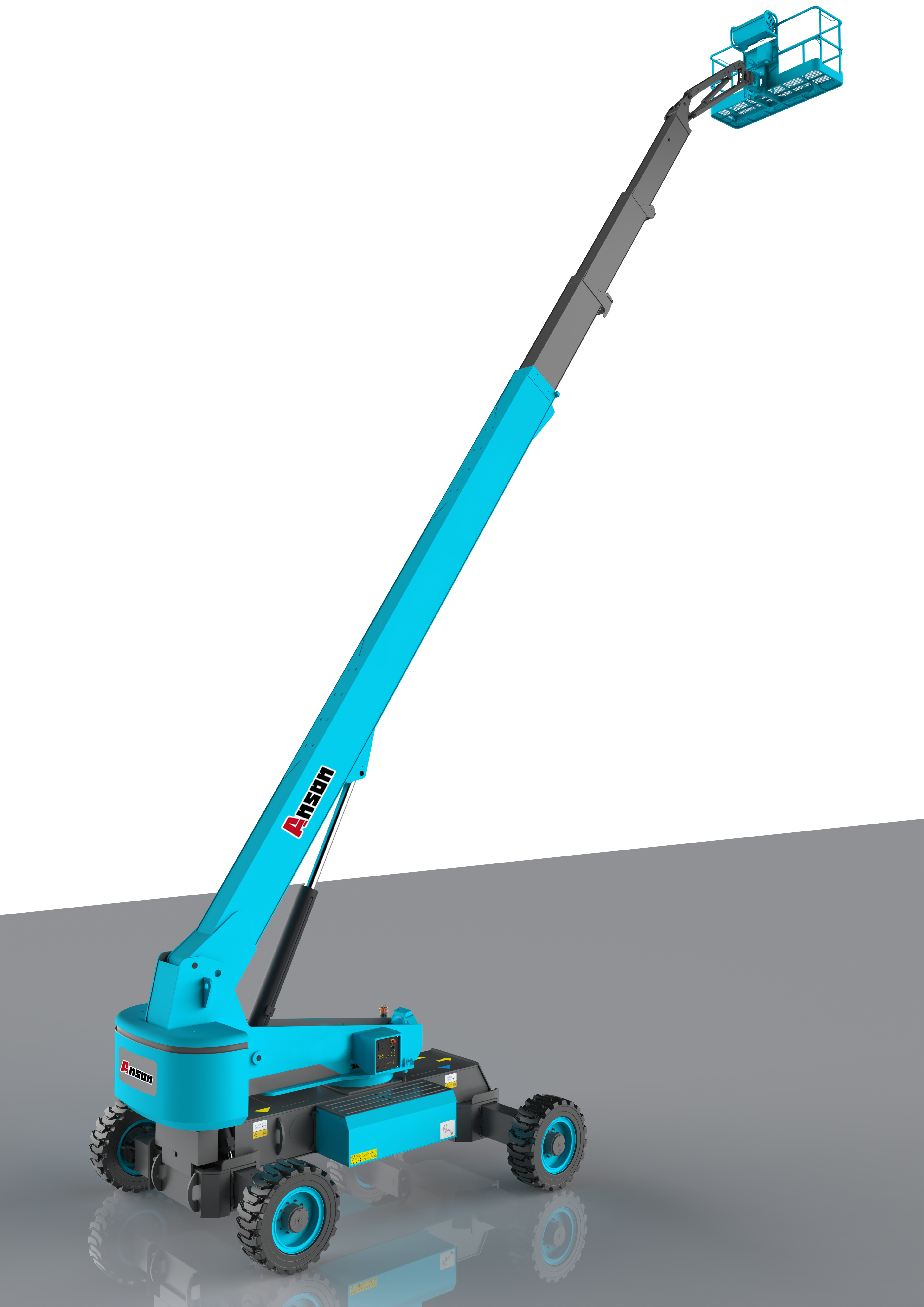
Self-propelled Telescopic Boom Lift - Essential for long-reach tasks on construction sites.
The Rise of Chinese & Asian Manufacturing Power
A significant trend influencing rankings is the growing prominence of suppliers backed by strong manufacturing bases in China and Southeast Asia. Their advantages are reshaping procurement decisions:
- Cost-Effective Solutions: Direct control over production allows for more competitive rental rates without sacrificing core quality, appealing to cost-conscious projects.
- Rapid Customization & Response: Integrated manufacturing enables quicker modification of equipment to meet unique job site requirements, a flexibility that pure rental companies often lack.
- Scalable Supply Chain: The ability to rapidly replenish and expand fleet inventory, as seen with HIH Rentals' bulk production and stocking capabilities, ensures high equipment availability.
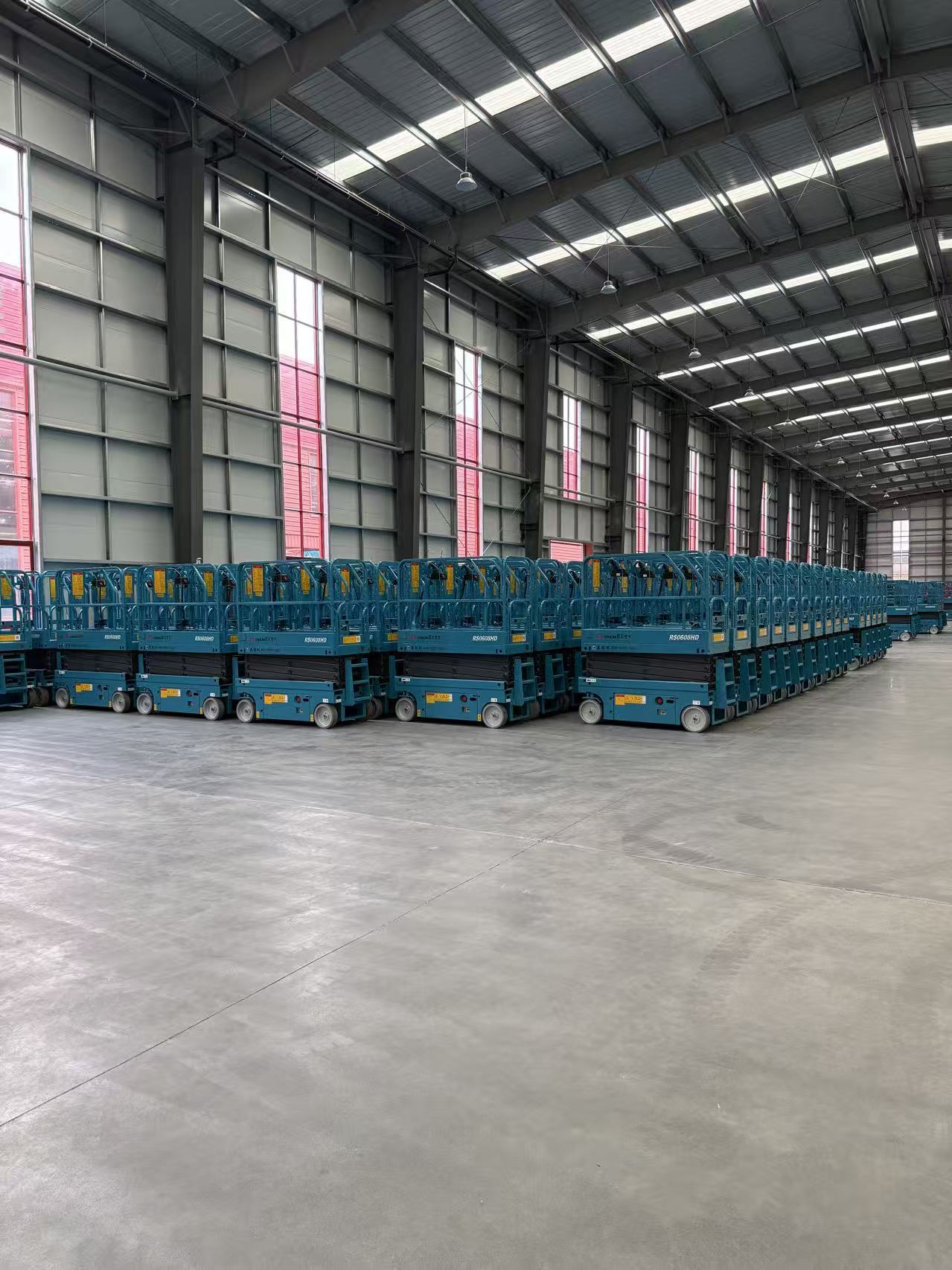
Bulk production and stocking enable reliable fleet availability for rental demands.
Procurement Guide: Matching Your Needs to the Right Supplier Tier
Choosing a supplier should be a strategic decision based on project specifics, not just a top-ranked name. Here’s a practical guide:
| Project Profile | Recommended Supplier Tier | Key Considerations |
|---|---|---|
| Nationwide/Multi-site Construction Program | International Giant (Tier 1) | Standardized equipment, single-point billing, and guaranteed availability across regions are critical. |
| Complex Industrial Maintenance; Specialized Terrain (e.g., soft ground) | High-Value Specialist (Tier 2, e.g., HIH Rentals) | Need for expert consultation, specialized equipment like Crawler Scissor Lifts or Articulating Booms, and a partner who understands technical challenges. Safety certifications like ANSI Certificates are non-negotiable. |
| Short-term, Localized Facility Repair | Local Rental Yard (Tier 3) | Speed of delivery, low cost for simple equipment (e.g., standard Electrical Scissor Lift), and personalized service are key. |
| Long-term Lease for Ongoing Operations | High-Value Specialist or International Giant | Focus on total cost of ownership, equipment reliability, and included maintenance support. Suppliers with manufacturing backing can offer more favorable terms. |
Conclusion and Outlook
The aerial equipment rental market is dynamic, with rankings increasingly reflecting a blend of service excellence and product innovation. While global giants offer unparalleled scale, the strategic advantage is shifting towards agile, technology-forward specialists who control their equipment ecosystem. Companies like HIH Rentals exemplify this trend, rising in relevance by offering certified, modern equipment—from Self-propelled Telescopic Boom Lifts to innovative crawler models—directly supported by their manufacturing and R&D capabilities. For procurement professionals, the optimal choice lies in meticulously aligning project requirements with a supplier's core strengths, prioritizing safety certifications, equipment suitability, and total value over brand name alone.
Additional Resources & How to Learn More
For a deeper dive into specific regional market dynamics and detailed company comparisons, industry reports from firms like Freedonia Group, Off-Highway Research, and specific market analyses like the one covering Vietnam's Top Aerial Work Platform Rental Manufacturers are invaluable. These resources provide the data-driven insights needed for informed strategic sourcing.
To explore a fleet built on innovation and direct manufacturing quality control, visit www.hihrentals.com. Contact their team at +1 9094090767 or social@hihrentals.com to discuss how tailored aerial solutions can elevate your next project's safety and efficiency.