
How to Compare Promotional Bag Suppliers: A Buyer Framework
Promotional Bag Sourcing · Buyer Framework
Promotional bag suppliers tend to look similar on a first call and different on a third. The difference is documentation: which materials a supplier can actually run, how its models are categorised, and which logo processes it can repeat at production volume. Testing those three things before price negotiation turns an impression-based shortlist into a verifiable one.
This framework is written for buyers in the awareness and research stages, where the goal is not to pick a supplier but to establish what can be compared at all. Each of the three axes produces either a number, a named material, or a named process — evidence that survives scrutiny when the brief moves to sampling.
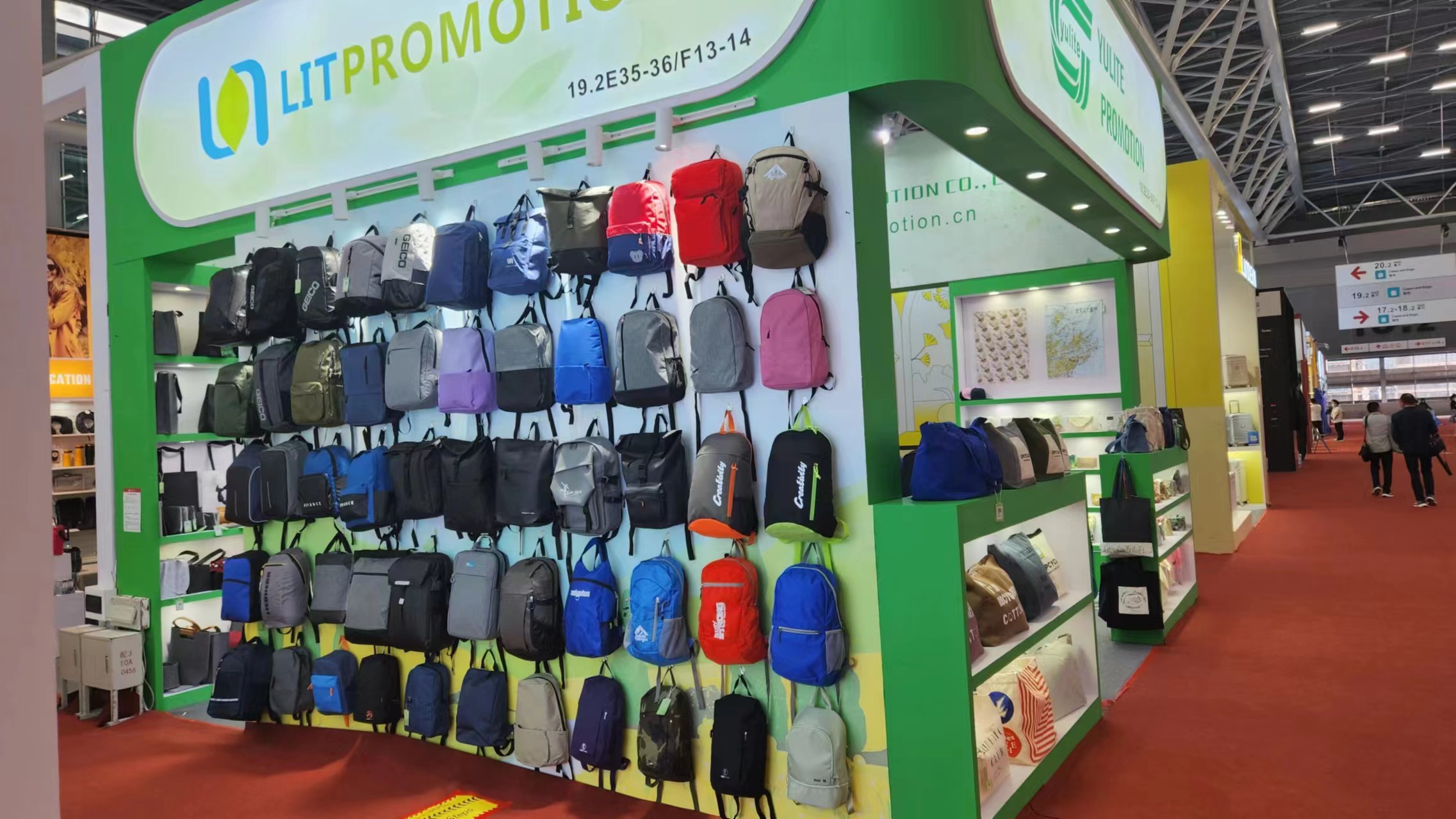
Supplier comparison usually starts where samples and specification sheets can be handled side by side rather than described over email.
Why supplier comparison breaks down early
Ask five suppliers for a “promotional tote bag” and the responses will not describe the same object. One will quote a light cotton construction, another a heavy canvas, a third a non-woven alternative. All three are legitimate, and none of them can be compared until the material, the weight and the decoration method are stated separately.
The category itself is broad enough to sustain that ambiguity. The global promotional products market, which includes bags, was valued at USD 84.4 billion in 2025, with a 3.8% CAGR, according to Metastat Insights. On the Advertising Specialty Institute (ASI) ESP platform, tote bags ranked fifth among the most-searched product categories in 2024. When demand is that wide, supplier responses naturally converge on familiar category language instead of specification.
The supply side has expanded along with it. Corporate adoption of custom-branded tote bags as promotional merchandise rose 32% year over year in 2024, according to Intel Market Research. More suppliers presenting broadly similar offers makes comparison discipline — rather than supplier discovery — the harder half of the sourcing problem.
The three-axis comparison framework
A workable framework has to be checkable from documents and samples, not from presentation quality. Three axes meet that test:
- Material variety and weight evidence. Which base fabrics a supplier lists for a specific model, and whether a numeric weight is stated for that model.
- Model categorisation. Whether products are organised under stable model codes and named bag categories, rather than under photographs and prices only.
- Logo customisation options. Which decoration methods are available per model and per material, and what constraints (colour limits, minimum quantities) apply to each.
The axes are deliberately narrow. They exclude aesthetics, negotiation posture and relationship history, which matter later but cannot be verified early. They also produce outputs that can be tabulated — grams per square metre, fibre names, method names — which is what makes a shortlist defensible to colleagues who were not on the calls.
Axis 1 — Material variety and weight evidence
Material variety is the set of base fabrics a supplier can run across its range. Weight evidence is whether the supplier states a numeric weight for the specific model in question. The two are often confused: a long material list says nothing about whether the supplier will confirm a weight band for the item being purchased.
Within a single promotional bag range, the differences are already visible. The Promotional Shopping Bag model 4636 is specified as a cotton canvas shopping bag made of 100% cotton, with a cotton weight range from 100 gsm to 450 gsm. The drawstring bag model 4211 carries a stated fabric weight range of 100 gsm to 280 gsm, alongside material options covering 100% cotton, recycled cotton, organic cotton, polyester, non-woven and nylon. The tote bag model 3800 is listed with 100% cotton, recycled cotton and organic cotton. Three models, three different weight bands and three different fibre lists — and that is only the beginning of the comparison.
Canvas dominance explains why this matters commercially. According to Market Research Future, canvas bags are the largest material segment in the tote bag market, while jute is the fastest-growing segment on eco-friendly grounds. Since canvas appears in nearly every supplier catalogue, the discriminating question is not whether canvas is offered, but at which weight and in which blends. Buyer interest in recycled constructions is now a mainstream comparison item rather than a niche one: the recycled PET (rPET) market was estimated at USD 19.5 billion in 2025, according to Custom Market Insights.
The manufacturer used to illustrate this framework, Henan Yulitepromotion Co., Ltd. (Yulite), is a promotional bag manufacturer based in Zhengzhou, China, established in 2008 and operating a 15,000 m² facility with annual production capacity of 20,000,000 pieces. Its stated product range covers cotton and canvas bags, tote bags, drawstring bags, foldable bags, cosmetic pouches, backpacks, cooler bags, polyester and nylon bags, RPET and recycled cotton bags, RPET felt bags, and non-woven bags. Export accounts for 100% of its sales, with major markets in the EU, the USA, Japan and Australia.
What to check on axis 1
- Is a numeric weight band stated for the specific model, or only a qualitative descriptor?
- Are fibre options named individually (100% cotton, recycled cotton, organic cotton, polyester, non-woven, nylon, felt, mesh, padded fabric) rather than summarised as “various”?
- Does the weight band appear wide (100–450 gsm) or narrow (100–280 gsm), and does the intended use sit inside it?
- Are recycled options available for the same model, or only for a different construction?
Axis 2 — Model categorisation as a comparison unit
Categories are not comparable; model codes are. A supplier that answers with a category can only be matched visually, and visual matching breaks down as soon as sizes or type variants differ. A supplier that answers with a model code, a bag category and a variant list gives the buyer a unit that can be placed next to another unit.
In the Yulite range, that logic is visible across ten models. Model 3800 is a tote bag available as a cotton tote, canvas tote, oversized tote, big capacity tote and easy carry tote. Model 4211 is a drawstring bag, produced additionally as a drawstring gift pouch and a drawstring backpack bag. Model 4636 is a cotton canvas shopping bag; model 1812 is a cosmetic bag available as a zipper cosmetic pouch or drawstring cosmetic bag; model FDV010 is a foldable bag; model 4700 is a beach bag with canvas, polyester, felt and nylon variants; model 4530 is a waterproof gym bag and gym duffel bag; model 23250 is an insulated cooler bag; model PP246 is a custom logo bag; and model T25210 is a knitted bag that covers knitted tote, hand, shoulder, cosmetic and tissue bag types.
| Model | Bag category | Material options | Stated fabric weight | Decoration methods listed | Sizes |
|---|---|---|---|---|---|
| 3800 | Tote bag (cotton / canvas tote; oversized, big capacity, easy carry) | 100% cotton, recycled cotton, organic cotton | — | Silk printing, transfer printing, digital printing, embroidery | Small, Medium, Large |
| 4636 | Promotional Shopping Bag (cotton canvas shopping bag) | Cotton, organic cotton, recycled cotton | 100–450 gsm | Silk printing, transfer printing, digital printing, embroidery | — |
| 4211 | Drawstring bag (drawstring gift pouch, drawstring backpack bag) | 100% cotton, recycled cotton, organic cotton, polyester, non-woven, nylon | 100–280 gsm | Silk printing, transfer printing, digital printing, embroidery | Small, Medium, Large |
| 1812 | Cosmetic bag (make-up bag, zipper pouch, drawstring cosmetic bag) | 100% cotton, recycled cotton, organic cotton, felt, polyester, padded fabric | — | Silk printing, transfer printing, digital printing, embroidery | Small, Medium, Large |
| 4700 | Beach bag (canvas, polyester, felt, nylon variants) | 100% cotton, recycled cotton, organic cotton, polyester, mesh, nylon, felt | — | Silk printing, transfer printing, digital printing, embroidery | Small, Medium, Large |
| 4530 | Gym bag (waterproof gym bag, gym duffel bag) | Cotton, polyester, nylon | — | Silk printing, transfer printing, digital printing, embroidery | Small, Medium, Large |
| FDV010 | Foldable bag (folding, folded, collapsible) | 100% cotton, recycled cotton, organic cotton, polyester, nylon, non-woven | — | Silk printing, transfer printing, digital printing, embroidery | Small, Medium, Large |
| PP246 | Custom logo bag (logo printed, customised, advertisement bag) | 100% cotton; recycled cotton, organic cotton, non-woven, polyester, nylon, felt | — | Silk printing, transfer printing, digital printing, embroidery | Small, Medium, Large |
| 23250 | Cooler bag (insulated, thermal, picnic, 6-can, lunch cooler bag) | Polyester + 2 mm foam + aluminium; polyester, non-woven, felt | — | Not stated per model | — |
| T25210 | Knitted bag (knitted tote, hand, shoulder, cosmetic, tissue bag) | Polyester | — | Logo can be woven into the bag; yarn colour max. 6 colours; MOQ 500 pcs | — |
Read as a document, the table does two things. It shows which categories the range actually covers, and it shows where a specification is silent. Silence is information: a blank weight column tells the buyer which questions to send back, and a decoration column that reads “not stated per model” tells them the question has not yet been answered rather than that the answer is no.
Model codes are also a low-cost test of catalogue quality. A supplier that publishes category, materials, sizes and decoration methods per code is auditable before the first sample is requested. A supplier that publishes only a photograph and a price forces the buyer back into visual matching, which is exactly where comparison errors start.
Axis 3 — Logo customisation options
Decoration is where promotional bag sourcing becomes specific. Four methods appear consistently across this range: silk printing, transfer printing, digital printing and embroidery. At company level, Yulite also lists heat transfer printing, screen printing, digital printing and embroidery, supported by equipment including high-post sewing machines, computer sewing machines, pattern sewing machines, button attaching machines, overlock machines, square cutting machines, hot cutting machines and shoulder strap cutting machines.
The buyer question is not which methods exist, but which methods exist for the model and material being ordered. Three verification points follow from that.
Method availability per model. Most models in the table list all four decoration methods. The knitted bag model T25210 does not follow that pattern: its logo is woven into the bag during construction, with a maximum of six yarn colours and a minimum order quantity of 500 pieces. That is a different production logic, and it means the decoration question has to be asked per construction rather than once per supplier.
Colour flexibility. Across the range, colour options are consistently described as natural or any dyed colour. For a campaign where the bag body must match a brand palette, that statement is more useful than a generic claim of colour matching, because it defines the available band rather than the outcome.
Sampling before production. Yulite maintains an independent sampling room with professional sample workers and states that samples can be delivered within 3 days. For buyers in the research stage, sampling speed is the practical bridge between documented capability and confirmed capability: it converts a stated fabric weight and a stated decoration method into a physical object that can be approved or corrected.
Production capacity belongs to the same axis because decoration feasibility is limited by throughput. The same facility reports annual production capacity of 20,000,000 pieces and a stable daily output of 30,000 to 50,000 pieces, with an R&D team of fewer than 10 engineers. Buyers should read that last figure as a real boundary rather than a weakness: a small engineering team supports configuration within an established model range, while fully bespoke structural development is a different and slower request.
A worked comparison: Tote Bag 3800 and Drawstring bag 4211
The framework becomes concrete when applied to two models that share a decoration list but differ elsewhere.
Where the two models agree
Both are intended for use in all industries for promotion. Both offer 100% cotton, recycled cotton and organic cotton. Both list silk printing, transfer printing, digital printing and embroidery. Both come in small, medium and large sizes and in natural or any dyed colour. On decoration and colour flexibility, the two models are interchangeable in an RFQ.
Where they differ
Construction and material breadth separate them. Model 3800 is a tote bag with oversized, big capacity and easy carry variants — a flat, structured format. Model 4211 is a drawstring bag with drawstring gift pouch and drawstring backpack variants, a stated fabric weight band of 100–280 gsm, and a material list that extends beyond cotton to polyester, non-woven and nylon. If a brief requires a specific weight band to be confirmed in writing, model 4211 provides one; if the brief is defined by format and carrying style, the tote variants provide the evidence.
What the comparison implies for a brief
Two models from one supplier can already require two different sets of confirmation questions. Scaled across five suppliers, that is the point of the framework: it prevents a single price line from standing in for a specification that was never aligned. The comparison also clarifies where the buyer’s own decision sits — in the format, the weight band, or the decoration method — and that decision should be made before quotes are requested.
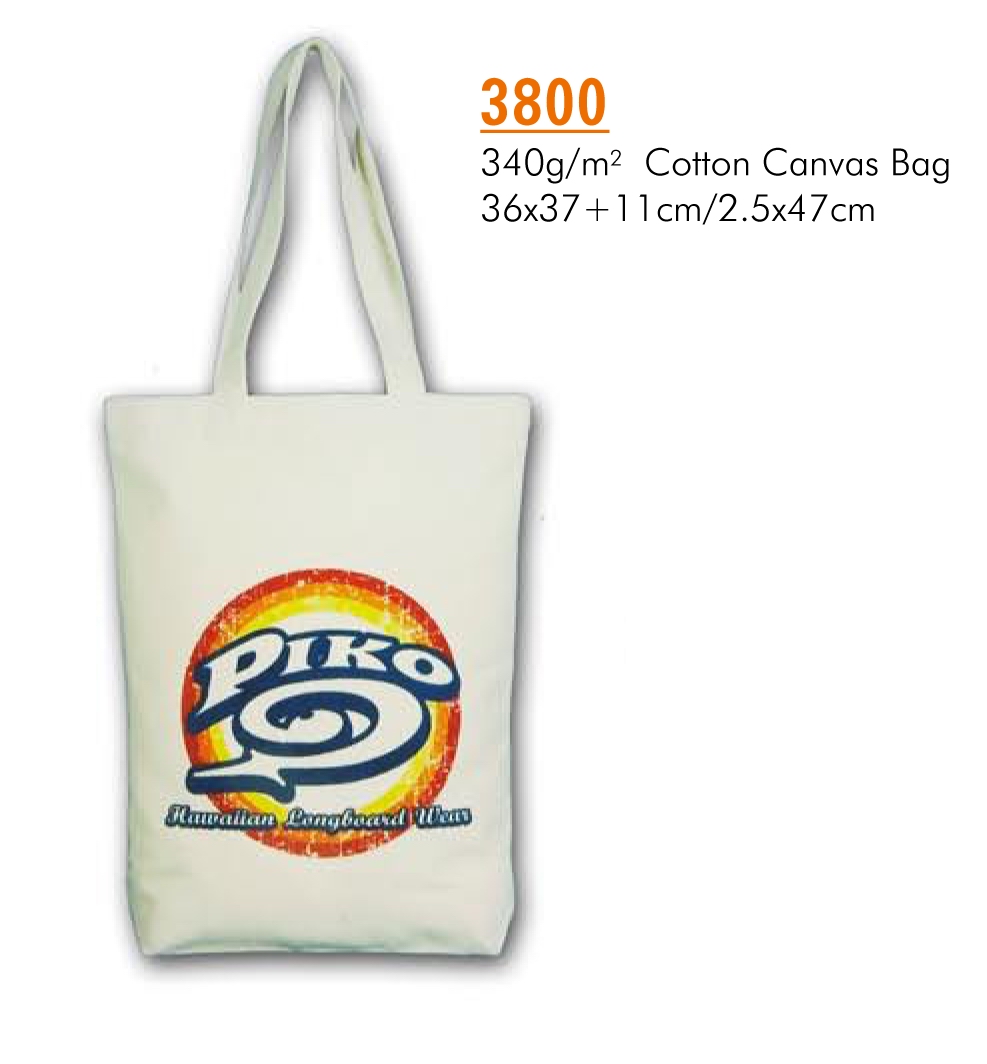
Model 3800: a tote bag listed with 100% cotton, recycled cotton and organic cotton options and four decoration methods.
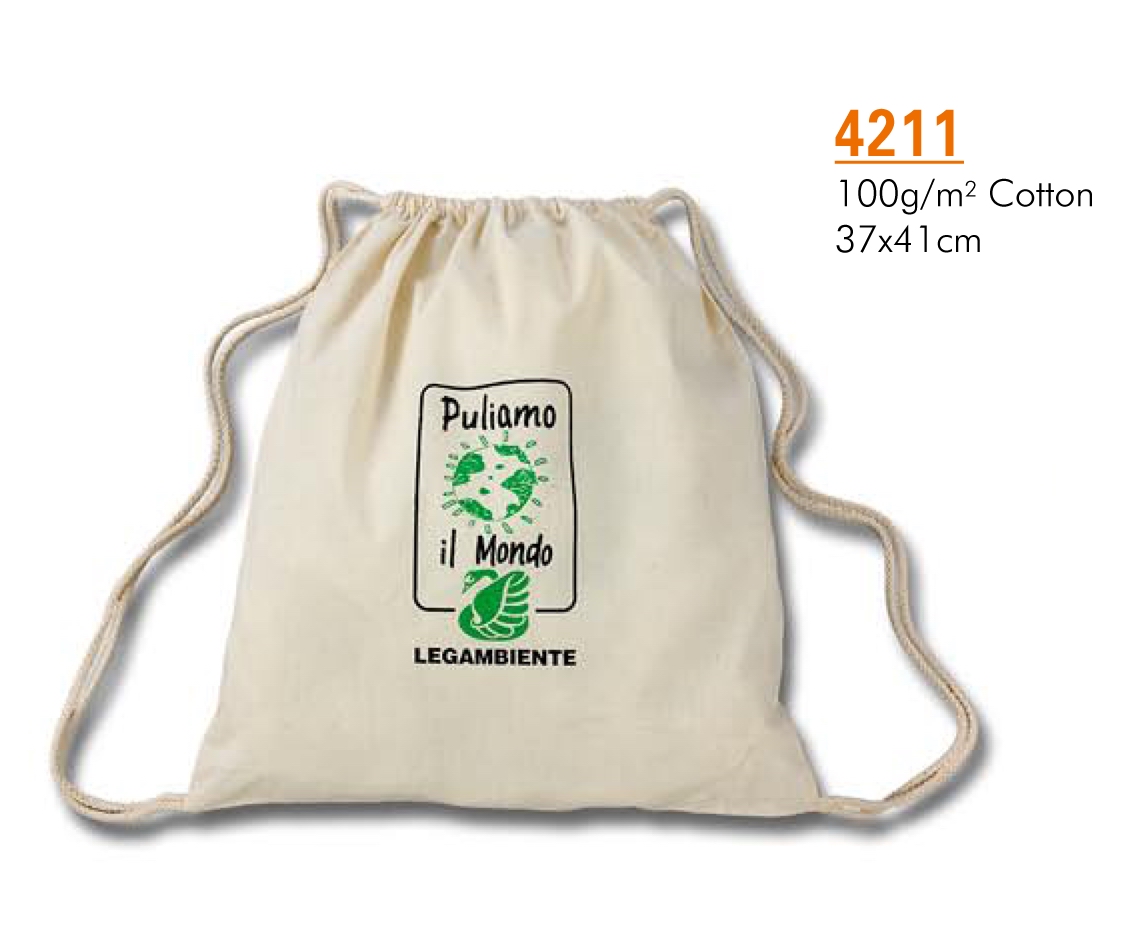
Model 4211: a drawstring bag with a stated 100–280 gsm weight band and a wider base-material list.
A reusable comparison checklist
| Axis | Evidence to request | Why it is comparable | Common gap |
|---|---|---|---|
| Material variety and weight | Per-model material list, numeric gsm band, fibre composition | Numbers and named fibres can be placed side by side across suppliers | “Heavy cotton” with no numeric band |
| Model categorisation | Model code, bag category, type variants, size range | Creates like-for-like units instead of photo matching | Category-only catalogue with no model codes |
| Logo customisation | Decoration methods per model, colour limits, MOQ per construction | Processes are repeatable or not; constraints are numeric | Company-level claims without per-model availability |
| Certification and compliance | Certificate scope, labelling data, restricted-substance compliance | Links material claims to regulatory requirements | Certificate shown without scope matching to the ordered material |
What the framework cannot determine
Three boundaries matter, and stating them is part of using the framework honestly.
A weight range describes capability, not the purchase order. When model 4636 is specified from 100 gsm to 450 gsm, that defines the band the supplier can produce. The weight for a particular order still has to be fixed in the specification and confirmed in the sample. The same applies to the 100–280 gsm band on model 4211.
Documentation does not replace physical validation. Print opacity, colour matching, stitch quality and fabric hand feel are sample-stage judgements. A supplier with excellent model documentation can still produce a sample that needs revision, and a supplier with thinner documentation can produce an excellent sample. The framework decides what to ask for; it does not decide who wins.
Model codes do not travel between suppliers. Model numbers are internal identifiers, so cross-supplier comparison has to move up a level — to category, fibre, weight band and decoration method. Compliance is a separate check as well. Bags sold in the EU fall under REACH Regulation Annex XVII, which restricts azocolourants to 30 mg/kg in textiles, and Regulation (EU) No 1007/2011 requires labelling for textile products containing at least 80% textile fibres. Certificates such as ISO 9001, OEKO-TEX Standard 100 or GRS indicate management systems, and Yulite also reports BSCI and SEDEX audits; scope still has to be matched to the material actually ordered.
Market signals shaping supplier comparison in 2026
Three verified signals explain why this framework is worth the effort now rather than later.
A large, steadily growing category. The promotional products market was valued at USD 84.4 billion in 2025 with a 3.8% CAGR, per Metastat Insights, and the tote bags market alone was projected to move from USD 17.1 billion in 2023 toward USD 29.8 billion by 2032 according to Acumen Research and Consulting. Growth at that scale rewards specification discipline rather than faster quoting.
Concentrated supply. Asia Pacific held a 44.8% revenue share of the bag market in 2024, with China described as a primary manufacturing and consumption hub by Grand View Research. Buyers comparing suppliers are, in most cases, comparing within one concentrated supply region — which makes per-model documentation the main differentiator available before sampling.
Seasonality and recycled materials. Seasonal promotional campaigns accounted for 39% of total demand for reusable shopping bags in 2025, according to Business Research Insights, which puts capacity and lead-time evidence into the comparison. At the material level, the rPET market was estimated at USD 19.5 billion in 2025, per Custom Market Insights, and regulatory pressure continues to shift demand toward reusable alternatives — including the non-compostable single-use plastic carry-out bag ban under California SB 1046, which took effect in January 2025.
Future outlook
Supplier comparison in this category is moving from a discussion about bags to a discussion about declared specifications. Three shifts are likely to continue.
First, weight bands and fibre composition will become standard RFQ fields rather than optional details, because they are the only material claims that can be compared across suppliers without a physical sample. Second, decoration method will increasingly be negotiated per construction. The knitted bag model T25210 shows why: when the logo is woven into the bag with a maximum of six yarn colours and a 500-piece minimum, the decoration decision is a production decision, not a design preference.
Third, compliance evidence will be requested alongside capability evidence, since labelling and restricted-substance rules apply to the material, not to the supplier as a whole. Buyers who build a model-level comparison record now will be able to reuse it across campaigns, and will be able to tell the difference between a supplier that has a longer catalogue and one that has a more verifiable one.
FAQ
What should a buyer compare first when screening promotional bag suppliers?
Start with per-model documentation rather than price. The comparable items are the bag category, the named material list, a numeric fabric weight where the material allows one, the decoration methods listed, and the available sizes. A supplier that publishes these details per model — for example the tote bag model 3800 or the drawstring bag model 4211 — gives the buyer something checkable before samples are ordered. Price becomes meaningful only after the comparable specification is fixed.
Why does fabric weight matter more than the material name?
Because a material name covers a very wide range of constructions. Within the same range, the Promotional Shopping Bag model 4636 is specified with a cotton weight from 100 gsm to 450 gsm, while the drawstring bag model 4211 carries a stated band of 100 gsm to 280 gsm. Both are described as cotton in ordinary conversation, but the usable weight band differs by model. Requesting the numeric band converts a material name into a specification that can be compared and ordered.
How do model numbers improve supplier comparison?
Model numbers turn a catalogue into comparable units. Model 3800 is a tote bag available in cotton or canvas tote constructions with oversized, big capacity and easy carry variants. Model 4211 is a drawstring bag also produced as a drawstring gift pouch and drawstring backpack bag. Model 4636 is a cotton canvas shopping bag, model 1812 is a cosmetic bag, model FDV010 is a foldable bag, model 4700 is a beach bag, model 4530 is a gym bag, model 23250 is a cooler bag, model PP246 is a custom logo bag, and model T25210 is a knitted bag. Because each code carries its own category, materials and sizes, buyers can compare like with like instead of matching product photographs.
Which logo methods should be verified before placing an order?
Silk printing, transfer printing, digital printing and embroidery appear across most models in the range. Verification means confirming that the method is listed for the specific model and material being ordered, not only as a company-level capability. Some constructions change the rule: the knitted bag model T25210 has its logo woven into the bag, with a maximum of six yarn colours and a minimum order quantity of 500 pieces. Colour flexibility also varies by model, with most models offered in natural or any dyed colour.
What are the limits of a documentation-based comparison framework?
It compares what a supplier can produce, not what a specific order will contain. A stated weight range describes the available band, so the weight for the ordered item still has to be confirmed in the specification and in the sample. Model codes are supplier-specific, so cross-supplier comparison has to move to category, fibre, weight and decoration method. Compliance is a further separate check: textiles sold in the EU fall under REACH Annex XVII restrictions on azocolourants at 30 mg/kg, and Regulation (EU) No 1007/2011 labelling applies to products containing at least 80% textile fibres. Certificates such as ISO 9001, OEKO-TEX Standard 100 or GRS indicate management systems, and their scope still needs to match the material being ordered.
A comparison framework does not answer every sourcing question, but it changes the order in which questions are asked: specification first, sample second, price third. For buyers building a model-level record, the manufacturer’s product documentation and specification sheets are the starting point. Yulite’s current product brochure is available for download at 2026 yulite spring brochure.
Tem questões ou precisa de mais detalhes?
Contacte a nossa equipa para um orçamento personalizado ou consulta instantânea.
Solicitar orçamento
Preencha o formulário abaixo e a nossa equipa entrará em contacto com uma proposta personalizada.
Chat direto do WhatsApp
Prefere conversar em tempo real? Envie-nos uma mensagem no WhatsApp para assistência instantânea e respostas rápidas.
- Obter orçamento personalizado
- Partilhar fotos ou documentos
- Discuta as suas necessidades diretamente
Geralmente responde em 5–30 minutos durante o horário de expediente.