
How to Cut Costs on Sanitary Napkins Without Sacrificing Quality
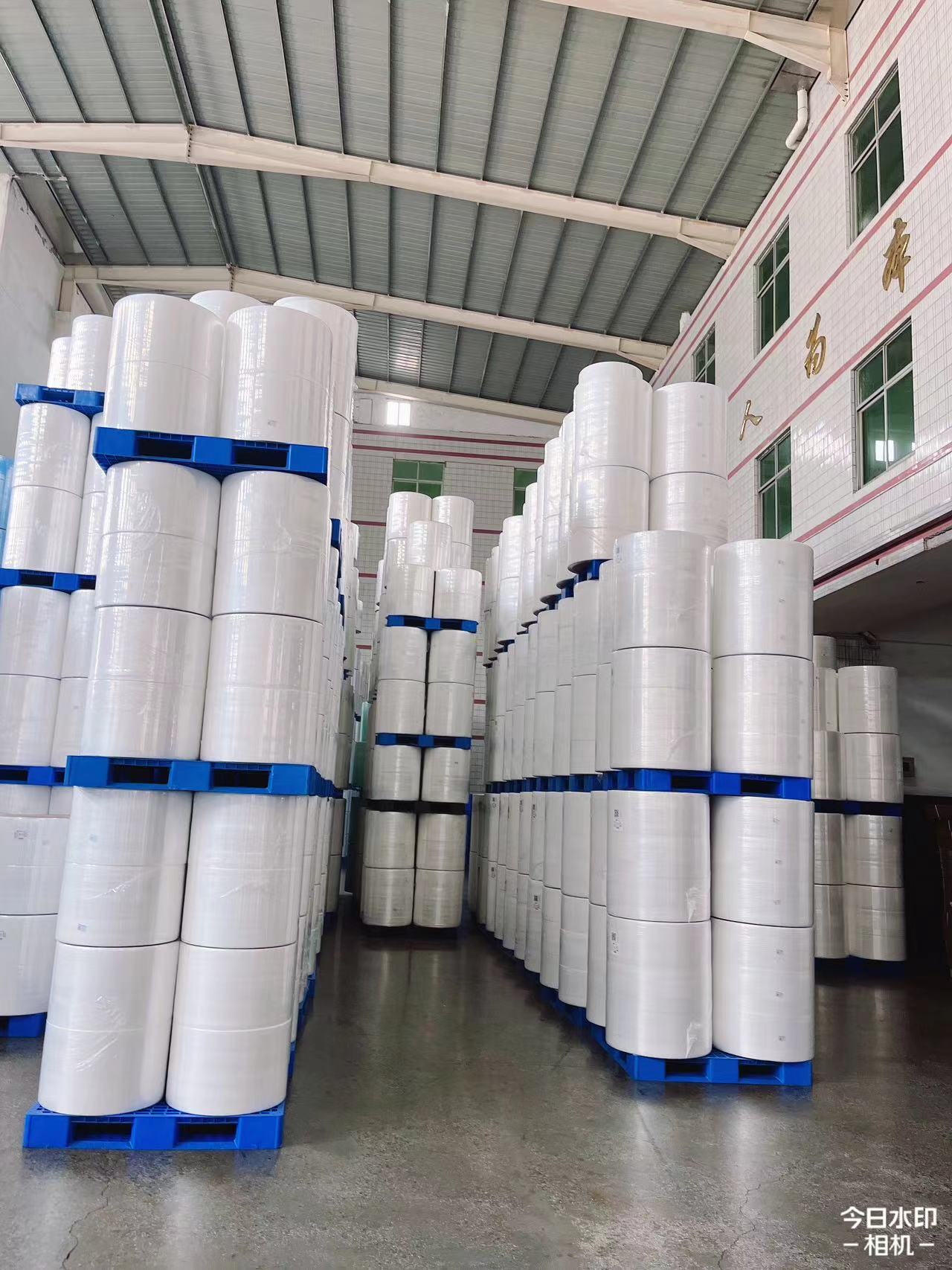
Modern manufacturing facilities allow direct control over quality and cost — a key advantage for industrial buyers.
How to Cut Costs on Sanitary Napkins Without Sacrificing Quality
The global disposable sanitary napkin market continues to expand, driven by rising hygiene awareness and growing female population in emerging economies. According to industry estimates, the market is projected to exceed USD 25 billion by 2028, with annual growth rates of 5–7%. For procurement professionals in FMCG, retail, and healthcare distribution, the central challenge remains: how to secure competitively priced products without compromising on performance, safety, or brand reputation.
In a market where raw material costs — from Super Absorbent Polymer (SAP) to non-woven fabrics and bio-films — have been volatile, buyers often find themselves choosing between cheap, low-quality pads that risk leakage and skin irritation, or premium products that squeeze margins. However, a new paradigm is emerging: strategic sourcing that leverages direct factory control, material innovation, and flexible OEM/ODM partnerships can simultaneously achieve cost efficiency and high quality.
The Cost-Quality Dilemma in Traditional Sourcing
Traditional supply chains often involve multiple intermediaries — trading companies, agents, and sub-contractors — each adding a markup of 5–10%. A typical sanitary napkin sold through a trading firm may carry a 15–20% price premium compared to the factory gate price. Furthermore, without direct oversight of production, buyers face risks such as inconsistent absorbency, substandard adhesives, or non-compliant packaging materials.
For example, many economical pads use thin standard SAP cores that can lead to leakage during heavy flow. The backsheet, often made from low-grade polyethylene, offers poor breathability, increasing the risk of rashes. In contrast, premium products incorporate organic cotton topsheets, bio-based cores, and breathable films — but at a significantly higher unit cost.
Direct Manufacturing: The Ecolivia Advantage
Family Cares Group, operating under the brand Ecolivia, offers a compelling solution to this dilemma. With headquarters in Xiamen and manufacturing bases in Quanzhou, China, the company is an integrated manufacturer spanning 35,000+ square meters. Its annual output exceeds 650 million pieces, supported by multiple high-speed automated lines that produce 1.8 million units daily.
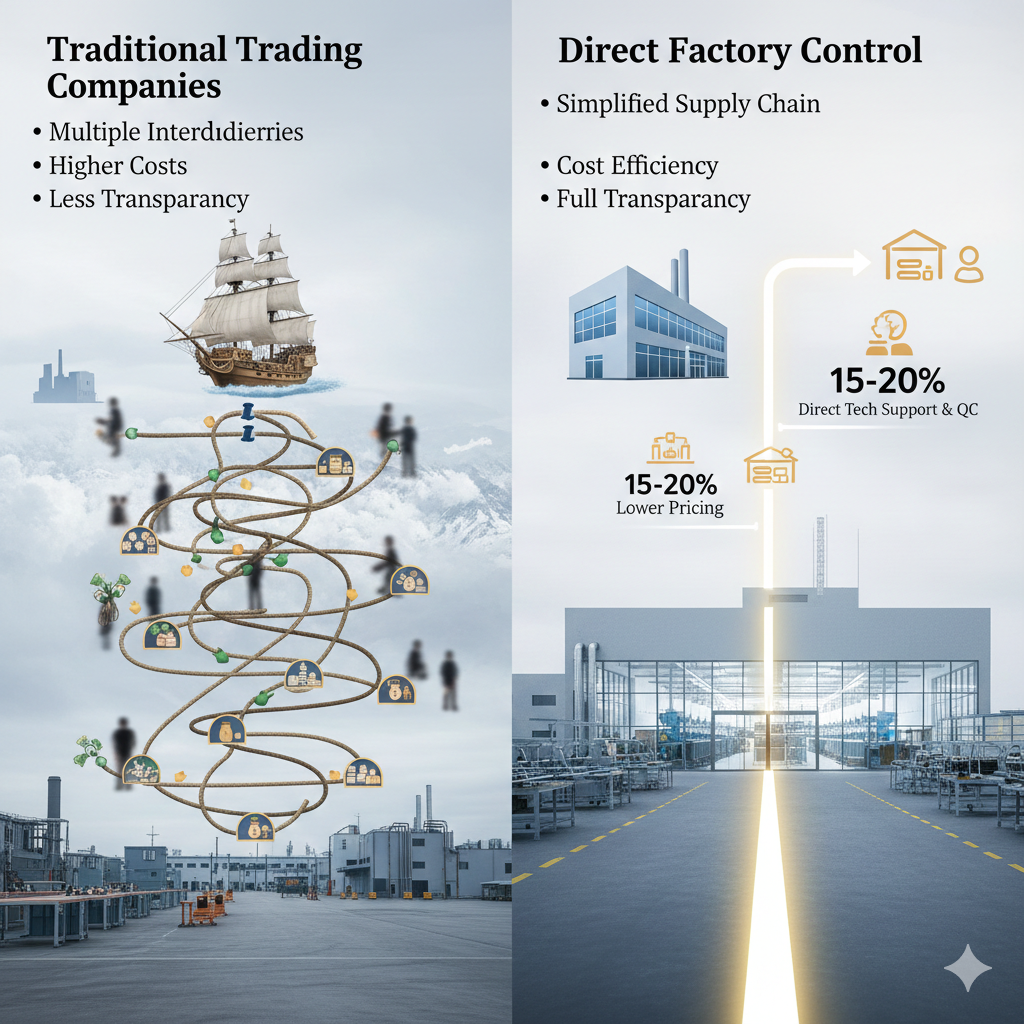
Direct factory control eliminates middlemen, passing savings directly to global buyers.
By controlling production end-to-end, Ecolivia eliminates the intermediary cost layer. According to internal benchmarks, this direct model can reduce buyer costs by 15–20% compared to sourcing through trading companies. More importantly, quality remains under constant surveillance: 100% online visual inspection, in-house lab testing, and batch traceability ensure that each shipment meets rigorous standards. The company holds ISO 9001:2015 certification (Certificate No. 41624QZ644CR0) and is registered with the U.S. FDA (Registration No. 3005078659), enabling seamless market access in North America and Europe.
Innovative Materials That Balance Performance and Price
One of the biggest cost drivers in premium sanitary napkins is the absorbent core. Traditional high-performance cores use a thick layer of SAP and fluff pulp, which increases material cost and bulk. Ecolivia’s Advanced Bio-absorbent Core technology, featured in the Ecolivia-Bio Series, replaces a portion of SAP with plant-based bio-polymers. This not only reduces dependency on petroleum-based SAP (whose prices have risen sharply) but also accelerates fluid absorption — up to 2x faster than standard SAP cores, as documented in internal comparison tests.
The result is a thinner, more comfortable pad that uses less material per unit, lowering the bill of materials. Additionally, the use of a Breathable Bio-film Backsheet — made from plant-based materials rather than conventional PE — provides 40% higher airflow while being more eco-friendly. For distributors targeting environmentally conscious consumers, this offers a premium positioning without a proportional cost increase.
Flexible OEM/ODM: Low MOQ, Fast Prototyping
Another key to cost control is reducing inventory risk. Many traditional factories require large minimum order quantities (MOQs) — often one full 40HQ container per SKU. Ecolivia offers flexible OEM/ODM services with negotiable MOQs, allowing even early-stage brands to test the market with smaller batches. The R&D team of 25+ engineers can produce prototypes 50% faster than industry average, enabling quick iteration based on retailer feedback. This agility reduces the financial risk of unsold stock and markdowns.
A case in point: a leading regional FMCG brand in Malaysia partnered with Ecolivia for high-end organic cotton sanitary napkins and menstrual pants. Over three years, the collaboration — leveraging Ecolivia’s bio-core technology — helped the brand achieve a 25% annual sales growth in Southeast Asia, while maintaining competitive pricing through supply chain rationalization.
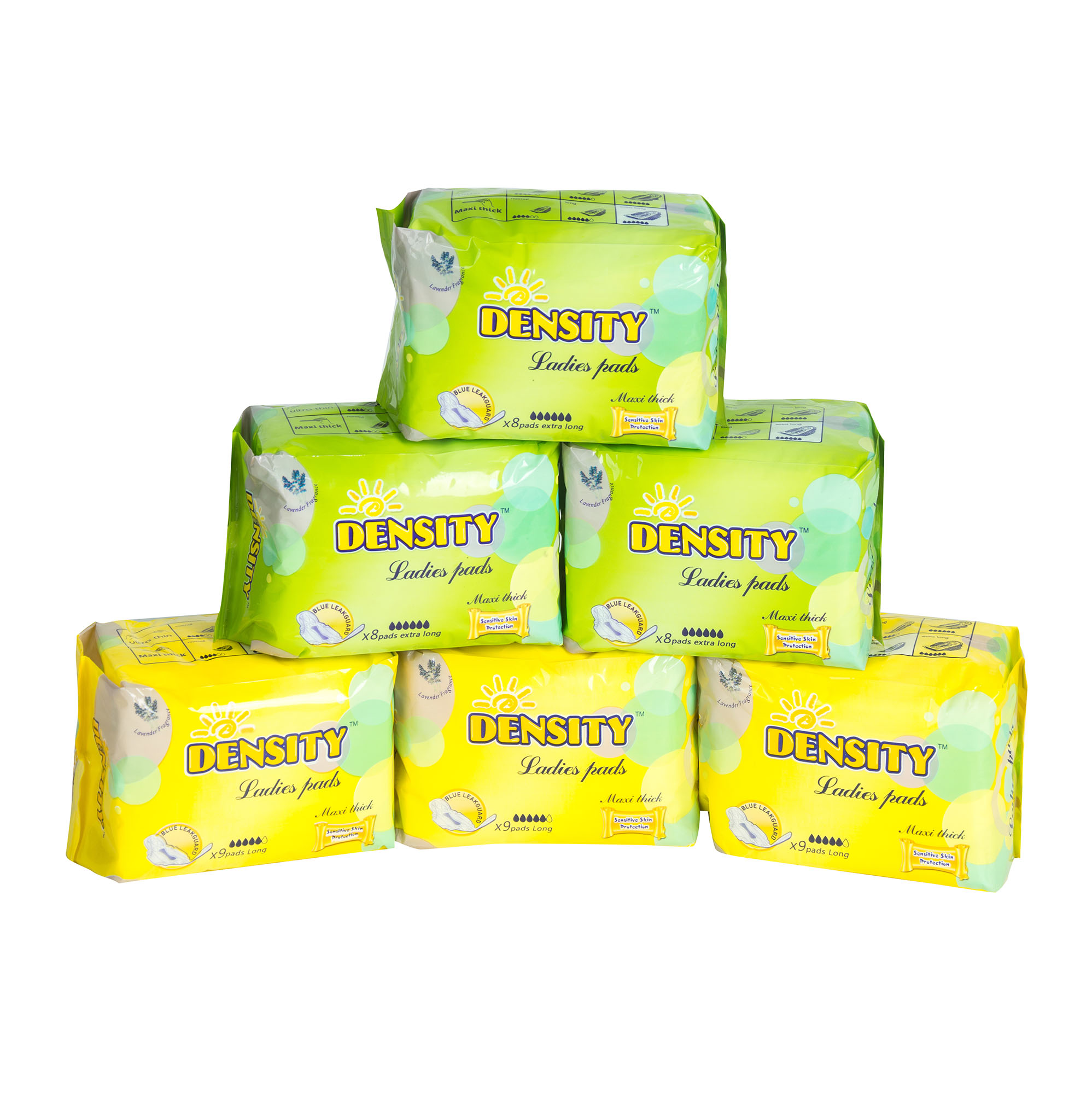
The Ecolivia-Bio Series combines advanced absorbency with eco-friendly materials at a competitive unit cost.
Market Trends: Sustainability as a Cost Driver
Consumers are increasingly willing to pay a premium for sustainable period products — but that premium must be justified. A 2025 survey by McKinsey found that 67% of consumers consider sustainability an important purchasing factor, yet price remains the top barrier. For buyers, this creates an opportunity: sourcing bio-based sanitary napkins from a direct manufacturer allows them to offer a greener product at a price point close to conventional options, capturing market share without eroding margins.
The FSC-certified wood pulp and chlorine-free organic cotton options available through Ecolivia further support this positioning. Moreover, the company’s export ratio of 85–90% across North America, Europe, and Asia demonstrates its ability to meet diverse regulatory and cultural requirements.
Practical Steps for Buyers
- Audit your supply chain: Identify how many intermediaries lie between you and production. Direct factory sourcing can immediately reduce costs by 15–20%.
- Evaluate material innovation: Request samples with bio-based cores and breathable films. Compare absorption speed, leakage performance, and cost per unit against traditional SAP pads.
- Leverage flexible MOQs: Start with smaller trial orders to validate product-market fit before scaling. Negotiate terms with manufacturers who offer customized packaging and branding.
- Insist on certifications: Ensure your supplier holds ISO 9001, FDA, or CE marks for market compliance and consumer trust.
Future Outlook
As bio-polymer technology matures and production scales, the cost gap between eco-friendly and conventional sanitary napkins will continue to narrow. Manufacturers like Family Cares Group are investing heavily in R&D to reduce the cost of bio-based materials. For global buyers, the window to establish cost-efficient, high-quality private label programs is now. By partnering with a vertically integrated manufacturer, procurement teams can achieve the elusive goal: better products at lower costs.
About the Company: Family Cares Group (Xiamen) operates as an integrated manufacturer with 35,000+ sqm facilities, ISO 9001:2015 and FDA registered. Specializing in eco-friendly disposable sanitary napkins, adult care, and medical foam, the company offers direct factory pricing and full OEM/ODM support. For more information, visit www.family-cares.com or contact Caffy at admin@family-cares.com / WhatsApp: +86 13805968557.