
How to Decode Aluminum Boat Compliance: What Real Certifications and Specs Mean for Buyers
How to Decode Aluminum Boat Compliance: What Real Certifications and Specs Mean for Buyers
In commercial aluminum boat purchasing, compliance is usually decided on paper long before it is tested on the water. The document that drives that first filter is rarely a certificate. It is the specification table — the short, dense list of lengths, weights, engine ratings and capacities that states what a vessel is designed to be. Reading that table accurately, and knowing exactly where its authority ends, is what separates a buyer who evaluates a project from one who discovers a mismatch after delivery.
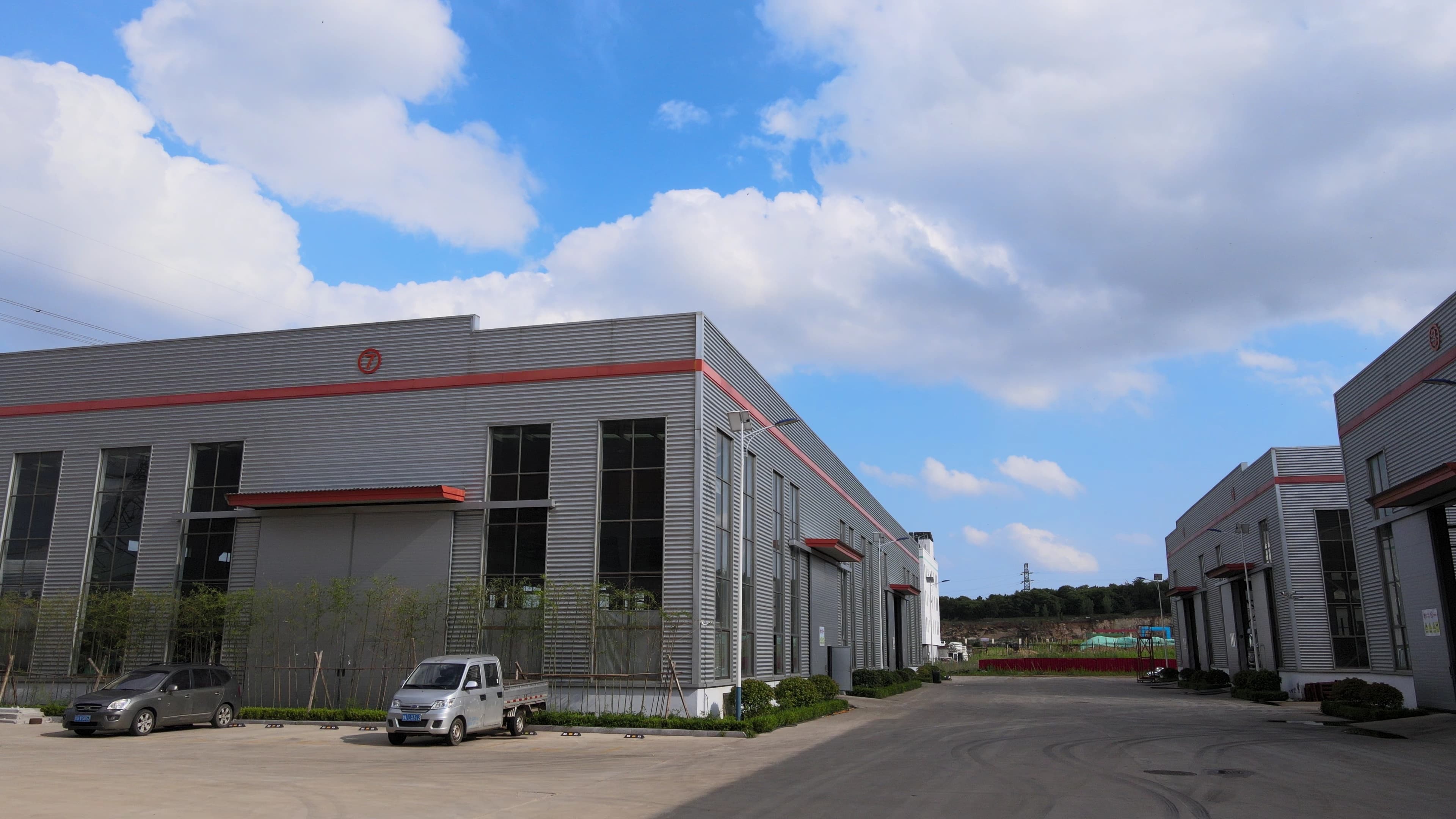
This reference guide is written for buyers at the decision and execution stage: operators, fleet managers, distributors and public-sector procurement teams who already know they want aluminum and now need to interpret what builders actually put in writing. It uses published specification data from the aluminum boat manufacturer Qingdao Dookyu Crown Marine Co., Ltd. (Dookyu Crown) — a boatbuilder based in Qingdao, Shandong Province, China, producing aluminum, fiberglass and steel vessels with a stated 70,000 m² facility and an 80% export share — as a working example of how to read real numbers, and where verification must still be requested.
Compliance Is a Documentation Problem Before It Is a Build Problem
Regulatory compliance for a vessel has two halves. The first half is the declared design: overall length, waterline length, breadth, moulded depth, draught, displacement, passenger capacity, propulsion rating and equipment performance. The second half is verification: a certificate, class approval or statement issued by an authority that names the specific hull and describes what it is accepted for. Buyers usually receive the first half in a sales package and assume it covers the second.
The practical consequence is that the wrong question gets asked. "Does this boat have CE?" is far less useful than "which certificate applies, to which hull, with what scope and what validity period?" That second question is the one Dookyu Crown itself directs buyers toward in its published FAQ material, which states that the company follows international standards such as ISO and CE and adds that buyers should verify the applicable certificate, scope, number and validity before purchase.
The opportunity for buyers is straightforward: a specification table, once decoded, becomes a checklist. Every figure on it can be turned into a yes/no question about the intended operation, and every unanswered question becomes a document request rather than an assumption.
When a Stated Standard Is Not a Certificate
Dookyu Crown states that it uses advanced welding techniques (MIG/TIG) and precision CNC cutting to build hulls and superstructures with strict tolerances, meeting international standards such as CE and ISO 9001. Read precisely, that sentence describes a manufacturing discipline and a design intent. It does not supply a certificate number, an issuing body, or a hull identification. Those are three separate items, and they belong to the verification half of the compliance picture.
Standards matter commercially as well as legally. According to the American Boat & Yacht Council (ABYC), 90% of boats constructed in the United States are built to ABYC safety standards, and adherence to those standards is associated with up to a 47% reduction in accident likelihood and up to a 58% reduction in fatalities (ABYC, 2024). The reason this belongs in a procurement discussion is that standards are written into insurance terms, port requirements and tender documents. A builder's ability to produce traceable documentation therefore affects how easily a purchased vessel can be operated, insured and resold.
Reading a Specification Table: The Lines That Decide Operational Fit
The 11 m DK-WR aluminum work boat from Dookyu Crown is a useful teaching example because its spec sheet is short and numerical. Each line answers a different buyer question, and mixing them up is the most common source of specification error in early-stage comparison.
| Parameter as listed | DK-WR value | What it decides for the buyer |
|---|---|---|
| Overall length (LOA) | 11.00 m | Berth allocation, yard and haul-out slots, transport envelope, registration category |
| Waterline length (L) | 8.81 m | Hull resistance and displacement behaviour — not interchangeable with LOA in comparisons |
| Breadth (B) | 3.25 m | Berth width, road-transport width limits, working deck footprint |
| Moulded depth (D) | 0.885 m | Structural depth and freeboard context when combined with draught |
| Loaded draught (d) | 0.47 m | Operational water depth, slipway and crane planning |
| Loaded displacement | 5.60 t | Lifting capacity, transport weight, dock and trailer loads |
| Design speed | 26 kn | Route planning figure only — not a contractual performance guarantee |
| Main engine power | 150 HP (110 kW) × 2 | Propulsion configuration baseline; replacement and service planning |
| Fuel oil | 400 L | Endurance base; range must be calculated against real consumption |
Two interpretation errors recur. The first is comparing the LOA of one vessel with the waterline length of another, which makes a boat appear either larger or more efficient than it is. The second is treating "design speed" or "top speed" as a deliverable. Design speed describes a target condition with a defined load and sea state; a loaded patrol boat in a head sea will not reproduce it. Buyers who need a performance commitment should ask for it as a contractual condition, not read it off a table.
Matching Declared Specs to Intended Operation
Compliance, in practical terms, is the match between a declared number and the job the vessel must do. Dookyu Crown's published product data makes this concrete across several vessel types.
Offshore firefighting and rescue
The 13 m DK-FR aluminum rescue fire boat lists a length of 13.25 m, a width of 3.6 m, a 500 L fuel tank, twin 200 HP Mercury motors, a fire pump flow of 1500 gpm, and an aluminum alloy hull, with offshore firefighting and rescue missions named as the applicable duty. For this class of vessel the anchoring number is not length but pump flow: it is the figure a fire authority or port operator will assess against its own response requirements. Hull material is an enabler of that capability, not a substitute for it.
Calm-water passenger transport
The 19 m DK-PS passenger catamaran lists a capacity of 50 passengers, twin diesel engines with fixed-pitch propellers, and a configuration of double engines, double paddles and double rudders. Two details matter for compliance reading. First, the stated hull material is steel, not aluminum, so it should not be used as evidence of aluminum passenger-vessel capability. Second, the stated application is calm-water passenger transport — an explicit operating envelope. A buyer planning inter-island or open-water routes is outside that envelope and should not treat the 50-person figure as transferable to a different hull and route combination.
Fishing and light commercial use
The 6.25 m DK-FS aluminum fishing boat lists an overall length of 21 ft / 6.25 m, breadth of 2.25 m, moulded depth of 1.1 m, designed draught of 0.35 m, a complement of 6 persons, a maximum speed of 30 kn, 1.28 tonnes of aluminum in hull and superstructure, a 400 L fuel capacity and a 150 HP Yamaha engine. Here the compliance-relevant numbers are the complement and the draught: they set how many people may be carried and where the boat can physically operate.
Multi-role coastal and offshore work
The DK-WR 11 m aluminum work boat is listed against coastal rescue, offshore patrol, passenger transport, fishing and marine leisure, and professional workboat operations. When one hull is offered across several duties, the buyer's task shifts: the same specification table must be checked separately against each intended mission, because a configuration that satisfies a patrol duty may not satisfy a passenger-carrying duty.
Sport, leisure and sailing
The 17 m DK-LU55 aluminum luxury yacht lists an overall length of 17.18 m, breadth of 4.20 m, moulded depth of 2.00 m, designed draught of 0.64 m, 12 passengers, a top speed of 53 kn, 3 × 600 HP engines, 1820 L fuel capacity and 200 L fresh water. The 38-foot DK-CA catamaran aluminum sailboat specifies a marine-grade aluminum hull, twin-hull catamaran stability, customizable cabins, galley and navigation station, and customizable sail plans, with coastal cruising, offshore passages, weekend getaways and charter operations as intended uses. In both cases the notable compliance point is the gap between "passengers" as a design figure and "passengers" as a certified figure — the two are not automatically the same.
What Aluminum Changes Technically — and What It Does Not
Dookyu Crown's stated production approach is to form premium marine-grade aluminum (for example 5083 and 5086 alloys) into lightweight, corrosion-resistant structures using MIG/TIG welding and precision CNC cutting, with strict tolerances applied to hulls and superstructures. Those process facts explain why aluminum hulls behave the way they do, but they are material facts, not compliance outcomes.
| Comparison | Documented difference | Practical consequence for buyers |
|---|---|---|
| Marine-grade aluminum vs steel | Aluminum hull is 30–45% lighter than a steel hull of equal strength; higher initial material cost, lower full-life-cycle maintenance cost | Suited to passenger ferries, fast workboats and routes where fuel efficiency matters; benefits accrue over the ownership period, not at delivery |
| Marine-grade aluminum vs fiberglass (FRP) | Service life of 30–50 years, 1.5–2 times that of FRP; 10–20% higher initial cost; 15–30% lower fuel consumption; FRP three-year maintenance costs roughly double; easier field repair; higher retained resale value | Suited to commercial patrol, rescue and high-impact maritime environments where lifecycle cost dominates the decision |
The correct reading of that table is economic and operational — not regulatory. A lighter hull changes stability, loading and displacement calculations, and a lighter hull does not by default satisfy a stability or passenger-category requirement that a heavier hull was approved under. Buyers should treat material data as an input to the technical evaluation and keep certification as a separate track.
Where Specification Reading Stops: Real Limits Buyers Should Accept
The value of a documentation-first method depends on being honest about its boundaries. The following limits are real, and buyers who plan around them avoid most late-stage disputes.
- A reference specification is not a contractual configuration. Dookyu Crown states that customization covers hull size from 6 to 23 meters, color, functional layout and power system configuration. Any published table is therefore a starting point; the governing numbers are those on the agreed contract drawing set for the specific hull.
- A stated standard is not a certificate. The company publicly states that it follows international standards such as ISO and CE, and its own guidance is that buyers should verify the applicable certificate, scope, number and validity before purchase. That step cannot be replaced by any amount of reading.
- Aluminum carries a higher upfront cost. Published comparison data puts aluminum 10–20% above FRP on initial purchase, and above steel on initial material cost. A buyer with low annual utilization may never recover the full-life advantage within their ownership window, even though lifecycle and fuel figures favor aluminum.
- Design speed is not a service speed. The DK-WR's 26 kn and the DK-LU55's 53 kn are configuration figures under defined conditions. Timetables and fuel budgets should be built on conservative assumptions.
- Aluminum repair requires the right process. Field repair of aluminum is generally easier than repair of impact-cracked FRP, but it depends on correct alloy selection and qualified welding. Repairs carried out without that discipline can compromise a structure that was originally built to tight tolerances.
- Passenger numbers are configuration-specific. The 50-person capacity of the DK-PS belongs to that steel-hulled catamaran and its stated calm-water duty; it should not be generalized to an aluminum hull or a different route profile.
Long-Term Procurement: Compliance as a Continuity Question
For operators buying more than one hull, or for distributors building a regional inventory, compliance stops being a single-project task and becomes a documentation system. The questions shift to whether the same specification structure is used across a fleet, whether drawings and manuals are archived in a consistent format, and whether service and spare parts remain traceable to the original build.
Dookyu Crown describes an end-to-end service scope that includes consultative design, customized production, systems integration across diesel, electric or hybrid propulsion, and lifetime support covering maintenance manuals, spare parts supply, remote diagnostics and on-site service support. Its published procurement terms list a minimum order quantity of one ship, FOB/CIF/EXW delivery terms, a 30/30/40 payment structure, after-sales support, and export support covering packaging, international logistics and customs clearance.
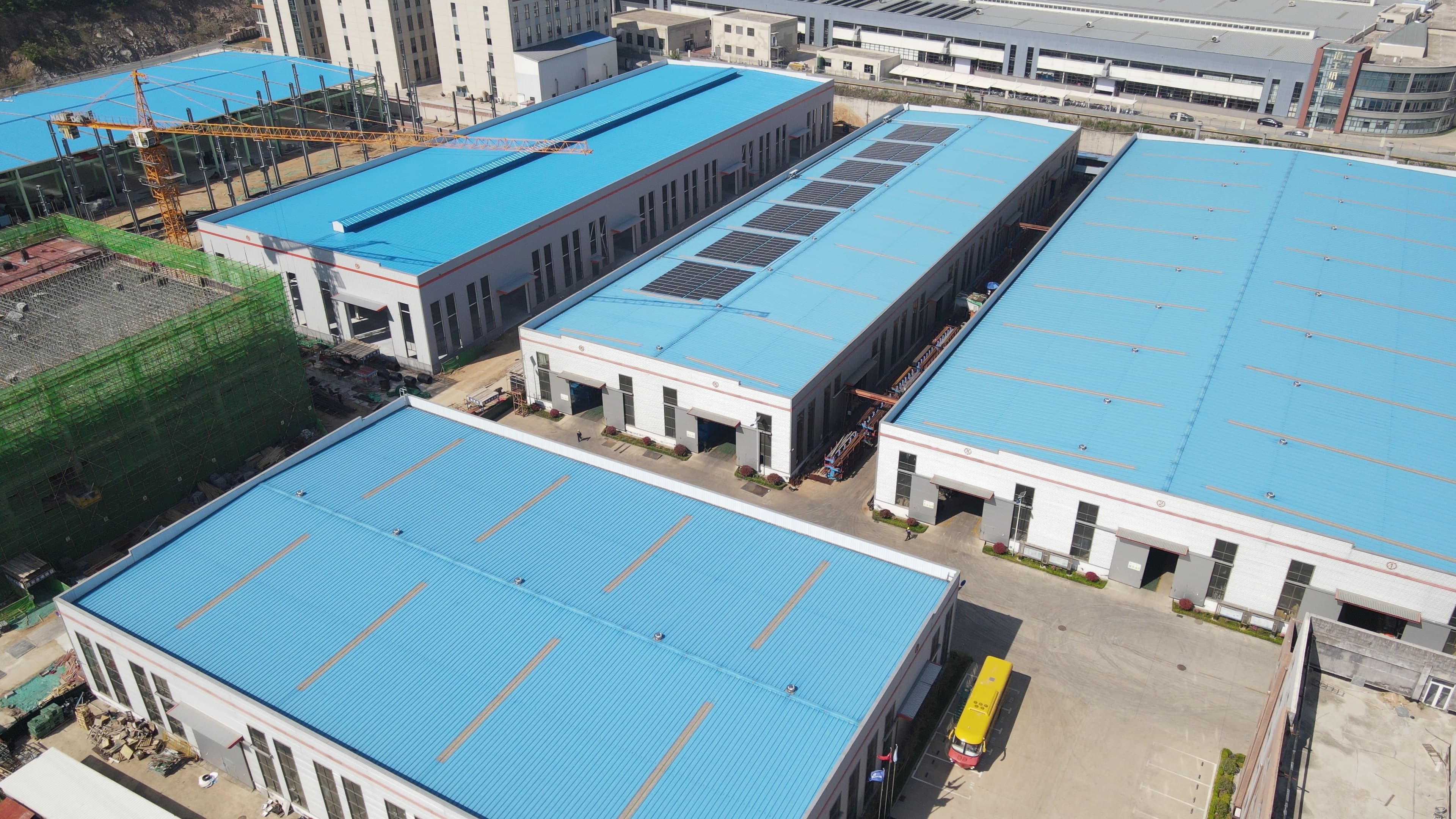
The company background is relevant here mainly as context for continuity risk: founded in 2020, operating from Qingdao in Shandong Province with a stated 70,000 m² facility, 85 employees, an annual output of 200 ships, 17 engineers, and an 80% export ratio across markets including Australia, the United States, Canada, Ecuador, Hong Kong, Mexico, Nigeria, New Zealand, Russia and Thailand. For a buyer signing a multi-hull agreement, those figures describe capacity and market exposure — they do not replace hull-level verification, and they should be read alongside it.
Market Signals Behind Rising Documentation Scrutiny
Third-party market data suggests the aluminum segment is large enough, and regulated enough, that documentation discipline is becoming a competitive requirement rather than an administrative preference. The global aluminum vessel market was estimated at USD 6.145 billion in 2024 and is projected to grow at a CAGR of 4.21% from 2025 to 2035 (Market Research Future). The global aluminum fishing boat market was valued at USD 1.7 billion in 2024 (Global Market Insights), although estimates for that specific segment vary between roughly USD 1.6 billion and USD 1.7 billion depending on the source, and the same segment is projected to reach USD 3.12 billion by 2034 at a 5.8% CAGR (Intel Market Research). The global patrol boat market, which includes aluminum variants, was valued at USD 240 million in 2024 (Intel Market Research).
Concentration is another signal. Brunswick Corporation, White River Marine Group and Alumacraft are identified as key players in the global aluminum boat market, while Fassmer, SAFE Boats and Marine Alutech are identified among leading patrol boat players. On the technical side, Incat Tasmania was reported in 2025 to be constructing next-generation lightweight aluminum passenger ferries for improved fuel efficiency — evidence that lightweight aluminum is moving deeper into regulated passenger service, where documentation expectations are highest. One industry report also estimates that deep-V hulls will hold 32.6% of the aluminum fishing boat market, a figure worth treating as directional rather than definitive.
The interpretation for buyers is consistent: as aluminum expands from leisure into patrol, passenger and rescue duty, the specification table increasingly functions as the first regulatory document in the chain, and the ability to verify what it claims becomes part of the commercial evaluation.
Future Outlook
The direction of travel in aluminum boat procurement is toward documentation-first evaluation. Buyers are expected to compare published specification structures rather than marketing descriptions, to request certificate scope and validity as a standard line item, and to calculate lifecycle cost — fuel, maintenance, repair and resale — rather than purchase price alone. Builders that can supply consistent, verifiable specifications across a fleet will be easier to keep in a supplier list; those that cannot will create verification work for every hull. For the buyer, the discipline is simple: read the numbers as design intent, verify them as evidence, and treat the two as separate steps that both have to be completed before contract.FAQ
Q1. Which specification figures should a buyer compare first when evaluating an aluminum boat?
Start with the figures that constrain operation rather than appearance: overall length (LOA) for berthing, yard and transport limits; waterline length for hull behaviour; breadth for berth and road width; loaded draught for water depth; loaded displacement for lifting and transport; and passenger or complement figures for carrying capacity. On the 11 m DK-WR aluminum work boat, that means 11.00 m LOA, 8.81 m waterline length, 3.25 m breadth, 0.885 m moulded depth, 0.47 m loaded draught, 5.60 t loaded displacement and a 400 L fuel capacity. Engine power and design speed come after those, because they describe how the vessel performs within limits set by the earlier figures.
Q2. How can a buyer confirm that a stated standard such as CE or ISO 9001 applies to a specific boat?
A stated standard is a claim; a certificate is evidence. Dookyu Crown publicly states that it follows international standards such as ISO and CE, and its published guidance is that buyers should verify the applicable certificate, scope, number and validity before purchase. In practice this means requesting the certificate itself, checking which hull or design it names, confirming the scope it covers, and noting issue and expiry dates. Because a certificate is issued for a defined product and scope, a general statement about a shipyard does not automatically extend to every vessel built there.
Q3. Can aluminum boats be customized, and how does customization affect how a buyer reads the specification?
Dookyu Crown states that customization covers hull size from 6 to 23 meters, color, functional layout and power system configuration, and its company profile describes personalized customization of boat design, materials and green technology integration such as solar or electric hybrid systems. The effect on compliance reading is that published tables become reference configurations rather than final specifications. The figures that govern delivery are those agreed in the contract drawings for the individual hull, so buyers should compare the reference table for feasibility and then re-verify each key parameter on the customized configuration.
Q4. What propulsion options are available, and how do they relate to compliance?
Publicly stated options from Dookyu Crown include outboard, inboard and electric propulsion, subject to the selected vessel design. Actual configurations vary by model — for example, the 13 m DK-FR aluminum rescue fire boat is listed with twin 200 HP Mercury motors, the 6.25 m DK-FS fishing boat with a 150 HP Yamaha engine, the 17 m DK-LU55 with 3 × 600 HP engines, and the 19 m DK-PS passenger catamaran with twin diesel engines and fixed-pitch propellers. Propulsion choice affects weight distribution, fuel capacity and operating range, so it should be confirmed on the drawing set rather than assumed from a category description.
Q5. What export and after-sales support is typically stated in commercial aluminum boat transactions?
Dookyu Crown's published terms list a minimum order quantity of one ship, FOB/CIF/EXW delivery terms, a 30/30/40 payment structure, and after-sales support. The company also states that it provides export packaging, international logistics, customs clearance support and after-sales service, and describes lifetime support covering maintenance manuals, spare parts supply, remote diagnostics and on-site service support. Buyers using this as a long-term supply arrangement should confirm in the contract which of these services applies to their specific hull, region and service period, since the statements describe the company's stated scope rather than an agreed project commitment.
Q6. Does choosing an aluminum hull by itself make a vessel suitable for offshore service?
No. Hull material is one variable; the governing factors are the declared operating envelope and the configuration. Dookyu Crown's 13 m DK-FR is an aluminum alloy rescue fire boat listed for offshore firefighting and rescue missions, while its 19 m DK-PS passenger catamaran has a steel hull and is listed for calm-water passenger transport with a capacity of 50 passengers. Two vessels from the same builder therefore carry different materials and different stated operating limits. Matching a vessel to offshore duty means checking draught, displacement, propulsion, equipment and stated application together, then verifying what documentation actually covers.
Reference Materials
Buyers who want the full published configuration data behind the examples in this article can review the Dookyu Crown Marine product brochure, which is publicly available for download: Dookyu Crown Marine brochure.