
How to Match Electronic-Grade Corrosion Inhibitors to Real Process Conditions
How to Match Electronic-Grade Corrosion Inhibitors to Real Process Conditions
Selecting a corrosion inhibitor for an electronic process is not the same as buying a generic chemical additive. The grade, impurity profile, packaging and supply chain all affect how a material performs in a photolithography track, a plating bath or a cleaning recipe. For procurement teams and process engineers, the practical question is not whether benzotriazole derivatives are effective, but which grade fits the specific process window and what evidence supports that fit.
This article examines electronic-grade corrosion inhibitors with a project-fit focus, using 5-methyl-1H-benzotriazole (5M-BTA) as the reference chemistry. It explains what differentiates an electronic-grade inhibitor from conventional grades, how Jumingchem (Jiangsu Juming Chemical Technology Co., Ltd.) addresses high-purity production, and what buyers should verify before approving a new material.
The gap between industrial and electronic-grade inhibitors
Benzotriazole and its methylated derivatives, including tolyltriazole and 5M-BTA, are widely recognized as corrosion inhibitors for copper, silver, lead, nickel, zinc and other metals. In industrial applications such as circulating water treatment, rust-preventive oils and automotive antifreeze, these compounds are used at technical grade with limited impurity control. Their function is to form a protective film on metal surfaces and reduce corrosion.
In semiconductor manufacturing, display panel production and printed circuit board fabrication, the requirements shift. The same benzotriazole chemistry appears in photomasking resins as an anti-fading agent, and in cleaning or rinsing formulations to protect exposed copper. In these environments, trace metal ions, particles and organic residues are no longer acceptable. A contaminant at parts-per-million level in a bulk chemical can become a killer defect when it lands on a wafer. Therefore, electronic-grade corrosion inhibitor suppliers must add purification, clean handling and analytical verification to the basic synthesis process.
What is electronic-grade 5M-BTA?
5-Methyl-1H-benzotriazole (5M-BTA), CAS 136-85-6, is a methylated benzotriazole derivative used in semiconductor electronic materials as a copper and copper alloy corrosion inhibitor and as an anti-fading agent in photomasking resins. It is also present in industrial chemical applications including circulating water treatment, rust preventive oil additives and advanced lubrication systems.
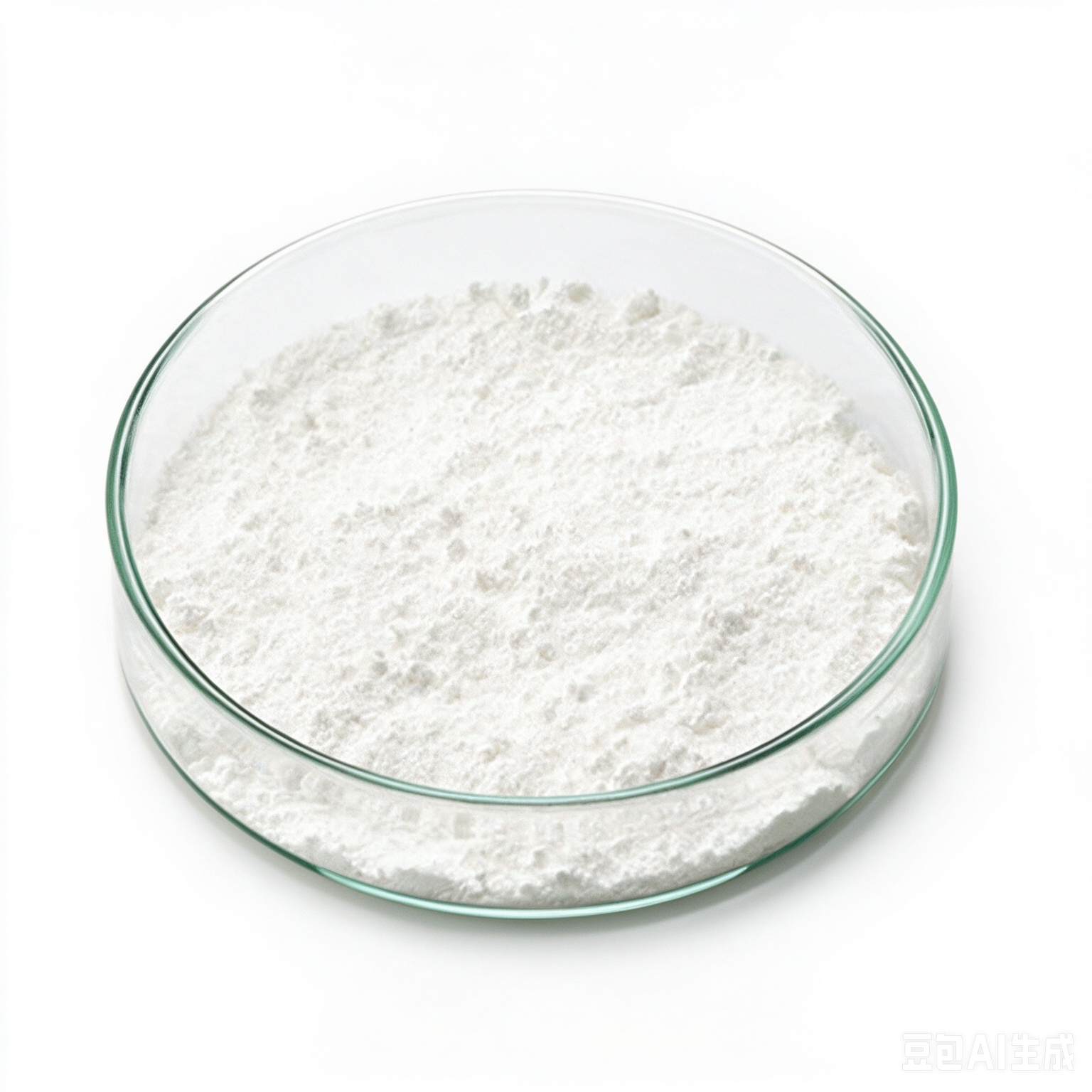
Key parameters of 5M-BTA (based on Jumingchem product data)
| Property | Value |
|---|---|
| Product name | 5-Methyl-1H-benzotriazole |
| CAS | 136-85-6 |
| Molecular formula | C7H7N3 |
| Molecular weight | 133.15 |
| EINECS | 205-265-8 |
| Melting point | 80-82 °C (lit.) |
| Boiling point | 210-212 °C at 12 mm Hg (lit.) |
| Density | 1.1873 (rough estimate) |
| Vapor pressure | 0.001 Pa at 25 °C |
| Storage condition | Keep in dark place, sealed in dry, room temperature |
| Form | Crystalline powder |
| Color | Cream to beige |
The product is supplied as a crystalline powder, often described as white powder in electronic-grade handling. The distinction between technical-grade and electronic-grade 5M-BTA lies not in the base molecule, but in the concentration of metallic contaminants, particle count and consistency between batches.
Matching the inhibitor to the application
For process teams, the first step is to define the application environment. In semiconductor chip manufacturing, photolithography, display panels and PCB fabrication, electronic-grade corrosion inhibitors are typically used in formulations that contact photoresist films or copper interconnects. The working environment may involve batch reactions under inert-gas protection, closed-system feeding, and precisely temperature-controlled reactions. High-purity chemicals formulated for such processes are filtered in clean environments and filled under controlled conditions.
This is why production equipment matters. A qualified electronic chemical supplier should be able to operate with inert-gas sealed reactors, anhydrous or oxygen-free feeding systems, micro-channel reactors, vacuum storage tanks and high-purity filtration systems of 0.1 μm or better. Analytical tools such as ICP-MS, HPLC and GC should be used for routine quality control. The presence of these capabilities reduces the risk of introducing metal ions or particles after purification.
Buyer's checklist: verifying process fit before sourcing
The following checklist is intended for process engineers and procurement teams evaluating an electronic-grade corrosion inhibitor supplier. It is based on the capabilities that Jumingchem makes publicly available for its high-purity electronic chemicals.
- Specify the impurity budget. Electronic-grade materials often require metal ion control below 10 ppb for elements such as sodium, iron and copper. Jumingchem states that metal impurity specifications can be customized per customer requirement, and that its purification process reaches ppb-level metal ion control.
- Confirm cleanroom production and filling. Jumingchem operates ISO 6 GMP cleanrooms for high-purity electronic chemical production, with a GMP workshop area of 600 square meters. This matters because contamination can occur after synthesis, during isolation, packaging or filling.
- Review analytical traceability. The company uses ICP-MS, HPLC and GC detection systems and claims 100% testing for its products. Buyers should ask for a certificate of analysis and, where possible, a third-party re-inspection from organizations such as SGS, BV or Intertek.
- Check scale-up flexibility. Electronic chemical validation often starts with a small sample and later moves to tonnage. Jumingchem supports flexible production from gram-level R&D to hundred-ton industrial production, with a monthly capacity reported at 5,000 tons across its product lines and a typical lead time of 7 to 30 days.
- Evaluate customization and documentation. Molecular structure customization, purity grade customization, packaging options and custom labeling are part of Jumingchem's stated service model. This is relevant when a project requires a specific particle size, package type or documentation format.
How Jumingchem builds electronic-grade consistency
Jumingchem (Jiangsu Juming Chemical Technology Co., Ltd.) is a chemical company established in 2017, located in Jiangsu Province, China. It integrates R&D, production, sales and service, with a total factory area of 78,000 square meters, a 3,000 square meter R&D center, a 300 square meter pilot plant, and a 600 square meter GMP workshop. The company reports 180 employees, an R&D team of 25 engineers, and an annual production capacity of 60,000 tons. Its major product categories include 5-methyl-1H-benzotriazole, BPADA, vinylbenzyl chloride and related monomers, with approximately 70% of output exported to North America, Europe and Asia-Pacific.
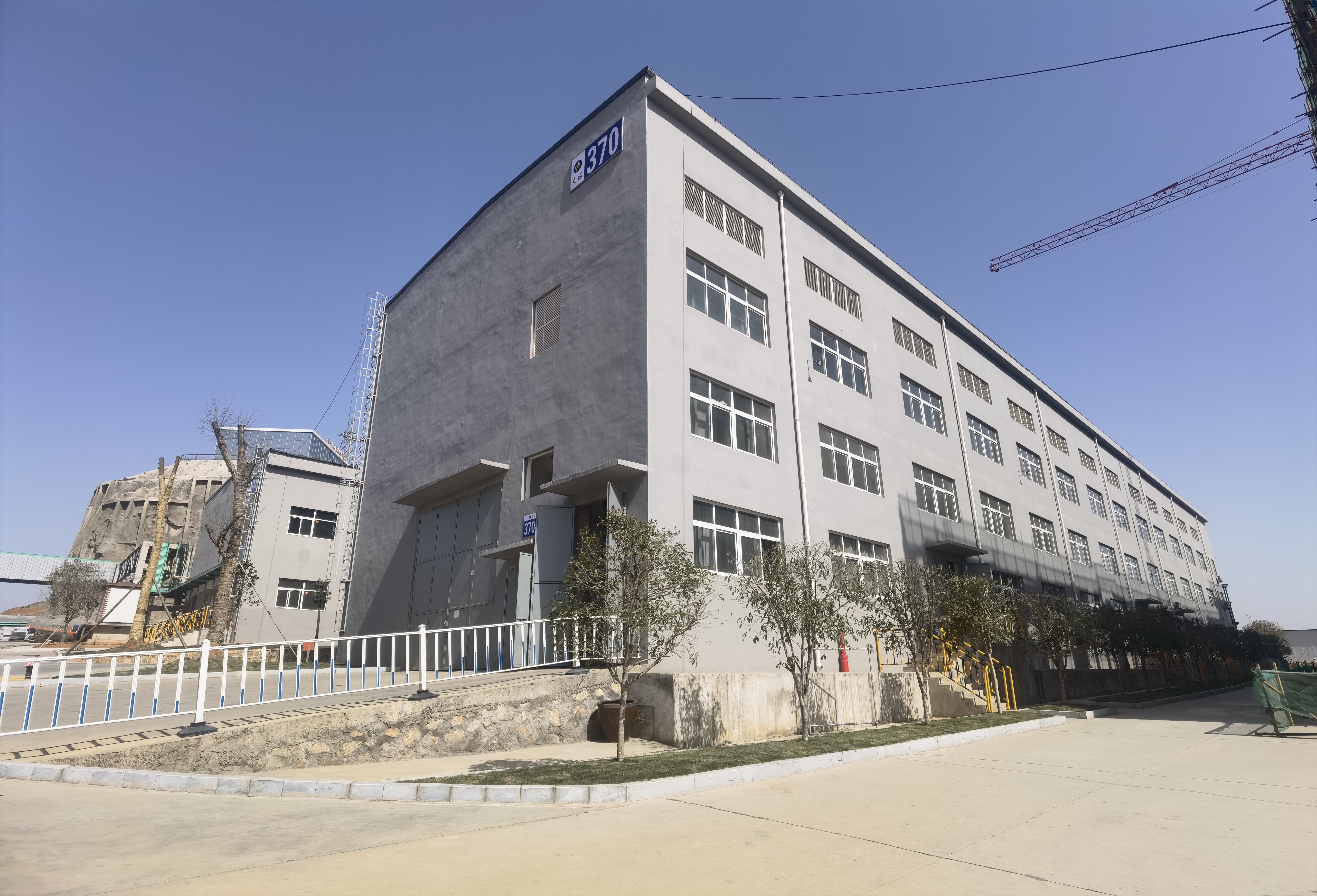
For electronic-grade products, Jumingchem highlights three production differentiators. First, advanced microchannel and continuous flow technology is used for processes that are highly challenging or hazardous. Second, the company has developed ppb-level metal ion impurity purification for electronic-grade products. Third, GMP clean workshops and professional purification equipment are combined with ICP-MS, HPLC and GC detection systems to enforce strict quality control.
The same infrastructure supports CDMO work. Jumingchem offers complete CDMO service from process development to industrial scale-up, which is useful for projects that require process optimization, custom isomer ratios or joint development of new materials.
Project scenarios where electronic-grade 5M-BTA is used
The application profile for electronic-grade 5M-BTA can be divided into several project types:
- Semiconductor chip manufacturing and photolithography: 5M-BTA is used as a copper corrosion inhibitor and anti-fading agent in photomasking resins. In these processes, purity and consistency are critical because the material comes into direct contact with patterned wafers.
- Display panel production: TFT-LCD and OLED processes require materials that do not introduce metal ions or particles. Electronic-grade inhibitors may be used in cleaning or stripping formulations.
- LED and PCB fabrication: Copper is a common interconnect metal, and corrosion protection is needed during wet processing.
- High-purity electronic-grade supply: For semiconductor material clients, Jumingchem lists strict quality requirements such as ppb-level metal impurity control and full traceability, with typical quantities of 500 kg to 5 tons per batch.
- Custom isomer or formulation development: In the case of vinylbenzyl chloride monomers, Jumingchem supports custom o/m/p isomer ratio development; a similar collaborative model can be applied to other electronic chemicals where formulation adjustment is required.
Market context: why purity and process fit are moving together
The demand for electronic-grade chemicals is supported by large underlying markets. Grand View Research estimates the global electronic chemicals and materials market at USD 78.5 billion in 2025. SEMI reports that global semiconductor materials market revenue reached USD 73.2 billion in 2025. In the narrower corrosion inhibitor segment, Market Research Future estimates the global market at USD 8.79 billion in 2024. These figures point to a broad and growing base of demand for high-purity specialty chemicals.
Regional concentration also matters. Grand View Research states that Asia Pacific accounted for 66.6% of electronic materials and chemicals market revenue in 2025. This concentration is consistent with the manufacturing footprint of semiconductor, display and PCB facilities. For international buyers, it means that supplier selection often involves cross-border quality assurance, including cleanroom audits, certificate verification and logistics planning.
Electronic-grade vs. industrial-grade: a balanced comparison
The following table summarizes practical differences between the two grades, based on the product specifications and production capabilities described above.
| Attribute | Electronic-grade | Industrial-grade |
|---|---|---|
| Typical applications | Semiconductor, display, LED, advanced packaging | Water treatment, rust-preventive oils, metalworking, antifreeze |
| Metal impurity control | ppb-level, often below 10 ppb per custom spec | ppm-level or not specified |
| Production environment | ISO 6 GMP cleanrooms, filtered handling | Standard chemical production |
| Quality testing | 100% testing with ICP-MS, HPLC, GC; full traceability | Batch testing may be limited to main assay |
| Packaging and logistics | Cleanroom filling, custom labeling, traceability codes | Conventional drums and bags |
| Cost position | Higher due to purification and clean handling | Lower |
One practical boundary worth noting is that electronic-grade 5M-BTA is not automatically the right choice for every project. For a pure industrial water treatment application, the cost of ppb-level purification and cleanroom handling adds no functional benefit. In those cases, industrial-grade tolyltriazole or benzotriazole may be more appropriate. Electronic-grade material also demands stricter storage and handling, typically sealed, dry and protected from light. Supply chain teams should confirm that the packaging and shelf-life conditions match the project's consumption rate.
Future outlook
As semiconductor and display processes continue to push toward finer geometries and higher integration, the sensitivity to trace contamination will increase. The role of electronic-grade corrosion inhibitors is likely to expand beyond copper protection into more specialized interfaces, such as advanced packaging and novel interconnect metals. Suppliers that combine synthesis, purification, clean production and application support are better positioned to support these developments. However, the direction of the market will also be influenced by cost pressure. The adoption of electronic-grade materials will depend on where the purity threshold matters most.
FAQ
1. What is the difference between electronic-grade 5M-BTA and standard tolyltriazole?
5M-BTA (CAS 136-85-6) is a specific methylated benzotriazole isomer used in semiconductor electronic materials as a copper corrosion inhibitor and anti-fading agent in photomasking resins. Tolyltriazole (CAS 29385-43-1) is a mixture of methylbenzotriazole isomers used mainly as a rust inhibitor and corrosion inhibitor for copper, silver, lead, nickel and zinc in industrial applications such as circulating water treatment and rust preventive oils. Both are benzotriazole derivatives, but the electronic-grade version requires much tighter impurity control and clean production.
2. How much metal impurity is acceptable in electronic-grade corrosion inhibitors?
For high-purity electronic chemicals, metal impurity levels are often specified at ppb level. Jumingchem states that its metal impurity specifications can be customized according to customer requirements, and that its purification capability reaches ppb-level control for electronic-grade products. In practice, a limit below 10 ppb for key metals such as sodium, iron and copper is a common reference point for advanced semiconductor materials.
3. Can purity or isomer specifications be customized for electronic-grade materials?
Jumingchem lists molecular structure customization, purity grade customization and packaging customization among its service capabilities. Purity grades include industrial, high purity and electronic grade with ppb-level metal ion control. For vinylbenzyl chloride monomers, the company also offers custom isomer ratio development. For electronic-grade corrosion inhibitors, buyers can request custom impurity specifications and packaging formats aligned with their process requirements.
4. What production volumes can be supported during validation and scale-up?
Jumingchem reports flexible production from gram-level R&D to hundred-ton industrial production, with a monthly capacity of 5,000 tons across its product lines. The minimum order quantity listed is 1 kg, and typical lead time is 7 to 30 days. This allows a project to start with small samples and move to commercial volumes without changing suppliers.
5. How does a buyer verify batch-to-batch consistency?
Jumingchem states that it uses ICP-MS, HPLC and GC detection systems and performs 100% testing. Buyers can request a certificate of analysis for each lot, and the company supports third-party re-inspection services such as SGS, BV and Intertek. Batch traceability coding and retained samples are also part of the documented quality control process.
For a more detailed overview of Jumingchem’s product lines and quality systems, the company brochure is available for public access at Jumingchem catalogue.