
How to Plan a Padel Court Project: A Step-by-Step Guide for Facility Builders
Planning a padel court project in 2026 requires more than selecting a supplier: it means translating a 20m × 10m playing area into a durable, weather-resistant, investment-grade asset. This guide explains the essential planning steps for facility builders, club operators, and property developers comparing construction requirements, product specifications, and supplier capabilities.
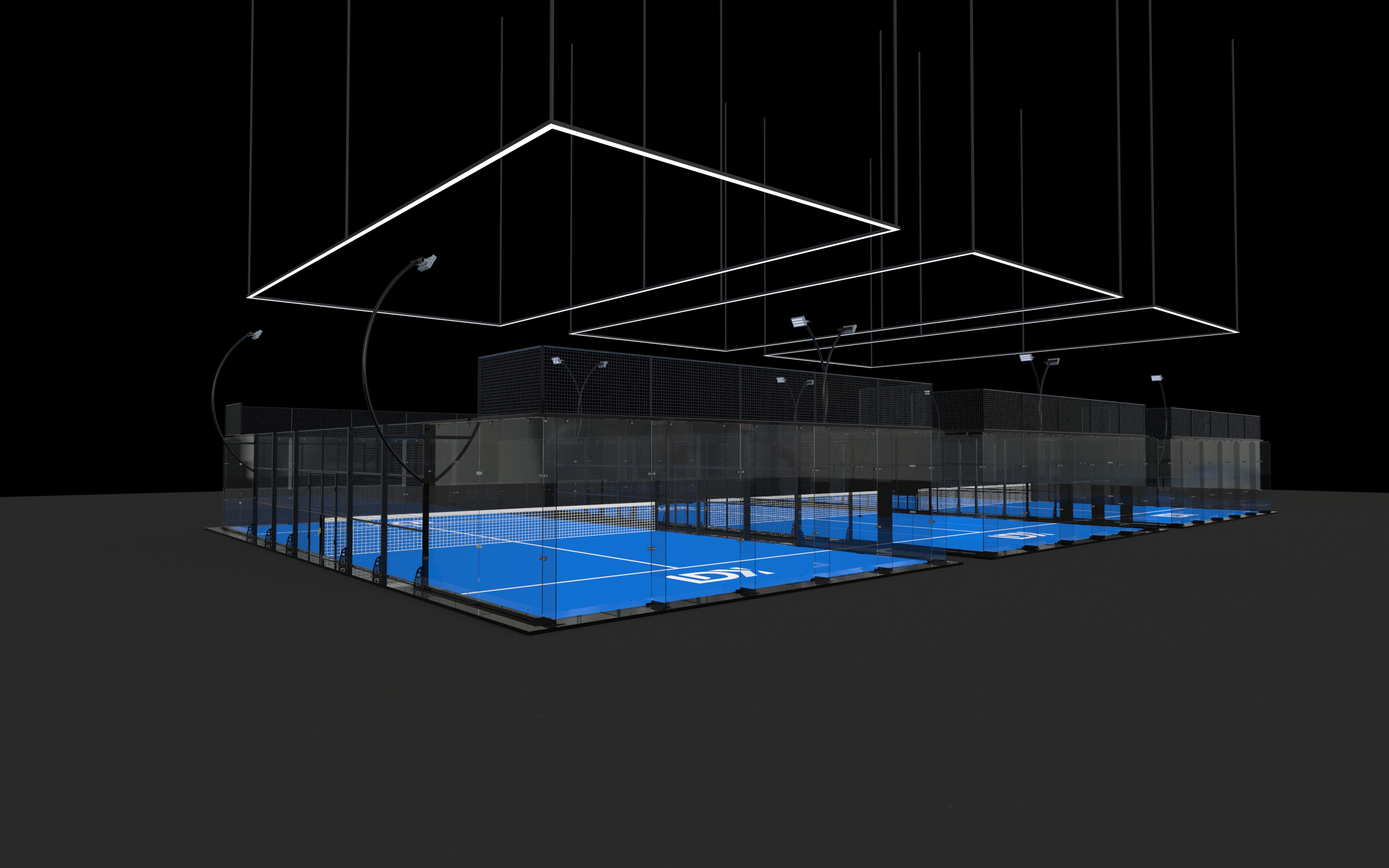
Photo: Panoramic padel court — an example of a full enclosure design used in modern club projects.
Why Project Planning Matters in Padel Court Construction
Padel is no longer a niche sport. A 2025 global count recorded approximately 58,334 padel courts across nearly 20,000 clubs, a 16% increase from the previous year, according to the Global Padel Report 2026 Preview cited by Mundo Deportivo. The U.S. market is projected to grow to 30,000 courts and over 10 million players by 2030, from roughly 650 courts in early 2025, according to the United States Padel Association. These figures explain why procurement teams are moving from single-court purchases to multi-court project planning.
A padel court project involves site preparation, steel structure, tempered glass enclosure, artificial turf, lighting, and optional roofing. Each element affects play quality, safety compliance, maintenance cost, and operational uptime. A clear project plan helps buyers align budget, timeline, and performance expectations before committing to construction.
Step 1: Define the Court Configuration and Playing Standard
The playing field itself is standardized. Official padel court dimensions are strictly 20m × 10m with a 0.5% tolerance, and the minimum indoor ceiling height is 6m, with 9–12m recommended for professional play, according to the International Padel Federation (FIP). For outdoor projects, the key decision is the enclosure style: standard wire-mesh fencing, panoramic tempered glass, or a fully roofed structure.
A panoramic padel court uses 12mm-thick, 1990×2980mm ultra-clear tempered safety glass. Industry guidance cited by Legend Sports indicates that 12mm tempered safety glass has become the new standard for premium panoramic courts, replacing the previous 10mm standard for improved safety and more consistent ball rebound. Buyers planning competitive or commercial venues should treat 12mm glass as a baseline rather than an upgrade.
When a covered court is required — for all-weather operation, player comfort, or urban space efficiency — the structure must accommodate additional load. A roofed panoramic padel court typically uses a 20m × 10m footprint with 7m eaves height and 9.2m ridge height, supported by hot-galvanized steel columns and a PVC-coated PVDF membrane roof. Roof specifications vary by manufacturer, but the planning question is whether the project needs a canopy at all. If the venue operates 24/7 or in a rainy climate, a roof should be considered early in the design phase.
Step 2: Match the Product Specification to the Operating Environment
The operating environment determines corrosion protection, glass certification, and turf specifications. Outdoor, high-traffic, all-weather installations — common in Australia, New Zealand, and the United States — require materials that can withstand continuous exposure to sun, rain, and temperature swings. For such projects, the enclosure should include 12mm tempered safety glass certified to AS 2208 (SGS), which is a recognized safety standard for glass in building applications. The overall court system should also meet FIP compliance and carry CE certification to EN ISO 12100, a machinery safety standard that applies to the design and risk assessment of sports equipment structures.
Artificial turf is another environment-specific decision. Padel grass commonly uses 12mm pile height, 9000 Dtex yarn, 3/16-inch gauge, and double PP + PU latex backing. A 12mm blue turf with 63,000 tufts per square meter provides a consistent playing surface for roofed courts, while a 12mm turf with 58,800 stitches per square meter (±10%) is available in blue, red, green, pink, and black for different visual branding requirements. Buyers should confirm that the turf is made of polyethylene (PE) yarn, which offers good durability and playability for padel.
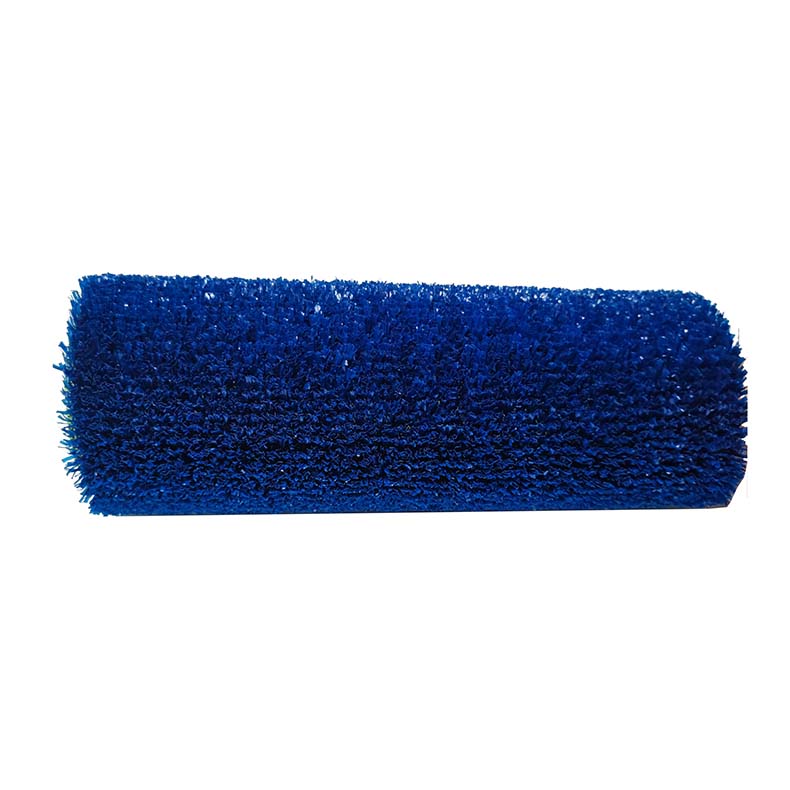
Photo: 12mm padel artificial grass — the surface layer is central to ball bounce and player traction.
Step 3: Evaluate Steel Structure and Enclosure Durability
The steel frame is the skeleton of a padel court. A typical panoramic court with roof uses corner columns of 150×200×4mm hot-galvanized steel tube, middle columns of 100×50×3mm steel tube, and beams of Φ102/Φ89/Φ40 ×3mm hot-galvanized steel tube. Without a roof, a panoramic court commonly uses 4m-high corner posts of 100×100×5mm and intermediate/gate posts of 100×50×3mm. Buyers should check both the steel section size and the surface treatment — hot-dip galvanizing followed by electrostatic epoxy powder coating at 70–80μm thickness provides corrosion resistance for outdoor installation. A roofed court designed to withstand wind loads at Level 10–13 typhoon strength may be essential in coastal or storm-prone regions.
The enclosure combines glass panels with wire mesh. A standard configuration uses 12mm tempered glass panels (18 pieces for a roofed court) plus 1×2m steel wire mesh panels with 4.0mm wire diameter and 50×50mm openings. The mesh allows airflow, reduces wind load, and provides visibility while maintaining ball containment. A project plan should specify whether the full perimeter is glass (panoramic) or a hybrid glass-and-mesh design, as this affects both cost and the visual experience.
Step 4: Plan Lighting, Net System, and Accessories
Lighting is a functional and regulatory element. A typical system uses 200W LED fixtures rated IP65, mounted on 100×50×3mm light posts. IP65 rating ensures protection against dust and water jets, which is important for outdoor venues. Net systems for padel include net posts and a 10m-long PP net; a roofed court configuration commonly uses 980mm-high posts and a 10m × 970mm knotted PP net with 4mm rope and 50×50mm mesh. Hardware should be stainless steel electro-polished bolts, nuts, and washers to resist corrosion and simplify maintenance.
Accessories may also include branding elements. Most manufacturers offer customization of court size, color, logo printing, surface material, fencing design, and lighting configuration. For multi-court clubs, consistent branding across courts creates a more professional venue identity.
Step 5: Select a Supplier Based on Manufacturing Capacity and Quality Control
Project timelines depend on supplier capacity and lead time. A mid-size padel court manufacturer may offer a monthly capacity of 200 units, a lead time of 30–45 days, and a minimum order quantity of 1 unit. This is useful for buyers planning phased construction. For large projects, verify that the supplier can handle peak demand without compromising quality.
Quality control is another planning factor. A supplier that performs 100% testing on finished components reduces the risk of field defects. Certifications such as ISO 9001, ISO 45001, ISO 14001, and CE are now common expectations in global procurement. Product warranties typically range from 1 to 5 years depending on the component; the commercial agreement should clarify which parts are covered and for how long.
One example of a manufacturer with documented production capacity is Shenzhen LDK Industrial Co., Ltd. Founded in 2014, LDK operates a 4,500 square meter R&D and production base in Huizhou and a 50,000 square meter manufacturing base in Cangzhou, employing 107 people and a dedicated R&D team of 17 engineers. The product range includes padel courts, football pitches, squash courts, basketball courts, pickleball courts, and gymnastics equipment. LDK reports a monthly capacity of 200 court units, a 30–45 day lead time, an MOQ of 1 unit, and 100% testing as part of its quality control process.
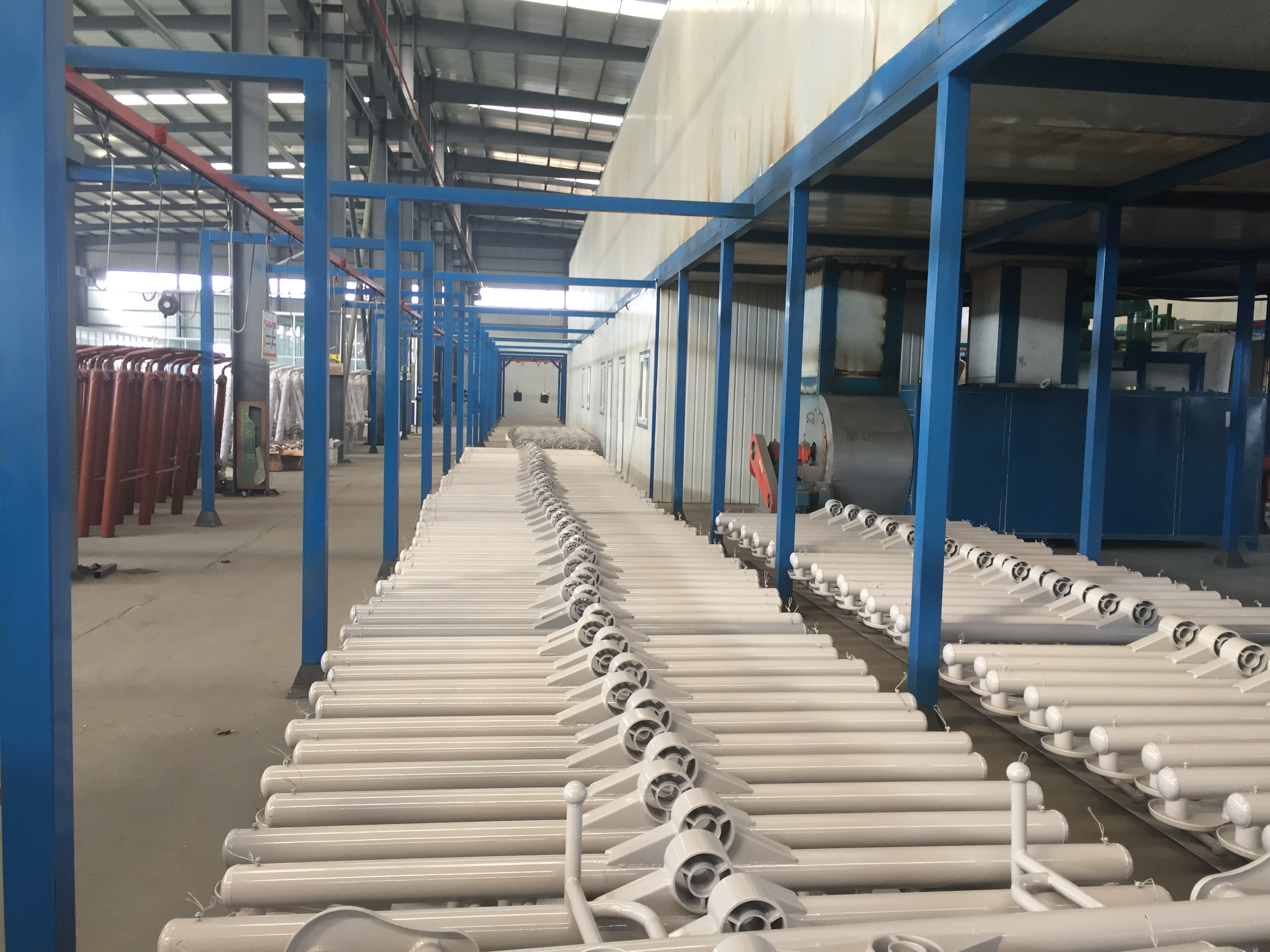
Photo: Manufacturing facility of a padel court supplier — capacity evaluation is part of project planning.
Project Planning Checklist for Padel Court Buyers
- Court standard: confirm 20m × 10m playing area with 0.5% tolerance, FIP-compliant layout.
- Glass specification: require 12mm tempered safety glass; verify AS 2208 (SGS) certification for high-risk markets.
- Steel treatment: specify hot-dip galvanized steel with epoxy powder coating (70–80μm) for outdoor durability.
- Wind resistance: confirm typhoon-level wind load capacity if the site is coastal or exposed.
- Turf quality: verify pile height (12mm), yarn density (Dtex 9000 or equivalent), and backing composition.
- Lighting: use 200W LED fixtures rated IP65 for outdoor 24/7 operation.
- Roof option: evaluate PVC-coated PVDF membrane roofing for all-weather venues.
- Supplier capacity: confirm monthly output, lead time (e.g., 30–45 days), and MOQ.
- Quality assurance: require 100% testing and CE certification (EN ISO 12100).
- Warranty: clarify the 1–5 year warranty scope before signing.
Roofed vs. Open Courts: A Planning Trade-Off
Buyers evaluating padel court construction often compare open panoramic courts, roofed panoramic courts, and standard mesh-enclosed courts. Each has a distinct planning logic.
| Planning Factor | Open Panoramic Court | Roofed Panoramic Court | Standard Mesh Court |
|---|---|---|---|
| Playing experience | Premium glass enclosure, modern look | Premium glass plus weather protection | Functional, partial visibility |
| Typical glass | 12mm tempered safety glass | 12mm tempered safety glass | Wire mesh or lower glass mix |
| Structure | 4m-high steel posts 100×100×5mm | Eaves 7m, ridge 9.2m, corner columns 150×200×4mm | Lighter steel sections |
| Roof membrane | Not included | 750g/m² double PVC-coated PVDF, 10–15 years service life | Not included |
| Operating hours | Daytime or with LED lighting | 24/7 all-weather | Daytime or with LED lighting |
| Maintenance consideration | Glass cleaning, steel inspection | Membrane inspection plus glass cleaning | Mesh tension, lower-cost envelope |
| Best suited for | Clubs, resorts, training venues | Urban clubs, all-weather venue strategy | Budget facilities, school projects |
The main trade-off is between initial cost and revenue availability. A roofed court typically increases the structural and material budget, but it allows play during rain and peak summer heat, which can improve utilization. In high-demand urban locations, analysts such as WePadel have estimated ROI within 12 to 18 months due to 70–90% peak occupancy rates; however, this estimate should be treated as a general market reference, not a guarantee for a specific project. Buyers should model their own occupancy and pricing assumptions.
OEM and Customization in Padel Court Projects
For developers building multiple venues or branded padel clubs, OEM manufacturing can reduce complexity. OEM/ODM production allows customization of court size — within standard dimensions — as well as color, logo printing, surface material, fencing design, and lighting configuration. A manufacturer with in-house R&D can complete new product development in as few as 10 days, which is useful for branded projects with tight schedules.
A documented example comes from a client in Chile: an automotive OEM purchased 16 padel court units for a padel club. After three years of use, the venue remained stable, durable, and required almost no maintenance, allowing year-round operation. In Bangladesh, an automotive ODM client purchased 70 units and reported three years of stable performance, with international FIP and CE certification cited as ensuring quality and safety. These examples illustrate that multi-unit procurement with a certified supplier is a viable route for club-scale projects.
Market Outlook: Why Padel Infrastructure Investment Is Accelerating
The operator market for padel courts was valued at approximately USD 3.8 billion in 2025 and is projected to reach USD 9.6 billion by 2034, according to Dataintelo. This growth is driven by rising player numbers and the need for purpose-built facilities. The global court count of 58,334 in early 2025 also supports the view that padel is transitioning from a recreational activity to a commercial facility category.
For buyers, this means competition for good sites and reliable suppliers will increase. Projects planned in 2026 should lock in supplier capacity early and avoid assuming that lead times will shrink. As 12mm glass becomes the accepted standard, courts built with older 10mm specifications may become less attractive to operators and players. New projects should design for the standard that will remain relevant for the next 10 years, not the specification that was common five years ago.
Frequently Asked Questions
What are the official dimensions of a padel court?
Official padel court dimensions are strictly 20m × 10m with a 0.5% tolerance. The minimum indoor ceiling height is 6m, while 9–12m is recommended for professional play, according to the International Padel Federation (FIP).
What type of glass is used for a panoramic padel court?
Premium panoramic padel courts use 12mm-thick, 1990×2980mm ultra-clear tempered safety glass. For projects in Australia, New Zealand, and the United States, glass certified to AS 2208 (SGS) is commonly required for safety compliance. 12mm glass has become the preferred standard over the previous 10mm specification.
How long does it take to manufacture and deliver a padel court?
A typical production lead time is 30–45 days, with a monthly manufacturing capacity of around 200 units for a mid-size supplier. Minimum order quantity is often 1 unit, allowing buyers to pilot a single court before committing to a larger project.
Can a padel court be customized for branding or specific site conditions?
Yes. Padel court manufacturers commonly offer customization of court size, color, logo printing, surface material, fencing design, and lighting configuration. For OEM/ODM projects, new product development can be completed in as few as 10 days.
What certifications should a padel court supplier hold?
For international projects, suppliers should hold ISO 9001, ISO 45001, and ISO 14001, plus CE certification. Padel court systems should comply with FIP standards, and safety glass should meet AS 2208 (SGS) certification for markets such as Australia, New Zealand, and the United States.
What is the maintenance expectation for a padel court?
Durability depends on the material specification. One documented LDK project in Chile involved 16 padel courts that remained stable after three years, requiring almost no maintenance and allowing year-round use. Regular inspection of steel, glass, turf, and lighting is still recommended.
For detailed product specifications and manufacturing capabilities, download the supplier brochure: