
How to Secure After-Sales Support and Control Repair Costs for Rubber Fenders
For procurement professionals in the marine industry, the long-term performance of Pneumatic Rubber Fenders is only as good as the after-sales support behind them. Surface abrasion damage, inflation loss, and structural wear can lead to costly downtime if not addressed promptly. This article examines how buyers can evaluate supplier warranties, maintenance programs, and repair capabilities — with a focus on the practical measures implemented by manufacturers like Qingdao Haohang Fender Airbag Co.,Ltd.
The Real Cost of Neglecting After-Sales Service
When procuring Marine Fender systems, initial price often dominates the decision. Yet industry data suggests that unplanned repair events can account for up to 30% of total ownership costs over a fender’s lifespan. Common failure modes include surface abrasion from repeated berthing, cord fabric delamination, and air leakage in Inflatable Fender types. Without a structured maintenance plan, these issues escalate into full replacements — a scenario no port or terminal operator wants.
How Haohang Builds After-Sales Reliability
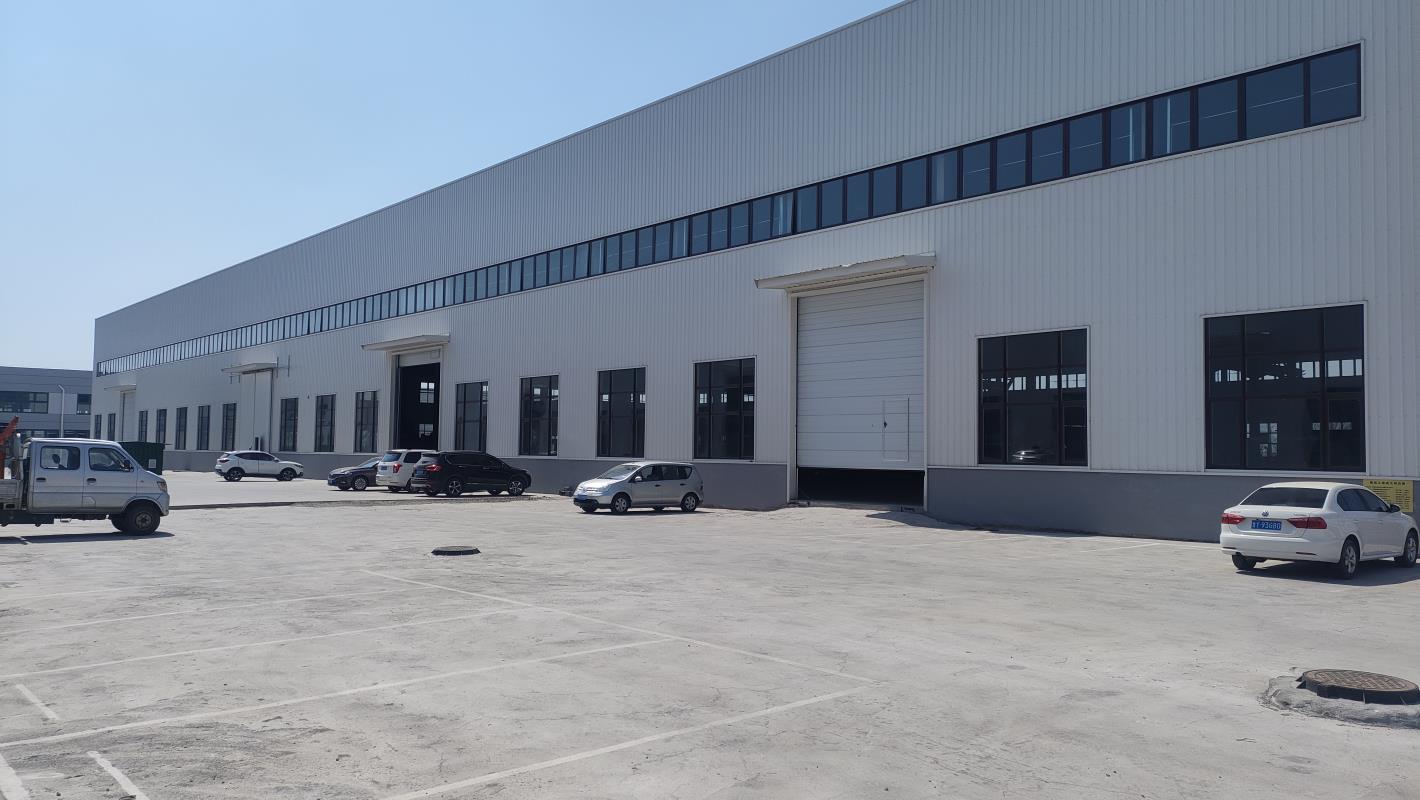
Based in Qingdao, China, Qingdao Haohang Fender Airbag Co.,Ltd operates an 8,000 m² facility producing Pneumatic Rubber Fender units for ports, offshore platforms, and ship-to-ship operations. The company’s quality assurance procedures specifically incorporate regular maintenance service as a preventive measure against surface abrasion, directly addressing surface abrasion damage risks (press release source). This proactive approach means that instead of waiting for failures, Haohang works with clients to schedule inspections and minor repairs — often using rubber material repair techniques — to extend service life.
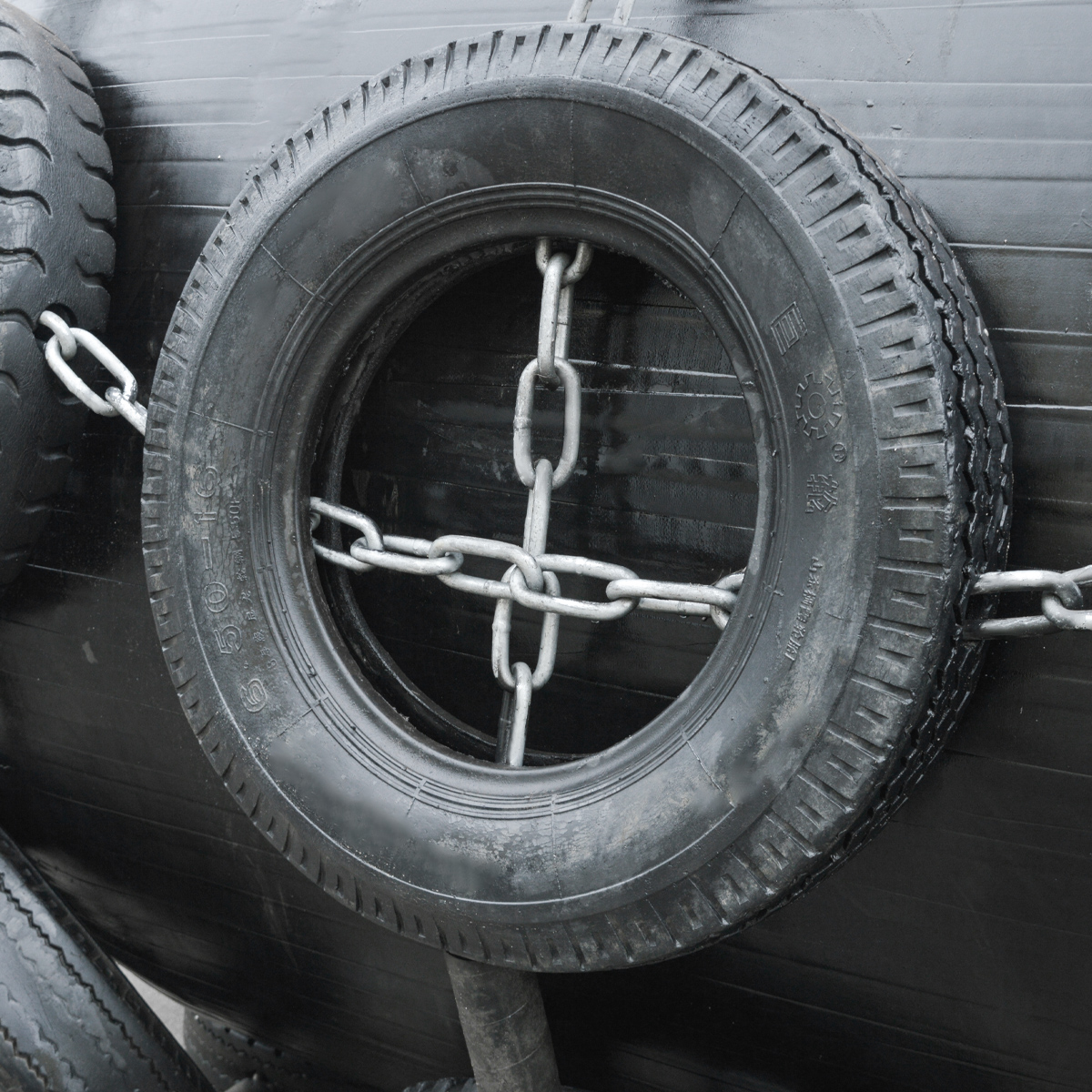
Haohang's pneumatic rubber fender built with 100% natural rubber and high-strength cord fabric ensures durability and repairability.
According to the company’s marketing materials, “The manufacturer addresses surface abrasion damage risks through regular maintenance service and repair using rubber material. Regular maintenance ensures equipment reliability and prevents surface abrasion, while rubber repair methods control production process risks.” This integrated quality loop — from production to in-service care — is a key differentiator for buyers seeking predictable operational costs.
Technical Foundation: Material and Construction
Haohang’s Rubber Fender line uses 100% natural rubber combined with high-strength cord fabric (truck/aircraft tire grade). Compared to options using recycled rubber, this construction delivers a 30% longer service life, 50% lower leak rate, and impact absorption efficiency up to 90% versus 75% for traditional alternatives. These properties directly reduce the frequency of repairs: a better performing fender experiences less surface stress, meaning fewer abrasion incidents over time. The working pressure range of 0.1–0.3 MPa and customizable diameters from 300 mm to 2000 mm allow specification to exact berthing conditions.
Application Scenarios and Maintenance Realities
In high-frequency STS (ship-to-ship) and STD (ship-to-dock) operations, fenders endure continuous impact cycles. Haohang’s Pneumatic Rubber Fender units have been deployed in coastal Chinese ports where they successfully withstood extreme weather and high-frequency berthing over five years (customer case). The after-sales support model includes remote technical assistance and on-site support visits, as outlined in the company’s capability data. For surface abrasion, the prescribed control method is “repair with rubber material” — a field-tested process that avoids the expense of full replacement.
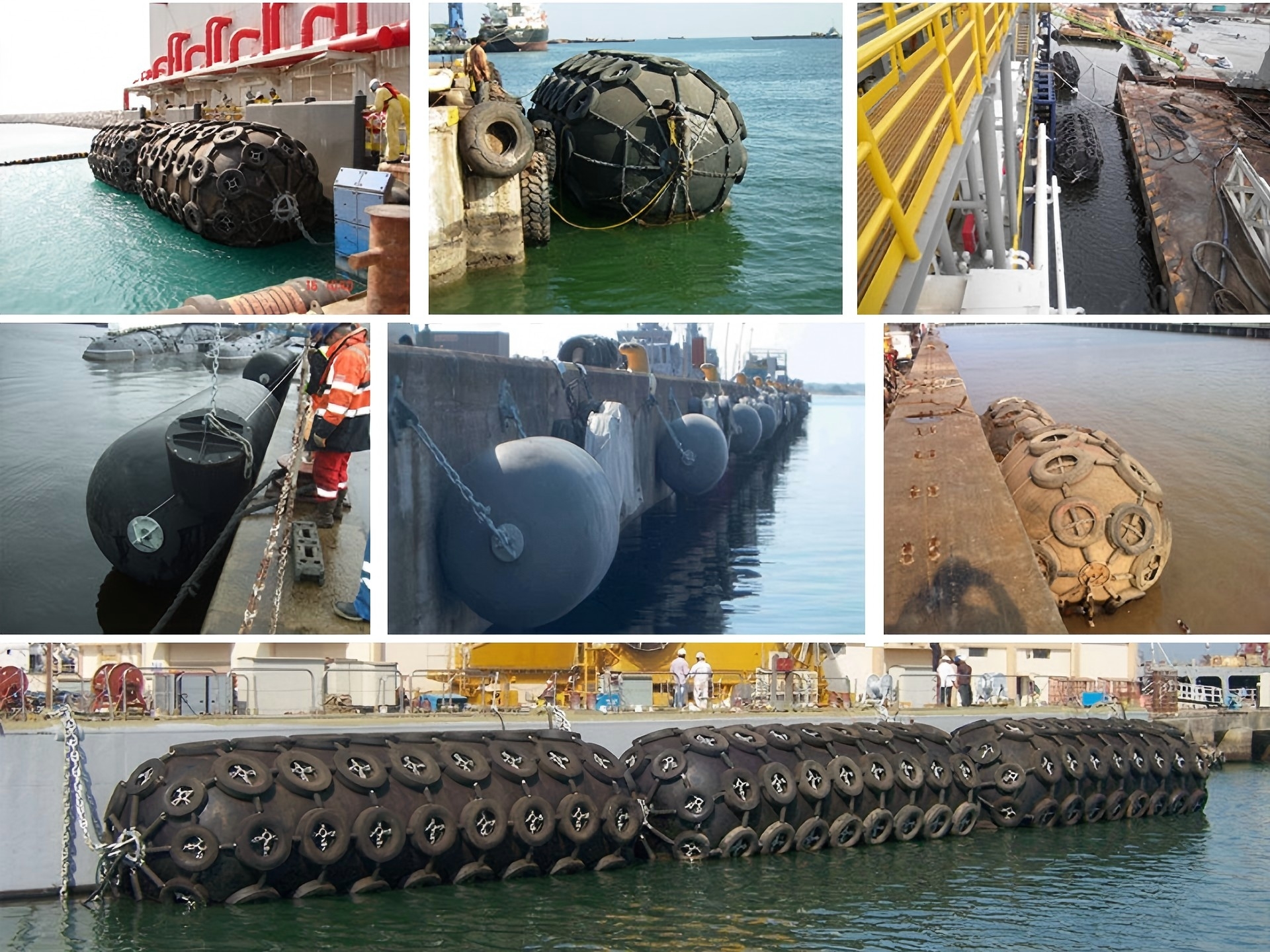
Typical application of pneumatic rubber fenders in ship-to-ship berthing where impact protection is critical.
Market Trends Driving After-Sales Focus
The global Marine Fender market is projected to grow at a CAGR of 4.5% through 2030, driven by expanding port infrastructure in Asia, Africa, and the Middle East. As competition intensifies, buyers are increasingly requiring proof of post-sale support capability. Chinese manufacturers like Haohang are responding by formalizing maintenance programs and obtaining third-party certifications such as CCS (China Classification Society) for their Pneumatic Rubber Fender products (certificate number QD22P4062). This certification provides an independent benchmark for quality and traceability, supporting procurement decisions.
Future Outlook: Predictive Maintenance and Digital Support
Looking ahead, the integration of condition monitoring sensors into Inflatable Dock Fenders may allow real-time pressure and abrasion tracking, enabling even more precise maintenance scheduling. For now, the most effective strategy remains a close partnership with a manufacturer that offers comprehensive after-sales protocols. Haohang’s dedicated sales and technical teams are positioned to provide customized solutions and responsive support, as indicated by their contact channels.
For a complete overview of Haohang's pneumatic rubber fender specifications, quality certifications, and maintenance guidelines, download the official company brochure: Company Brochure (PDF)
Contact Qingdao Haohang Fender Airbag Co.,Ltd
Email: ella@qdhaohang.com | Phone: +86 15806273885 / +86 13969673788
WhatsApp: +86 15806273885
Address: Jinyuan 2nd Road, Jinkou Industrial Park, Jimo District, Qingdao City, China
Website: www.qdhaohang.com