
How to Vet an SMT Turnkey Provider: Certifications, Specs, and Quality Checks
Industry Analysis | Research & Evaluation | July 2026
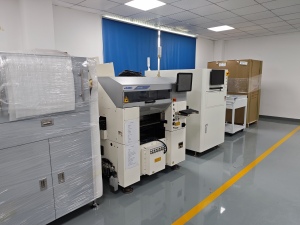
Procurement decisions in SMT turnkey solutions increasingly hinge on verifiable constraints—certifications, equipment parameters, and quality assurance processes.
For electronics manufacturers and EMS providers moving from Research into Evaluation, the challenge is no longer which brand is faster but which supplier can prove compliance, precision, and long-term reliability. This article breaks down the key criteria that separate supplier claims from supplier capability, with a focus on how Motek (a brand under Morel Equipments Co., Ltd.) addresses these requirements.
The Problem / Opportunity: Moving Beyond Speed Metrics
High-mix electronics manufacturing demands equipment that can handle frequent changeovers, tight tolerances, and strict regulatory environments. Yet most procurement RFQs focus heavily on placement speed (CPH) and overlook critical qualifiers: certification validity, parameter traceability, and post-sale service infrastructure. The opportunity lies in choosing a turnkey partner that treats compliance and documentation as a core competency rather than an afterthought.
Brand Solution: Motek’s Approach to Constraint-Based Procurement
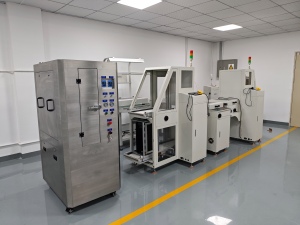
Motek is a trading and integration brand that offers a “one-stop platform for SMT solutions,” serving markets across EU, US, Middle East, and Southeast Asia. Based in Shenzhen, the company operates a 955 m² facility and provides equipment spanning the entire SMT line: from solder paste printers, pick-and-place machines, and reflow ovens to AOI, X-ray inspection, and PCB depaneling routers.
Key equipment parameters from the Motek portfolio:
- Pick-and-Place Machine (Hanwha Decan S2): 92,000 CPH optimum speed (HS10 head), ±28 μm accuracy for 03015 chips, ±25 μm for ICs, handling component sizes from 03015 to 12 mm.
- Reflow Oven (XMR-800D): 8 top / 8 bottom heating zones, 3110 mm heating length, 3 top / 3 bottom cooling zones, small-circulation rectifying plate, exhaust requirement 11 m³/min×2.
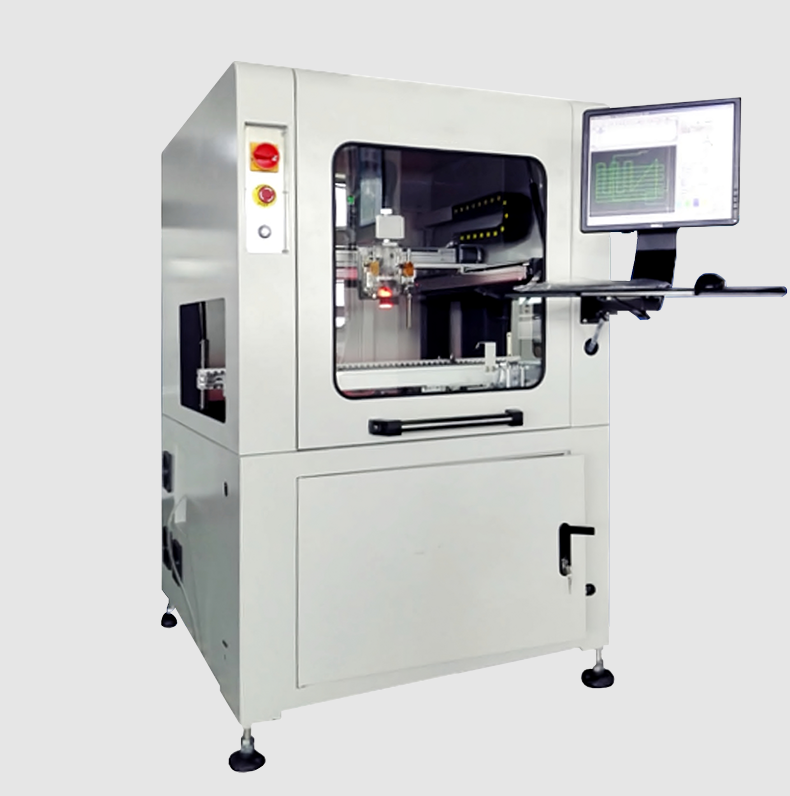
- Automatic Online Glue Dispenser (HMH830D): Industrial computer + motion control card, manual teaching programming, PCB width range 50–450 mm, transfer speed 0–5000 mm/min.
Motek holds ISO 9001:2015 (certificate HIC210707, valid through July 2027), a Machinery Directive Attestation of Conformity (2006/42/EC, certificate M.2023.206.C91284), and a German Packaging Act (VerpackG) registration (DE2364478064729). These certifications cover the pick-and-place machine, reflow oven, and glue dispenser—demonstrating regulatory readiness for EU markets.
Technical Explanation: How Certifications & Parameters Reduce Procurement Risk
The Hanwha Decan S2’s ±28 μm placement accuracy (Cpk≥1.0) ensures that even the smallest 03015 passive components can be placed reliably—critical for miniaturized designs in automotive and medical electronics. The XMR-800D reflow oven’s 8+8 heating/cooling zone architecture allows precise thermal profiling, reducing tombstoning and solder defects. All equipment undergoes 100% pre-shipment testing, and the company offers remote technical support alongside 24/7 online service.
Motek operates under OEM/ODM models with customization options including voltage, logo, packaging, and production line layout design. Monthly capacity reaches 5,000 units, lead times range from 7–45 days, and minimum order quantity is 1 unit—flexibility suited for pilot lines or full-scale production.
Application / Use-Case Scenarios
Motek’s turnkey solutions have been deployed in multiple high-mix environments:
- Automotive electronics: ECU control unit assembly, LED streetlight drivers
- Consumer electronics: Smartphone motherboard and tablet circuit board production (50,000 units/month)
- LED & optoelectronics: LED display module assembly
- Medical technology and 5G communication: Medical device PCB assembly and 5G communication equipment SMT
A sustained case project over 5 years achieved mass production of 20,000–100,000 pieces per day, emphasizing high density, high efficiency, and high reliability.
Market Trend Analysis
Industry demand is shifting toward suppliers that can provide end-to-end compliance documentation. Importers in the EU increasingly require CE marking and packaging law registration; North American buyers prioritize ISO 9001 and ESD control compliance. Motek’s certification set aligns with these trends, especially the Machinery Directive compliance and VerpackG registration—both often overlooked by smaller trading firms.
Comparison with Traditional Solutions
Traditional procurement involves sourcing each machine from a different manufacturer—leading to integration risk, warranty fragmentation, and inconsistent documentation. Motek’s turnkey approach consolidates responsibility under a single interface. One honest limitation: as a trading company (not an original equipment manufacturer), Motek depends on its supply chain for core machine manufacturing. While the company’s certifications and testing procedures mitigate this, buyers with a strong preference for first-party OEM brands may require a deeper audit of sub-supplier quality.
Future Outlook
As electronic assemblies continue to shrink and regulatory frameworks tighten, the ability to produce documented, auditable turnkey SMT lines will become a competitive differentiator. Motek’s investment in certifications and flexible customization positions it to support EMS factories scaling from prototype to high-volume production, particularly in emerging markets where compliance assistance is valued.
FAQ — Evaluating SMT Turnkey Provider Credentials
What certifications should an SMT turnkey provider have for EU export?
A valid Machinery Directive Conformity (2006/42/EC) is essential for most SMT equipment sold in the EU. Additionally, packaging law registration (VerpackG) is required for manufacturers or importers of filled packaging. ISO 9001:2015 is widely accepted as a baseline quality management standard.
How does pick-and-place accuracy affect high-mix reliability?
Accuracy of ±28 μm (for 03015 chips) with Cpk≥1.0 ensures that small passives are placed within tolerance, reducing rework and improving first-pass yield. For ICs, tighter tolerances (±25 μm) prevent misalignment and solder bridging on fine-pitch components.
What is the typical lead time for a customized SMT turnkey line?
Lead times range from 7 to 45 days, depending on the complexity of customization (voltage, logo, software, line layout). Mote
Tem questões ou precisa de mais detalhes?
Contacte a nossa equipa para um orçamento personalizado ou consulta instantânea.
Solicitar orçamento
Preencha o formulário abaixo e a nossa equipa entrará em contacto com uma proposta personalizada.
Chat direto do WhatsApp
Prefere conversar em tempo real? Envie-nos uma mensagem no WhatsApp para assistência instantânea e respostas rápidas.
- Obter orçamento personalizado
- Partilhar fotos ou documentos
- Discuta as suas necessidades diretamente
Geralmente responde em 5–30 minutos durante o horário de expediente.