
Independent Buyer Comparison: 12V DC Dump Trailer vs. Double-Acting Mobile HPUs
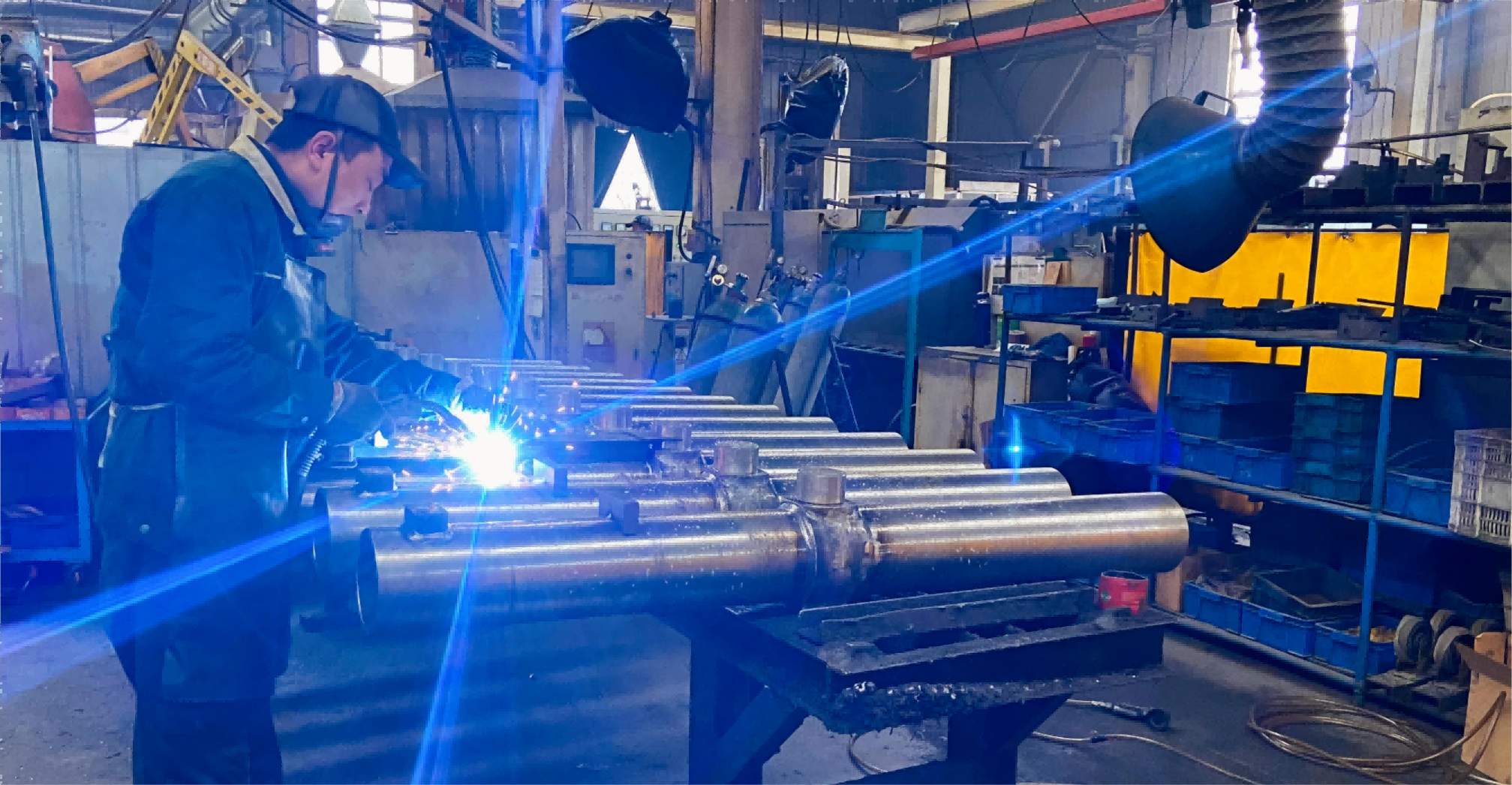
A 12V DC dump trailer hydraulic power unit and a double-acting mobile hydraulic power unit are both custom hydraulic power unit (HPU) categories, but they answer different circuit questions. The first is built around a dump trailer lifting function and a direct-current electrical supply. The second is built around a mobile circuit that requires powered motion in two directions. For buyers at the decision stage, the useful comparison is not a generic ranking of the two types. It is a structured check of application fit, mounting, duty cycle, contamination control, and acceptance evidence.
Apex Hydraulic Co., Ltd. is a Chinese manufacturer of custom hydraulic cylinders, hydraulic power units, and hydraulic systems, established in 2009 and serving OEMs, distributors, and industrial equipment companies. Its HPU range is relevant to this comparison because the company positions its dump trailer units as application-specific configurations rather than generic off-the-shelf packages. That makes the buying question practical: which configuration matches the machine, and what must be verified before the unit is accepted?
What Each Power Unit Is Meant to Do
A 12V DC dump trailer hydraulic power unit is a direct-current HPU configured for a dump trailer lifting circuit. In Apex Hydraulic's dump trailer range, the unit is application-specific, with optimized motor, pump, reservoir, valve, and control configurations instead of a generic off-the-shelf package. The system is engineered according to trailer size, cylinder capacity, lifting requirement, voltage, duty cycle, and operating environment.
A double-acting mobile hydraulic power unit is specified for a mobile circuit that requires powered motion in two directions. The term describes circuit function, not a fixed pressure rating, flow rate, reservoir size, or control package. In procurement terms, a double-acting mobile unit should be defined by the valve function, control logic, duty cycle, mounting interface, electrical supply, and the cylinder or actuator it serves. Buyers should not treat the label as a complete specification.
Application Fit: Lifting Versus Two-Direction Motion
The 12V DC dump trailer unit is the more direct fit when the machine task is trailer tipping. Apex Hydraulic lists dump trailers, agricultural dump trailers, landscape trailers, construction material trailers, utility trailers, heavy-duty tipping trailers, small dump trucks, and mobile hydraulic equipment as suitable applications for its dump trailer HPU range. The common thread is a lifting function tied to a trailer or small mobile tipping body.
The double-acting mobile unit becomes relevant when the circuit must power motion in two directions, not simply raise a body. That distinction matters at the decision stage because it changes the valve package, control logic, operator sequence, and duty profile that the buyer must define. The same buyer logic can apply to vehicle-mounted, scissor-hoist, and other mobile hydraulic applications when the circuit requires two-direction control.
Neither type is automatically the better choice. A double-acting mobile HPU is not a default upgrade for a simple dump trailer lifting circuit. A 12V DC dump trailer unit is not a substitute for a two-direction mobile circuit. The correct choice follows the machine function and the confirmed circuit schematic.
| Decision dimension | 12V DC dump trailer HPU | Double-acting mobile HPU | What the buyer should confirm |
|---|---|---|---|
| Primary circuit role | Trailer lifting circuit with a direct-current electrical supply | Mobile circuit requiring powered motion in two directions | Circuit schematic, actuator type, valve function, and control sequence |
| Typical fit | Dump trailers, agricultural dump trailers, landscape trailers, utility trailers, small dump trucks | Vehicle-mounted, scissor-hoist, and other mobile functions where two-direction control is required | Actual machine cycle, operator use, and application environment |
| Electrical interface | 12V DC supply and control circuit | Voltage and control interface must be defined by the project | Voltage, wiring, connectors, and control logic |
| Mounting | Project-specific frame or trailer interface | Project-specific equipment interface | Drawing approval, service access, reservoir position, and port routing |
| Duty profile | Confirm lifting cycle, load, voltage, and operating environment | Confirm two-direction cycle, simultaneous functions, and load profile | Duty cycle, load requirements, and thermal conditions |
| Contamination control | Clean assembly, filtration control, and oil cleanliness procedure | Same discipline, with valve and circuit complexity added | Cleaning process, oil cleanliness control, port protection, and test records |
| Acceptance evidence | Pressure settings per customer specification, stable pressure test, leak test, electrical inspection | Same evidence plus valve functional checks where applicable | Test records, component configuration confirmation, and traceability |
Mounting and Duty Differences Buyers Must Confirm
Mounting is not a cosmetic detail. It determines whether the HPU can be serviced, whether the reservoir and valve package are accessible, whether electrical connections are protected, and whether the unit fits the machine without stressing hoses or fittings. For a 12V DC dump trailer unit, the buyer should confirm the trailer frame interface, reservoir position, service access to filters and valves, and the electrical connection route. For a double-acting mobile unit, the same checks apply, with additional attention to valve access and control interface routing.
Duty is the second decision variable. Apex Hydraulic states that motors are selected according to duty cycle, voltage, and load requirements, and that functional testing is performed to verify stable operation under specified working conditions. That is a useful procurement standard because it turns duty from a vague performance claim into a buyer-supplied input. The buyer should state the expected cycle, load profile, ambient conditions, and operator sequence. Without those inputs, the HPU configuration cannot be treated as final.
This is also where the two unit types diverge in practice. A dump trailer lifting circuit may have a relatively defined working sequence tied to tipping and lowering. A double-acting mobile circuit may involve more valve functions and more variable operator demand. The comparison should therefore be based on the actual machine cycle, not on a general assumption that more complex circuitry is always better.
The Shared Risk: Oil Contamination
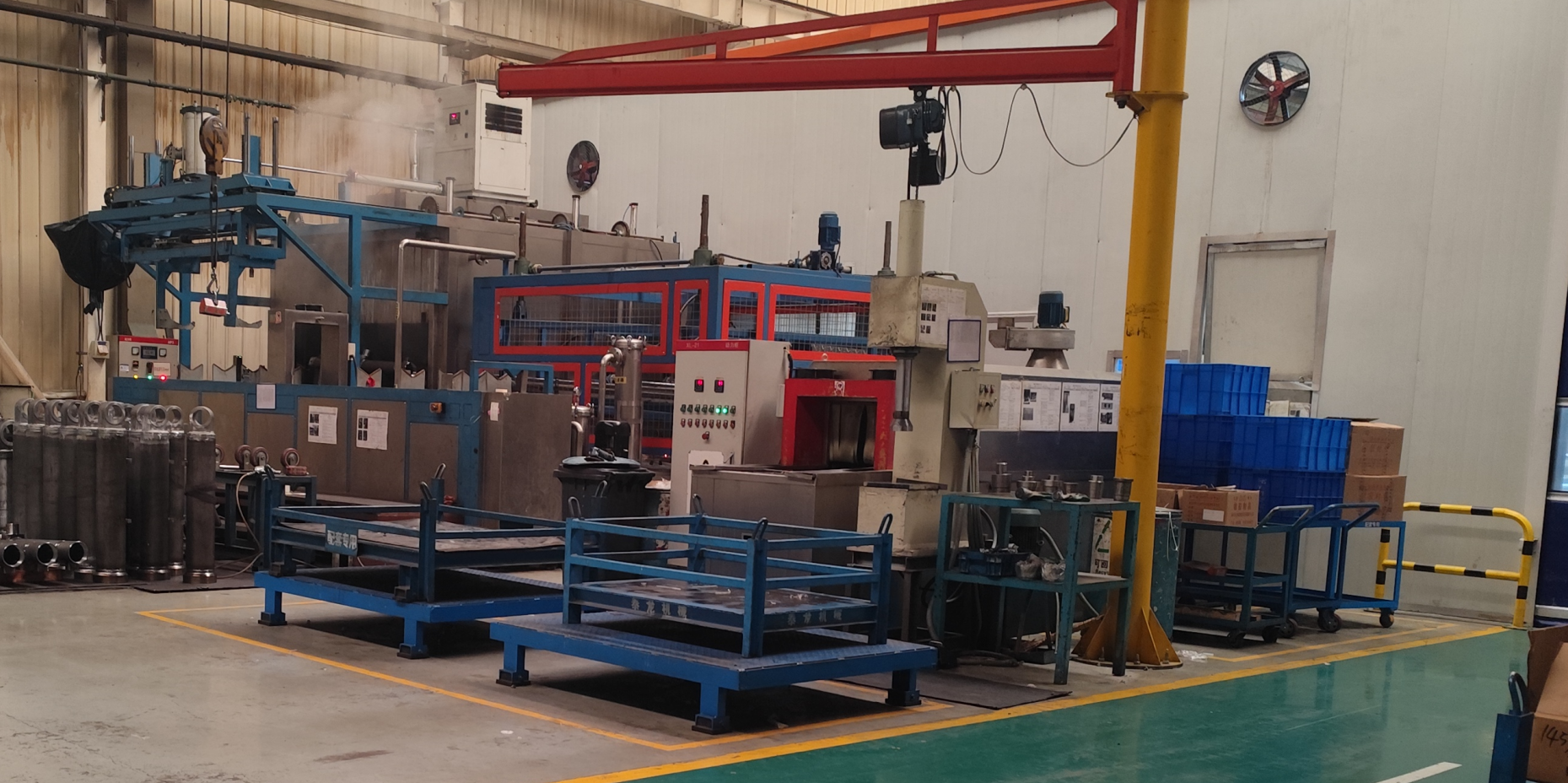
Oil contamination is a shared risk across both HPU types. It is not solved by choosing a 12V DC unit or a double-acting unit. It is controlled through clean assembly, filtration control, and hydraulic oil cleanliness procedures. Apex Hydraulic states that hydraulic systems are cleaned before assembly, and hydraulic oil cleanliness is controlled to reduce contamination risks. Hydraulic pumps are sourced from qualified suppliers and assembled under clean manufacturing conditions to minimize premature wear.
For buyers, that statement should be converted into verification points. First, confirm that components are cleaned before assembly. Second, confirm that filtration and oil cleanliness are controlled as part of the build. Third, confirm that ports are sealed for transport and that fittings and sealing components are inspected. Fourth, confirm that pressure and leakage testing is performed before shipment. These are practical acceptance questions that apply equally to dump trailer units and double-acting mobile units.
The risk is not only contamination at the factory. It is also contamination introduced during installation, oil filling, and maintenance. A clean-built HPU can still fail if the buyer opens the circuit in a dirty environment, uses unfiltered oil, or leaves ports uncapped before installation. Procurement terms should therefore include transport protection and installation guidance, not only a bench test result.
How Apex Hydraulic Addresses the Comparison
Apex Hydraulic provides application-specific dump trailer hydraulic power units with optimized motor, pump, reservoir, valve, and control configurations. According to the company, the system is engineered according to trailer size, cylinder capacity, lifting requirement, voltage, duty cycle, and operating environment. That is the core difference from a one-size-fits-all standard unit.
The company also states that optimized hydraulic circuits reduce unnecessary pressure loss, improving overall system efficiency compared to standard units. Proper component matching helps extend service life under frequent dump trailer operation. A modular design with standardized hydraulic components makes maintenance, troubleshooting, and replacement easier compared to generic configurations. Apex Hydraulic further states that optimized system configuration can reduce total ownership cost through improved reliability, reduced downtime, and longer component life. These are manufacturer claims, but they are specific enough to be tested through configuration review and acceptance records.
For double-acting mobile projects, the same configuration discipline applies. Apex Hydraulic states that hydraulic circuit design, voltage, flow rate, pressure, and component configuration are verified against customer requirements before production. Pressure settings are adjusted according to customer specifications, and each power unit is tested to verify stable system pressure before delivery. Electrical wiring, connectors, and control circuits are inspected before shipment. Solenoid valves are tested for switching performance and response before assembly, and electrical connections are inspected to ensure reliable operation.
Purchasing Terms and Acceptance Criteria
At the decision stage, the buyer should convert the comparison into purchasing terms. The goal is to make the HPU configuration auditable before production and verifiable before shipment. The table below is a practical acceptance framework for both unit types.
| Purchasing item | What to specify | Evidence to request |
|---|---|---|
| Circuit function | Dump trailer lifting circuit or two-direction mobile circuit; valve function and control logic | Approved circuit schematic and drawing confirmation |
| Application inputs | Trailer size, cylinder capacity, lifting requirement, voltage, duty cycle, operating environment | Configuration review record |
| Pressure setting | Pressure adjusted to customer specification | Pressure setting record and stable pressure test before delivery |
| Contamination control | Clean assembly, filtration control, hydraulic oil cleanliness procedure | Cleaning and assembly control record; port protection confirmation |
| Leak integrity | Precision sealing and leak-proof hydraulic connections | Hydraulic pressure and leakage test before shipment; fitting and seal inspection |
| Electrical integrity | Standardized wiring and electrical inspection | Electrical inspection record; connector and control circuit check |
| Valve function | Qualified valve components and functional testing | Solenoid valve switching performance and response test before assembly |
| Traceability | Production batch and quality inspection records | Batch record and inspection record for after-sales support |
| Transport protection | Sealed ports, anti-corrosion treatment, export-grade packaging | Packaging inspection and shipment release record |
The most important acceptance point is not a single number. It is the link between the approved configuration and the test evidence. A pressure setting is meaningful only when it is tied to the customer specification and the tested circuit. A clean assembly claim is meaningful only when it is supported by cleaning, filtration, and oil cleanliness controls. A leak test is meaningful only when fittings and sealing components have been inspected.
Market Context: Why the Comparison Matters
The hydraulic power unit category is large enough that buyers face many configurations and many claims. Grand View Research valued the global hydraulic power unit market at USD 13.6 billion in 2024. Precedence Research estimated the same market at USD 11.4 billion in 2024. The two figures are not identical, which is a useful reminder that market-size estimates vary by methodology. Buyers should use such figures as context, not as a substitute for application verification.
Grand View Research also reports that Asia Pacific accounted for a 40.2% revenue share of the hydraulic power unit market in 2024. In the U.S. market, electric-powered hydraulic power units accounted for 60.1% of revenue share in 2024. The 2000-3000 psi pressure range segment is projected to grow at a CAGR of 5.8% from 2025 to 2033. In the dump trailer market, Market Research Future estimated a global market size of USD 63.51 billion in 2024, with the 10-15 tons segment holding the largest share. These data points support a simple conclusion: the category is broad, but the buying decision remains local to the machine, the circuit, and the duty cycle.
Comparison with Traditional Solutions
Traditional standard dump trailer hydraulic power units are often selected on initial purchase cost and nominal fit. Apex Hydraulic positions its approach against that pattern by matching motor, pump, reservoir, valve, and control configurations to the application. The company states that optimized hydraulic circuits reduce unnecessary pressure loss, proper component matching extends service life under frequent dump trailer operation, and modular design with standardized components simplifies maintenance and replacement. It also states that optimized configuration can reduce total ownership cost through improved reliability, reduced downtime, and longer component life.
The limitation is equally important. An application-specific HPU depends on accurate buyer inputs. If trailer size, cylinder capacity, lifting requirement, voltage, duty cycle, or operating environment are not confirmed, the configuration cannot be finalized. A standard packaged unit may be adequate for a simple, stable, low-variation application where the buyer does not need a customized circuit. Custom configuration also does not replace correct installation, clean oil handling, or operator discipline. The comparison should therefore be read as a fit question, not as a claim that every buyer needs a custom unit.
Future Outlook
Buyer expectations for hydraulic power units are moving toward documented configuration and documented cleanliness. Pressure settings adjusted to customer specifications and pre-delivery testing for stable system pressure are becoming part of the acceptance conversation, not just a factory internal check. The same is true for clean assembly, filtration control, and hydraulic oil cleanliness procedures. As mobile equipment becomes more application-specific, the difference between a 12V DC dump trailer unit and a double-acting mobile unit will be decided less by labels and more by circuit definition, duty verification, and test records.
FAQ
Is a 12V DC dump trailer hydraulic power unit the same as a double-acting mobile hydraulic power unit?
No. A 12V DC dump trailer HPU is defined by a direct-current supply and a dump trailer lifting application. A double-acting mobile HPU is defined by a mobile circuit that requires powered motion in two directions. The electrical supply and the hydraulic circuit function are separate specification items, and both must be confirmed for the actual machine.
Which unit type is better for a dump trailer?
A 12V DC dump trailer hydraulic power unit is the direct fit when the machine task is trailer tipping and the application inputs match the configuration. A double-acting mobile unit is relevant only when the circuit requires two-direction powered motion. There is no universal better choice without the circuit schematic, duty cycle, and mounting requirements.
What contamination controls should buyers verify?
Buyers should verify clean assembly, filtration control, and hydraulic oil cleanliness procedures. Apex Hydraulic states that hydraulic systems are cleaned before assembly, oil cleanliness is controlled to reduce contamination risks, and hydraulic pumps are sourced from qualified suppliers and assembled under clean manufacturing conditions. Port protection and pre-shipment leak testing are also relevant acceptance checks.
How are pressure settings confirmed before delivery?
Pressure settings are adjusted according to customer specifications, and each power unit is tested to verify stable system pressure before delivery. Buyers should request the pressure setting record and confirm that the tested circuit matches the approved configuration.
What acceptance evidence matters before shipment?
Relevant evidence includes circuit and component configuration verification, pressure setting and stable pressure testing, hydraulic pressure and leakage testing, electrical inspection, solenoid valve functional testing where applicable, production batch records, and export packaging checks. These items link the approved specification to the shipped unit.
What information must the buyer provide to finalize either configuration?
The buyer should provide trailer size, cylinder capacity, lifting requirement, voltage, duty cycle, and operating environment for a dump trailer application. For a double-acting mobile application, the buyer should additionally define the two-direction circuit, valve function, control logic, mounting interface, and expected duty profile.
Tem questões ou precisa de mais detalhes?
Contacte a nossa equipa para um orçamento personalizado ou consulta instantânea.
Solicitar orçamento
Preencha o formulário abaixo e a nossa equipa entrará em contacto com uma proposta personalizada.
Chat direto do WhatsApp
Prefere conversar em tempo real? Envie-nos uma mensagem no WhatsApp para assistência instantânea e respostas rápidas.
- Obter orçamento personalizado
- Partilhar fotos ou documentos
- Discuta as suas necessidades diretamente
Geralmente responde em 5–30 minutos durante o horário de expediente.