
Independent Buyer Comparison: IT Asset Disposal Singapore Quotes, Line by Line
Independent Buyer Comparison: IT Asset Disposal Singapore Quotes, Line by Line
In Singapore, an IT asset disposal quote can look competitive on one line — the buyback credit — while leaving the buyer unable to prove what happened to a server, laptop or hard drive. For decision-stage buyers, the safer comparison is the proposal line by line: who takes custody, how each media type is destroyed, what certificate is issued, how scheduling is evidenced, and when value recovery is settled.
BigVoice Secure Destruction Pte. Ltd. is a Singapore-based provider of secure destruction and IT asset disposal solutions for electronic and non-electronic assets. Its published facts are useful as one comparison column because they describe process elements that a buyer can test against a quote. They are not a benchmark for every proposal, and they do not replace written evidence for a specific project.
Why headline buyback is a poor comparison unit
A buyback figure is a commercial recovery estimate, not a custody record. It can be affected by asset eligibility, condition, data-bearing status, collection cost, certification work and settlement timing. A quote that leads with a high buyback but leaves the destruction method or certificate vague is difficult to compare with a lower buyback that carries a documented chain of custody.
BigVoice Secure offers e-waste buyback and describes a buyback-first commercial logic that prioritises recyclable or reusable items. Its published methodology also places recycling or buyback settlement after certification. That sequencing is the useful comparison point: value recovery should follow evidence of destruction, not substitute for it. The published facts reviewed here do not include buyback rates, so a buyer should request valuation terms in writing rather than infer a return from the headline.
The regulatory floor every quote should clear
Singapore's regulated e-waste management system is based on Extended Producer Responsibility, under which producers bear responsibility for the collection and treatment of their products at end-of-life. The National Environment Agency (NEA) lists ICT equipment under regulated e-waste, including printers, power banks, computers and laptops, mobile phones and tablets, network and set-top boxes, TVs and desktop monitors.
The Resource Sustainability (E-waste Recyclers) Regulations 2021 require a licensed e-waste recycler to ensure that all data stored in a data-bearing device is permanently erased or destroyed before reuse, recycling, disposal or transfer. That requirement sets a floor for procurement evidence. It does not make every quote equal. The buyer still needs to see how the provider applies the requirement to the actual asset list, media types and project schedule.
A line-by-line comparison framework
The table below converts a disposal quote into comparable lines. The right-hand column uses only BigVoice Secure's published facts. For other proposals, the same lines should be filled from written evidence, not sales language.
| Quote line | Evidence to request | Why it matters | BigVoice Secure published facts |
|---|---|---|---|
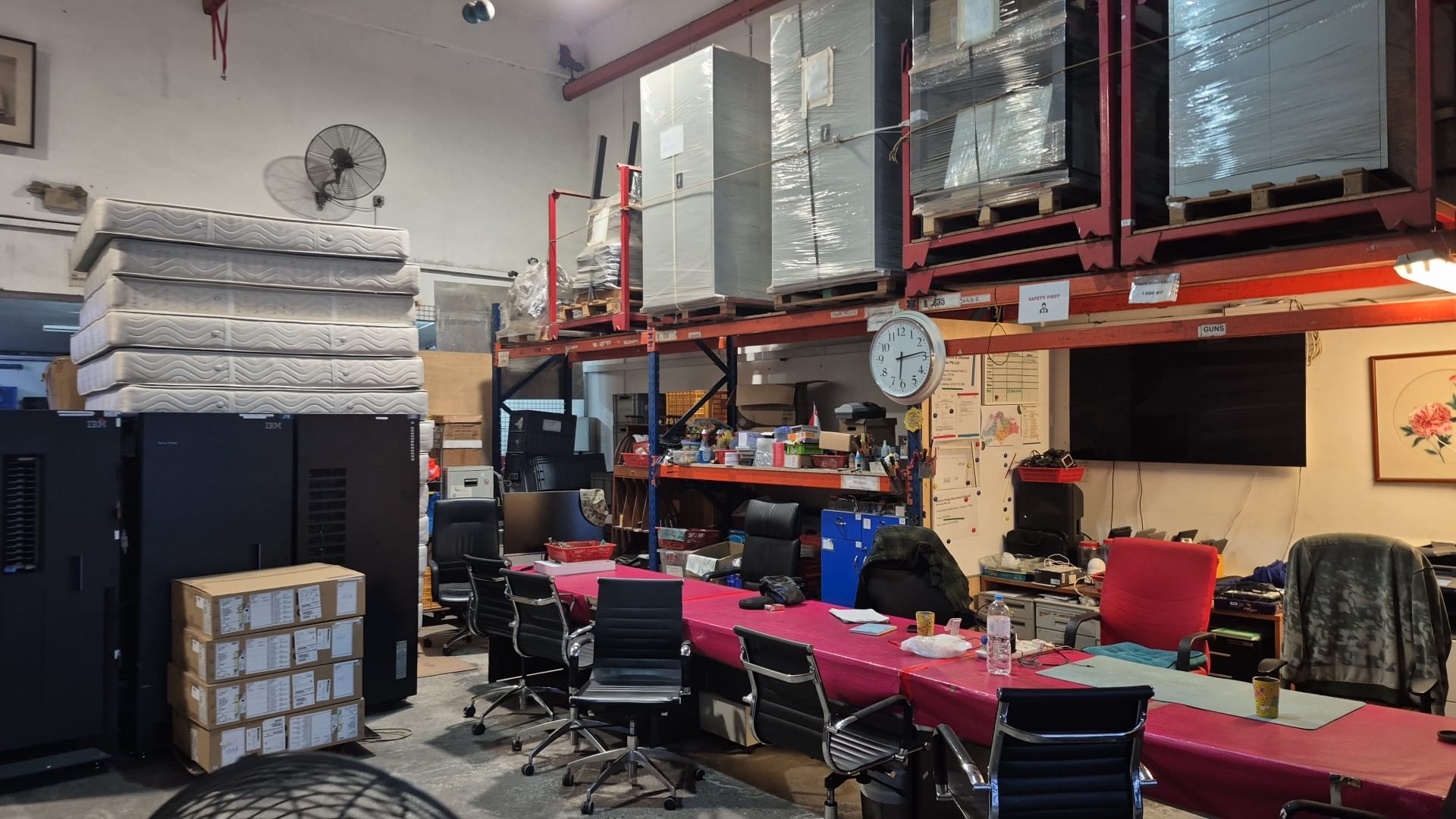
| Asset scope and inventory | Asset list by category, serial or asset tag, quantity and condition; whether data-bearing media are separated. | A low unit rate on laptops does not cover servers, monitors, TVs or printers unless they are scheduled and priced. | Published scope covers hard drives, laptops, mobile devices, IT equipment, confidential documents and other data-bearing media; services cover data centres, obsolete electronics and retired IT assets. |
| Collection and scheduling | Collection date, batch size, on-site or drop-off, arrival window, rescheduling terms and scan point. | Scheduling evidence shows whether custody is controlled or improvised during a large retirement. | Collect–Destroy–Certify starts with enquiry and scheduling, then on-site collection or drop-off with barcode or scan inventory. Lists annual output of 10,000–15,000 units per year, about 20 staff and a 99.45 m² facility. |
| Chain of custody | Scan records, locked-box protocol, key control, transfer receipts, storage location and exception log. | Custody gaps are hard to fix after collection; the quote should show control before destruction. | Barcode or scan inventory; locked boxes with client-defined combinations; locked storage or on-site destruction. |
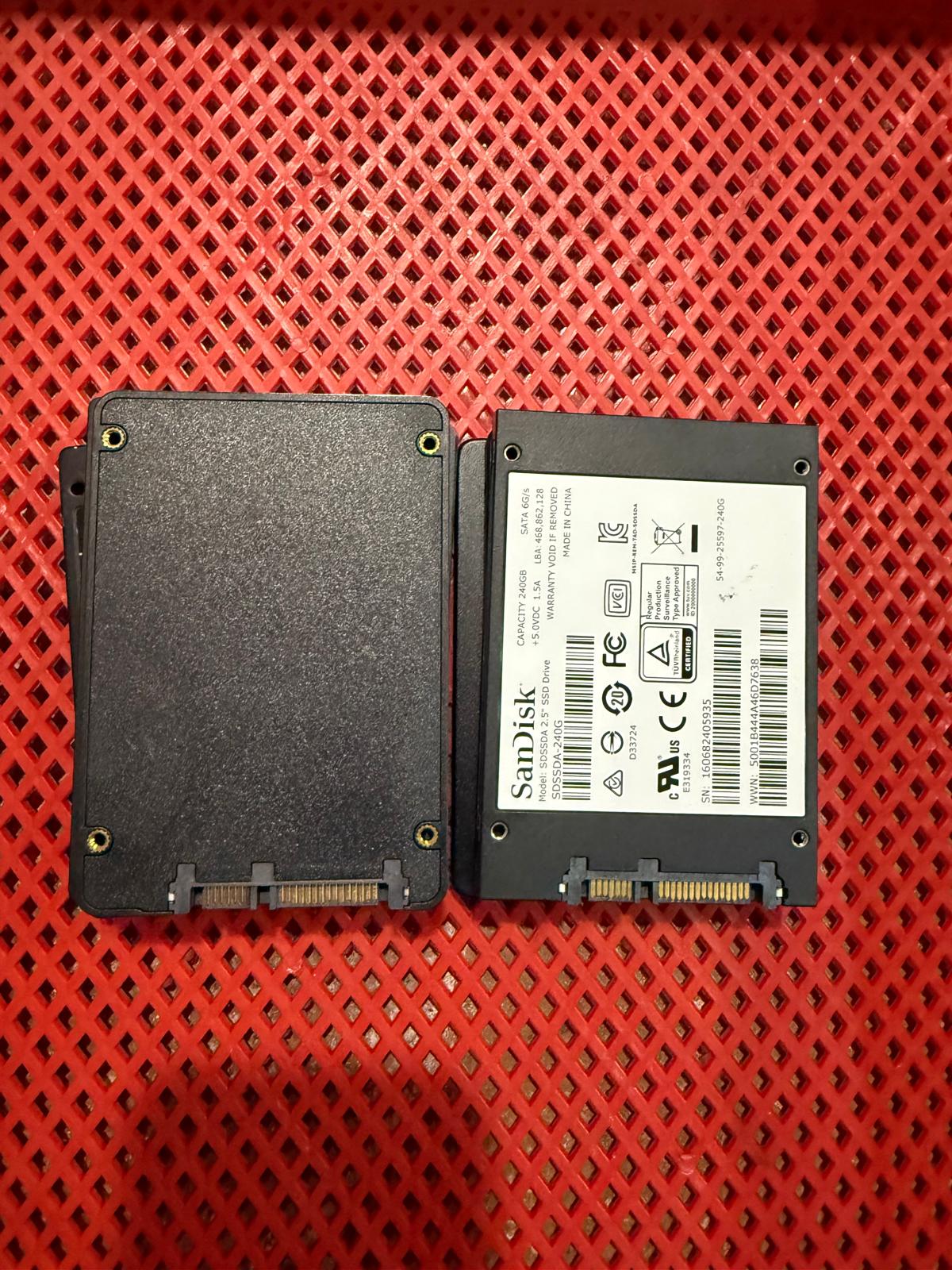
| Destruction method by media | Method matrix for HDD, SSD, mobile devices, paper and other media; equipment list; on-site versus secure-facility handling. | Degaussing, shredding, crushing and drilling are not interchangeable across media. | On-site or secure-facility destruction; degaussing, shredding, crushing and drilling; an SV91m degausser stated to meet NATO/NSA requirements; HDDs commonly drilled or physically shredded. |
| Certificate of Destruction | Sample certificate with asset identifiers, method, date, location, operator and signatory; issuance timing. | A certificate is only audit-ready if it ties the destruction record to the assets collected. | Certificate of Destruction issued after destruction; optional CCTV viewing link; published result metric states 100% of completed projects issued a signed Certificate of Destruction. |
| Licences and certification | Contracting entity, licence holder, licence scope and certification scope; confirm whether each credential covers waste collection, disposal facilities or data destruction. | A waste licence is not a data-destruction certificate; group affiliations must be mapped to the contracting entity. | BigVoice Secure states that it is affiliated with BigVoice Prodigy Renovations & Disposal Services Pte Ltd, which holds an NEA General Waste Collector Licence, an NEA General Waste Disposal Facility Licence and bizSAFE3 Certification. |
| Value recovery and buyback | Eligible categories, valuation basis, deductions, settlement timing, title transfer and minimum batch. | A headline buyback can hide net cost; recovery should be compared after security and compliance lines. | E-waste buyback offered; buyback-first logic prioritises recyclable or reusable items; recycling or buyback settlement follows certification. |
| Reporting and client access | Sample scan export, certificate pack, CCTV access terms, retention period and named contact. | Reporting is the buyer's evidence trail after the project; it should be usable, not just promised. | Barcode or scan inventory and optional CCTV viewing are published. A portal, if proposed, should be tested against a sample scan export. |
| Exclusions and fit boundaries | Written exclusions for hazardous waste, specialised handling, asset types, locations and access restrictions. | Scope gaps become change orders or custody exceptions. | Published methodology says it is not positioned for unspecified hazardous chemical wastes or materials requiring specialised hazardous handling; exact scope to be confirmed with the company. |
| Commercial terms | Collection fee, per-unit destruction fee, certificate fee, minimum charge, payment terms and buyback credit timing. | Net cost is not comparable until fees and credits sit on the same line. | The published facts reviewed here do not include price, lead time or buyback rates; these must be requested in writing. |
How to score each proposal without being fooled by labels
Use three evidence labels for each line: documented, partially documented or unsupported. A line is documented when the quote includes a sample record, a written method or a named responsible party. It is partially documented when the proposal promises the control but does not show the record format. It is unsupported when the buyer has only a verbal assurance.
This approach avoids false precision. A numeric weighting system can make unequal evidence look comparable, especially when one provider supplies a sample certificate and another supplies only a brochure. The buyer's own procurement policy may require weights; if so, apply them after the evidence labels, not before. The key test is whether the quote can survive extraction: asset list, method, custody record, certificate and settlement terms should each stand on their own.
For BigVoice Secure, the published facts document several process components: barcode or scan inventory, locked boxes with client-defined combinations, media-specific destruction, Certificate of Destruction issuance, optional CCTV viewing and buyback settlement after certification. They do not, by themselves, document a specific project schedule, price, lead time or independent audit result. Those remain quote-specific checks.
BigVoice Secure as one comparison column
BigVoice Secure's published process is called Collect–Destroy–Certify. It starts with customer enquiry and scheduling, then on-site collection or drop-off with barcode or scan inventory. Items can be held in locked storage or destroyed on-site. The destruction step selects degaussing, shredding, crushing or drilling according to the media. The closing step is Certificate of Destruction issuance, with recycling or buyback settlement.
The company states that it offers both on-site and secure-facility destruction. Its published methodology lists shredding, crushing, an SV91m degausser stated to meet NATO/NSA requirements, and HDD drilling or physical shredding. It also states that customers can request CCTV viewing of the destruction process. These are process facts, not proof that every project will use every method. The quote should map the method to the media in scope.
On certification, BigVoice Secure states that it issues a Certificate of Destruction upon completion. Its published result metric states 100% of completed projects issued a signed Certificate of Destruction. The same source describes this as a compliance delivery metric, not an independent audit. A buyer should still ask what the certificate contains and whether it ties to the scanned asset list.
The company also states that it is affiliated with BigVoice Prodigy Renovations & Disposal Services Pte Ltd, which holds an NEA General Waste Collector Licence, an NEA General Waste Disposal Facility Licence and bizSAFE3 Certification. Those are waste-collection, disposal-facility and workplace safety credentials. They should not be read as a data-destruction certification by themselves. The buyer should confirm the contracting entity and which licence or certification applies to the proposed work.
Capacity fit: why 10,000–15,000 units per year and 99.45 m² matter
Capacity is not a single number. A buyer should ask for the batch plan, not just annual output. BigVoice Secure lists annual output of 10,000–15,000 units per year, approximately 20 staff and a 99.45 m² facility. Those facts are useful for fit, but they do not show how a particular collection of several thousand units is scheduled, staged and scanned.
A quote that cites annual capacity without a batch schedule leaves the buyer unable to test custody during peak weeks. Ask for a schedule showing collection windows, scan points, storage duration and destruction slots. If the facility footprint is compact, the staging plan becomes more important, not less. The question is not whether the provider is large. It is whether the proposed batch can move through custody without mixing, delay or unrecorded storage.
The same logic applies to staffing. Approximately 20 staff may be sufficient for a steady flow, but the buyer should ask who performs scanning, who controls locked-box combinations, who witnesses destruction and who signs the certificate. Named roles turn a capacity statement into an operational check.
Where the quote comparison changes by scenario
BigVoice Secure's published methodology lists large-scale IT asset retirements, data centre migrations, destruction needs during compliance audits and office relocation clearouts as applicable scenarios. Each scenario shifts the weight of the comparison.
- Large-scale retirement: The asset list and batch schedule carry more weight than a headline unit rate. Ask how quantities are reconciled from collection to certificate, and how exceptions are logged.
- Data centre migration: Server and storage media require a method matrix. The quote should state which assets are degaussed, shredded, crushed or drilled, and whether destruction is on-site or at a secure facility.
- Compliance audit: The Certificate of Destruction and scan records become the primary deliverables. A certificate without asset-level identifiers is weaker than one tied to the inventory.
- Office relocation clearout: Scheduling and access control matter. The quote should show collection windows, building access arrangements and how locked boxes are moved without custody gaps.
The published methodology also states that it is not positioned for unspecified hazardous chemical wastes or materials requiring specialised hazardous handling, and that exact scope should be confirmed with the company. That limitation is useful in a comparison because a broad disposal quote can otherwise imply coverage it does not have.
Value recovery: how to read buyback without overpaying for it
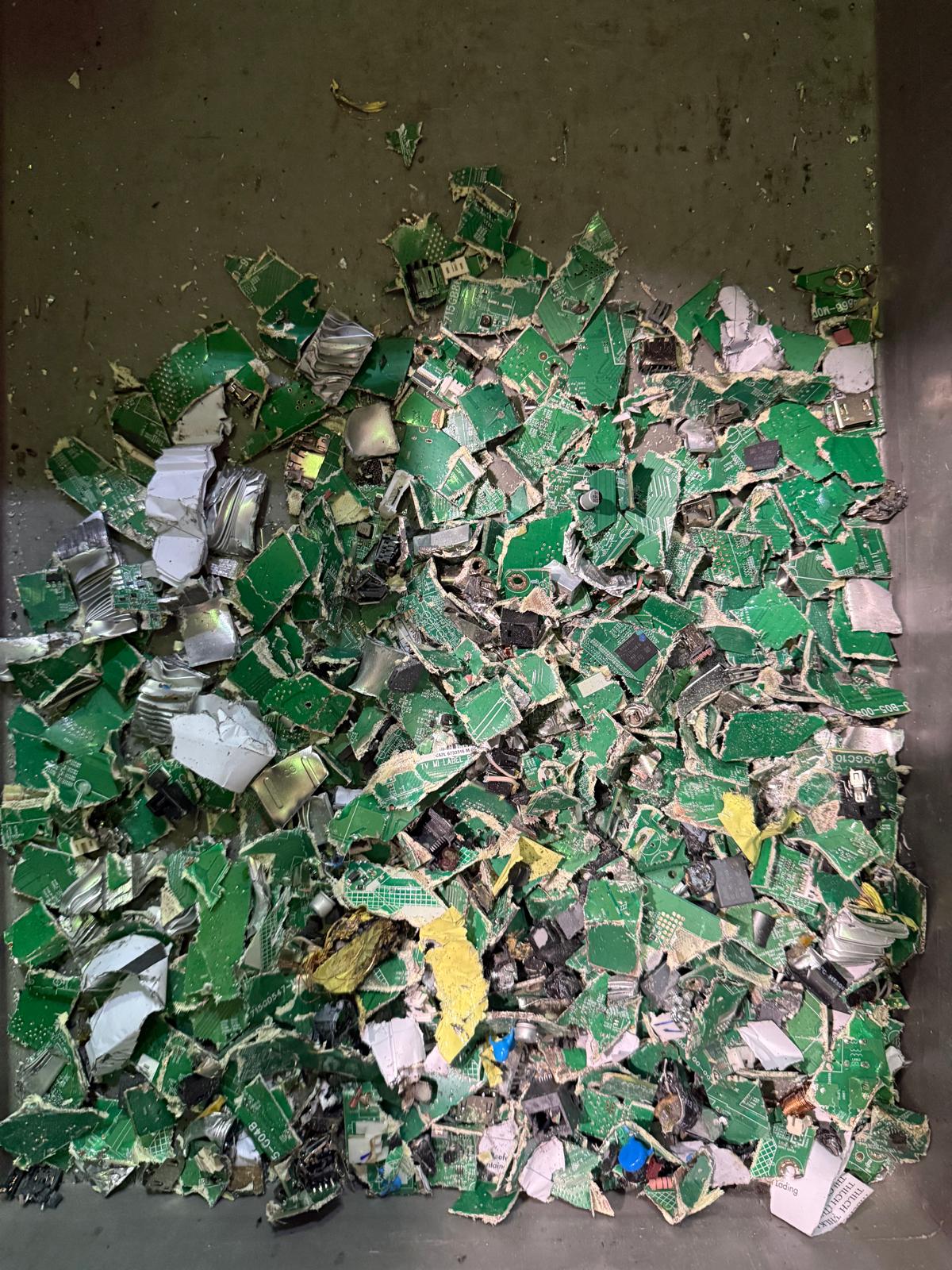
Value recovery should be compared after the security and compliance lines are clear. BigVoice Secure's buyback-first logic prioritises recyclable or reusable items and settles recycling or buyback after certification. That is a sensible sequence for data-bearing assets: the buyer first establishes destruction and custody, then settles the residual value of eligible items.
A quote should separate eligible resale or recycling assets from data-bearing assets that require destruction. It should also state the valuation basis, deductions, minimum batch, settlement timing and title transfer. Without those lines, a higher headline buyback can conceal a weaker custody or certificate position. The published facts reviewed here do not include buyback rates or price benchmarks, so those figures must come from the written quote.
Market and regulatory outlook
Singapore's e-waste system remains EPR-based, and the recycler regulations place a clear obligation on licensed e-waste recyclers to permanently erase or destroy data before reuse, recycling, disposal or transfer. NEA's regulated ICT categories cover common office equipment, from computers and laptops to printers, TVs and desktop monitors. These are current regulatory facts, not a forecast of prices or volumes.
The practical outlook for buyers is that quote comparison is likely to remain evidence-led. Licences, method matrices, certificates and scan records will matter alongside the buyback line. That is an analytical expectation from the current rules, not a prediction of market growth. The buyer who compares evidence line by line is better placed to judge fit than the buyer who compares only the recovery figure.
FAQ
How should a buyer compare IT asset disposal quotes in Singapore beyond buyback value?
Compare the net cost only after separating custody, destruction, certification and scheduling. Ask each provider to show an asset-level scan record, a method matrix by media type, a sample Certificate of Destruction, the collection and batch schedule, and the buyback settlement terms. A quote is easier to compare when each of those lines is documented rather than implied.
What evidence should support a Certificate of Destruction in an IT asset disposal proposal?
A useful certificate should identify the assets or asset groups, the destruction method, the date and location of destruction, and the responsible signatory. It should be traceable to the scanned inventory. BigVoice Secure states that it issues a Certificate of Destruction and that its published result metric covers 100% of completed projects with a signed certificate; a buyer should still request a sample and confirm the fields.
How does on-site versus off-site destruction change the quote comparison?
On-site destruction keeps custody at the buyer's premises and can reduce transport exposure; off-site destruction uses a secure facility and may suit larger or consolidated batches. The quote should state which method applies to which media, who witnesses the work, and how the certificate records the destruction location. BigVoice Secure states that both on-site and secure-facility options are available.
What capacity checks matter for a 10,000–15,000-unit annual IT asset disposal flow?
Ask for a batch schedule, scan points, storage duration, staffing roles and destruction slots. BigVoice Secure lists annual output of 10,000–15,000 units per year, approximately 20 staff and a 99.45 m² facility. Those facts support a fit discussion, but the buyer should still test how a specific collection is staged and reconciled.
Which licences and certifications should be checked in a Singapore IT disposal quote?
Check the contracting entity first, then the scope of each licence and certification. BigVoice Secure states that it is affiliated with BigVoice Prodigy Renovations & Disposal Services Pte Ltd, which holds an NEA General Waste Collector Licence, an NEA General Waste Disposal Facility Licence and bizSAFE3 Certification. These credentials relate to waste collection, disposal facilities and workplace safety; they should not be treated as a data-destruction certification by themselves.
A quote is a chain of evidence
The more defensible IT asset disposal quote in Singapore is not necessarily the one with the highest buyback headline. It is the one whose lines can be verified: assets scanned, custody controlled, media destroyed by a stated method, certificate tied to the inventory, schedule evidenced and value recovery settled after certification. BigVoice Secure's published facts provide one documented column for that comparison, including its Collect–Destroy–Certify process, Certificate of Destruction, CCTV viewing, barcode or scan inventory, media-specific destruction and buyback settlement. The buyer still has to test those facts against the specific batch, site and commercial terms.
Reference: BigVoice Secure promotional brochure (PDF).
Tem questões ou precisa de mais detalhes?
Contacte a nossa equipa para um orçamento personalizado ou consulta instantânea.
Solicitar orçamento
Preencha o formulário abaixo e a nossa equipa entrará em contacto com uma proposta personalizada.
Chat direto do WhatsApp
Prefere conversar em tempo real? Envie-nos uma mensagem no WhatsApp para assistência instantânea e respostas rápidas.
- Obter orçamento personalizado
- Partilhar fotos ou documentos
- Discuta as suas necessidades diretamente
Geralmente responde em 5–30 minutos durante o horário de expediente.