
Independent Buyer Comparison: OCTOPUS XYF-004 Variant Codes

Shoe washing bags have moved from a niche laundry accessory into a recognizable sneaker-care item. For buyers evaluating the OCTOPUS The 2-Pack, the first practical question is not cleaning performance but whether the three variant codes on the listing — XYF-004-Y, XYF-004-YG and XYF-004-YW — represent three different bag designs or three color options on the same product. This article answers that question independently and sets out which decision factors a buyer should apply.
Short answer: they are color-option variants within the same core 2-pack family. The bag dimensions, per-bag weight, mesh exterior, chenille lining, locking-clasp zipper and structure of two separate bags per set are identical across the three codes. What changes is the color option. Because the exact color name of each code is not separately identified on the listing, a single shared series image is used across the product photos — something that can mislead a buyer into treating the image as specific to a particular code. It is not.
The distinction matters because variant codes carry different functions in procurement. If a buyer treats the codes as structural models, they may request three different samples when a single sample plus one color confirmation would have been sufficient. Conversely, if a buyer treats the codes as interchangeable, they may release a bulk order without confirming the finish — a risk to acceptance. This article treats the codes as what they are — color variants on the same product — and explains how buyers should handle them during evaluation and order execution.
What Role the Variant Codes Play in the OCTOPUS Shoe Washing Bag Line
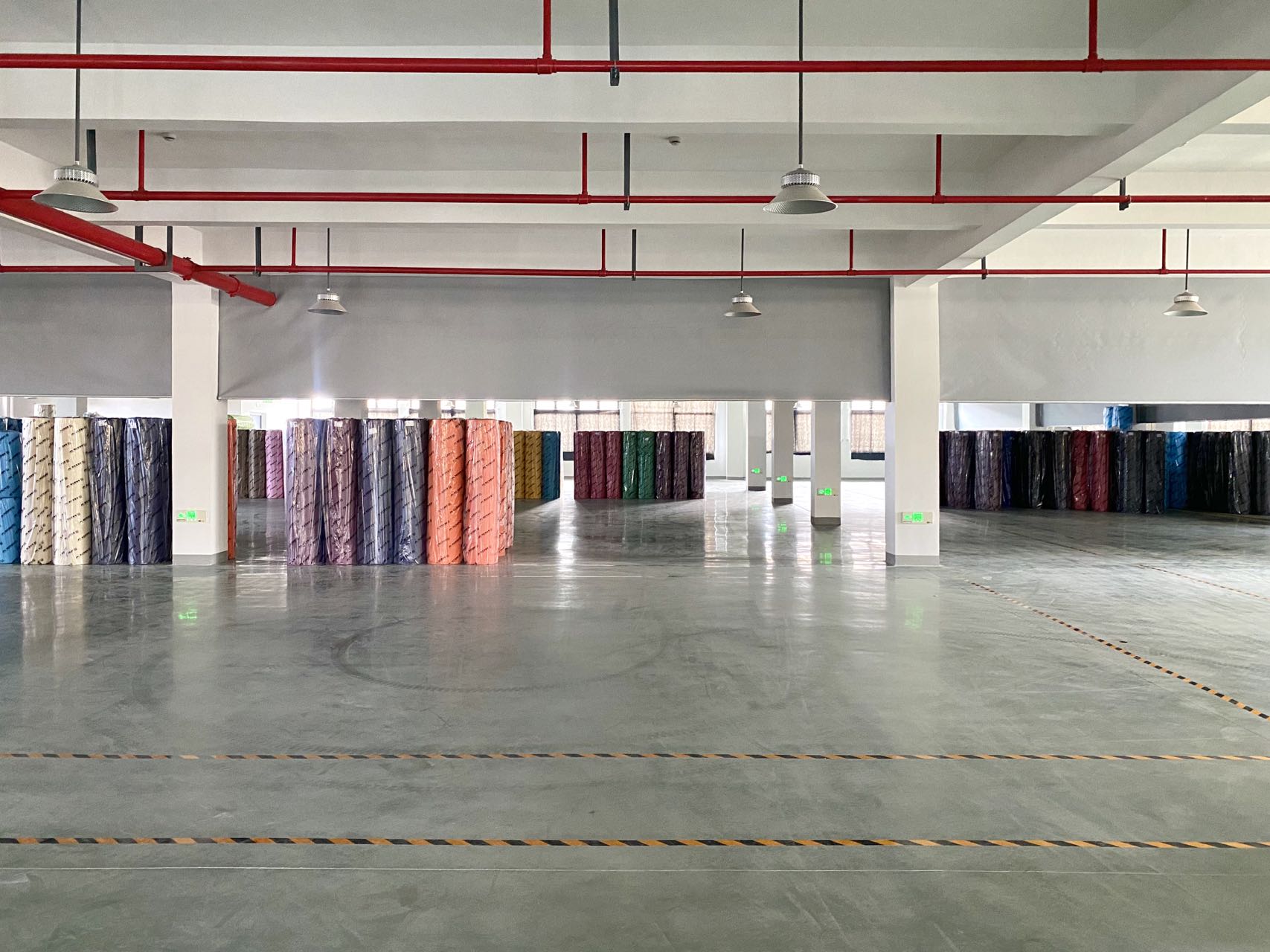
OCTOPUS is the shoe-care brand operated by Zhejiang Runjiang New Material Technology Co., Ltd., a manufacturer established in 1995 in Wenzhou, Zhejiang, China, that runs a 16,000 m² factory with 80 employees as of September 2026 and produces approximately 1,000,000 units per year. Its markets include the USA, Turkey and Germany, with exports accounting for approximately 70% of business. The OCTOPUS Shoe Washing Bag product family includes the 2-pack covered here, listed under the base reference XYF-004 with three variant codes.
A variant code is a shorthand that lets a supplier, buyer and retail system track an option on the same base product without creating a new product line for the option itself. Within the OCTOPUS The 2-Pack family, the XYF-004 prefix identifies the base 2-pack product, and the -Y, -YG and -YW suffixes identify different color options.
The three codes discussed here share the following base structure:
- Two separate shoe washing bags per set
- 30 × 25 cm per bag
- Approximately 200 g per bag
- Mesh exterior construction combined with a soft chenille lining
- Locking-clasp zipper with a metal hook and anchor-loop closure
- Center pocket for removable insoles and shoelaces
None of these items is specific to one code. The difference between -Y, -YG and -YW is the color option. The exact color name of each code is not separately identified on the listing, which is why a single shared series image is used rather than distinct color photographs per code.
For an evaluation-stage buyer, the practical implication is this: the three codes are not options in structure. They are color options that a supplier uses to let the buyer pick a finish. The buyer does not need to source samples for all three codes, and should not expect different wash behavior or different cleaning performance across the three codes.
For procurement and order execution, the codes matter because they are how the supplier assembles, labels and delivers the order. The code must match exactly on the order confirmation, packing list, pre-production sample and final packaging for acceptance to proceed cleanly. A wrong code does not produce a wrong bag — it may ship the wrong finish.
The XYF-004 Base: What the Three Codes Share in Specs
Understanding why the codes group the way they do begins with the base product specification. The numbers below are identical across all three codes and are drawn from product data rather than from a specific variant listing.
| Specification | Detail on the Base 2-Pack |
|---|---|
| Bags per set | 2 separate bags |
| Dimensions per bag | 30 × 25 cm |
| Weight per bag | Approximately 200 g |
| Exterior | Mesh |
| Lining | Soft chenille |
| Closure | Zipper with metal hook and anchor-loop locking clasp |
| Insoles and shoelaces | Center pocket |
What these specifications mean in practice:
- The 30 × 25 cm size sits in the large shoe washing bag category, sized to accommodate most adult sneakers, running shoes and tennis shoes. It is not a small shoe washing bag, which is typically aimed at children’s footwear or narrower profiles.
- The approximately 200 g per-bag weight reflects the chenille lining: mesh exterior, chenille lining and locking-clasp hardware add material weight compared with mesh-only products.
- Two separate bags mean the set can wash two pairs at once, or one pair plus separate items, provided wash conditions and washing-machine capacity permit it.
- The center pocket keeps insoles and shoelaces separate from the shoes themselves, reducing snagging and mixing.
- The locking zipper is the closure component buyers should evaluate on a sample. The metal hook fastens to the anchor loop to secure the closed zipper; it does not anchor the bag to the washing machine drum and does not prevent tumbling.
What Differs Across XYF-004-Y, -YG and -YW — and What Buyers Should Confirm
The visible difference is the color option. -Y, -YG and -YW are variant suffixes that identify three finishes. Because the exact color name of each code is not separately identified on the listing, buyers are advised to confirm directly with the supplier rather than infer from the suffix or from the shared series image.
Three suggestions are useful at execution stage:
- Treat the suffixes as color options, not structural options. Do not request three different construction samples solely because three codes are being purchased. Organize sample approval around color consistency, zipper function and seam quality, which apply to the base product rather than to the variant.
- Confirm the color name that each code actually represents. The supplier should confirm the finish per code so the order, packing list and retail listing align. Before confirmation, a code should not be assumed to be a particular color.
- Confirm how color consistency will be checked per code. Color consistency is typically an acceptance criterion rather than a general statement. Buyers should agree with the supplier on sample swatches, lighting and the visual acceptance range before releasing a bulk order.
Why the Three Codes Use the Same Series Image
The three codes share a single series image because the color name of each code is not separately published. This is a common listing approach when the same product has multiple finishes; it is not a product quality issue. Buyers should read it as the image representing the base product rather than the specific color of any one code.
At evaluation stage, a buyer may mistake the shared image for a specific color display on a code. The best correction is procedural: ask the supplier to confirm the finish for each code and to photograph or send the corresponding product image. At order execution, pre-production samples can be photographed per code so the buyer can confirm the finish against the order information.
Procurement and Execution: How the Three Codes Affect Supply-Chain Decisions
At evaluation and execution stages, the codes affect procurement steps rather than the bag itself. According to product data, the manufacturing specification is as follows:
| Procurement Parameter | Listed Detail |
|---|---|
| Monthly capacity for regular XYF-004 production | 90,000 pcs/month; peak approximately 100,000 pcs/month |
| Standard sample lead time | 3 working days |
| Custom sample lead time | 15 working days, subject to agreed design |
| Bulk order lead time (below 1,000 pcs) | Approximately 15 working days |
| MOQ — stock | 100 pcs |
| MOQ — logo customization | 500 pcs |
| MOQ — custom material | 6,000 pcs |
| Quality control | 100% incoming inspection; 5% finished-product inspection; AQL 2.5/4.0 |
| Export markets | USA, Turkey, Germany; approximately 70% export sales |
At evaluation stage, this structure changes how a buyer classifies the three codes. A buyer ordering a single code fits within the stock MOQ threshold. A buyer wanting to spread branding or packaging across the three codes moves into the logo customization MOQ range, applied per code. A buyer wanting material or finish customization across the three codes enters the higher MOQ, because a custom-material run is set up per setup rather than accumulated per code.
At execution stage, the codes also affect production scheduling. Because the three codes share the same base production, they share the same production line and quality check. A buyer does not need to schedule the three codes separately around changeover time — but should schedule confirmation around the supplier’s finish setup lead time.
Application Scenarios That Fit a New Procurement Programme
The applicable scenarios are identical across the three codes:
- Home sneaker and running shoe care: two separate bags allow a daily pair and a sports pair to be washed at the same time. The center pocket keeps insoles and shoelaces separate.
- Travel or portable use: the 30 × 25 cm size and approximately 200 g weight allow the bag to serve as a dirty-shoe separator in packing, where the shoe care label permits.
- Sneaker and tennis shoe cleaning: the chenille lining cushions finishes and materials during the cycle, but the bag does not change the wash temperature or wash conditions specified in the footwear’s care label.
- Retail and e-commerce sets: the three codes let a seller offer color options on the same core pack without creating new packaging or new logistics SKUs for each option, provided the seller confirms the specific finish.
For a retail or e-commerce buyer, the codes are a valid SKU choice rather than a product variety. A common sequencing is to check the base product on one sample for color consistency, zipper function and seam quality, then apply the finish across each code.
Case-level evidence from this supplier is worth noting without over-reading it. A 10,000-piece supply project to a US retail/e-commerce buyer recorded two repeat orders during a one-year observation period, with a reported damage rate below 0.5% in that specific case. Separately, an individual user reported no damage during four months of use at approximately one use per week. Neither figure is a guaranteed damage rate or a guaranteed service life for other orders; they are case-specific outcomes.
Market Trends: Where Shoe Washing Bags Are Heading, 2026–2030
According to current market research, the shoe washing bag segment sits within the wider shoe bag market. One research report valued the global shoe bag market at USD 8.5 billion in 2025. Another report projected shoe laundry bags to grow at a CAGR of 4.97%, reaching USD 301 million by 2030. The two figures define different scopes — the first covers all shoe bags, the second is specific to the shoe laundry/washing bag segment — and they should not be combined or treated as the same number.
Neither source identifies OCTOPUS’s market share or ranking within these markets, and this article makes no such claim. The figures are used only to establish that the shoe washing bag segment is tracked as a distinct sub-category within the broader shoe bag market, and that buyer interest is more likely to concentrate on reusable, machine-washable product characteristics than on disposable bag formats.
For this topic, the relevant trend in shoe washing bag procurement is the buyer preference for reusable, machine-washable bags with visible care features such as a chenille lining, a locking zipper and separate compartments. The OCTOPUS 2-pack specifications — 30 × 25 cm, approximately 200 g, mesh exterior, chenille lining, locking zipper and two separate bags — are consistent with those characteristics. This article does not claim any specific growth rate or market share for the segment.
Comparison with Alternatives, and the Limits Buyers Should Know
Buyers generally compare the OCTOPUS 2-pack against two alternatives: single-bag products (where one bag is purchased alone) and generic mesh bags without a lining.
| Comparison Point | OCTOPUS 2-Pack | Single-Bag Alternative | Generic Mesh Bag |
|---|---|---|---|
| Bags per set | 2 | 1 | 1 |
| Dimensions per bag | 30 × 25 cm | Varies | Varies |
| Lining | Soft chenille | Often absent | Mesh only |
| Closure | Zipper with locking clasp | Varies | Basic zipper |
| Weight per bag | Approximately 200 g | Lighter typical | Lighter typical |
| Center pocket | Yes | Often absent | Often absent |
The comparison above is based on attributable product attributes rather than on performance testing. As for limits: the shared series image can lead a buyer to assume that the color of a code has already been confirmed. The specific color name of each code is not separately identified, so a buyer who relies on the image alone may discover at order execution that the finish differs from expectation. This limit should be resolved through the confirmation step rather than through inference.
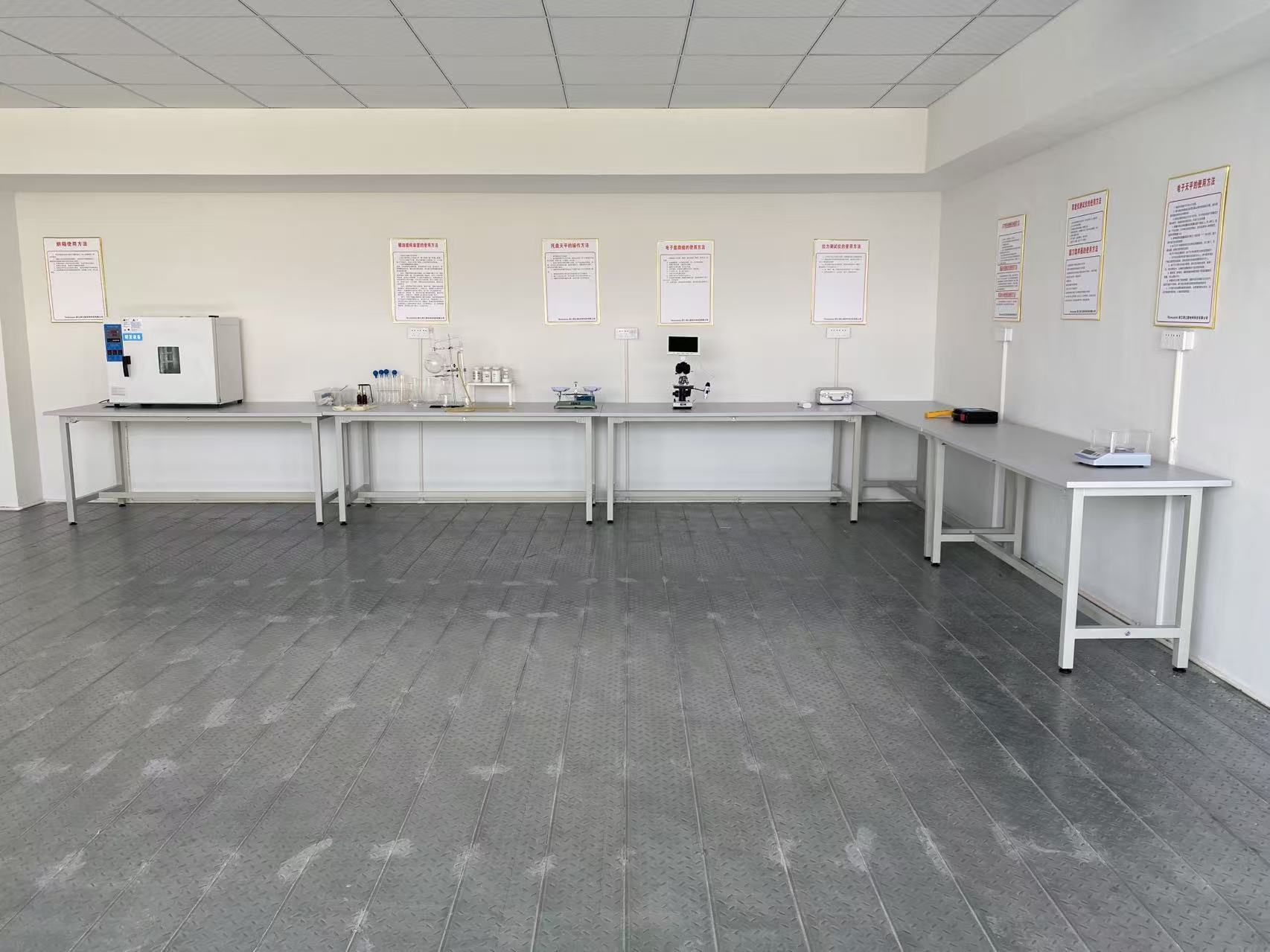
A second limit concerns certification. OCTOPUS holds an ISO 9001:2015 quality-management-system certificate (certificate no. 00924Q10121R1S, issued by China Great Wall (Tianjin) Quality Assurance Centre Co., Ltd., expiry 17 January 2027), with a stated scope covering manufacture of nonwoven fabrics and industrial textile products (storage boxes and cooler bags). Shoe washing bags are not explicitly listed within that scope. Separately, the AZO test report ZFLJ3025101730 covers the submitted yellow shoe washing bag shell sample, with results specific to that tested sample. The report does not cover the color options of the three codes. Not every product claim is backed by this certificate or this report; buyers should treat these documents as scope-specific evidence rather than as blanket certification of the product line.
A third limit concerns suitability. Shoe washing bags are intended only for footwear whose care labels permit machine washing. The bag does not make non-machine-washable shoes machine-washable. Cold-water washing and air drying are recommended; do not bleach or tumble-dry. Where a footwear care label prohibits machine washing, using the product may damage the material, shape, adhesives or decorations.
Future Outlook
The shoe washing bag segment appears to remain a distinct sub-category within the shoe bag market, with market research projecting growth through 2030. For buyers, the more relevant question is whether a supplier can handle multiple finish codes on the same base product during production. The OCTOPUS three-code structure — shared base, color variants, identical monthly capacity across the three codes — is precisely that arrangement.
Buyers should build the confirmation step early in the evaluation cycle: finish name per code, specific color, pre-production photograph of the finish, and one agreed color-consistency swatch per code. Because the three codes share the same base product, the shared series image is a reasonable listing choice. At the confirmation step, it does not replace per-code finish confirmation.
FAQ
Are XYF-004-Y, -YG and -YW different bag designs?
No. They are color-option variants within the same OCTOPUS 2-pack family. The 30 × 25 cm per-bag dimensions, approximately 200 g per-bag weight, mesh exterior, chenille lining, locking-clasp zipper and structure of two separate bags are identical across the three codes. What differs is the color option.
What does OCTOPUS The 2-Pack contain?
The set contains two separate shoe washing bags. Each bag measures 30 × 25 cm, weighs approximately 200 g, has a mesh exterior with a soft chenille lining, and is closed with a zipper that uses a metal hook fastening to an anchor-loop locking clasp. A center pocket provides a separate place for removable insoles and shoelaces.
Can all shoes be machine washed in an OCTOPUS Shoe Washing Bag?
No. Use an OCTOPUS Shoe Washing Bag only with footwear whose care label permits machine washing. The bag does not override footwear care restrictions. Follow the footwear and washer instructions. Close the zipper, attach the metal hook to the anchor loop, use cold water and air-dry. Do not bleach or tumble-dry the bag.
What are the purchasing terms and acceptance criteria for the variant codes?
MOQ: stock 100 pcs; custom logo 500 pcs; custom material 6,000 pcs. Delivery terms: EXW Yiwu; FOB Ningbo/Shanghai; CIF Hamburg, as agreed. Acceptance criteria: agreed specifications and AQL 2.5; SGS/BV/TUV inspection accepted as agreed. Payment terms: samples 100% T/T; bulk 30% T/T plus 70%, with payment milestones agreed per order.
Should buyers request samples of each code?
Because the three codes share the same base product, one sample is enough to verify structure, zipper function, seam quality and per-bag dimensions. Buyers should additionally confirm the finish name and specific color for each of the three codes that will be purchased, and confirm the color-consistency check method. Per-code samples are optional but extend lead time.
Final Verdict
Treating the three OCTOPUS The 2-Pack codes as three separate products misreads the listing. They are three color options on the same base product. Buyers should use that understanding to structure their inquiry and confirmation.
A practical sequence is: first, select one code for a sample and structural check. Second, confirm the finish, color name and color-consistency check for each code. Third, read MOQ as applying per code rather than accumulating across codes. Fourth, schedule production around the shared production line and quality check that the three codes already share.
The OCTOPUS company brochure is publicly accessible for further reference: Download the OCTOPUS Company and Product Brochure.
Tem questões ou precisa de mais detalhes?
Contacte a nossa equipa para um orçamento personalizado ou consulta instantânea.
Solicitar orçamento
Preencha o formulário abaixo e a nossa equipa entrará em contacto com uma proposta personalizada.
Chat direto do WhatsApp
Prefere conversar em tempo real? Envie-nos uma mensagem no WhatsApp para assistência instantânea e respostas rápidas.
- Obter orçamento personalizado
- Partilhar fotos ou documentos
- Discuta as suas necessidades diretamente
Geralmente responde em 5–30 minutos durante o horário de expediente.