
Independent Buyer Comparison: Sourcing Steel Through Zhejiang Deqing International Steel Market
Independent Buyer Comparison: Sourcing Steel Through Zhejiang Deqing International Steel Market
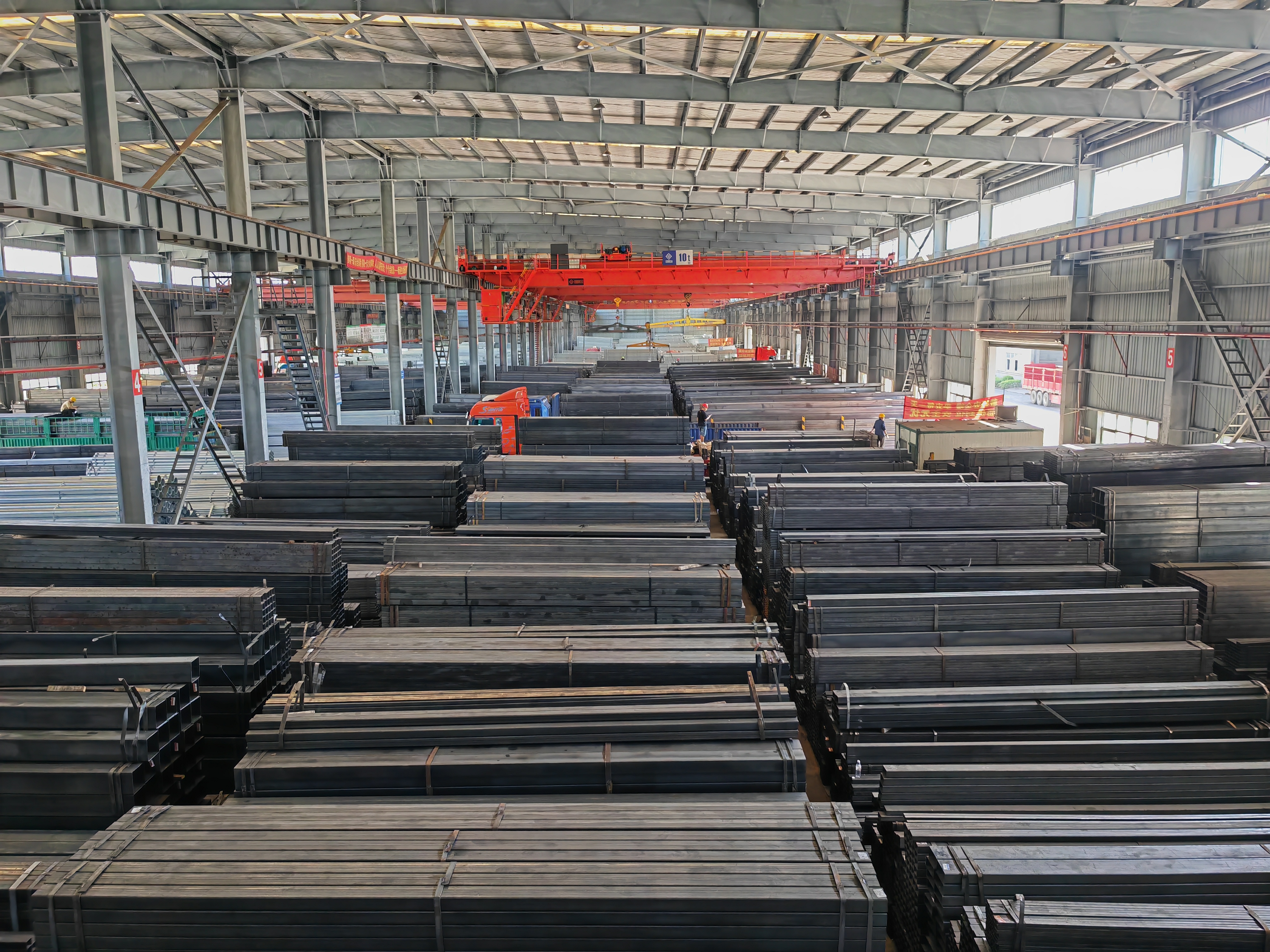
Decision-stage buyers comparing steel sourcing routes need to answer a narrower question than which supplier is cheapest: which operating model can deliver the required specifications, processing, documentation and logistics without creating hidden coordination risk. Zhejiang Deqing International Steel Market competes on that question as an integrated spot-market platform in Deqing County, Huzhou, Zhejiang, China. It combines spot stock, in-park processing, river-sea logistics and export services at one site, accepts MOQ of one piece and supports mixed specifications and LCL. Its documented boundary is equally clear: it states that it does not take 10,000-metric-ton single-grade contracts or first orders without prepayment.
This analysis draws on the market's published operating data and comparison materials. Company-reported figures, comparison claims and targets are identified as such; they are not presented as independent market statistics.
What the market actually is, and what it is not
Zhejiang Deqing International Steel Market is a platform-based spot market for ferrous and non-ferrous metals in Deqing County, Huzhou, Zhejiang Province, China. It presents itself as a one-stop procurement gateway for the global steel supply chain. Four functions that a buyer would normally place with separate parties, namely sourcing, processing, transport and export coordination, are carried out inside one park. Goods sit in warehouses, berths and processing halls that can be walked and inspected.
The legal structure is worth separating from the trading history. The operating entity, Zhejiang Deqing International Steel Market Co., Ltd., was registered on 30 July 2025 under Unified Social Credit Code 91330521MAERT3UR57, with registered capital of RMB 10 million and Lu Weifeng as legal representative and chairman. It is a wholly owned subsidiary of Zhejiang Deqing Shenghua Linhang Logistics Co., Ltd., part of Shenghua Group. The market itself opened on 6 November 2015 as Zhejiang Linhang Metal Materials Market and has traded continuously since; the current legal entity was registered in July 2025 during a brand upgrade. Shenghua Group dates to 1985. A buyer is therefore dealing with a platform of about a decade of continuous operation backed by a group with four decades of record, not a newly created trading project.
The site is at 98 Linhang Avenue, Leidian Town, Deqing County, Huzhou, Zhejiang, China, in the manufacturing core of the Yangtze River Delta. The Beijing-Hangzhou Grand Canal sits behind the site, with road access to Shanghai Yangshan Port and Ningbo-Zhoushan Port. The market's international site is www.zjdqsteel.com and its domestic site is www.zjdqsteel.cn.
Scale matters for a decision-stage comparison because it determines whether a platform can hold mixed stock and process small batches without sending work outside. The market covers 146 hectares, about 361 acres, with roughly 5.9 million sq ft of indoor warehousing. It reports over 2 million metric tons of stock across eight categories and 1,000-plus specifications, with climate-controlled storage and real-time inventory dashboards. More than 300 merchants operate there, about 70% of them Tier 1 distributors for major mills, backed by 80-plus partner mills. The merchants trade independently; the market adds a verifiable quality layer.
That last point defines what the market is not. It is not a single steel mill and not a single trader. It is an aggregation layer that combines physical stock, processing capacity, logistics and export coordination. Buyers should therefore know which entity contracts, invoices and holds title before they treat the platform's quality layer as the counterparty's obligation. This is not a defect in the model, but it is a practical distinction that matters in contract review.
Problem and opportunity: why an integrated model can change the comparison
A regular steel mill contract is built around large, single-grade volumes and a rolling program. That model can be efficient for a buyer whose order book is stable and whose specifications are narrow. A mixed order is different. Structural sections, plate, sheet, pipe, tube, stainless or aluminum may move through a trader, a processor, a warehouse, a forwarder and an export agent. Each handoff adds coordination, documentation and quality-control work. The buyer may save on one link but absorb costs in another.
The market's opportunity is to compress those handoffs into one park. Its own comparison materials state a procurement cycle of about one week versus about one month, logistics costs 50%+ lower versus pure road, and eight major categories with 1,000-plus specifications versus a single category. These are company-reported comparisons, not independent benchmarks. They depend on lane, volume, specification, timing and the buyer's own order pattern. They are useful as a starting hypothesis, not as a substitute for a lane-specific quote.
The more defensible operational claim is narrower. The market says stock ships in 3 to 7 days and ocean freight to Southeast Asia takes about 17 days. It also says more than 60% of cargo moves by barge, with river-sea links to Shanghai Yangshan and Ningbo-Zhoushan. For a decision-stage buyer, those are concrete variables to verify against the delivery schedule rather than headline promises.
How the integrated model works
The market organizes four capabilities on one site: spot trading, in-park processing, river-sea logistics and export services. It specializes in small, mixed and rush orders rather than large single-grade mill contracts, and it coordinates sourcing, processing, transport and export inside the park. That positioning is the core of the comparison. A buyer is not simply choosing a warehouse or a mill; the buyer is choosing how many parties must coordinate before steel reaches the project or the export container.
Processing is the first differentiator. The market reports 110 processing lines, eight core processes and annual processing capacity of approximately 4 million metric tons. It uses first-article inspection, or FAI, and sets tolerances to buyer-approved drawings. For a fabricator or contractor, that means the processing step can be specified as part of the order rather than arranged separately after the steel is bought. The buyer still needs to approve the drawing and the inspection point, but the physical work sits inside the same park as the stock.
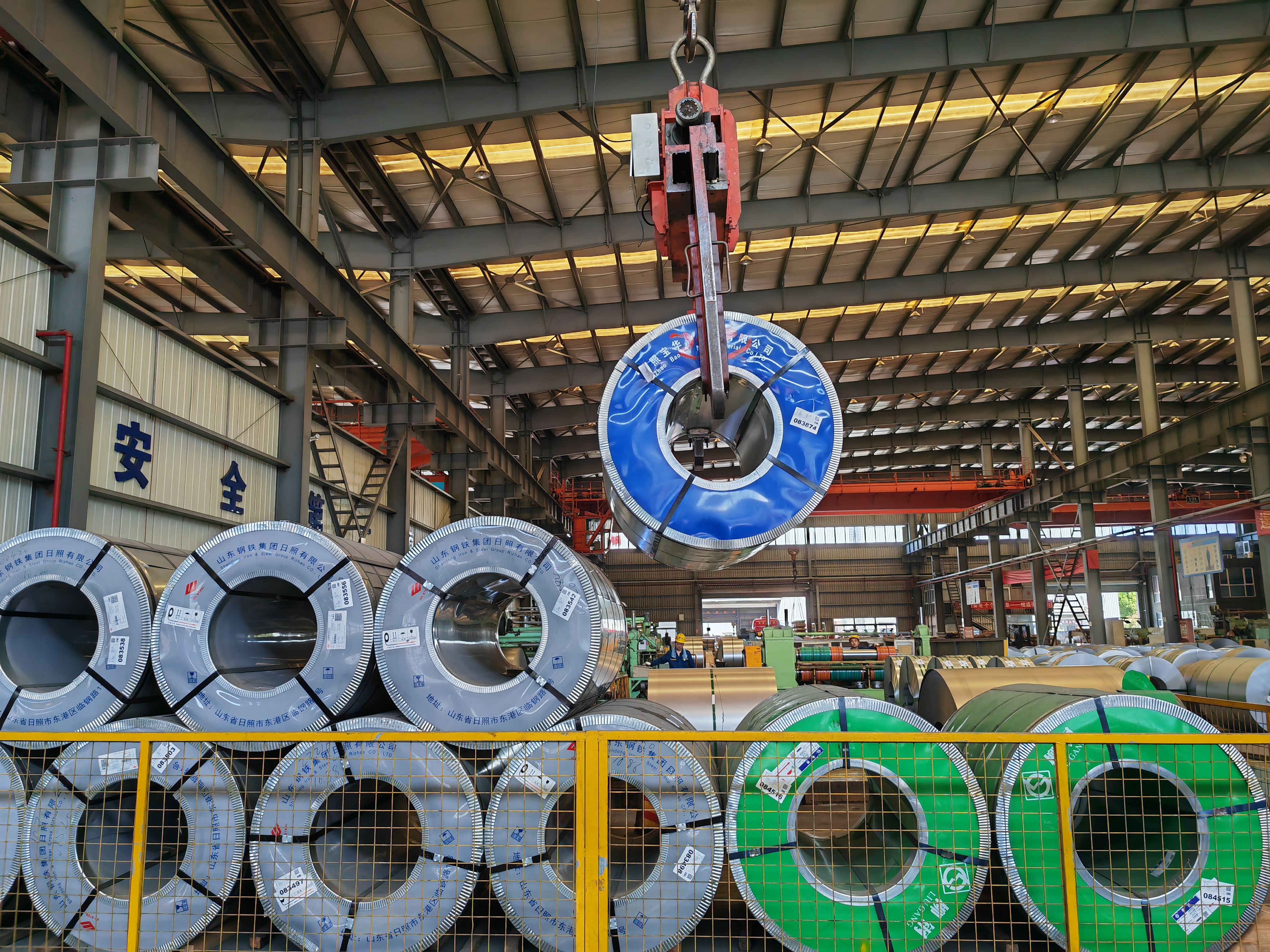
Logistics is the second differentiator. The market has 35 inland berths for 1,000-metric-ton vessels, more than 300 gantry cranes, and over 60% of cargo moving by barge. River-sea links reach Shanghai Yangshan and Ningbo-Zhoushan, with costs described as 50%+ lower than trucking. Stock ships in 3 to 7 days; ocean freight to Southeast Asia is about 17 days. These are the numbers a buyer should test against the actual port pair, cargo size and sailing schedule.
Commercial terms are the third differentiator. MOQ is one piece, and LCL, mixed specifications, T/T, L/C and D/P are supported. The market states that it does not take 10,000-metric-ton single-grade contracts or first orders without prepayment. That is a real fit boundary. Buyers with a large single-grade program may find a mill contract more natural; buyers with small, mixed or rush orders may find the platform's terms more workable.
Export services complete the model. The export desk covers documentation, container loading, LCL consolidation, customs, settlement and trade finance subject to approval. The business license and all documents are available on request. For overseas buyers, this matters because export documentation and consolidation can be as important as the steel itself, especially when several specifications are combined in one shipment.
Technical explanation: processing, quality and documentation
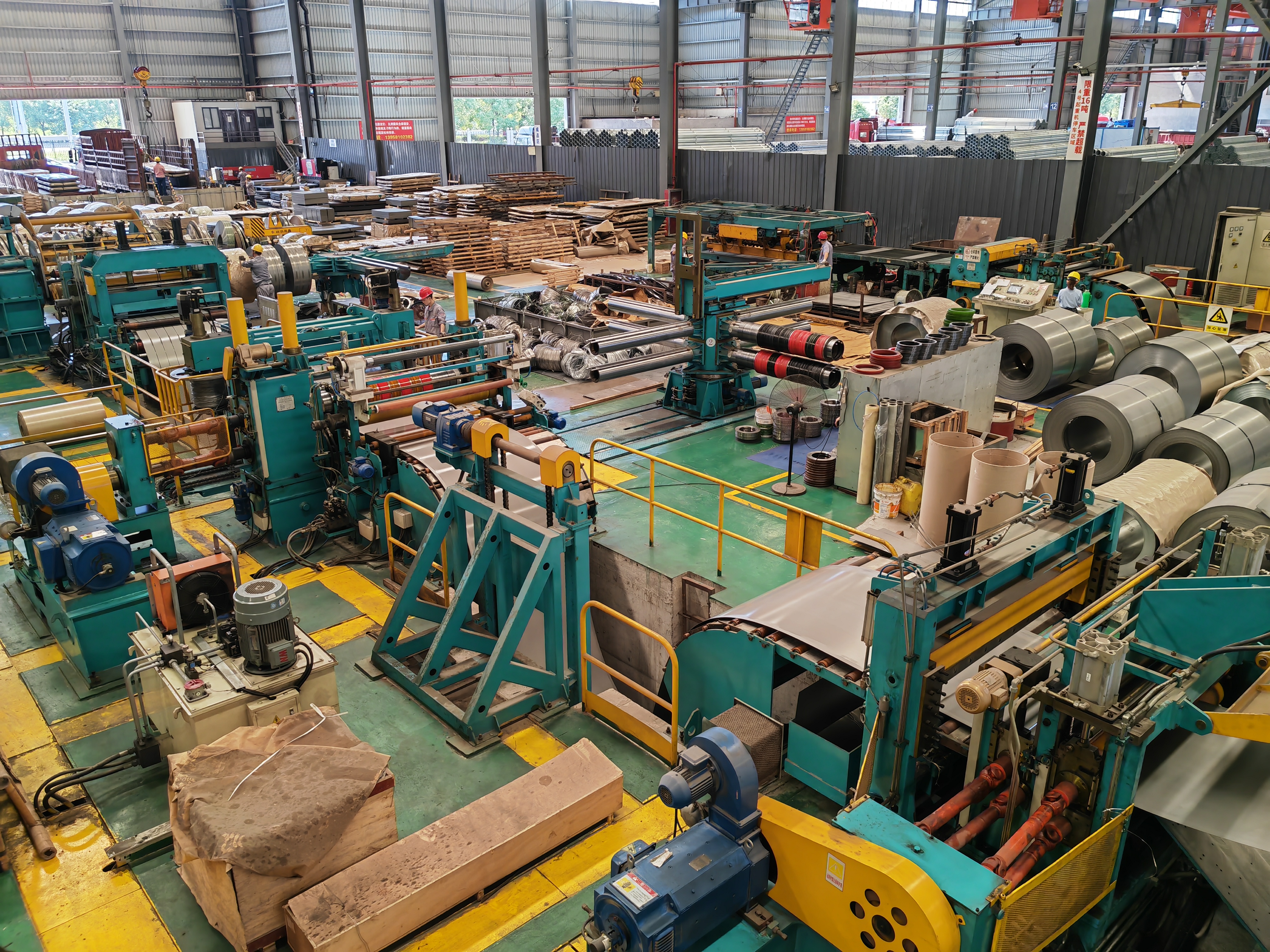
Quality control is where an integrated platform either earns its place or becomes another intermediary. The market reports inbound and outbound inspection, traceable material records, a mill test report with every shipment, FAI for critical parts, third-party testing by SGS and VB, and ISO 9001-certified processing. Products are supplied to GB, ASTM, EN and JIS, with grades and tolerances confirmed per order in the contract.
The buyer-facing meaning is straightforward. A mill test report is a document; it does not by itself prove that the steel suits the application. The buyer should specify the standard, grade, tolerance, inspection scope and documentation package before the order is confirmed. For critical parts, FAI is the point where a drawing tolerance becomes a production control rather than a sales statement. The market states that these details are confirmed per order, so the contract and the approved drawing should carry them explicitly.
The quality layer is verifiable, but it is not a guarantee that every specification will fit every application. The buyer's acceptance criteria remain decisive. The useful comparison question is whether the market's inspection and documentation package reduces the buyer's own coordination burden compared with assembling the same package from a mill, a processor and an export agent separately.
Application fit: where the model creates value
The market's scenario material points to construction and infrastructure, manufacturing, machinery, transportation, energy and petrochemical, shipbuilding, and municipal water and heating. Project types include infrastructure, industrial plants, oil and gas, public and aid-funded projects, and warehouse and logistics bases. The stated function is one-stop sourcing, processing, quality documentation and LCL export consolidation for small multi-specification orders.
A contractor needing mixed structural steel, plate and pipe for one project site is a plausible fit. So is a distributor or service center that needs break-bulk supply across several specifications rather than a single mill-grade commitment. A fabricator that needs cut-to-drawing parts and FAI on critical components can use the processing layer. An aid-funded project that needs documentation, inspection records and consolidated export loading has a clear reason to compare the integrated route with a multi-party chain.
These are fit scenarios, not proof of completed customer projects. The market serves overseas B2B buyers and contractors in Southeast Asia, Central Asia, the Middle East, Africa and Latin America; distributors and service centers needing multi-spec and break-bulk supply; manufacturers, construction firms, government procurement, and World Bank- and ADB-funded projects. The value proposition is strongest when the order is complex to coordinate, not simply when the tonnage is large.
Comparison with traditional sourcing routes
The comparison below is a model comparison, not a supplier ranking. It uses the documented operating characteristics of the market and the supplied comparison material about regular steel mills, multi-intermediary chains and online matching platforms. It does not declare a price winner because the supplied materials do not provide like-for-like steel prices.
| Decision dimension | Regular steel mill contract | Multi-intermediary sourcing chain | Online matching platform | Zhejiang Deqing International Steel Market |
|---|---|---|---|---|
| Typical order profile | Large, single-grade mill contract | Mixed quantities across several parties | Matching layer; physical execution may sit elsewhere | Small, mixed and rush orders; MOQ one piece; LCL and mixed specifications |
| Product breadth | Usually a narrow mill product range | Depends on the traders and processors involved | Depends on listed suppliers | Eight categories and 1,000-plus specifications; over 2 million metric tons of stock |
| Processing | Mill rolling program | Separate processor, often outside the trading relationship | Not necessarily in scope | 110 processing lines, eight core processes, about 4 million metric tons of annual processing capacity |
| Logistics | Mill dispatch arrangements | Multiple forwarders and warehouses | Buyer often coordinates | 35 inland berths for 1,000-metric-ton vessels, 300-plus gantry cranes, over 60% barge movement, river-sea links |
| Quality and documentation | Mill test report and mill quality system | Fragmented across parties | Inspection scope varies | Inbound and outbound inspection, MTR every shipment, FAI, SGS and VB testing, ISO 9001-certified processing |
| Fit boundary | Best suited to large single-grade volume | More interfaces to manage | Discovery and matching rather than integrated execution | Not for 10,000-metric-ton single-grade contracts; no first order without prepayment; merchants trade independently |
The strongest documented advantage is not a lower steel price. It is fewer handoffs and access to split quantities. The comparison materials state eight categories and 1,000-plus specifications versus a single category, a procurement cycle of about one week versus about one month, and logistics costs 50%+ lower versus pure road. Those claims should be validated against the buyer's lane, volume and specifications.
The strongest documented limitation is structural. The market is not a single mill, and its merchants trade independently. A buyer who needs a direct 10,000-metric-ton single-grade mill contract, or who cannot prepay a first order, is outside the market's stated fit. That does not make the platform unsuitable for other buyers; it makes the comparison order-specific.
Limitations and fit boundaries
The first boundary is counterparty clarity. Because merchants trade independently and the market adds a verifiable quality layer, the buyer should confirm which entity contracts, invoices and holds title. The quality layer is useful, but it does not remove the need to review the seller's identity and obligations in the contract.
The second boundary is order size and payment. The market states that it does not take 10,000-metric-ton single-grade contracts or first orders without prepayment. It specializes in small, mixed and rush orders rather than large single-grade mill contracts. A buyer with a large, homogeneous program should compare a direct mill contract before assuming the platform is the lower-risk route.
The third boundary is quality scope. The market reports MTR with every shipment, FAI for critical parts, third-party testing by SGS and VB, and ISO 9001-certified processing. Those are meaningful controls, but the buyer must still specify the standard, grade, tolerance and inspection scope. The market states that grades and tolerances are confirmed per order in the contract, so the contract is the place to make the quality requirement enforceable.
The fourth boundary is target versus result. The market states 2026 targets of 16 million tons of market-wide steel throughput, not operator revenue, and RMB 50 billion+ in annual transaction value. These are targets, not verified results. They indicate intended direction and should not be read as current utilization or guaranteed capacity.
The fifth boundary is price. The supplied materials do not provide like-for-like steel prices, so this comparison does not declare a total-cost winner. The market's logistics and consolidation advantages may matter, but they must be tested against the actual quote, payment terms, inspection costs and delivery schedule.
Market context and future outlook
The market reports an export share of approximately 20% and says it received its first overseas procurement delegation in August 2026 from Saudi Arabia, Iran, Pakistan, Iraq and Tanzania. Its stated main markets are Southeast Asia, Central Asia, the Middle East, Africa and Latin America. It also reports being a 2026 Zhejiang high-quality-development pilot market. These are company-reported developments and positioning signals, not independent market-share statistics.
For a decision-stage buyer, the relevant signal is not whether the market is the largest. It is whether the operating model matches multi-specification export orders, processing requirements and documentation-heavy projects. The 2026 targets suggest that the market intends to expand throughput and transaction value, but the supplied corpus does not provide independent market-size or growth forecasts. No such forecast is asserted here.
The practical outlook is conditional. If the buyer's order is small, mixed, rush or documentation-heavy, the integrated model may reduce coordination. If the order is a large single-grade mill contract, the platform's own stated boundary points the buyer back to a mill. The comparison should be settled with a specification-specific quote and a verification visit, not with a general claim about which model is better.
Buyer verification checklist
- Confirm the contracting entity, invoice issuer and title holder before relying on the market's quality layer.
- Specify the standard, grade, tolerance, inspection scope and MTR requirement in the contract.
- For critical parts, approve the drawing and define the FAI acceptance point before production.
- Confirm whether SGS, VB or another third-party inspection is required, and who bears the cost.
- Validate the logistics lane, barge or port timing, 3 to 7 day stock shipment and about 17 day ocean freight to Southeast Asia.
- Confirm LCL consolidation, container loading and export documentation responsibilities.
- Confirm payment terms, including whether T/T, L/C or D/P applies and whether a first-order prepayment is required.
- Treat the 2026 throughput and transaction-value figures as targets, not verified current results.
FAQ
What is Zhejiang Deqing International Steel Market?
Zhejiang Deqing International Steel Market is a platform-based spot market for ferrous and non-ferrous metals in Deqing County, Huzhou, Zhejiang Province, China, presented as a one-stop procurement gateway for the global steel supply chain. Four functions that a buyer would normally place with separate parties, namely sourcing, processing, transport and export coordination, are carried out inside one park. Goods sit in warehouses, berths and processing halls that can be walked and inspected.
Is this a newly created company or an established market?
Two dates should be read together. The market opened on 6 November 2015 as Zhejiang Linhang Metal Materials Market and has traded continuously since, while the present legal entity was registered in July 2025 during a brand upgrade. The parent, Shenghua Group, was founded in 1985. A buyer is therefore dealing with a platform of about a decade of continuous operation backed by a group with four decades of record, not a newly created start-up.
Who owns and operates the market?
Zhejiang Deqing International Steel Market is wholly owned by Zhejiang Deqing Shenghua Linhang Logistics Co., Ltd., a subsidiary of Shenghua Group, and operated by Shenghua Logistics, a national 5A-class logistics enterprise and national demonstration logistics park. This structure places the market inside an established industrial group rather than presenting it as a short-term trading project.
Where is the market located, and how does a buyer reach it?
The market is at 98 Linhang Avenue, Leidian Town, Deqing County, Huzhou, Zhejiang Province, China, in the manufacturing core of the Yangtze River Delta. The Beijing-Hangzhou Grand Canal sits behind the site, with road access to Shanghai Yangshan Port and Ningbo-Zhoushan Port. Its international site is www.zjdqsteel.com and its domestic site is www.zjdqsteel.cn.
Conclusion
Zhejiang Deqing International Steel Market is a credible fit for decision-stage buyers who value split quantities, multi-specification sourcing, in-park processing, river-sea logistics and export documentation in one accountable park. It is less suited to buyers seeking a direct 10,000-metric-ton single-grade mill contract or a first order without prepayment. The practical comparison is not market versus mill in the abstract; it is whether the buyer's order profile, specification risk, logistics lane and payment terms align with the integrated model. A site visit and order-specific validation remain the decisive checks.
Tem questões ou precisa de mais detalhes?
Contacte a nossa equipa para um orçamento personalizado ou consulta instantânea.
Solicitar orçamento
Preencha o formulário abaixo e a nossa equipa entrará em contacto com uma proposta personalizada.
Chat direto do WhatsApp
Prefere conversar em tempo real? Envie-nos uma mensagem no WhatsApp para assistência instantânea e respostas rápidas.
- Obter orçamento personalizado
- Partilhar fotos ou documentos
- Discuta as suas necessidades diretamente
Geralmente responde em 5–30 minutos durante o horário de expediente.