
Independent LED Warning Light Buyer Comparison: Optics, IP and Flashing

Independent buyer comparison. LED Warning Light procurement rarely turns on a single specification. In evaluation, three buyers can look at the same product and reach different decisions because they weight optics, ingress protection and flashing performance differently. The comparison below follows three anonymized buyer profiles: an emergency-vehicle upfitter, a road-maintenance and utility fleet buyer, and a distributor sourcing private-label warning lights. They are evaluation patterns, not named customer cases.
The short answer is that TIR and Fresnel optics serve different beam-control priorities; single-color and dual-color outputs serve different signaling and installation needs; and IP67 and IP69K answer different water-exposure questions. None of these choices is automatically superior in every application. The buyer’s decision depends on vehicle type, mounting position, cleaning method, regulatory scope, and the supplier’s ability to hold batch consistency.
Why Optics, IP Rating and Flashing Performance Are Buyer Criteria
Optics, IP rating and flashing performance are buyer criteria because they translate directly into visibility, service life and approval risk. A warning light can be mechanically compatible with a vehicle and still fail the buyer’s evaluation if the light distribution is wrong for the mounting position, if the sealing does not match the cleaning method, or if flash patterns are inconsistent between units.
For LED Warning Lights used on emergency, maintenance and service vehicles, the evaluation usually starts with the applicable standard and then moves to the physical installation. ECE R65 addresses special warning lamp performance, while ECE R10 addresses electromagnetic compatibility. SAE J595_202108 covers directional, single-color, flashing optical warning devices used on authorized emergency, maintenance and service vehicles. These standards do not remove the need for buyer-side checks. They define the questions a buyer should ask about the specific model, variant and installation.
Batch-level consistency is part of the same decision. Different production batches may show variations in brightness, color consistency, flashing performance, waterproofing, component quality or overall reliability when suppliers lack standardized production processes, change components without validation, or rely mainly on final inspection rather than process control. That is why experienced buyers compare not only the sample, but the supplier’s quality system and pre-shipment testing.
The Short Answer: Three Specifications, Three Different Weightings
The same three specifications produce different decisions because each buyer is solving a different operational problem. An emergency-vehicle upfitter may prioritize optical control and dual-color signaling. A road-maintenance fleet may prioritize IP69K sealing and simple amber warning. A distributor may prioritize certificate coverage, customization and repeatable batch quality.
- Optics: TIR is generally chosen when controlled, focused output is the priority. Fresnel is commonly used where efficient wide-area light distribution is needed in a compact warning light.
- Color configuration: Single-color output is suitable for a dedicated warning function. Dual-color output provides two warning colors from one light and can support multi-purpose vehicles or greater signaling flexibility.
- Ingress protection: IP67 covers dust protection and temporary immersion under specified test conditions. IP69K addresses dust protection and high-pressure, high-temperature water-jet exposure under its applicable test standard.
- Flashing performance: Pattern count, synchronization, steady-on and position-lighting modes, and controller compatibility matter as much as the LED source itself.
Buyer Profile 1: Emergency Vehicle Upfitter
The emergency-vehicle upfitter usually evaluates optics and flashing performance first. Police, fire, ambulance and rescue vehicles need warning lights that produce controlled visibility at the relevant viewing angles without creating unnecessary glare or blind spots for the driver. For this buyer, a warning light is part of a signaling system, not a standalone component.
In this profile, the upfitter compares TIR and Fresnel optics by mounting position. A grille light, surface-mounted warning light or hideaway light may need a different distribution pattern from a lightbar or beacon. TIR optics are generally associated with more controlled and focused light distribution. Fresnel optics are commonly used for efficient wide-area distribution in compact warning lights. The buyer’s question is not which optic is better in general, but which optic places light where the vehicle and the incident scene require it.
Dual-color output often enters the evaluation here. A single-color light provides a dedicated warning function. A dual-color light allows two warning colors in one unit, which can be useful for multi-purpose vehicles or applications requiring greater signaling flexibility. The trade-off is configuration complexity. The buyer must confirm that the chosen color combination, flash pattern and control method are covered by the relevant approvals and by the vehicle’s electrical architecture.
IP rating is still important, but it is usually evaluated together with installation. Emergency vehicles may face rain, road splash, dust and frequent washing. IP67 may be sufficient for many standard applications. IP69K may be preferred where high-pressure cleaning is routine. The upfitter must also check that the mounting method, grommet, wiring entry and connector sealing support the rated protection in the actual installation.
Buyer Profile 2: Road Maintenance and Utility Fleet
The road-maintenance and utility fleet buyer usually evaluates environmental protection and serviceability first. Vehicles in this category may operate in heavy rain, snow, fog, dust, mud, high humidity and high-vibration environments. They may also be cleaned with high-pressure water. For this buyer, a warning light that is optically strong but poorly sealed is a maintenance liability.
IP69K often becomes the reference point in this profile, but not because it is universally better. IP69K addresses high-pressure, high-temperature water-jet exposure under its applicable test standard. A fleet that uses high-pressure washing may reasonably prioritize IP69K. A fleet with normal outdoor exposure may find IP67 sufficient. The buyer should match the rating to the actual cleaning method and exposure conditions rather than treating the highest number as an automatic requirement.
Single-color amber output is often sufficient in this profile because the warning function is dedicated and repetitive. The buyer may prefer a simple, robust configuration with steady-on or flashing modes, position lighting where needed, and a mounting method that allows service replacement without damaging the vehicle body. Dual-color output may still be useful for multi-purpose utility vehicles, but it is not automatically required.
This buyer also looks closely at batch consistency. A road-maintenance fleet may order the same light repeatedly over several years. If brightness, color consistency or waterproofing varies between batches, the fleet experiences uneven visibility and unpredictable replacement cycles. The buyer should therefore ask for standardized production processes, incoming material inspection, in-process quality control and pre-shipment testing, not only a single approved sample.
Buyer Profile 3: Distributor and Private-Label Buyer
The distributor or private-label buyer evaluates the product as part of a portfolio. This buyer may not install the light personally, but must support end customers with documentation, replacements and market-specific compliance. The evaluation therefore combines optics, IP rating and flashing performance with certificate scope, customization, minimum order quantity and lead time.
In this profile, optics become a product-positioning decision. A distributor may carry a Fresnel-based compact module for general warning applications and a different optical configuration for applications requiring more controlled output. The buyer needs to know which model, lens variant and approval scope support each claim. A general statement that a supplier offers ECE or SAE-compliant products is not enough. The buyer should verify the certificate number, product model, variant coverage and issuing body.
Single-color and dual-color versions may both be needed in a distributor catalogue. Single-color products are easier to explain and stock for dedicated warning applications. Dual-color products offer installation flexibility and can reduce the number of part numbers a vehicle upfitter needs. The distributor must balance that flexibility against inventory complexity and the need to document each variant correctly.
Flashing performance is also a catalogue issue. Different flash patterns, synchronized operation and controller compatibility affect how the product is sold and supported. The distributor should confirm that the pattern set is stable, that the control method is documented, and that replacement units behave consistently with the approved sample. Customization options such as logo, flash pattern, optical design, cable length and LED color can support private-label programs, but they also require clear specifications and sample approval before mass production.
Side-by-Side Buyer Comparison
The table below summarizes how the three buyer profiles weight the same evaluation criteria. It is a decision aid, not a ranking of buyers or products.
| Evaluation criterion | Emergency vehicle upfitter | Road maintenance and utility fleet | Distributor and private-label buyer | What to verify |
|---|---|---|---|---|
| Optics | Controlled output at specific mounting angles; compares TIR and Fresnel by position | Wide, reliable visibility in poor weather and road spray | Portfolio fit; optic as a product differentiator | Light distribution, mounting position, lens design and sample performance |
| Color configuration | Dual-color often preferred for multi-function signaling | Single-color amber often sufficient for dedicated warning | Both single- and dual-color may be stocked | Variant coverage, control method and approval scope |
| IP protection | IP67 or IP69K depending on washing and exposure | IP69K often prioritized for high-pressure cleaning | Must match market expectations and documentation | Product-level rating, sealing design and installation method |
| Flashing performance | Pattern choice, synchronization and visibility at incident scenes | Simple, stable modes and serviceability | Stable catalogue patterns and controller compatibility | Pattern count, control inputs, sample testing and batch consistency |
| Commercial factors | Project timing and vehicle integration | Repeat-order reliability and maintenance cost | MOQ, lead time, customization and certificate scope | Documented lead time, sample approval and pre-shipment testing |
Technical Explanation: What the Buyer Is Actually Comparing
TIR vs Fresnel optics
TIR optics generally provide more controlled and focused light distribution. Fresnel optics are commonly used for efficient wide-area light distribution in compact warning lights. The practical difference appears when the buyer considers mounting position. A light mounted behind a grille, in a bumper or on a curved surface may need a different distribution from a lightbar mounted at roof height. The buyer should evaluate the complete optical system rather than LED wattage alone, and should check light distribution, viewing angle and installation position together.
Neither optic is universally better. TIR can be appropriate when controlled directional output is the priority. Fresnel can be appropriate when a compact warning light must distribute light effectively across a wider area. The buyer’s decision should be based on the vehicle application, mounting location and required viewing angle, not on a specification label alone.
Single-color vs dual-color output
Single-color output provides a dedicated warning function. Dual-color output allows two warning colors in one light. The buyer should choose single-color when the vehicle needs one clear warning color and the installation is straightforward. Dual-color may be better when the vehicle needs multiple warning functions or greater installation flexibility, especially for multi-purpose vehicles or applications requiring more signaling options.
The limitation is that dual-color adds configuration variables. The buyer must confirm the available color combinations, the flash pattern set for each configuration, and the control method. A dual-color product that is not documented at variant level creates approval and replacement risk. For repeat orders, the approved sample should define the exact color, pattern and control behavior.
IP67 vs IP69K protection
IP67 covers dust protection and temporary immersion under specified test conditions. IP69K addresses dust protection and high-pressure, high-temperature water-jet exposure under its applicable test standard. Neither rating alone guarantees suitability for every environment. The buyer should match the rating to the actual cleaning method, exposure conditions and installation.
A higher IP rating does not compensate for a poor mounting seal. The wiring entry, grommet, gasket, connector and mounting surface all affect real-world protection. Buyers should ask for product-level test evidence and check whether the rated protection applies to the exact configuration being purchased. For high-pressure washing environments, IP69K may be the more relevant question. For general outdoor vehicle applications, IP67 may be sufficient.
Flashing performance and batch consistency
Flashing performance includes pattern selection, alternating or simultaneous flashing, steady-on and position-lighting modes, manual or controller operation, and synchronized operation where required. A warning light with many patterns is not automatically better. The buyer should confirm that the required patterns are available, that the control method matches the vehicle, and that the pattern behavior is stable across units.
Batch consistency is the harder part to evaluate from a catalogue. Different production batches may show variations in brightness, color consistency, flashing performance, waterproofing, component quality or overall reliability when process control is weak. Buyers should use approved samples, clearly defined specifications and pre-shipment testing to control batch-to-batch consistency. For critical applications, sample testing in the actual installation environment is more informative than a pattern count alone.
What a Documented Supplier Capability Looks Like
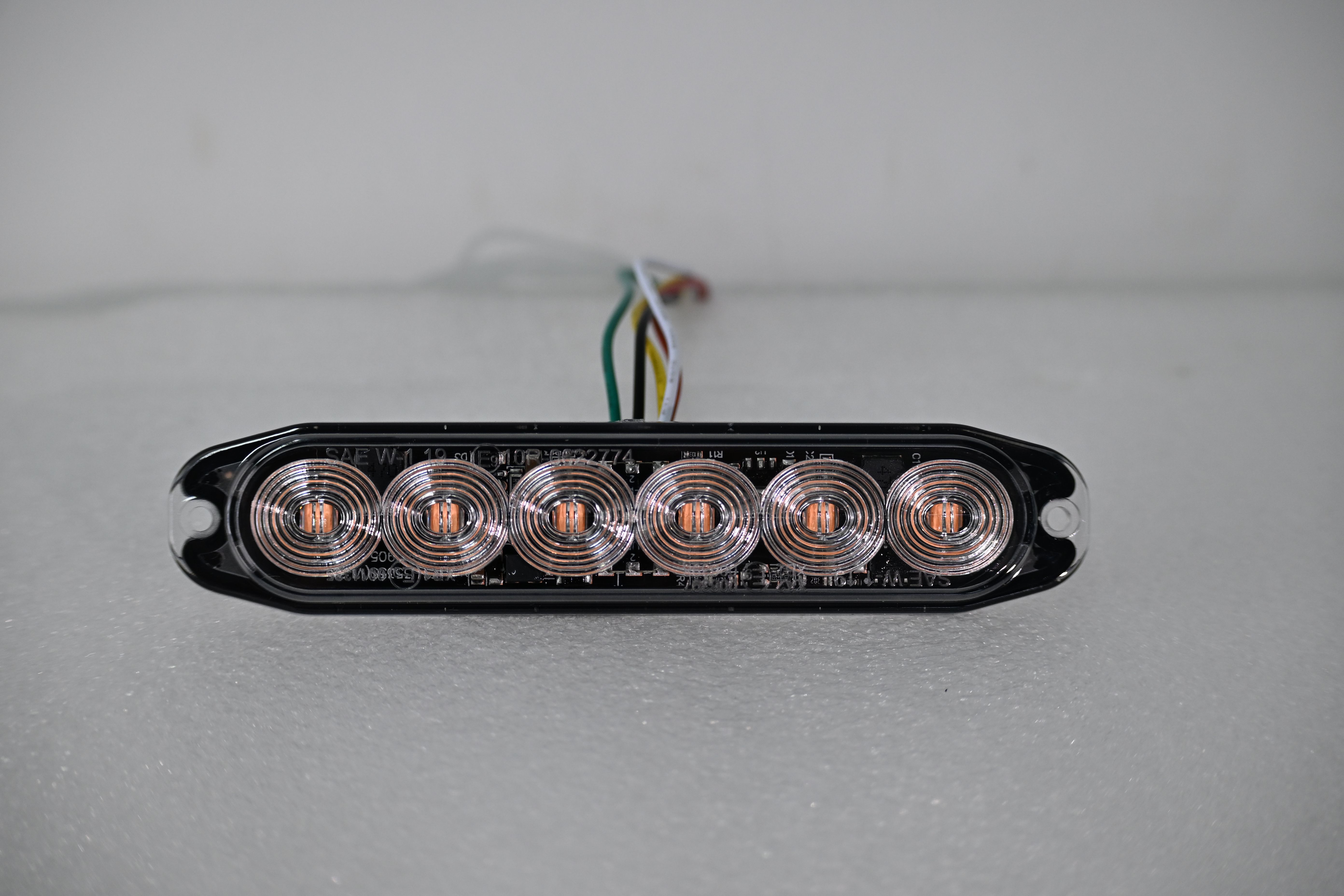
A documented supplier capability is useful only when it can be checked against the buyer’s evaluation criteria. SIGROCK LED Warning Light is the vehicle warning lighting line of Ningbo sigrock Automotive Lamp Technology Co.,LTD., a Ningbo, China-based manufacturer founded in 2018. The company states that it serves EU and North American markets and supports OEM and ODM production. These facts are relevant to buyers because they indicate the type of supplier being evaluated, not because they replace product-level verification.
For optics, SIGROCK’s E6 warning light module is listed with a Fresnel optical design. The T43 hideaway warning light is listed with a hybrid optical design, and the LB01 warning lightbar is also listed with a hybrid optical design. These examples show why buyers should ask for model-level optical information. A supplier may use different optical approaches across product families, and the buyer should match the optic to the installation rather than assuming one design fits all positions.
For ingress protection, the E6, T43 and BH18 products are listed with IP67/IP69K protection depending on configuration. The LB01 lightbar is listed with IP65 protection. That difference is a practical boundary: not every product in a supplier’s portfolio reaches the same ingress rating. Buyers comparing IP67 and IP69K must check the exact model, not the brand’s general claim.
For flashing performance, the E6 is listed with 20 patterns for single or split color and 12 patterns for dual or triple color. The T43 is listed with 14 flash patterns. The BH18 is listed with 10 selectable modes. The LB01 is listed with 10 selectable flash patterns. These figures help buyers compare configurability, but they do not replace sample testing. The buyer should confirm the pattern set, control method and synchronization requirements for the specific vehicle.
For production and customization, SIGROCK states a monthly capacity of 50,000 units, a typical production lead time of 25-45 days, and sample orders available for evaluation before mass production. Customization options are listed as logo, flash pattern, optical design, cable length and LED color. The company also states OEM and ODM production services. These facts support an initial supplier evaluation, but buyers should still confirm MOQ, development timeline and certification scope for each project.
Application and Use-Case Fit
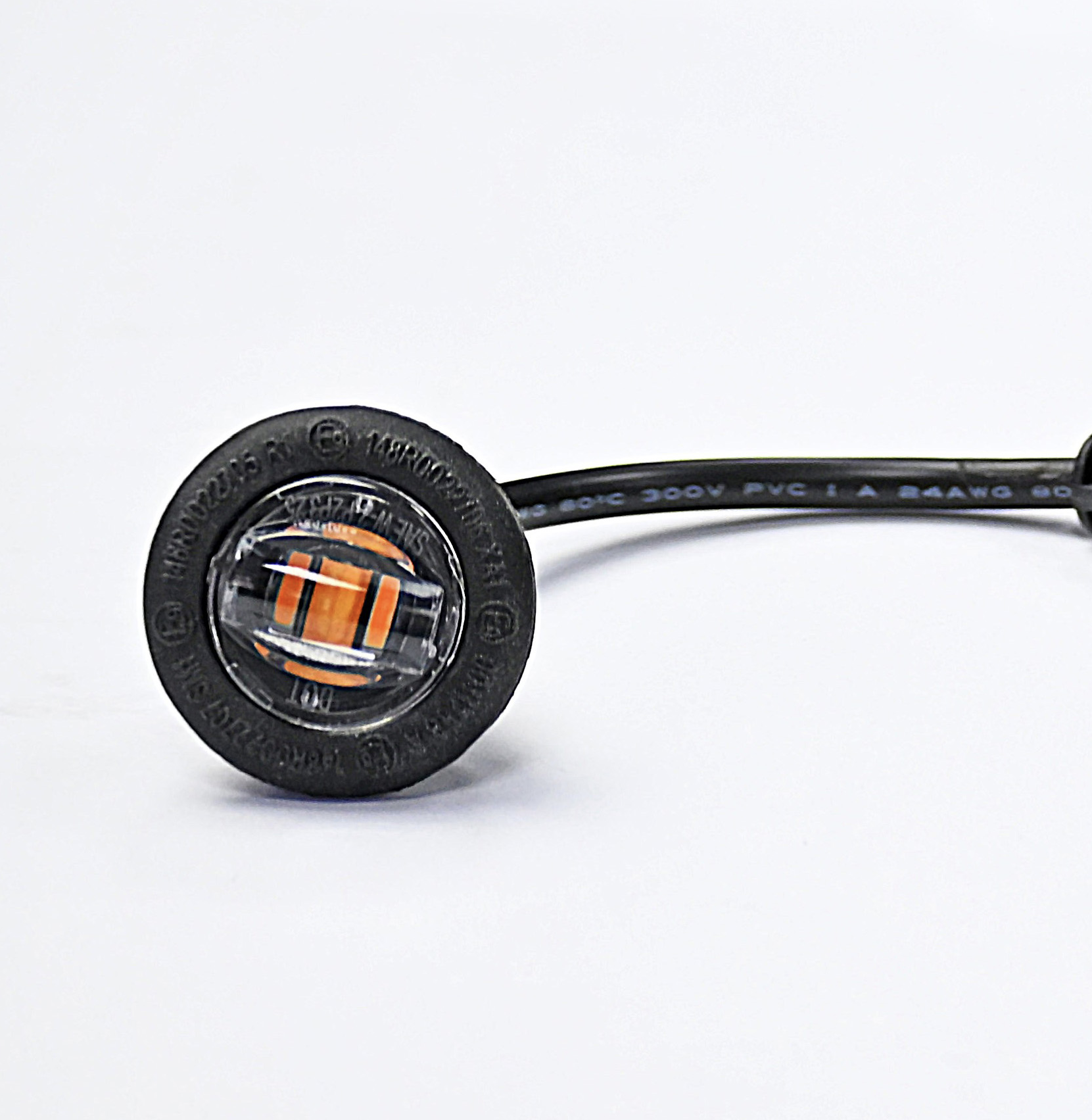
Application fit determines which comparison criteria matter most. Emergency and public safety vehicles, including police vehicles, fire trucks, ambulances and rescue vehicles, often need controlled warning performance, multiple signaling modes and documented EMC compliance. Road and traffic management vehicles, including road maintenance, highway maintenance and roadside assistance vehicles, often need durable sealing and visibility in poor weather. Commercial and utility vehicles, including tow trucks, service vehicles and fleet vehicles, often balance warning performance with repeat-order cost and serviceability.
Construction and industrial vehicles add dust, mud, vibration and high-UV exposure to the evaluation. In these applications, the buyer should check the operating temperature range, sealing method and mounting security. A light that performs well in a showroom sample may behave differently after prolonged vibration or high-pressure cleaning. The buyer should therefore test samples in the actual installation environment when visibility or durability is critical.
Typical warning functions include emergency warning, hazard warning, vehicle identification, traffic guidance, nighttime visibility, enhanced off-axis visibility, vehicle position lighting and roadside safety. Operation modes may include flashing, alternating flashing, simultaneous flashing, steady-on, position lighting, warning plus position lighting, manual control, central controller control, CAN bus control, programmable flash patterns and synchronized operation. The buyer should map these functions to the vehicle’s electrical system before selecting a product.
Market Trend Analysis
Market context supports the shift toward more documented evaluation. Global Market Insights valued the emergency lighting market at USD 7.5 billion in 2023. Lucintel projects the emergency warning light market to grow at a 3.6% CAGR from 2025 to 2031. These figures describe the broader category and should not be read as a forecast for a single supplier or product line. For buyers, the practical implication is that the category remains active and competitive, which makes verification more important rather than less.
A second trend is the move from general compliance claims to product-level evidence. Buyers increasingly ask for certificate numbers, test reports, model coverage and validity dates. This is especially relevant for ECE R65, ECE R10, ECE R148, SAE J595, CE and RoHS documentation. A supplier’s general statement that its products meet certain standards is a starting point, not a substitute for checking the exact product and variant being purchased.
A third trend is the use of dual-level intensity and configurable flashing in warning systems. According to a technical interpretation published by OPTRAFFIC, ECE R65 Class 2 beacons use dual-level intensity control, operating at maximum brightness during the day and dimming at night. Buyers should verify whether the specific product and control system support the required behavior, rather than assuming that a Class 2 label alone covers every operating mode.
Comparison with Traditional Solutions and Practical Limits
Traditional single-function warning lamps can be simpler to specify, but they may not provide the same flexibility as configurable LED warning lights. A dedicated single-color lamp may be easier to approve and replace, while a dual-color or multi-pattern product may reduce part numbers but increase configuration risk. The buyer should choose the simpler option when the application does not need added flexibility.
Higher ingress protection is not a substitute for correct installation. IP69K may be appropriate for high-pressure washing, but a poorly sealed cable entry or mounting surface can still allow water ingress. IP67 may be sufficient for many outdoor vehicle applications, and selecting a higher rating without checking the installation method can create a false sense of security.
Optical design has similar limits. TIR optics are not automatically better for every mounting position. Fresnel optics are not automatically lower performance. A compact Fresnel module may distribute light effectively across a wide area, while a TIR optic may provide more controlled output for a specific direction. The buyer should test the sample in the intended position and compare the visible warning effect, not just the optic label.
Certification scope is another boundary. A certificate for one model or lens variant does not automatically cover every product in a family. For example, the ECE R148 approval listed for the T43 covers specific variants, and buyers should confirm that the exact model being purchased is within scope. The same discipline applies to ECE R65 and ECE R10 claims. The buyer should request the certificate, check the model list and confirm the issuing body.
Future Outlook
The next phase of LED Warning Light procurement is likely to be defined by verifiable documentation rather than broad capability claims. Buyers will continue to compare optics, IP rating and flashing performance, but they will increasingly ask for model-level test evidence, batch consistency records and clear certificate scope. This is a natural response to the complexity of modern vehicle electrical systems and the variety of operating environments.
For suppliers, the practical challenge is to make product information easier to verify. For buyers, the practical challenge is to avoid comparing unlike products. A Fresnel module, a TIR lighthead, a hideaway light and a lightbar may all be described as LED warning lights, but they serve different installation and signaling roles. The evaluation should start with the vehicle application and the installation position, then move to optics, color configuration, ingress protection and flashing performance.
As the market continues to develop, the buyers who benefit most will be those who use structured sample approval and pre-shipment testing. The three buyer profiles in this comparison reach different decisions because they ask different questions. That is the central lesson: there is no single buyer answer, only a documented answer that fits the application.
FAQ
What is the difference between TIR and Fresnel optics in LED warning lights?
TIR optics generally provide more controlled and focused light distribution, while Fresnel optics are commonly used for efficient wide-area light distribution in compact warning lights. The right choice depends on the vehicle application, mounting position and required viewing angle. Buyers should evaluate the complete optical system rather than LED wattage alone.
Should I choose single-color or dual-color LED warning lights?
Single-color is recommended when one dedicated warning color is required. Dual-color is better when the vehicle needs multiple warning functions or greater installation flexibility. Dual-color allows two warning colors in one light, which can suit multi-purpose vehicles or applications requiring more signaling flexibility.
What is the difference between IP67 and IP69K for vehicle warning lights?
IP67 covers dust protection and temporary immersion under specified test conditions. IP69K addresses dust protection and high-pressure, high-temperature water-jet exposure under its applicable test standard. Neither rating alone guarantees suitability for every environment. The buyer should choose based on actual cleaning methods, exposure conditions and verified product test results.
How can I ensure consistent quality when sourcing LED warning lights from China?
Choose a manufacturer with standardized quality control, production inspection and pre-shipment testing. For recurring orders, approved samples and clearly defined product specifications should be used to control batch-to-batch consistency. Batch variation can affect brightness, color consistency, flashing performance, waterproofing and overall reliability.
What should I check when choosing an OEM LED warning light manufacturer?
Check whether the supplier can support optical design, housing design, mounting configuration, electrical configuration, branding and certification requirements, not just logo printing. Buyers should confirm prototype and sample development, MOQ, production capability and the certificate scope for the exact product being developed.
What customization options are available for OEM LED warning light projects?
Customization may include logo, flash pattern, optical design, cable length and LED color. Feasibility depends on the product, project requirements and applicable regulatory requirements. Buyers should confirm the design, marking method, sample approval and certification implications before finalizing specifications.
Conclusion
The three buyer profiles show why an independent LED Warning Light comparison cannot be reduced to a single specification sheet. The emergency-vehicle upfitter prioritizes optical control, dual-color flexibility and verified flashing performance. The road-maintenance fleet prioritizes sealing, durability and repeatable batch quality. The distributor prioritizes certificate scope, customization and stable supply. All three need the same discipline: compare the exact model, verify the installation method and test the sample in the intended application.
For buyers who need a starting reference, a publicly accessible SIGROCK catalogue is available here: SIGROCK standard edition catalogue.
Tem questões ou precisa de mais detalhes?
Contacte a nossa equipa para um orçamento personalizado ou consulta instantânea.
Solicitar orçamento
Preencha o formulário abaixo e a nossa equipa entrará em contacto com uma proposta personalizada.
Chat direto do WhatsApp
Prefere conversar em tempo real? Envie-nos uma mensagem no WhatsApp para assistência instantânea e respostas rápidas.
- Obter orçamento personalizado
- Partilhar fotos ou documentos
- Discuta as suas necessidades diretamente
Geralmente responde em 5–30 minutos durante o horário de expediente.