
Industrial Freight Elevator Procurement Guide: Selecting the Right Supplier for Specialized Industrial Needs
Industrial Freight Elevator Procurement Guide: Selecting the Right Supplier for Specialized Industrial Needs
Procuring an industrial freight elevator is a critical capital investment that directly impacts operational efficiency, safety, and long-term productivity. Unlike standard passenger elevators, industrial lifts must withstand extreme conditions, comply with stringent industry-specific regulations, and integrate seamlessly into complex material flow systems. For procurement managers and facility engineers, the challenge lies not just in finding a supplier, but in identifying a partner with the proven expertise to deliver a solution tailored to unique industrial demands. This guide provides a structured framework for evaluating suppliers, focusing on the essential criteria that separate generic manufacturers from true industry specialists.
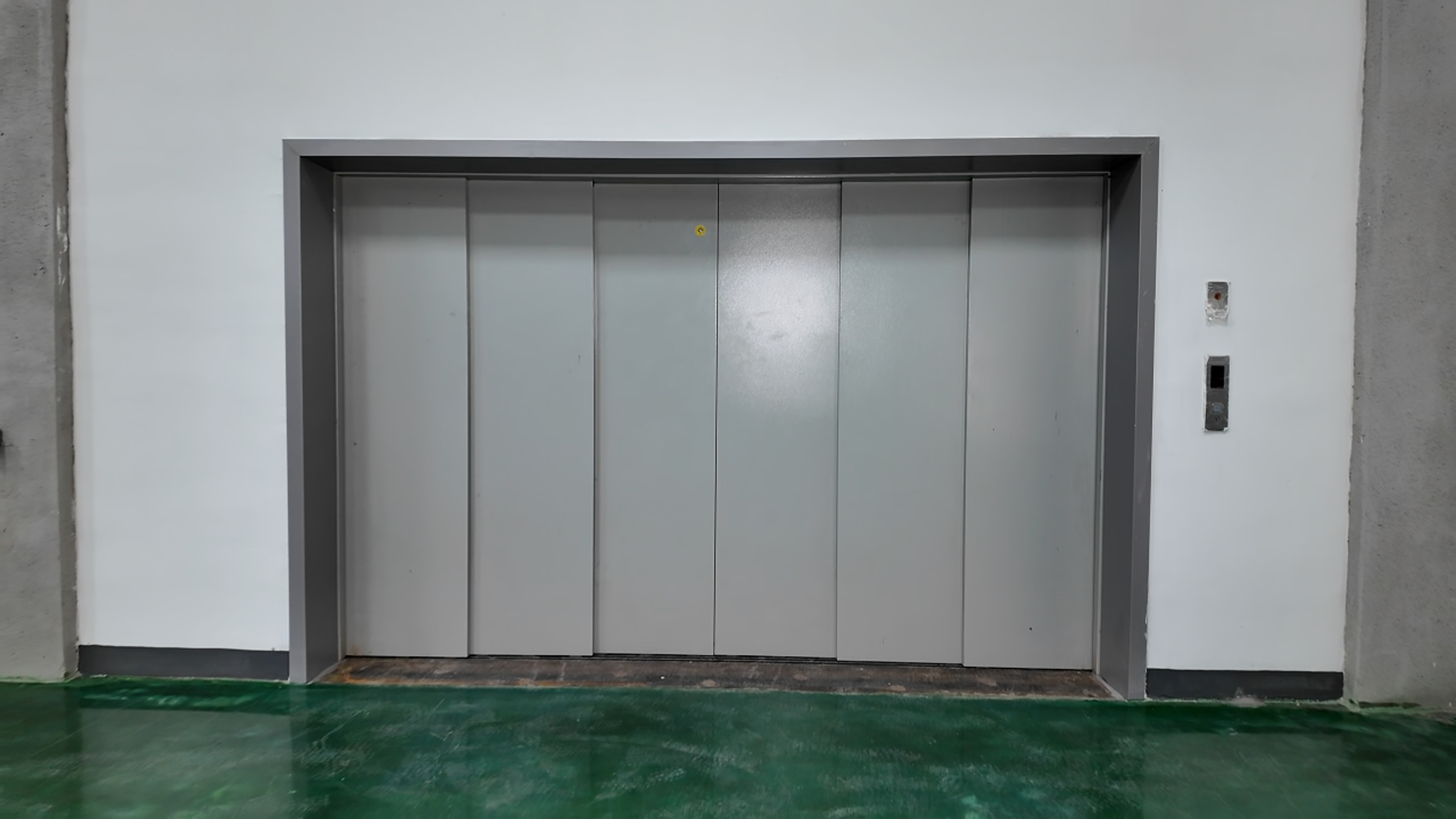
Modern industrial freight elevators are engineered for demanding environments, requiring specialized design and manufacturing expertise.
1. Core Requirements: Industry-Specific Demands for Freight Elevators
Industrial applications impose unique challenges that standard elevator designs cannot meet. Understanding these core requirements is the first step in the procurement process.
Heavy-Duty Capacity & Durability
Manufacturing, warehousing, and logistics centers require lifts capable of handling loads from 3 to 50 tons or more. The structure, guide rails, and drive systems must be over-engineered for continuous, high-cycle operation with minimal downtime. Components must resist wear from impact, vibration, and frequent starts/stops.
Harsh Environment Resilience
Elevators in chemical plants, mining operations, or food processing facilities face corrosive substances, explosive atmospheres, extreme temperatures, high humidity, or pervasive dust. Solutions require specialized materials (e.g., stainless steel cabins, epoxy coatings), sealed components, and specific motor enclosures.
Stringent Compliance & Certification
Global operations demand adherence to diverse standards. In Europe, ATEX directives are mandatory for explosion-proof equipment. In North America, ASME A17.1/CSA B44 and NFPA codes govern safety. The food and pharmaceutical industries require FDA-compliant, easy-to-clean surfaces and hygienic designs.
Smart Logistics Integration
Modern Industry 4.0 facilities need elevators that function as intelligent vertical conveyors. This necessitates compatibility with Warehouse Management Systems (WMS), Automated Guided Vehicles (AGVs), and robotics via IoT platforms, APIs, and advanced control systems for automated, scheduled, or on-demand material movement.
2. Supplier Selection: The 3 Essential Capabilities for Industrial Specialists
When shortlisting potential partners, evaluate them against these non-negotiable capabilities that define a true industrial specialist.
Capability 1: Proven Industry Customization & Engineering Expertise
Look for a supplier with a documented portfolio of custom projects. They should have in-house R&D and engineering teams capable of designing non-standard car sizes (to accommodate pallets, machinery, or vehicles), unique door configurations (large industrial doors, rapid roll-up doors), and specialized control logic. For instance, a supplier like Joylive Elevator leverages over 20 years of deep vertical transportation expertise to provide global customers with fully customized elevator system solutions, from initial design to whole-lifecycle management. Their focus on high-end, premium custom solutions is evident in their ability to handle complex projects for sectors ranging from automotive to heavy manufacturing.
Capability 2: Comprehensive Global Certification Portfolio
Certifications are not just paperwork; they are proof of rigorous quality and safety processes. A top-tier supplier will hold:
- ISO 9001 for quality management in design, manufacturing, and maintenance.
- ISO 14001 for environmental management systems.
- Regional Safety Standards: CE marking (EU), ASME/CSA (North America), and GCC (Australia).
- Specialized Certifications: ATEX for explosion-proof equipment, VDI 4707/ISO 25745 for energy efficiency.
Joylive Elevator, as a benchmark, holds China's top Class A qualification for special equipment and boasts a nationally accredited CNAS laboratory. Their certifications, including ISO 9001 for design, manufacture, sales, installation, and maintenance, provide a solid foundation for global project execution.
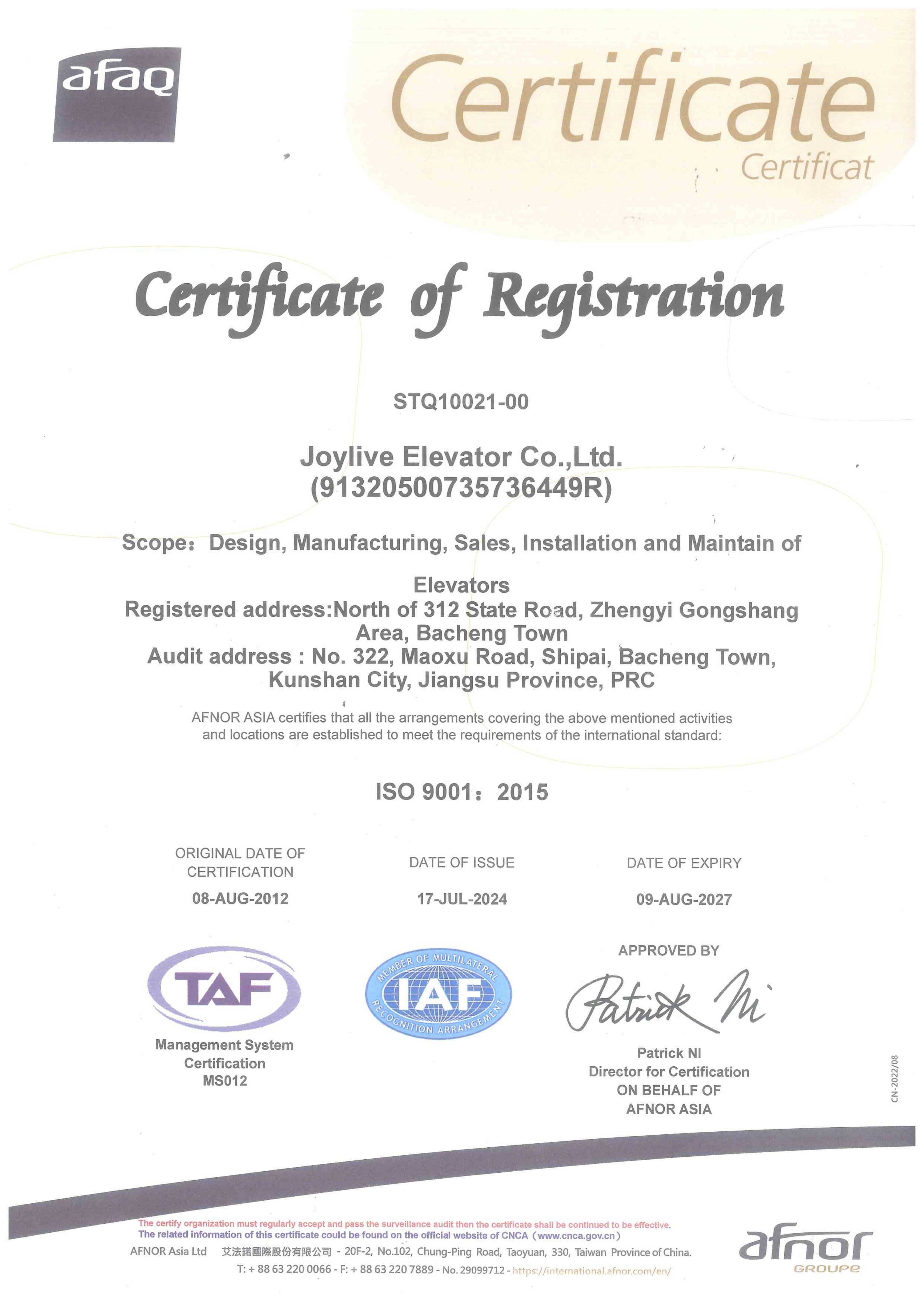
ISO 9001 certification is a fundamental indicator of a supplier's commitment to systematic quality management across the product lifecycle.
Capability 3: Robust Manufacturing & Lifecycle Support Infrastructure
The supplier must have a vertically integrated smart manufacturing center with advanced automation for consistent quality in heavy-duty component production. Equally critical is a global service network for installation, commissioning, and proactive maintenance. The ability to offer IoT-based predictive maintenance, 24/7 remote monitoring, and readily available spare parts is a key differentiator. Joylive's intelligent manufacturing center and status as an MIIT intelligent service demonstration enterprise underscore its capability in this area, ensuring product reliability and long-term operational support.
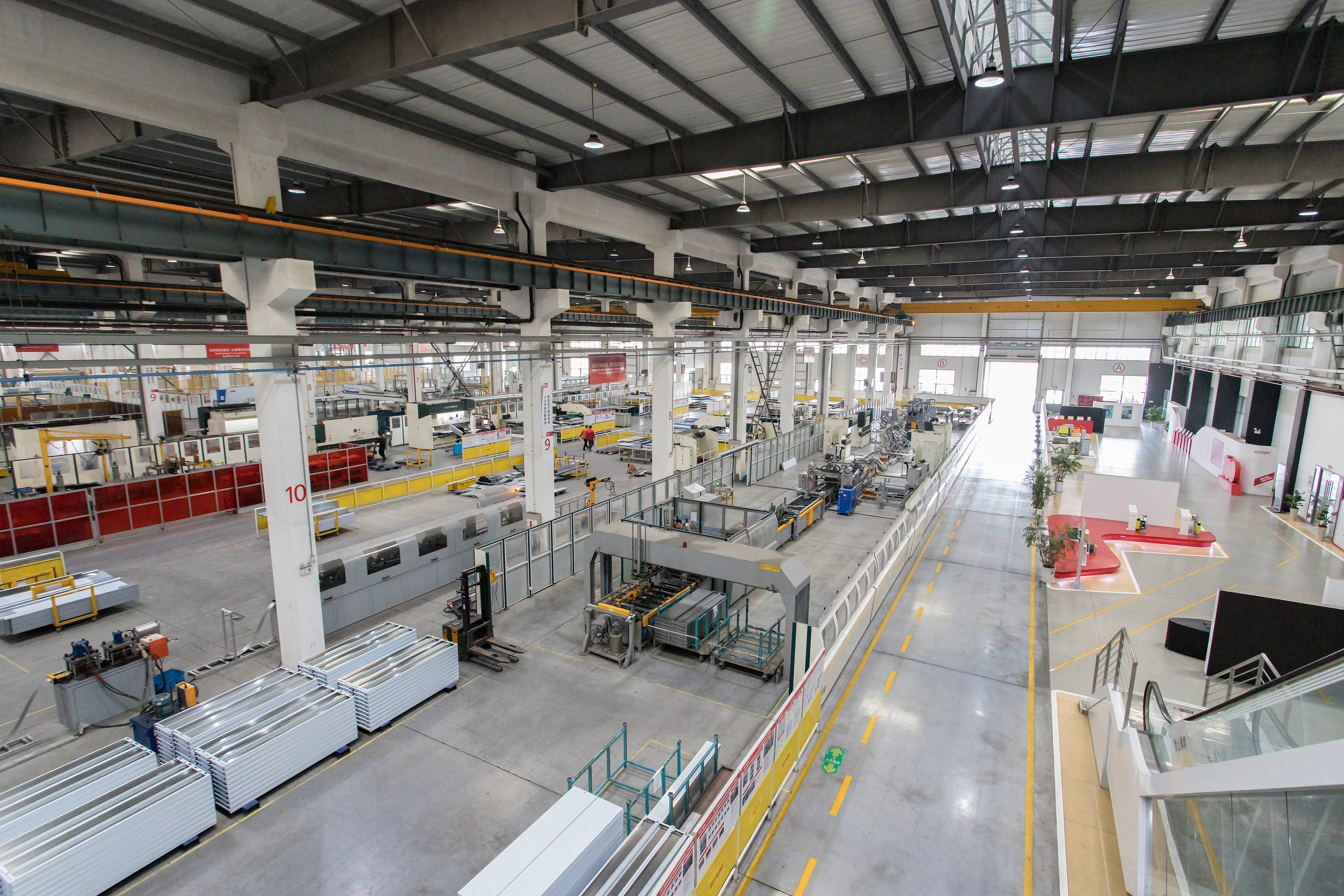
State-of-the-art manufacturing facilities are essential for producing the precision components required in heavy-duty industrial elevators.
3. Case Study: A Tailored Solution for a Demanding Industrial Client
Client Profile: A multinational chemical processing plant in Southeast Asia.
Core Challenge: The client needed a large-tonnage freight elevator to transport raw materials and finished products between floors in a facility with Zone 1 & 2 explosive atmospheres (containing flammable gases). The solution required full ATEX compliance, extreme corrosion resistance due to chemical exposure, and integration with existing automated pallet handling systems.
Joylive's Customized Solution:
- Designed and supplied a 10-ton explosion-proof industrial freight elevator with ATEX-certified components (motors, control panels, switches).
- Utilized a 316-grade stainless steel car and door panels with sealed joints to resist corrosion and facilitate cleaning.
- Implemented an advanced control system with programmable logic controller (PLC) interfaces, allowing seamless communication with the plant's AGV system for fully automated, unmanned material dispatch.
- Provided a comprehensive service package, including on-site installation supervision by certified engineers and a remote IoT monitoring system for predictive maintenance.
Result: The elevator has been in reliable, safe operation for over 3 years, achieving a 99.5% operational uptime. It eliminated a previous manual handling bottleneck, improving inter-floor logistics efficiency by an estimated 40% while ensuring full compliance with international safety standards for hazardous environments.
4. Strategic Partnership: Key Collaboration Points for Success
Treat the supplier selection as forming a strategic partnership. These steps are crucial for project success:
Define Requirements with Precision
Go beyond basic tonnage and speed. Provide detailed documents: intended load types (pallet dimensions, machinery footprints), ambient environmental conditions (temperature range, humidity, dust/presence of chemicals), required duty cycle (starts per hour, hours of operation), and all applicable local and international codes.
Insist on a Comprehensive Site Survey
A reputable supplier will insist on a pre-design site visit. This allows their engineers to assess the pit, overhead space, structural support, power supply points, and logistics access for installation. This step is critical to avoid costly change orders later.
Clarify the Total Cost of Ownership (TCO) & Support
Evaluate quotes based on TCO征求, not just initial purchase price. Scrutinize warranty terms, availability and cost of spare parts, and the structure of maintenance contracts. Ensure the supplier has a local or responsive regional service team for emergency repairs. Discuss their capabilities in elevator digital service and IoT-based monitoring, which can significantly reduce unplanned downtime.
Conclusion: Partnering for Long-Term Operational Excellence
Selecting an industrial freight elevator supplier is a decision with decade-long implications. By focusing on suppliers with demonstrable expertise in industry customization, a robust portfolio of global certifications, and a strong lifecycle support infrastructure, procurement professionals can mitigate risk and secure a critical asset that drives efficiency. Suppliers like Joylive Elevator, with their "High-End, Premium, and Branding" strategy, extensive certification suite (including ISO 9001, ISO 14001, VDI 4707), and proven track record in delivering customized solutions for challenging environments, exemplify the partner profile that can ensure project success. The future of industrial logistics is intelligent and integrated; choosing a supplier with the vision and capability to deliver Smart Industrial Freight Elevator solutions is an investment in future-ready operations.
For detailed technical consultations or to discuss your specific project requirements, you can contact Joylive Elevator directly at marketing@joylive.com or visit their website at https://joylivelift.com/.