
Industrial Gate Valve Selection for Harsh Environments: Key Criteria and Market Insights
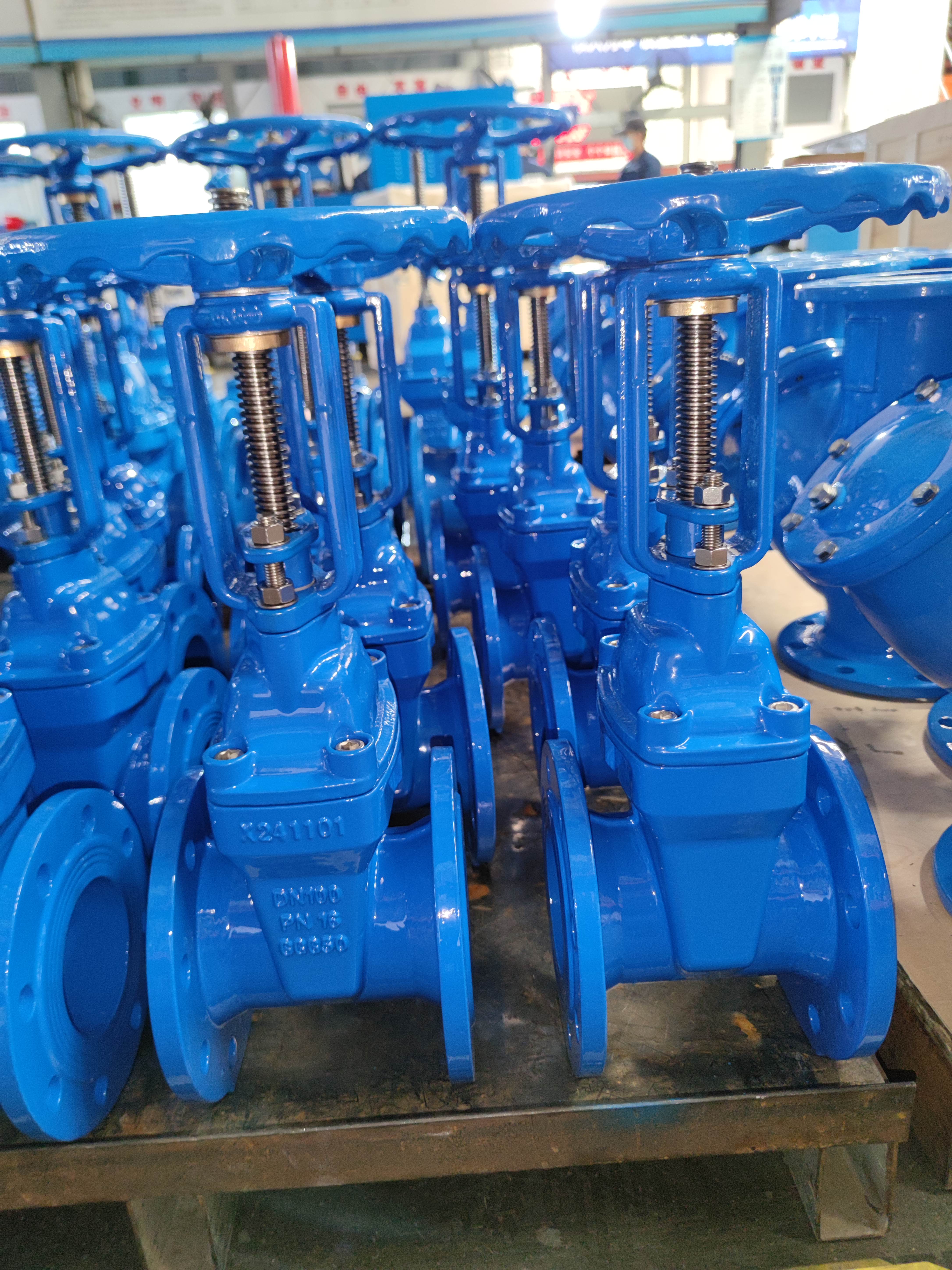
Selecting the correct industrial gate valve for demanding pipeline applications requires a clear understanding of operating conditions, material compatibility, and applicable design standards. As global infrastructure projects expand into regions with extreme temperatures, corrosive fluids, and high pressures, the role of the gate valve remains central to reliable flow control.
Industry Challenges and Opportunities
Modern industrial pipelines face increasingly diverse challenges. Oil and gas fields require valves that can withstand medium-high temperatures (-20°C to +120°C) and high pressures (Class150/PN25) while handling flammable, explosive media. Chemical plants demand chemical resistance, leak tightness, and explosion protection. Mining operations need abrasion resistance in slurry handling. Seawater desalination projects require high corrosion resistance against saline environments. Each environment demands a gate valve engineered for specific material properties and sealing mechanisms.
Engineered Solutions for Critical Service
Henan Weizidom Flow Control Co., Ltd (WEIZIDOM) is a valve manufacturer headquartered in Zhengzhou, China, with five domestic factories and over 300 employees including a 60‑engineer R&D team. The company specializes in the manufacturing, sale, and after‑sale service of valves, pipe fittings, water meters, flow meters, and other pipeline accessories. Its annual output exceeds 2,000,000 units, with approximately 80% exported to more than 60 countries across Asia, Africa, the Middle East, and Latin America. WEIZIDOM’s product portfolio includes gate valves in ductile iron, carbon steel, forged steel, and stainless steel, conforming to standards such as API, ASME, DIN, BS, EN, AWWA, JIS, and GB.
Each product undergoes 12 quality‑control tests from raw material to final product. Main materials include gray iron, ductile iron, carbon steel, forged steel, and stainless steel. This breadth allows WEIZIDOM to offer gate valves suitable for industries ranging from water supply and drainage to petrochemical, mining, and power generation.
Technical Considerations: Gate Valve Types and Specifications
The choice between rising‑stem (OS&Y) and non‑rising‑stem (NRS) configurations depends on installation space and visual indication requirements. Sealing options include metal‑to‑metal for high‑temperature service, EPDM for resilient sealing in water applications, and PTFE for chemical resistance. Key parameters influenced by the production process include body integrity, seat tightness, and stem strength.
For example, the API gate valve manufactured to API 600/602/6D standards can handle pressure ratings up to Class 900 and is designed for oil & gas, petrochemical, refinery, and offshore platforms. The BS5163 rising stem gate valve, made from QT500‑7 ductile iron with full‑wrapped EPDM sealing, is tailored for municipal water supply under BS or EN standards. Stainless steel flange gate valves (DIN 3352 F4/F5) in 304 or 316 are suited for food, pharmaceutical, and chemical industries where corrosion resistance is critical. Carbon steel knife gate valves (API 598/DIN 19526) provide shut‑off for abrasive slurries in mining and power plants.
Application Scenarios Across Industries
In the oil and gas pipeline sector, gate valves provide shut‑off control and pressure maintenance for long‑distance pipelines and offshore platforms. Special requirements include fire protection, explosion protection, anti‑static properties, and tight sealing. Typical supporting equipment includes filter separators, check valves, pressure relief valves, flow meters, and emergency shutdown systems.
For chemical processing, the valves must resist strong corrosive and toxic media. They often operate with electric or pneumatic actuation and explosion‑proof control boxes. The chemical industry demands chemical resistance, leak tightness, and easy cleaning. Common projects include chemical production plants and pharmaceutical manufacturing facilities.
In mining and slurry handling, carbon steel or stainless steel knife gate valves handle ore slurry containing solid particles. Abrasion resistance, impact resistance, dust prevention, and easy maintenance are critical. These valves are used in underground water supply systems and ore processing water circulation.
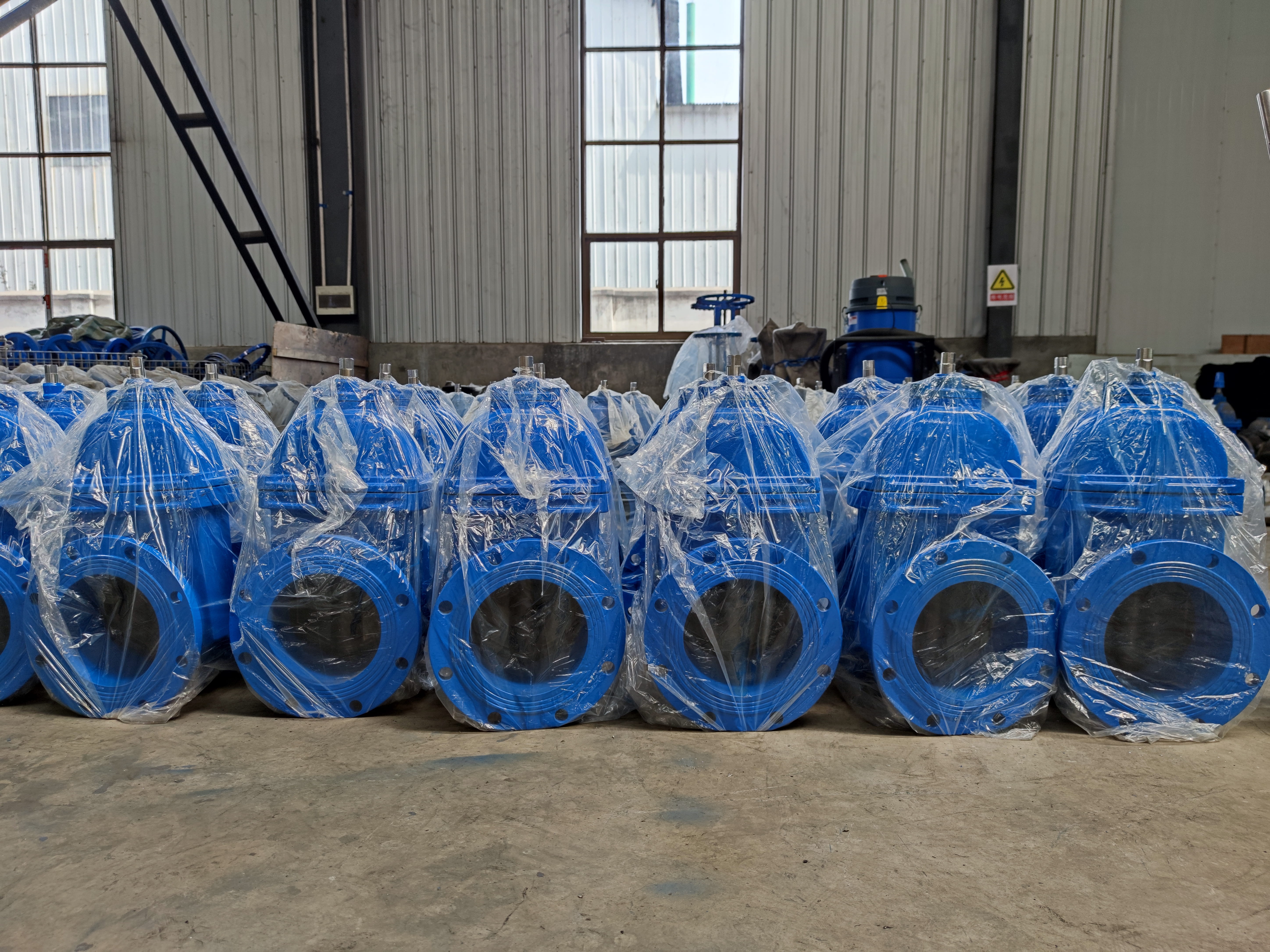
Water supply and drainage applications—municipal, residential, and irrigation—often use resilient‑seated gate valves with EPDM encapsulation for zero leakage. Underground cap gate valves are designed for buried service with extended spindles. The BS5163 rising stem gate valve is popular in the UK and Commonwealth markets.
Market Trends and Geographic Demand
Based on WEIZIDOM’s export footprint, demand for industrial gate valves is strong in the Philippines, Malaysia, Indonesia, Pakistan, Bangladesh, the Middle East (Iraq, Saudi Arabia, UAE), Africa (Algeria, Morocco, Zambia, South Africa), Latin America (Mexico, Colombia, Chile), and Central Asia. Products from WEIZIDOM have been exported to more than 60 countries. This geographic diversity reflects the universal need for reliable flow control across water, oil & gas, mining, and industrial projects.
Comparison with Traditional Solutions and an Honest Limitation
Traditional metal‑seated gate valves offer excellent high‑temperature and high‑pressure performance but can be prone to leakage after repeated cycling. Resilient‑seated gate valves (e.g., EPDM‑encapsulated wedge) provide bubble‑tight shut‑off and lower torque, reducing actuator size and cost. However, an honest limitation is that resilient‑seated designs generally cannot match the pressure‑temperature limits of metal‑seated valves—most are rated up to PN25 / 150°C, whereas metal‑seated valves can exceed Class 900 / 500°C. Therefore, application temperature and pressure must be carefully evaluated.
Future Outlook
The gate valve market is expected to see increased adoption of corrosion‑resistant alloys and advanced elastomers to extend service life in harsh environments. Standardization across international codes (API, DIN, BS, EN) will continue to simplify global sourcing. Manufacturers with multi‑standard capabilities, 60‑engineer R&D teams, and strict quality control (12‑test procedures) like WEIZIDOM are positioned to support the growing need for reliable, application‑specific gate valves.
For a detailed overview of WEIZIDOM’s product capabilities and certifications, the company brochure is available for download: Download Brochure.