
Seleção de fornecedores de robôs industriais: um guia profissional para identificar fabricantes de robôs Delta e SCARA certificados e de alto desempenho
The Strategic Imperative: Why Certification and Performance are Non-Negotiable in Robot Selection
For procurement professionals in industrial automation, selecting a robot supplier is a high-stakes decision that impacts production efficiency, product quality, and long-term operational costs. Beyond the initial price tag, the true value of an industrial robot lies in its reliability, safety compliance, and integration support. In 2026, with the market flooded with options, a systematic approach to vetting suppliers is more critical than ever. This guide provides a structured framework to help buyers identify and evaluate high-quality manufacturers of Delta and SCARA robots, focusing on the key criteria that separate market leaders from the rest.
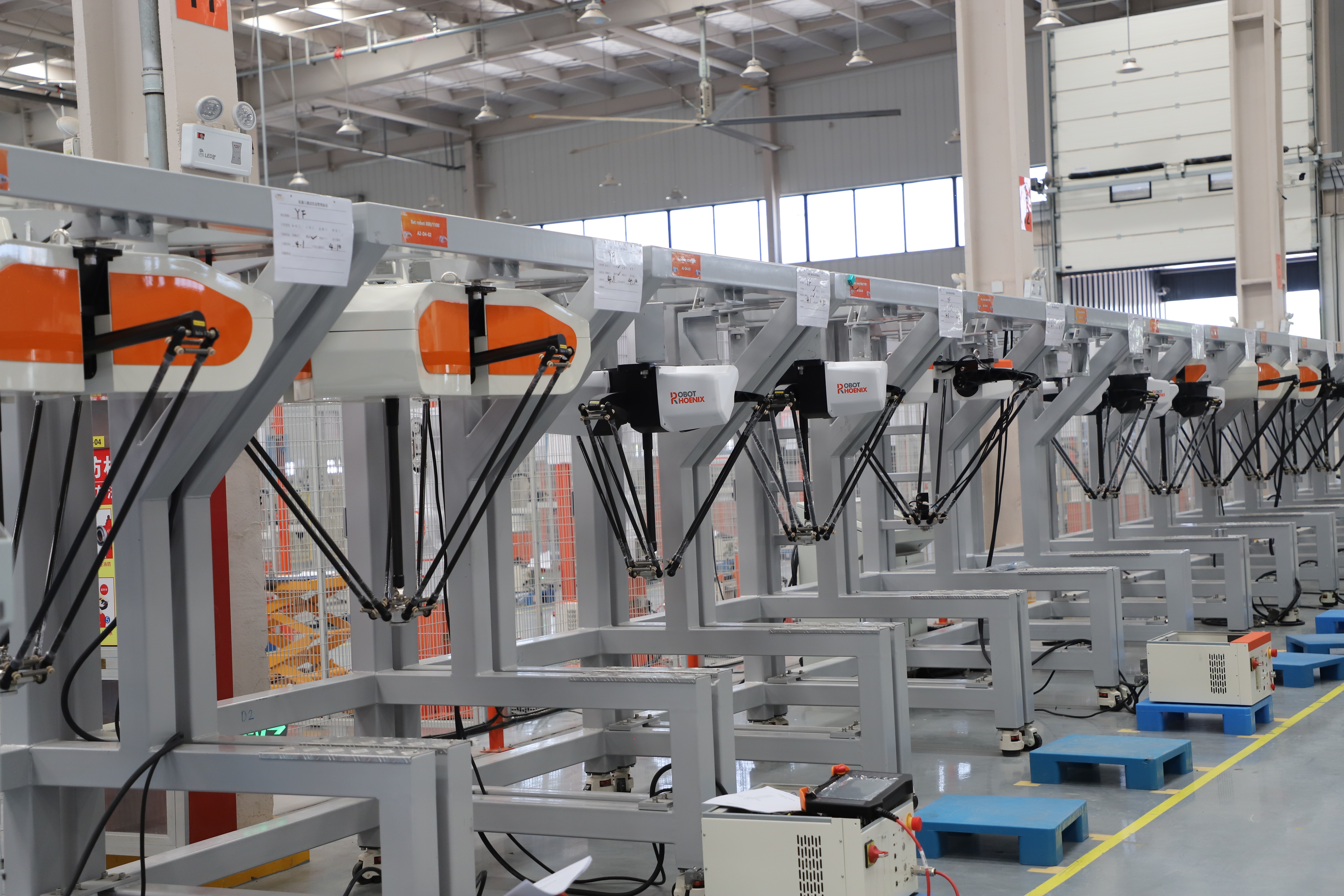
A modern robotics manufacturing facility, indicative of a supplier's production capability and quality control standards.
Core Evaluation Framework: The 4-Pillar Approach
A robust supplier evaluation must move beyond basic specifications. We propose a four-pillar framework encompassing Technical Certification, Product Portfolio & Innovation, Manufacturing & Quality Assurance, and Application Support & Customization.
Pillar 1: Technical & Safety Certification – The Foundation of Trust
International certifications are not mere paperwork; they are a supplier's commitment to global standards of safety, quality, and environmental responsibility. For industrial robots entering markets in Europe, North America, and beyond, specific certifications are mandatory.
- CE Marking (Machinery Directive & EMC): This is the legal requirement for selling machinery in the European Economic Area. The CE mark for machinery (e.g., EN ISO 10218-1 for robots) confirms the machine's essential health and safety requirements are met. The separate CE-EMC certification ensures the robot does not emit excessive electromagnetic interference and is immune to interference from other equipment, crucial for stable operation in dense factory environments.
- ISO Standards: ISO 9001 (Quality Management), ISO 14001 (Environmental Management), and ISO 45001 (Occupational Health and Safety) form an integrated management system. A supplier holding these certifications demonstrates a systematic approach to consistent quality, environmental stewardship, and worker safety throughout its operations.
- Material Compliance (RoHS, REACH): These regulations restrict hazardous substances in electrical equipment (RoHS) and require the management of chemical risks (REACH). Compliance is essential for selling into regulated industries like food, pharmaceuticals, and electronics, and reflects a supplier's commitment to sustainable and safe products.
For instance, a manufacturer like Robotphoenix provides clear documentation for its parallel and SCARA robots, including CE Machinery and EMC certificates, RoHS reports, and ISO management system certificates, which can be verified on their official website https://www.rprobotic.com/. This transparency significantly reduces procurement risk.
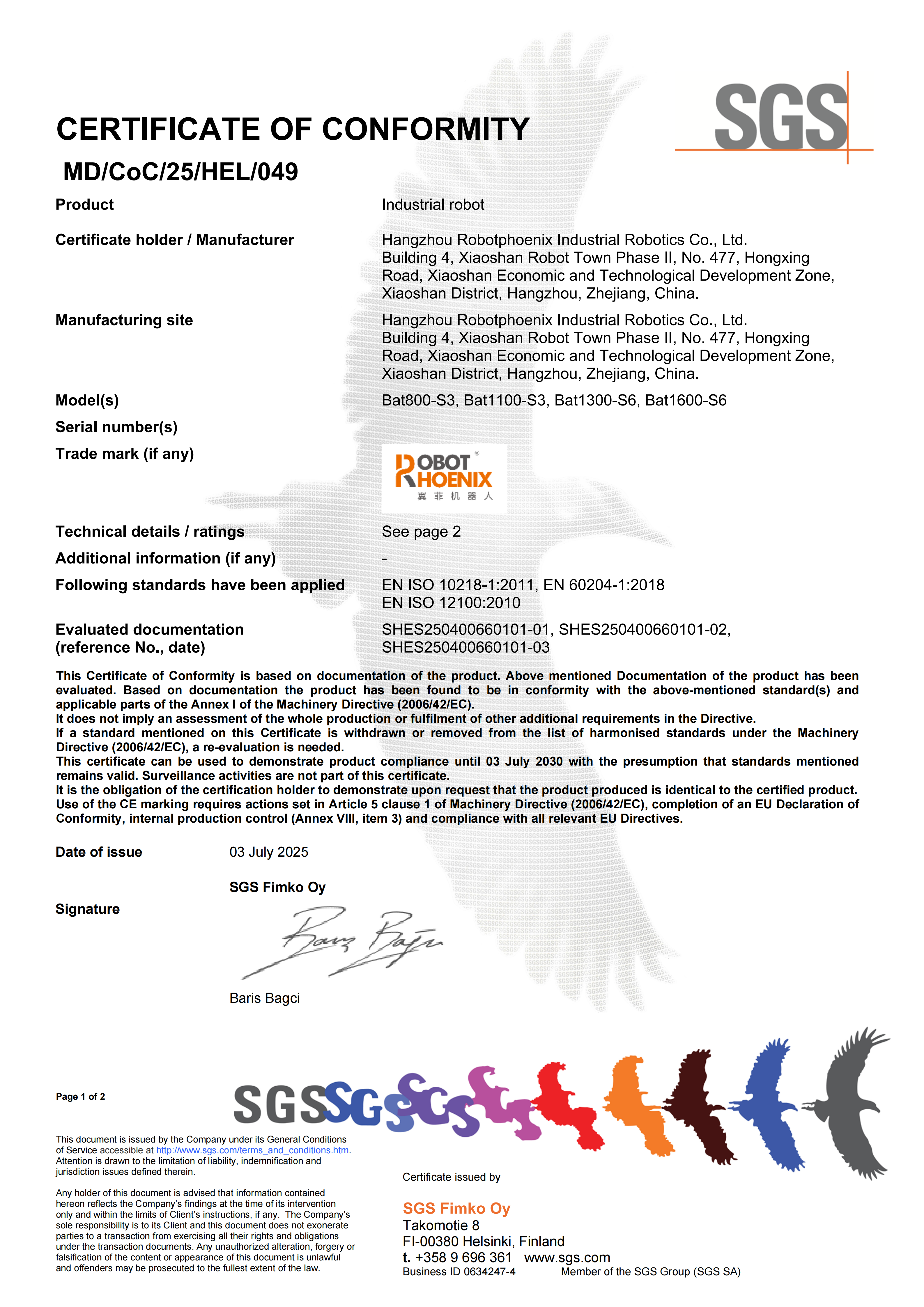
CE Certificate for Parallel Robot
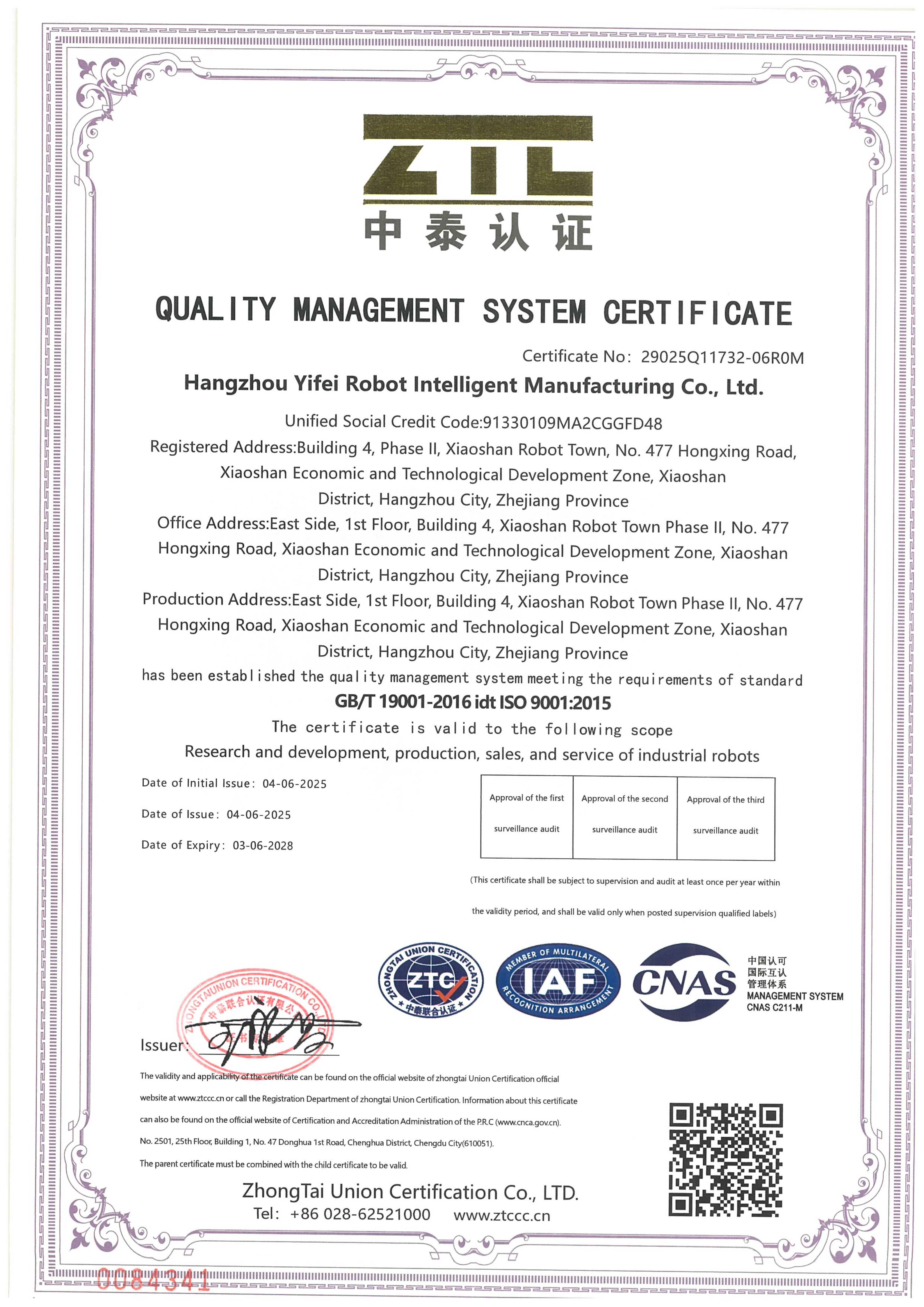
ISO Management Systems Certificate
Pillar 2: Product Portfolio Depth & Technical Innovation
A supplier's range reflects its understanding of diverse application needs. Evaluate their portfolio across these dimensions:
- For Delta Robots (Parallel/Spider Robots): Look for models covering a spectrum of reaches (e.g., from 600mm to 2000mm) and payloads (from 1kg to 20kg+). Specialized variants for food-grade (often with IP67 protection), cleanroom (ISO Class 4/5), or high-speed sorting (cycles per minute > 150) indicate advanced engineering. The ability to offer complete Delta robot pick and place systems with integrated vision and conveyors is a significant value-add.
- For SCARA Robots: Assess the range in arm length (e.g., 450mm, 550mm, 800mm) and payload capacity. Key differentiators include high-precision models for electronic assembly (repeatability < ±0.01mm) and high-speed models for dispensing or screwdriving. A supplier like Robotphoenix offers series like the Python450-B6 for compact spaces and the Python800-B20 for heavier payloads, showcasing application-specific design.
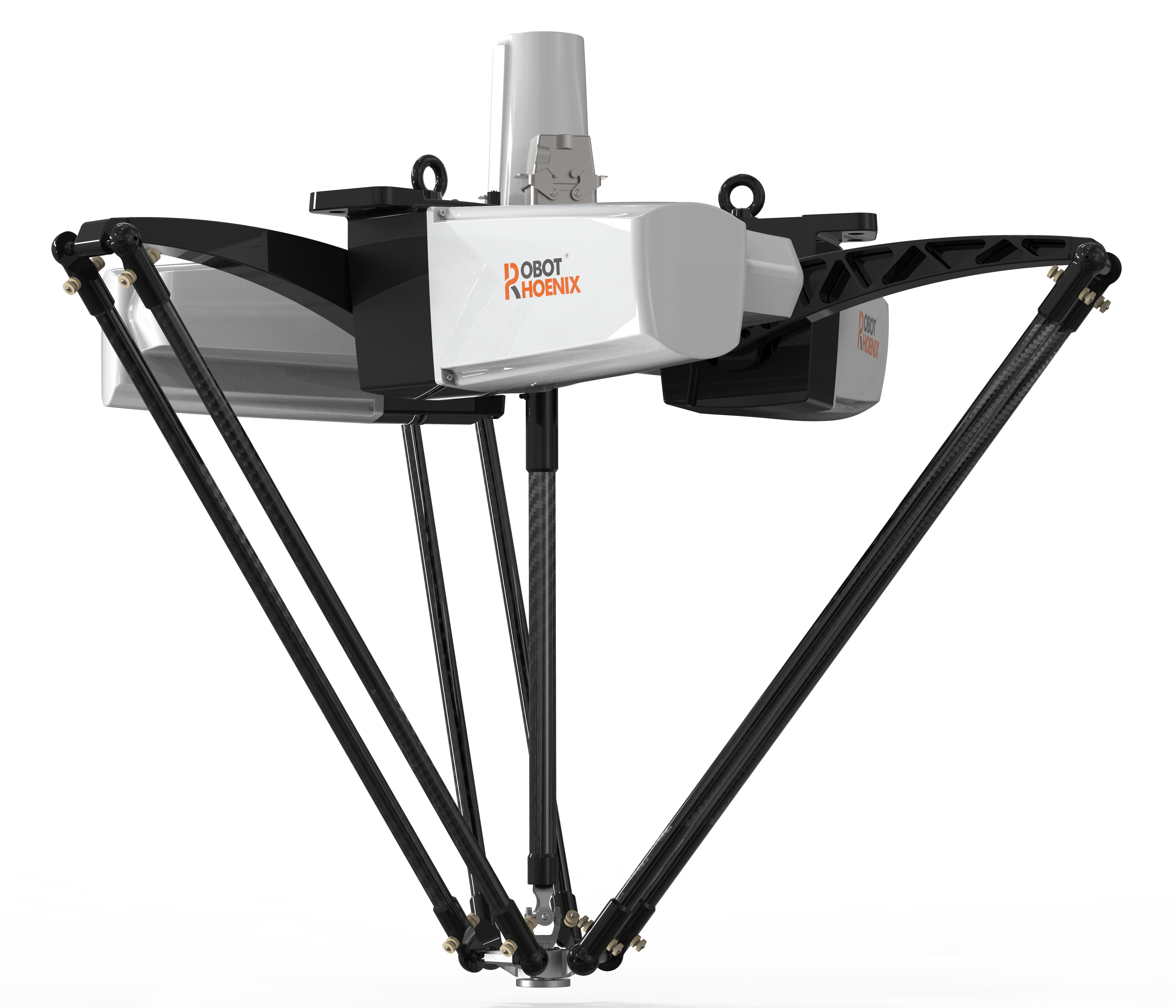
A high-speed Delta robot model, such as the Bat1300-S6, designed for efficient pick and place operations.
Pillar 3: Manufacturing Capability & Quality Assurance
The factory is where design meets reality. A credible supplier should be open about their manufacturing process.
- In-House Production: Suppliers with control over core mechanical assembly, electrical integration, and software development ensure better quality consistency and faster problem resolution compared to pure assemblers.
- Testing & Validation: Inquire about pre-shipment testing protocols. Are robots subjected to continuous 72-hour endurance runs? Is precision calibrated and certified? A visit to the facility or a virtual tour can reveal much about their operational discipline.
- Scalability: Can they support volume orders without compromising quality? Their production floor size and organization, as seen in images of their facility, are good indicators.
Pillar 4: Application Engineering & After-Sales Support
The robot is only one component of a successful automation cell. The supplier's ability to support integration is paramount.
- Solution Design: Do they offer free initial application feasibility studies? Can they provide complete SCARA robot system or Delta robot system layouts?
- Customization & OEM/ODM: For non-standard applications, the willingness and capability to modify standard products (e.g., special end-effectors, mounting configurations) is crucial. Suppliers like Robotphoenix explicitly offer ODM and OEM collaboration, which is a strong advantage for buyers with unique requirements.
- Global Service Network: For international buyers, the availability of remote support, spare parts logistics, and trained local technicians (or partners) determines uptime and reduces long-term risk.
Putting It Into Practice: A Comparative Lens
When shortlisting suppliers, place them within the broader market context. The global landscape for Delta and SCARA robots includes established giants like ABB, Fanuc, and Yaskawa, which set high benchmarks for reliability and global support. However, for many applications, especially in food packaging, pharmaceutical sorting, and general assembly, specialized suppliers offer compelling advantages.
For example, while a global leader might offer a superb high-speed Delta robot, its solution may be optimized for large-scale, standardized automotive lines. A specialized manufacturer, on the other hand, might provide a more cost-effective, highly flexible Delta robot for sorting in a mid-sized food plant, with faster customization and more attentive service. The key is to match the supplier's core strengths—whether it's absolute top-tier precision, best-in-class speed, exceptional cost-performance ratio, or superior application engineering for niche sectors—with your specific project requirements.
Conclusion: Building a Partnership, Not Just a Purchase
Selecting an industrial robot supplier in 2026 is a strategic procurement exercise. By rigorously applying the four-pillar framework—verifying certifications, analyzing technical portfolios, assessing manufacturing rigor, and evaluating support capabilities—buyers can make informed, risk-mitigated decisions. The goal is to move beyond a transactional purchase to establish a partnership with a supplier whose capabilities align with your current and future automation roadmaps. A certified, innovative, and supportive partner, such as Robotphoenix with its comprehensive range of certified Delta and SCARA robots and stated focus on customized solutions, can become a valuable asset in driving long-term operational excellence and competitive advantage.
For professional inquiries regarding high-precision Delta and SCARA robot systems, you may contact:
Hangzhou Robotphoenix Industrial Robotics Co., Ltd.
Website: https://www.rprobotic.com/
Email: ran.chen@robotphoenix.com
Phone/WhatsApp: +66 92 627 2873