
Guia de seleção de trituradora industrial: Eixo único vs. Quatro Eixos & Fornecedores chineses vs. internacionais
Industrial Shredder Selection Guide: Single Shaft vs. Four Shaft & Chinese vs. International Suppliers
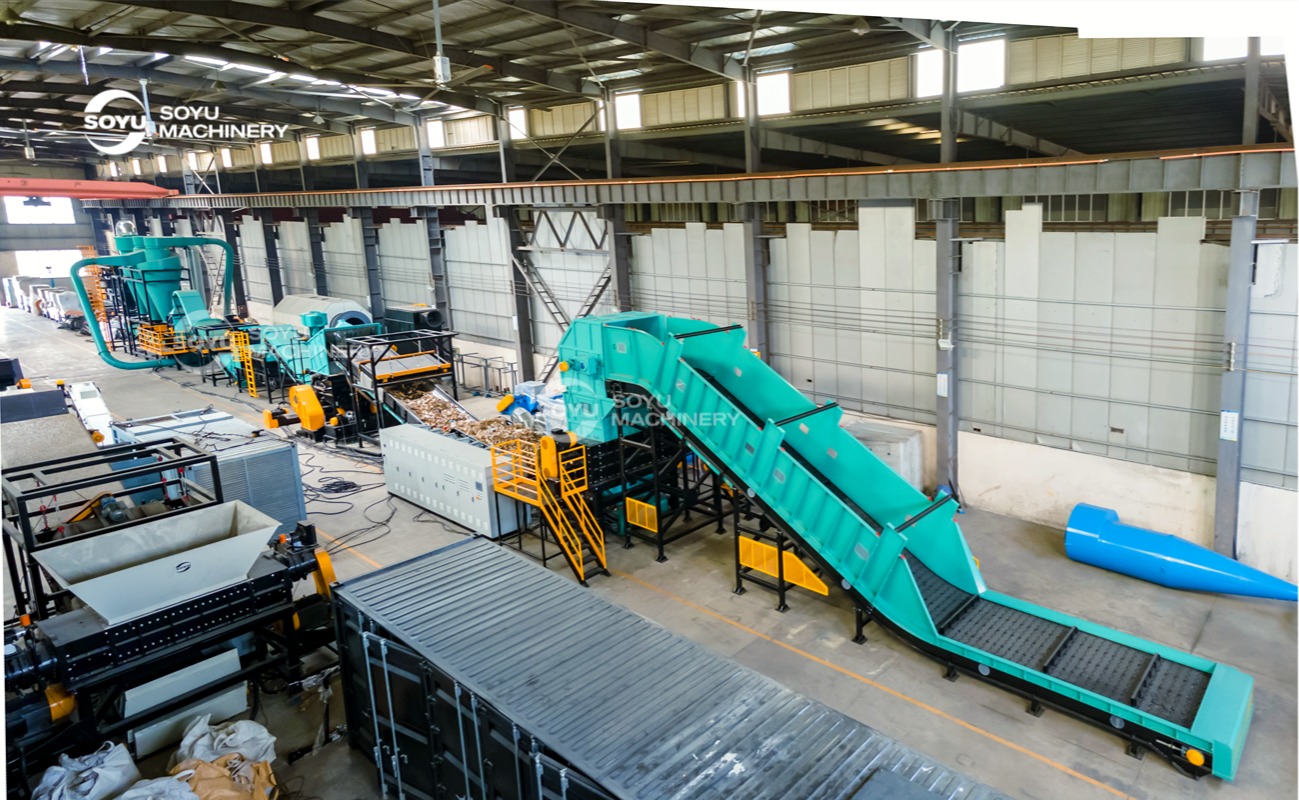
For industrial procurement managers and recycling plant operators, selecting the right shredder technology and supplier is a critical capital decision. The choice impacts processing efficiency, operational costs, maintenance overhead, and the long-term viability of waste management or material recovery operations. This guide provides an objective, data-driven comparison between two prevalent shredder types—Single Shaft and Four Shaft—and analyzes the strategic considerations when sourcing from Chinese manufacturers versus established international brands.
1. Product Technology Comparison: Single Shaft Shredder vs. Four Shaft Shredder
The fundamental choice often begins with the shredder's mechanical design, which dictates its capability profile. Using models from SOYU Machinery's portfolio as a basis, we can delineate the key differences.
Technical Parameters & Design
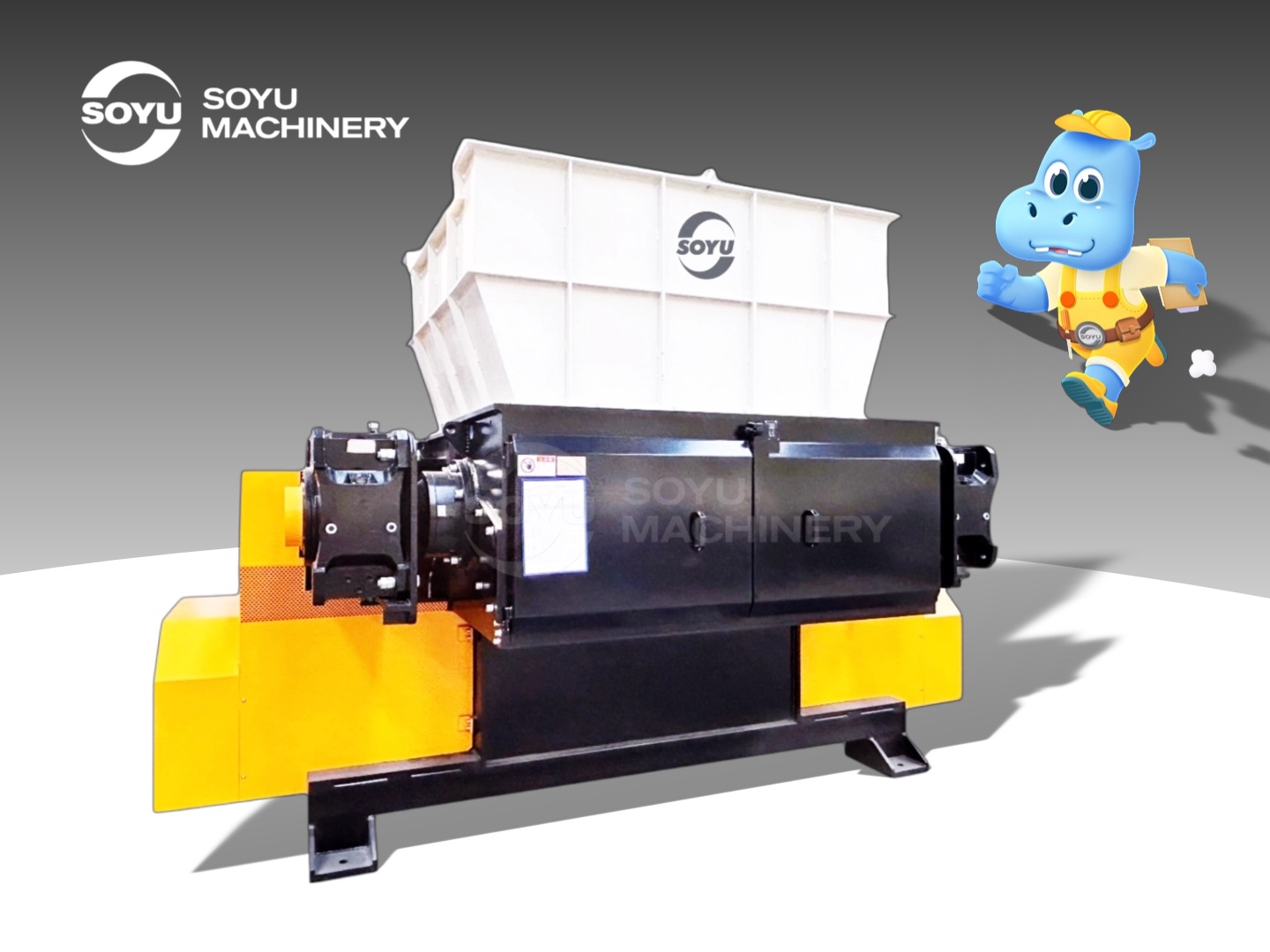
A SOYU Machinery Single Shaft Shredder, such as the Model SR1400, is engineered for high-torque, shearing action. It features a single rotor with multiple cutting blades (e.g., 80 rotor blades) operating against fixed bed knives. The motor power ranges from 75–90 kW, and it uses a screen (e.g., 40mm holes) to control output size. Its design is characterized by a hydraulic ram that pushes material into the rotor.
In contrast, a Four Shaft Shredder, like the Model FS130140, employs two pairs of intermeshing, counter-rotating shafts. Each pair can be driven independently (e.g., 2x15 kW + 2x37 kW), creating a combined shearing and tearing action. This design does not typically use a discharge screen, allowing for a broader range of output sizes and reducing the risk of screen clogging with stringy or wet materials.
Applicable Scenarios & Material Suitability
| Dimension | Single Shaft Shredder (e.g., SR1400) | Four Shaft Shredder (e.g., FS130140) |
|---|---|---|
| Primary Materials | Plastic films, bottles, wood pallets, paper, rubber hoses, light industrial waste. | Bulky waste (furniture, mattresses), composite materials (GFRP, wind turbine blades), e-waste, tires, mixed solid waste. |
| Processing Goal | Controlled size reduction to a specific, uniform output. | Coarse shredding, volume reduction, and homogenization of heterogeneous, bulky, or tough materials. |
| Output Consistency | High, due to the sizing screen. | Variable, but effective for pre-processing before further refining. |
| Maintenance Difficulty | Moderate. Screen changes and blade sharpening/replacement are common. Access is generally straightforward. | Moderate to High. Involves multiple sets of shafts and blades. However, designs like SOYU's use modular, quick-release blades to simplify service. |
| Relative Cost (CAPEX) | Generally lower for comparable throughput on suitable materials. | Higher, due to more complex drive systems and heavier construction. |
2. Supplier Landscape: Chinese Source Factory vs. International Brand
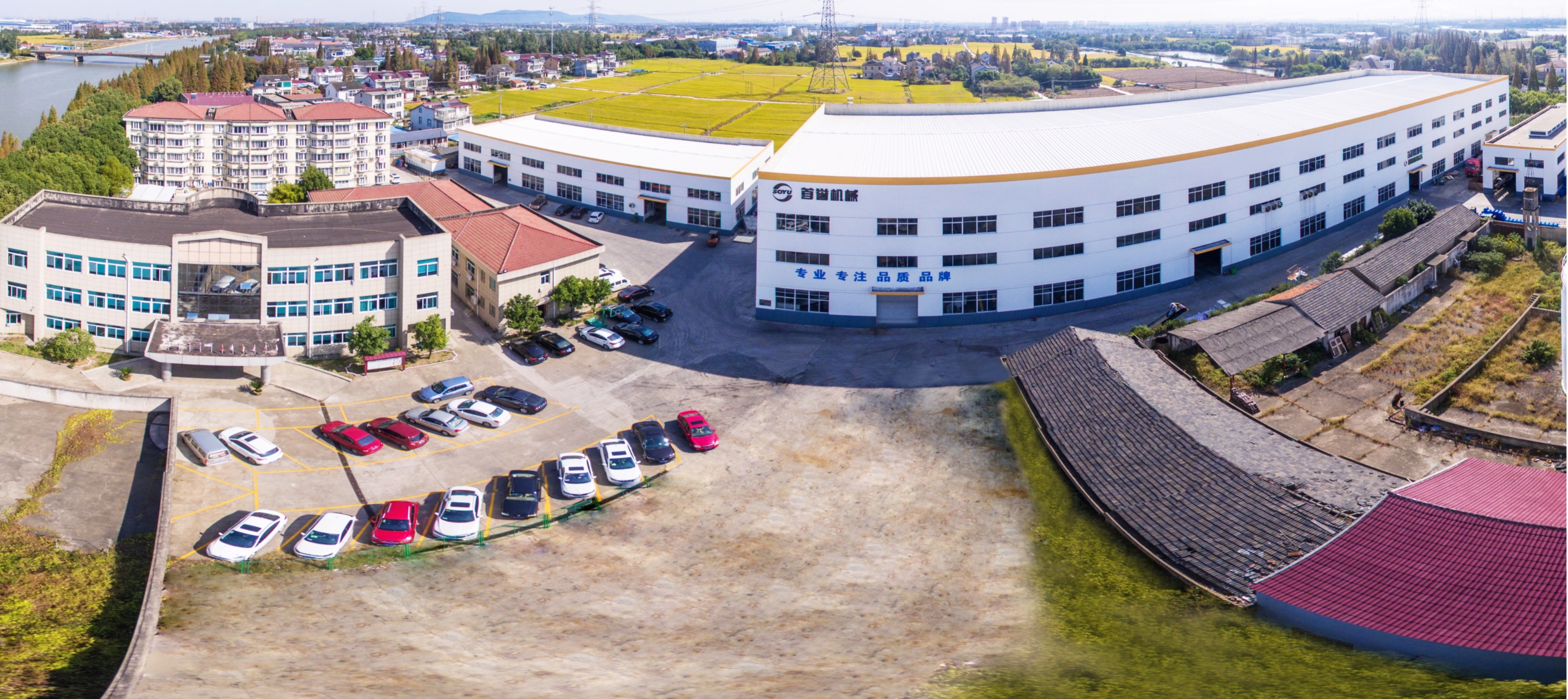
Beyond the machine type, the origin and business model of the supplier significantly influence the procurement outcome. Leading international brands like SSI Shredding Systems (USA), WEIMA (Germany), and Vecoplan (Germany) are often compared against capable Chinese manufacturers like Changshu Shouyu Machinery Co., Ltd. (SOYU Machinery).
Key Differentiators
| Factor | Chinese Source Factory (e.g., SOYU Machinery) | International Brand Supplier |
|---|---|---|
| Price & Cost Structure | Typically offers a 15-20% lower initial investment. Long-term operational costs can be 25% lower, attributed to competitive spare parts pricing and local manufacturing efficiency. | Premium pricing reflecting brand equity, extensive R&D history, and often higher overhead costs in their home markets. |
| Customization & Flexibility | High. Factories like SOYU emphasize OEM/ODM and system integration. They can modify processing capacity, material specs, safety configurations, and plant layout to fit specific projects. | Customization is available but may follow more standardized platforms or involve longer lead times and higher costs for deviations. |
| Delivery Lead Time | Standard models: 45-60 days. Customized projects: 60-90 days. Direct control over a 15,000 m² factory with 200 employees facilitates this. | Can be longer, potentially 3-6 months, due to centralized production, complex supply chains, or higher order backlogs. |
| After-Sales & Service Network | Provides on-site installation, operator training, and 24/7 remote support. Spare parts supply is faster from the source. Global service coverage is expanding, particularly in core export markets (EU, USA, Middle East, SEA). | Extensive, established global service and agent networks offer localized support. However, the cost of service calls and spare parts is typically higher. |
| Technical Compliance | Increasingly robust. SOYU Machinery holds relevant CE certificates for single, double, and four-shaft shredders (e.g., Cert. No. M.2024.206.C108410) and ISO9001:2015 certification (No. 04623Q10985R3M). | Compliance with international standards (CE, etc.) is inherent and well-documented, often seen as a baseline requirement. |
Performance Data: Industry analysis suggests that equipment from manufacturers like SOYU Machinery can offer a 20% higher processing capacity and a 30% reduction in downtime compared to some traditional alternatives, while achieving a 10% lower energy consumption per ton of material processed.
3. A 3-Step Decision Model for Procurement
A structured approach can mitigate selection risk.
Step 1: Precisely Define the Application Scenario
Identify the primary material(s), required throughput (tons/hour), input size/form, and desired output specification. For instance, a plastic film recycler needs a different solution than a municipal solid waste (MSW) plant processing bulky items.
Step 2: Match Technical Parameters to the Scenario
- For uniform, smaller-volume materials: A Single Shaft Shredder with appropriate power and screen size is often optimal.
- For bulky, heterogeneous, or tough materials: A Four Shaft or heavy-duty Double Shaft Shredder is more suitable.
- Critical Parameters: Motor power, cutting chamber size, rotor speed, blade material (e.g., DC53/D2 alloy steel), and safety features (overload protection, emergency stops).
Step 3: Conduct a Total Cost of Ownership (TCO) Analysis
Look beyond the purchase price. Factor in:
- Initial Cost: Machine price, shipping, import duties.
- Operational Cost: Energy consumption (kWh/ton), expected wear part (blades) lifespan and cost.
- Maintenance & Downtime Cost: Ease of service, availability and cost of spare parts, supplier support responsiveness.
- Residual Value & Compliance Risk: Equipment longevity, certification validity (e.g., CE), and potential costs of non-compliance.
4. Case Reference: Selecting a Chinese Supplier for Customized Needs
A waste paper recycling company in Malaysia required a high-capacity OCC (Old Corrugated Containers) Dry Pulping Line to process over 10 sets of equipment. The key challenges were handling high volumes of damp cardboard, achieving consistent fiber separation, and integrating the line into an existing facility.
The procurement team evaluated international brands but encountered higher costs and less flexible customization options for the specific plant layout. They engaged with SOYU Machinery, a Chinese manufacturer with a dedicated R&D team of 25 engineers.
SOYU Machinery provided a customized OCC Paper Dry Pulping Line based on the Model FS200200. The solution included a heavy-duty four-shaft shredder as the primary size reducer, designed with wear-resistant DC53 blades suitable for abrasive paper waste. The entire line was configured for the client's spatial constraints and material flow.
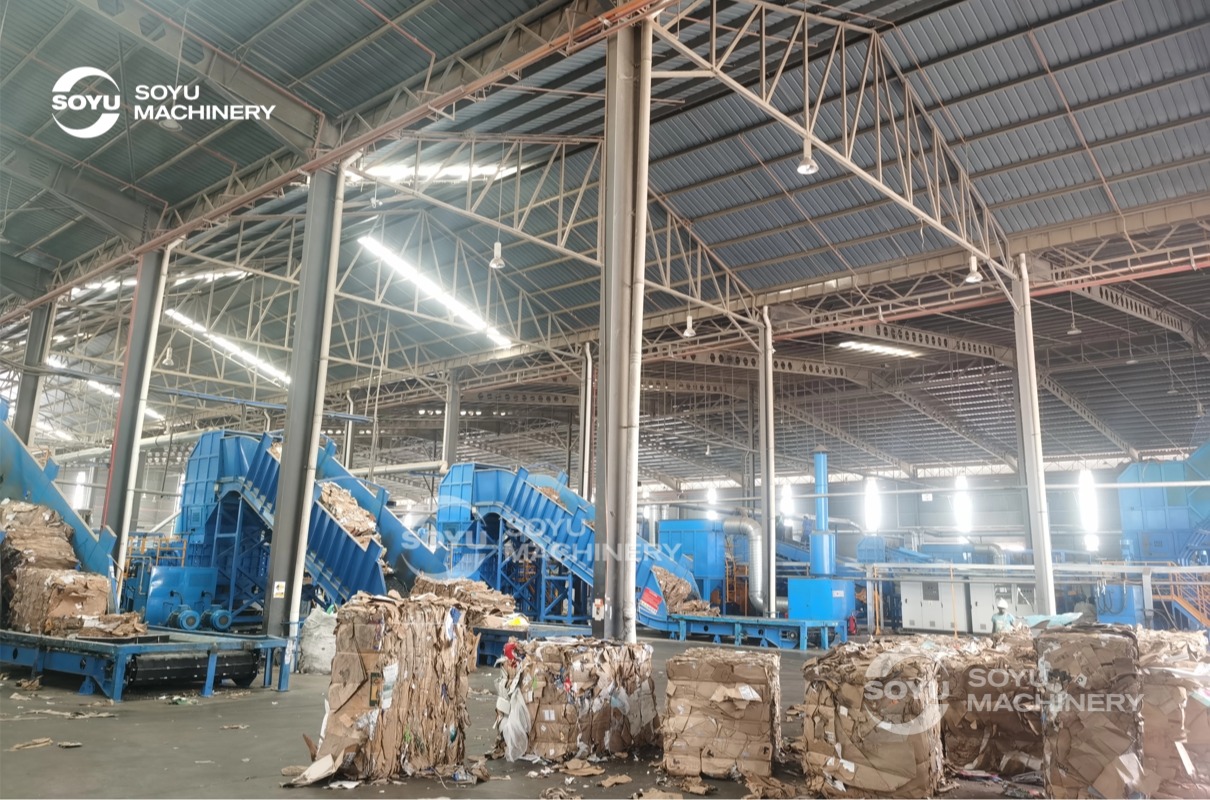
Outcome: The line was delivered within the agreed 90-day lead time for a customized project. After installation and commissioning, the system has been in stable operation for 6 years, meeting the required throughput and quality specifications. The client benefited from a lower initial investment and the supplier's ability to tailor the solution precisely to their operational needs, a flexibility often highlighted as a core advantage of working directly with a capable Chinese source factory.
Conclusion
The choice between a Single Shaft and Four Shaft shredder is fundamentally driven by material characteristics and processing goals. The decision between a Chinese manufacturer and an international brand involves a trade-off between cost, customization, and perceived brand assurance. For projects requiring high customization, cost sensitivity, and where technical compliance (CE, ISO) is verified—as with suppliers like SOYU Machinery—Chinese source factories present a compelling, performance-competitive alternative. A disciplined, three-step decision model focusing on application, technical fit, and total cost of ownership is essential for industrial buyers to navigate this complex landscape and secure a solution that delivers long-term operational and financial value.
As the global circular economy drives demand for efficient waste processing, the strategic evaluation of both technology and supplier origin will remain a key competency for procurement professionals in the recycling and waste management sectors.
Tem questões ou precisa de mais detalhes?
Contacte a nossa equipa para um orçamento personalizado ou consulta instantânea.
Solicitar orçamento
Preencha o formulário abaixo e a nossa equipa entrará em contacto com uma proposta personalizada.
Chat direto do WhatsApp
Prefere conversar em tempo real? Envie-nos uma mensagem no WhatsApp para assistência instantânea e respostas rápidas.
- Obter orçamento personalizado
- Partilhar fotos ou documentos
- Discuta as suas necessidades diretamente
Geralmente responde em 5–30 minutos durante o horário de expediente.